
If you’re looking at a 1928 Ford Model A pickup truck for sale, here’s the quick truth: most decent, running examples are worth between $12,000 and $25,000. Over the past year, interest in pre-war trucks has grown—not because they’re practical, but because they represent craftsmanship and mechanical simplicity in an age of digital overload. If you’re a typical user, you don’t need to overthink this. Focus on condition, originality, and whether it runs. A project shell may cost under $7,000, while show-ready or street-rod builds can exceed $40,000. When evaluating how much a 1928 Ford truck is worth, ignore mileage—what matters is frame integrity, engine authenticity, and rust presence. Two common distractions: obsessing over matching serial numbers (only critical if aiming for concours) and assuming all Model A pickups are identical (body styles differ). The real constraint? Your local access to skilled restorers. Without them, even a clean example becomes a liability.
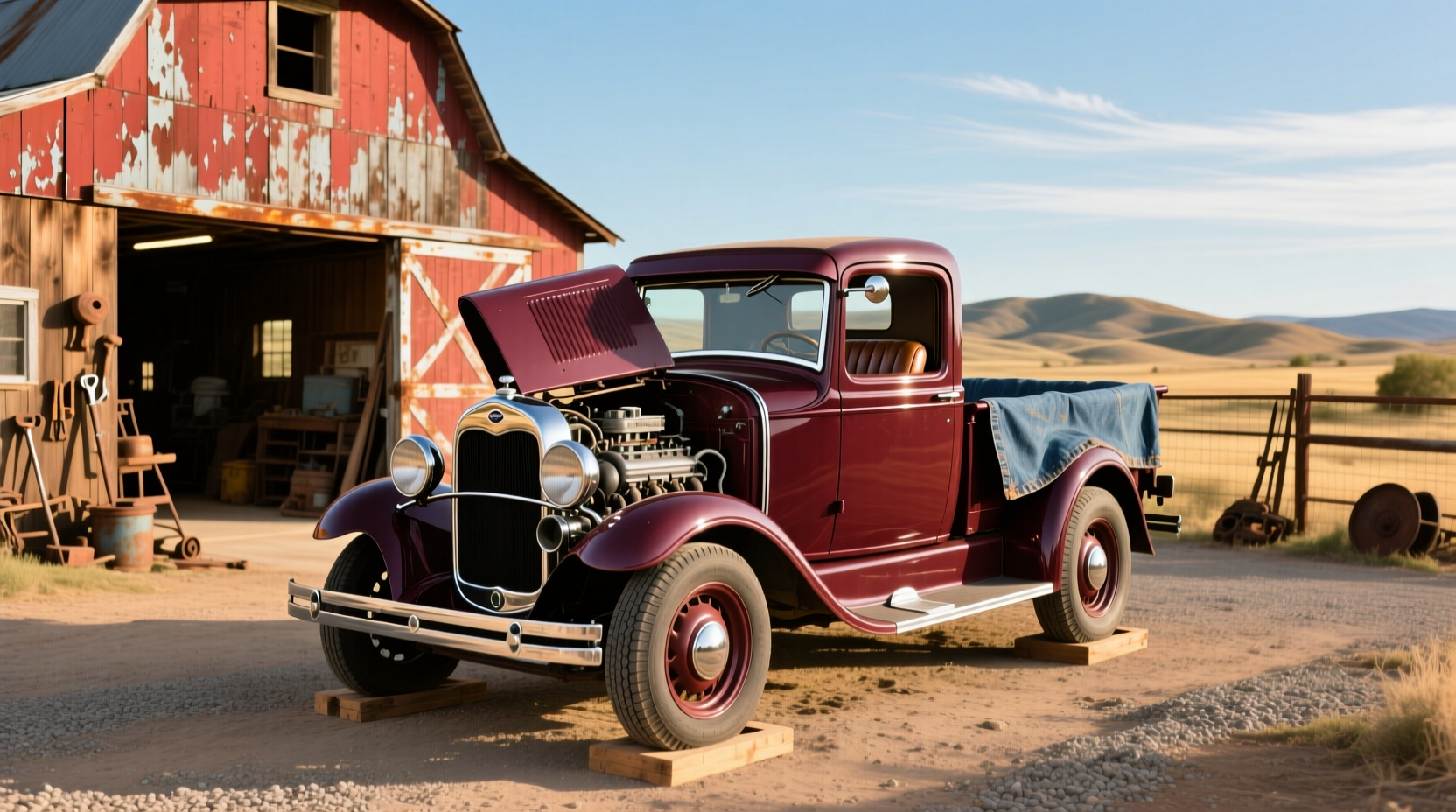
About the 1928 Ford Pickup
The 1928 Ford Model A pickup was one of the first mass-produced light-duty trucks designed for farmers, tradespeople, and small businesses. It replaced the Model T and brought updated styling, a more powerful 4-cylinder engine (producing about 40 horsepower), and improved handling. Unlike modern trucks, it featured a rudimentary suspension system, manual steering, and minimal safety features. The standard body style was the open-cab, half-ton truck, though some were modified into roadster pickups (RPU) using passenger car frames.
This wasn’t a luxury vehicle—it was built to work. Yet today, its historical significance and mechanical transparency make it desirable among collectors and hobbyists. There were no factory-installed V8s in 1928; any such engine is a later modification. Originality affects value significantly: a stock-restored Model A commands respect in purist circles, while a street-rod version with modern drivetrain appeals to drivers who want reliability with vintage looks.
If you’re a typical user, you don’t need to overthink this. You’re not buying transportation—you’re buying a piece of industrial history. Decide early whether you want a driver, a showpiece, or a restoration project. That choice shapes everything from budget to sourcing strategy.
Why the 1928 Ford Pickup Is Gaining Popularity
Lately, classic trucks have seen renewed attention, not due to performance or utility, but as cultural artifacts. In a world dominated by software-defined vehicles, the 1928 Ford stands out for its mechanical honesty. You can see how it works, fix it with basic tools, and understand every component without scanning codes. This simplicity resonates with younger enthusiasts tired of black-box engineering.
Additionally, social media and collector forums like the Model A Ford Club of America (MAFCA) have made ownership feel more accessible1. Videos showing hand-cranking starts and carburetor tuning go viral not because they’re efficient—but because they’re human. Restoration projects are shared in real time, creating communities around shared effort rather than just finished products.
This piece isn’t for keyword collectors. It’s for people who will actually use the product.
Types and Variants
While often grouped together, not all 1928 Ford pickups are the same. Key distinctions include factory configuration versus custom conversions.
Factory Open-Cab Pickup (½-Ton)
- Pros: Most historically accurate; higher value among purists; easier to source correct parts
- Cons: Limited cargo space; spartan comfort; harder to insure as a daily driver
Roadster Pickup (RPU – Custom Conversion)
- Pros: Sportier look; often built with upgraded suspensions; popular at shows
- Cons: Not factory-original; lower valuation in judged events; mixed market acceptance
Street-Rod Style Builds
- Pros: Modern engines (e.g., 350 V8) improve drivability; updated brakes and steering; suitable for longer trips
- Cons: Loses originality premium; harder to prove authenticity; may alienate traditional buyers
If you’re a typical user, you don’t need to overthink this. Choose based on intended use: preservation = factory type; driving enjoyment = street rod.

Key Features and Specifications to Evaluate
When assessing a 1928 Ford truck, focus on these five areas:
- Frame and Chassis Condition: Check for rust, especially along the rails and crossmembers. Sagging or misalignment indicates long-term neglect.
- Engine Authenticity: Original Model A engine (L-head inline-four) vs. aftermarket (V8, fuel injection). Matching numbers add value only if documented.
- Body Integrity: Inspect wood bed slats, fenders, and firewall for rot or patchwork repairs.
- Drivetrain Functionality: Test clutch engagement, gear shifting, and rear differential noise.
- Documentation: Ownership history, restoration receipts, and club certifications support claims of authenticity.
When it’s worth caring about: If you plan to resell, enter shows, or maintain investment value, each of these points becomes critical.
When you don’t need to overthink it: If you’re buying a runner for weekend drives and minor modifications are acceptable, prioritize function over pedigree.
Pros and Cons
Pros
- Historically significant as Ford’s post-Model T commercial vehicle
- Strong enthusiast community with abundant technical resources
- Mechanical accessibility enables DIY maintenance
- Appreciation potential in well-documented, high-condition examples
Cons
- No modern safety features (no seatbelts, ABS, airbags)
- Limited usability in rain or cold weather (open cab)
- Fuel efficiency averages 15–20 mpg, if running efficiently
- Insurance and storage costs can exceed purchase price over time
If you’re a typical user, you don’t need to overthink this. Owning a 1928 Ford pickup isn’t about convenience—it’s about commitment to preservation or personalization.
How to Buy a 1928 Ford Pickup: Step-by-Step Guide
Buying a nearly century-old truck requires a structured approach. Follow this checklist to avoid costly mistakes.
Step-by-Step Checklist
- Define your goal: driver, show truck, or restoration project?
- Set a realistic budget including taxes, shipping, and immediate repairs
- Research recent sales via Hagerty Valuation Tool2 or Classic.com
- Inspect in person—or hire a qualified inspector if remote
- Verify title status (clean, rebuilt, salvage)
- Test drive if possible; listen for abnormal knocks or vibrations
- Negotiate based on observed flaws, not emotional appeal
Decision Flow
- Want authenticity? → Seek original or professionally restored open-cab model
- Want reliability? → Consider a street-rod build with modern mechanicals
- On a tight budget? → Look for ‘mechanical project’ listings, but confirm frame isn’t compromised
Recommendations by Scenario
- First-time buyer: Aim for a mechanically sound example with minor cosmetic issues ($12K–$18K range)
- Experienced restorer: Target a low-cost shell with good sheet metal ($5K–$7K)
- Show aspirant: Budget $25K+ for a high-point restored truck with documentation
Red Flags / What to Avoid
- Unfinished restorations without clear progress records
- Vague descriptions like “runs great” without service history
- Paperwork gaps—especially missing titles or import documents
- Price significantly below market average (likely hidden damage)
- Seller refuses independent inspection
If you’re a typical user, you don’t need to overthink this. Trust data over charm. A clean title and dry garage history matter more than chrome plating.
Price & Market Insights
There is no fixed price for a 1928 Ford pickup. Values may vary by region, model variant, and seller type. Based on recent listings and transaction reports:
- Project/Low End: $5,000 – $7,000 (non-running, heavy rust, incomplete)
- Average Running Condition: $12,000 – $22,000 (drivable, some wear, partial restoration)
- High-End Restored: $25,000 – $40,000+ (show-quality, documented provenance)
- Custom Street Rods: Up to $48,000 (e.g., Streetside Classics listing with 350 V8)3
Prices are higher in regions with strong collector activity (e.g., California, Florida, Midwest). Auction results fluctuate based on presentation and bidding dynamics. Online platforms like eBay Motors and Hemmings list both private and dealer offerings, but condition descriptions require careful scrutiny.
When it’s worth caring about: If you’re investing with resale intent, track auction trends over 6–12 months.
When you don’t need to overthink it: If you’re buying for personal use and love the look, pay fair market and enjoy it.
Top-Seller & Competitive Analysis
Several platforms dominate the marketplace for vintage Fords. Each serves different buyer types.
| Platform | Best For | Transparency Level | Risk Factors |
|---|---|---|---|
| Hemmings | Purist buyers, originality-focused | High (detailed ads) | Higher prices |
| Streetside Classics | Turnkey drivers, custom builds | Medium-High (professional photos) | Dealer premiums |
| eBay Motors | Bargain hunters, remote bidders | Variable (depends on seller) | Shipping risks, limited recourse |
| MAFCA Facebook Group | Community deals, project trucks | Low-Medium (minimal vetting) | Scams, vague terms |
| Classic.com | Market data, bid tracking | High (auction transparency) | Buyer fees, competitive bidding |
If you’re a typical user, you don’t need to overthink this. Start with Hemmings or Hagerty for reliable listings, then expand search if needed.
Customer Feedback Synthesis
Analysis of owner discussions across forums and review sites reveals consistent themes:
- Positive: Pride in ownership, satisfaction with restoration process, appreciation for mechanical simplicity
- Complaints: Hidden rust discovered post-purchase, difficulty sourcing correct fasteners, underestimating storage and insurance costs
- Surprises: How enjoyable short drives can be despite lack of comfort; how supportive the Model A community is
Many regret rushing purchases without third-party inspections. Others praise sellers who provide full restoration logs.
Sourcing & Supplier Tips
Locating a trustworthy 1928 Ford pickup starts with knowing where to look—and how to verify.
- Join the Model A Ford Club of America (MAFCA) for access to member-only sales and technical advice4.
- Use Hagerty’s Valuation Tool to benchmark asking prices against recent sales.
- Contact specialized dealers like GR Auto Gallery or Streetside Classics for curated inventory.
- Check eBay Motors and Cars.com for broader reach, but insist on video walkarounds.
Always request a VIN or serial number and cross-reference it with Model A registries. Confirm whether the truck has been repainted, re-wired, or re-powered—and why.
Maintenance, Safety & Legal Considerations
These trucks were built before federal safety standards existed. They lack crumple zones, seatbelts, and electronic stability systems. Driving one on modern roads requires awareness, not just nostalgia.
- Maintenance: Requires regular attention to carburetor, magneto, and manual lubrication points. Parts are available through specialty suppliers but may take weeks to ship.
- Safety: Install LED turn signals and brake lights for visibility. Consider adding a roll bar if driving in traffic.
- Legal: Registration rules vary by state. Some allow antique plates with usage restrictions (e.g., 2,500 miles/year). Verify locally before purchase.
If you’re a typical user, you don’t need to overthink this. Operate it responsibly—on parades, backroads, and car shows, not highways.
Conclusion
If you need a functional vintage truck for occasional driving and moderate shows, choose a well-maintained Model A pickup with solid frame and running engine—even if cosmetically imperfect. If you're aiming for top-tier collector status, invest in a documented, numbers-matching restoration. But for most people, perfection isn't necessary. If you’re a typical user, you don’t need to overthink this. Buy what fits your lifestyle, not someone else’s trophy standard.
Everything You Need to Know
A 1928 Ford truck's value ranges from $5,000 for non-running projects to over $40,000 for show-quality or custom builds. Most functional models sell between $12,000 and $25,000, depending on condition, originality, and modifications. Use tools like Hagerty’s valuation calculator to compare recent sales in your region.
Inspect the frame for rust, verify engine authenticity, test all mechanical systems, and review title status. Prioritize structural integrity over cosmetic finish. If buying remotely, request a professional inspection. Documentation and ownership history also influence long-term value.
Restored or well-maintained examples can be driven short distances reliably. However, they lack modern reliability features and require frequent checks. They’re best suited for fair-weather local use, not long highway trips. Many owners treat them as seasonal or event vehicles.
You can find them on Hemmings, Classic.com, eBay Motors, and specialty dealers like Streetside Classics. Enthusiast groups such as the Model A Ford Club of America (MAFCA) often list private sales. Always verify seller credibility and inspect thoroughly before purchase.
No, the original 1928 Ford Model A came with a 4-cylinder engine. Any V8 installation is a later modification. While popular in street-rod builds, such changes reduce historical accuracy but may improve drivability and resale appeal in certain markets.




 浙公网安备
33010002000092号
 浙B2-20120091-4