
If you’re a typical user, you don’t need to overthink this. The 1938 International Harvester D-2 pickup was built by the International Harvester Company (IHC), a major American manufacturer known for durable farm and industrial equipment. How to choose one today comes down to authenticity, frame condition, and engine integrity—not chrome trim or paint color. Most buyers fall into two categories: restorers seeking originality and collectors prioritizing visual appeal. Avoid trucks with undocumented frame repairs or non-OEM engine swaps unless you’re budgeting for full rework. If you’re a typical user, you don’t need to overthink this.
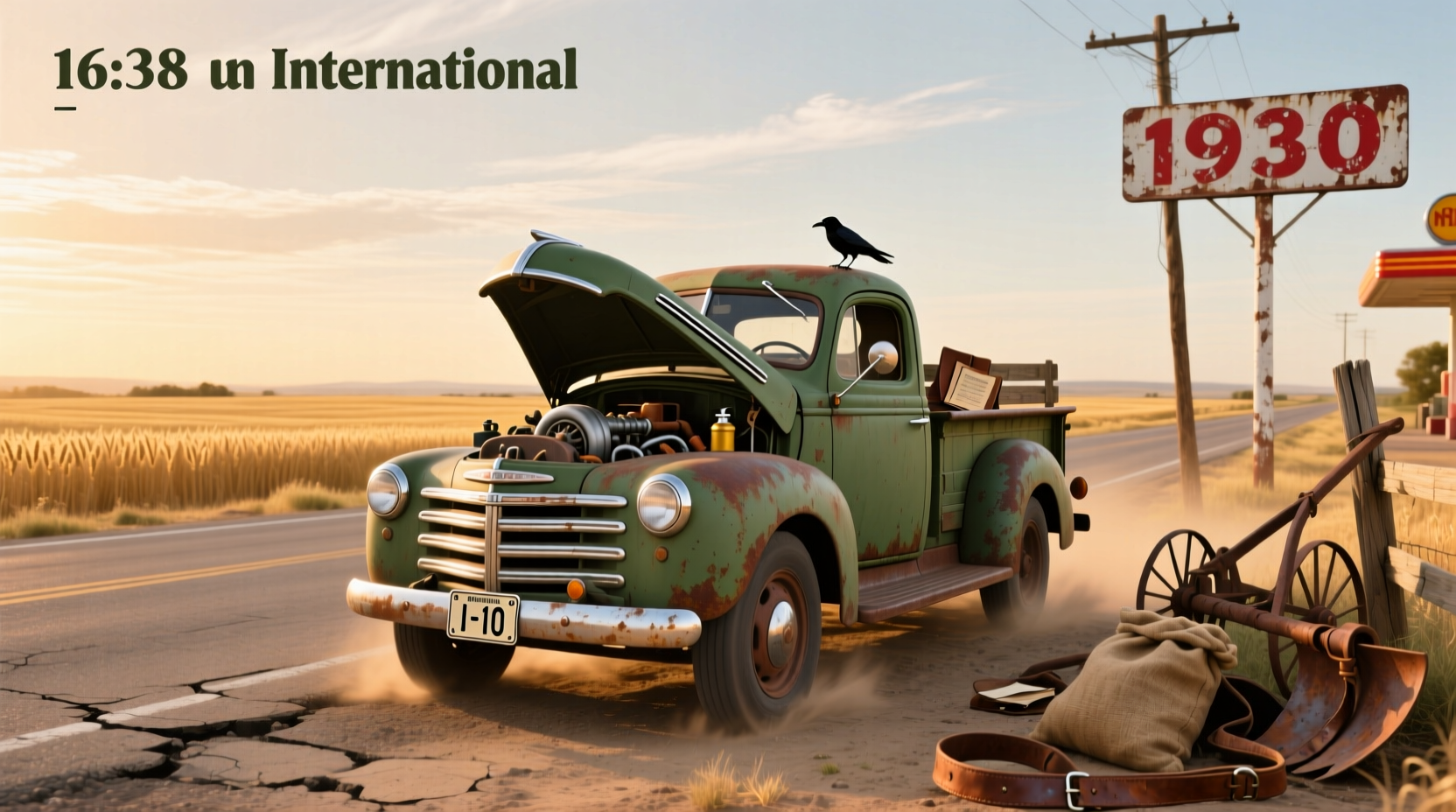
About the 1938 International D-2 Pickup
The 1938 International Harvester D-2 was part of IHC’s first fully modernized light truck line, marking a shift from utilitarian box frames to styled, aerodynamic designs. Introduced in 1937 as part of the D-Series, the D-2 featured streamlined fenders, a barrel-shaped grille, and an all-steel cab—uncommon at a time when many competitors still used wood-framed bodies 1. It was powered by a 206 cubic inch inline-six engine producing modest horsepower by today’s standards but praised for torque and reliability under load.
International Harvester Company, founded in 1902, was already a dominant force in agricultural machinery before expanding into trucks. While Ford and Chevrolet dominated volume sales, IHC carved a niche with vehicles engineered for durability in tough conditions—on farms, construction sites, and rural delivery routes. The D-2 became a favorite among postal services and small haulers due to its balanced wheelbase and serviceability 2.
Why the 1938 International Pickup Is Gaining Popularity
Lately, interest in pre-war American trucks has grown beyond niche circles. Over the past year, auction listings and forum discussions around the D-2 have increased, driven by rising appreciation for functional design and mechanical simplicity. Unlike later models burdened with complex emissions systems or electronics, the 1938 D-2 offers direct driver engagement—manual steering, non-synchronized transmission, and carbureted fuel delivery.
This resurgence isn’t about nostalgia alone. Buyers are recognizing that early IHC trucks represent a turning point: the moment work vehicles began incorporating industrial design principles without sacrificing toughness. The D-2’s blend of Art Deco flair and iron-frame practicality makes it stand out at shows while remaining drivable with basic tools. If you’re a typical user, you don’t need to overthink this—its appeal lies in honest engineering, not historical pedigree alone.
Types and Variants
The 1938 D-2 came in several configurations, primarily differentiated by bed length, axle ratio, and cab style. These variants reflect intended use more than luxury tiers.
D-2 Standard Pickup
- Pros: Balanced weight distribution, widely documented parts availability, ideal for restoration to original specs
- Cons: Limited passenger space, basic suspension comfort
D-2 Stake Bed / Flatbed
- Pros: Higher utility for hauling, often found in municipal or commercial service history
- Cons: Rarely preserved; many were scrapped after duty cycles ended
D-2 Panel Delivery
- Pros: Enclosed cargo area, sought after by collectors of commercial vehicles
- Cons: Fewer surviving examples, harder to verify originality
When it’s worth caring about: choosing a variant depends on your end goal. For show circuits, the standard pickup with correct badging wins points. For drivability, stake beds often have fewer rot issues due to simpler construction. When you don’t need to overthink it: all D-2s share the same core chassis and engine—differences are secondary to overall condition.
Key Features and Specifications to Evaluate
Assessing a 1938 D-2 means focusing on components that cannot be easily replaced or faked.
Frame and Chassis Integrity
Rust along the frame rails—especially near the rear spring mounts—is common. Look for pitting, weld patches, or misalignment. A straight frame ensures safe handling and proper alignment of new components during restoration.
Engine Authenticity
The original 206ci inline-six should carry casting numbers matching 1938 production. Repop engines exist, but they reduce value. Verify serial number location and head stampings. If you’re a typical user, you don’t need to overthink this—if it runs smoothly and isn’t smoking, it’s likely serviceable even if not 100% original.
Transmission and Drivetrain
The three-speed manual with column shift is durable but prone to grinding if clutch linkage is worn. Check for smooth engagement and absence of gear pop-out. Rear axles may leak seals; inspect differential housing for oil stains.
Body Panels and Cab Structure
All-steel cabs were advanced for their time, but door hinges and floor pans are rust hotspots. Replacement panels exist but vary in fit quality. Original sheet metal with minor corrosion is preferable to fully replaced sections with poor gaps.
Electrical System
6-volt system with generator and distributor. Many owners convert to 12 volts for reliability, but purists avoid this. Functionality matters more than voltage type—ensure lights, horn, and starter respond consistently.
Pros and Cons
| Aspect | Pros | Cons |
|---|---|---|
| Design | Iconic Art Deco styling, excellent presence at events | Narrow cabin, limited visibility |
| Durability | Overbuilt frame, simple mechanics, easy to repair | Heavy steering, stiff ride |
| Parts Availability | Strong enthusiast network, reproduction parts available | Some trim pieces rare or expensive |
| Ownership Cost | No electronics to fail, low-tech maintenance | Fuel efficiency ~10–12 mpg; insurance varies by region/model/seller |
How to Choose a 1938 International Pickup
This piece isn’t for keyword collectors. It’s for people who will actually use the product.
Step-by-Step Checklist
- Verify VIN and engine number match factory records if possible
- Inspect frame for rust, cracks, or botched repairs
- Test start-up behavior and idle stability
- Check for oil leaks at engine, transmission, and rear end
- Examine tires and brakes—drum brakes require frequent adjustment
- Review restoration documentation or service history
- Evaluate completeness: missing gauges or switches increase project cost
Decision Flow
- If your goal is driver enjoyment: prioritize mechanical soundness over cosmetic perfection.
- If your goal is show competition: seek documented originality and correct finishes.
- If your budget is under $25,000: expect to do some work—fully restored D-2s exceed $40,000.
Recommendations by Scenario
- First-time classic owner: Buy a running example with known history, even if paint is faded.
- Experienced restorer: Consider a solid donor with title issues resolved.
- Investor/collector: Focus on rarity codes, early production date, and factory options.
Red Flags / What to Avoid
- Unexplained gaps in ownership history
- Repainted frames hiding corrosion
- Non-original engines without disclosure
- Vinyl wraps instead of paint (often hides damage)
- Sellers unwilling to allow independent inspection
Price & Market Insights
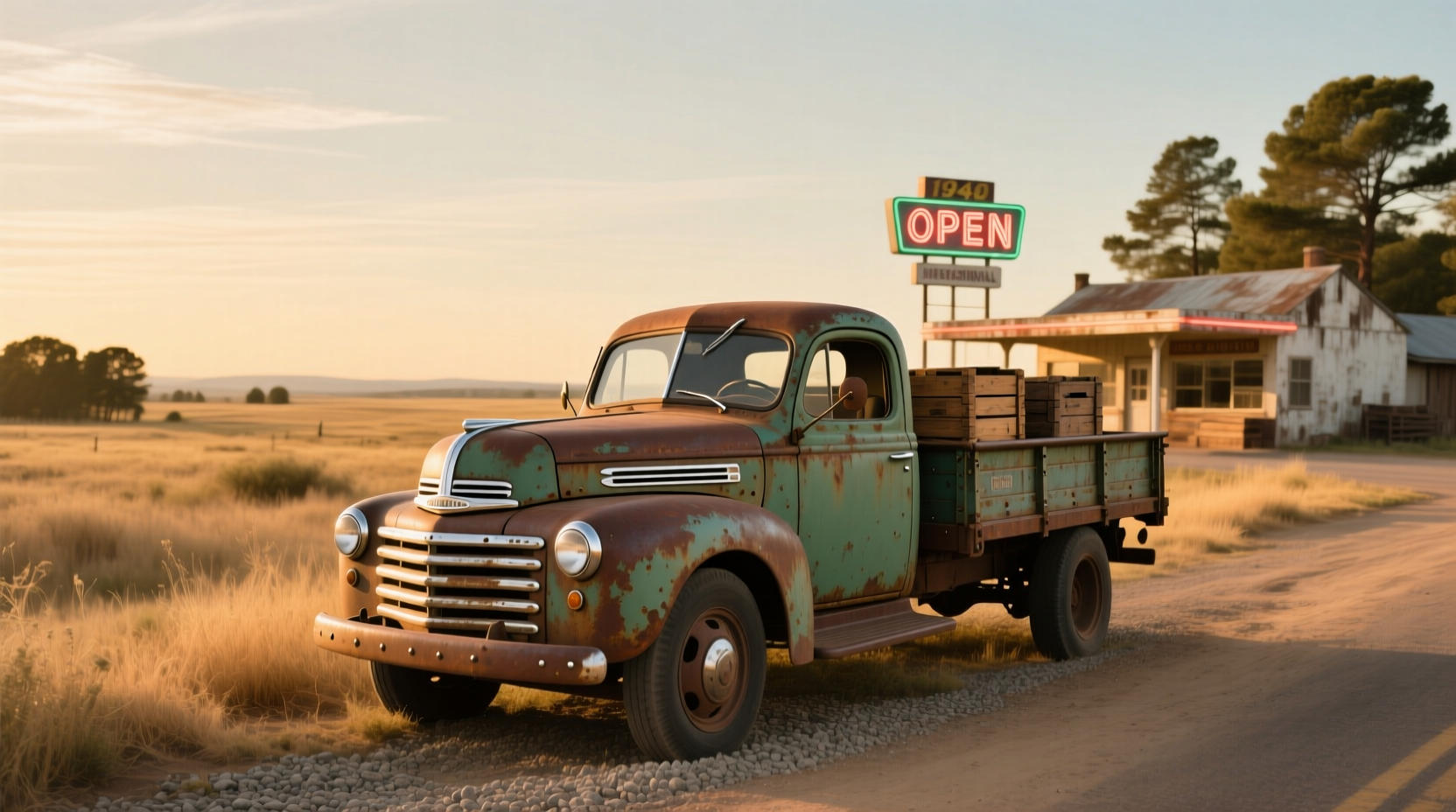
Prices for 1938 International D-2 pickups vary significantly based on condition, provenance, and geographic market. Running, unrestored examples typically range from $18,000 to $30,000. Professionally restored models with verified history can reach $45,000 or more at auction. Values may vary by region/model/seller—Midwest and Plains states often see higher demand due to agricultural heritage.
Unlike mass-produced Fords of the era, D-2s had lower production volumes, enhancing scarcity. However, active owner clubs and online forums help stabilize pricing through transparent transactions. Always check recent sale results on platforms like Bring a Trailer or Hemmings before bidding.
Top-Seller & Competitive Analysis
The 1938 D-2 competed directly with the Ford Model 75 and Chevrolet AK Series. While Ford led in sales volume and Chevy offered smoother styling, IHC emphasized build quality and load capacity.
| Model | Strengths | Weaknesses |
|---|---|---|
| 1938 International D-2 | Rugged frame, reliable six-cylinder, strong aftermarket support | Heavier than rivals, less refined interior |
| 1938 Ford Model 75 | Wider dealer network, simpler mechanics, high parts availability | Less torsional rigidity, prone to body flex |
| 1938 Chevrolet AK | Sleek ‘Waterfall’ grille, better ride comfort | Lower ground clearance, weaker stock axles |
Customer Feedback Synthesis
Owners consistently praise the D-2’s straightforward mechanics and commanding road presence. Frequent positives include ease of wrenching, availability of service manuals, and community support through clubs like the International Harvester Collectors Association.
Common complaints involve brake performance (typical for 1930s drums), difficulty finding exact-match paint codes, and sourcing NOS (New Old Stock) trim. Some note that while the truck turns heads, long-distance driving is fatiguing due to noise and vibration.
Sourcing & Supplier Tips
Primary sources include online auctions, estate sales, and specialty dealers focusing on pre-war vehicles. Reputable suppliers for reproduction parts include Inline Tube and My12Volt for electrical upgrades, and Steele Rubber for seals and bushings.
When sourcing:
- Contact the International Harvester Club for member referrals
- Use VIN decoders to confirm model year and plant origin
- Request high-resolution photos of undercarriage and engine bay
- Confirm return policy before wiring funds—many sales are “as-is”
Maintenance, Safety & Legal Considerations
Maintenance is mechanical and predictable: lubricate steering linkages monthly, adjust valves per manual intervals, and inspect belts and hoses regularly. Fuel stabilizer is recommended if stored more than 30 days.
Safety considerations include lack of seat belts, minimal crash protection, and 6-volt lighting that may not meet modern visibility expectations. Retrofitting turn signals or LED bulbs may be necessary depending on local regulations.
To ensure compliance:
- Check manufacturer specs against state requirements for antique vehicles
- Verify retailer return policy for purchased parts
- Confirm local regulations regarding emissions exemptions for pre-1950 vehicles
Conclusion
If you need a mechanically honest classic truck with strong identity and manageable complexity, choose the 1938 International D-2. Its combination of industrial durability and period styling offers a rewarding ownership experience without unnecessary complications. If you’re a typical user, you don’t need to overthink this—focus on frame integrity and drivetrain function, and everything else can follow.




 浙公网安备
33010002000092号
 浙B2-20120091-4