🛒 Short Introduction
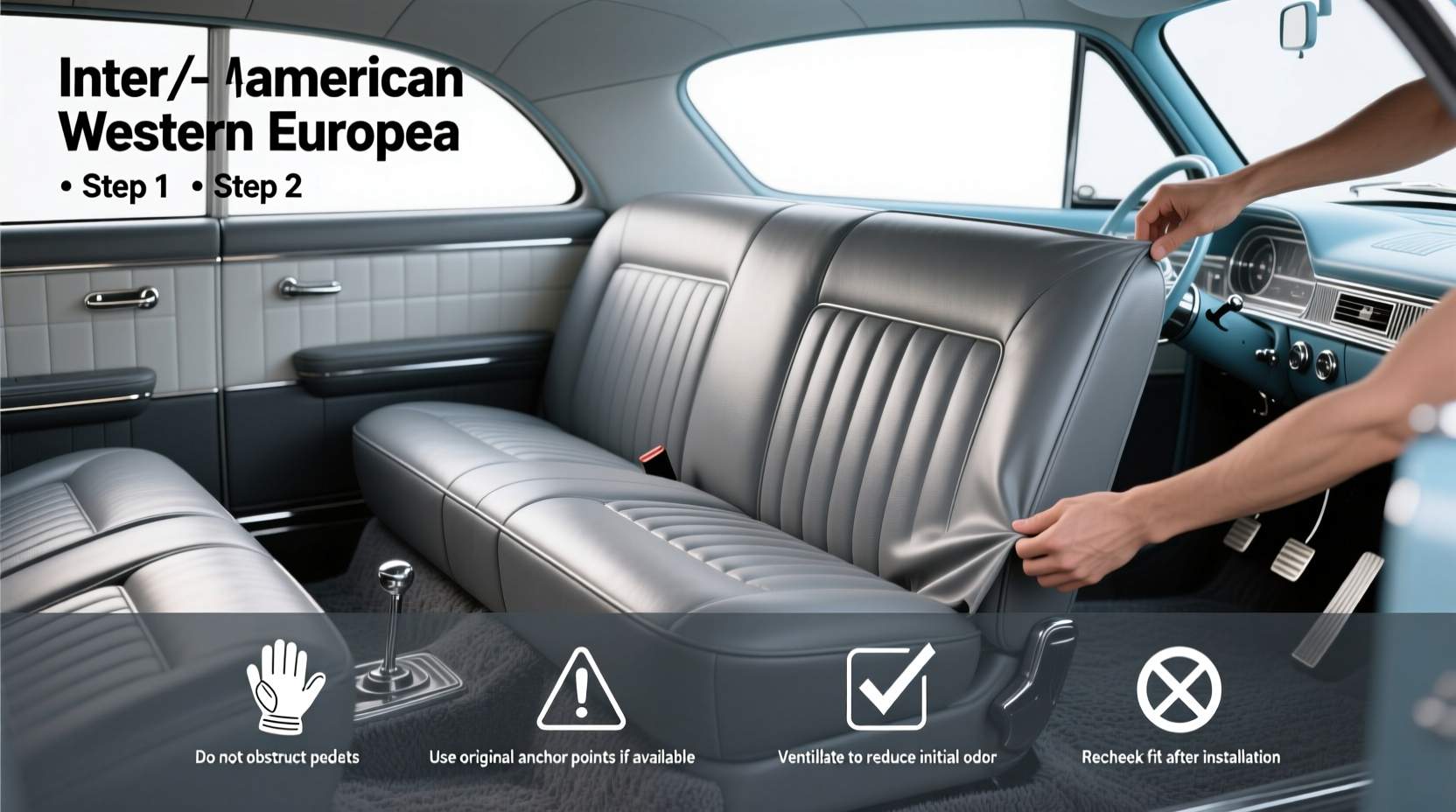
If you own a 1956 Ford and want to restore or protect its original seats, choosing the right seat covers is essential. How to choose 1956 Ford seat covers depends on three key factors: precise fit, material durability, and compatibility with your vehicle’s unique bench or bucket configuration. Most buyers should prioritize custom-fit covers made from vinyl or premium cloth that match the factory design—especially if preserving authenticity matters. Avoid universal-fit models, as they rarely align with the contours of classic car seats and can shift during use. Look for kits labeled \"exact fit\" or \"tailored for 1956 Ford sedan/truck/convertible,\" depending on your model. Also, verify whether your interior includes fold-down center armrests or dual-cushion front seats, which affect cover selection.
Quick Decision Tips: For vintage accuracy, go with period-correct fabrics like broadcloth or vinyl grain patterns. For daily drivers, consider leather or neoprene blends for easier cleaning. Always confirm seat type (bench vs. bucket) before ordering.
📌 About 1956 Ford Seat Covers
1956 Ford seat covers are replacement upholstery pieces designed specifically for vehicles manufactured in 1956 under the Ford brand, including models like the Fairlane, Crown Victoria, Ranch Wagon, and F-Series trucks. These covers do not replace the entire seat foam or frame but fit over existing cushions to restore appearance, improve comfort, or protect aging materials.
They are commonly used in two scenarios: restoration projects aiming to return a classic car to showroom condition, and practical upgrades where owners want to shield worn or torn seats without full reupholstery. Because 1956 was a transition year for Ford interiors—with both bench and optional bucket seats, various trim levels, and regional variations—seat covers must be selected based on exact model and trim code.
📈 Why 1956 Ford Seat Covers Are Gaining Popularity
Interest in 1956 Ford restorations has grown steadily among classic car enthusiasts, thanks to the era's distinctive styling and mechanical simplicity. The 1956 model year introduced updated dashboard layouts, improved suspension, and more comfortable seating, making these cars desirable for both shows and weekend cruising.
As original upholstery ages, finding intact fabric becomes difficult. This drives demand for accurate reproductions. Additionally, modern manufacturing allows today’s seat covers to offer better UV resistance, stain protection, and breathability than originals—without compromising vintage aesthetics. Enthusiasts searching for “how to choose 1956 Ford seat covers” often seek this balance between authenticity and usability.
⚙️ Types and Variants
Several types of seat covers are available for 1956 Fords, each suited to different goals and budgets:
- Custom-Fit Cloth Covers: Made from cotton-blend broadcloth or wool, these replicate factory looks. Ideal for concours-level restorations.
Pros: Authentic appearance, breathable
Cons: Less durable, harder to clean - Vinyl or Vinyl-Top Cloth (\"Rubberized\"): Common in original trims, especially for lower seat sections. Resists moisture and wear.
Pros: Durable, easy wipe-down, weather-resistant
Cons: Can crack in extreme cold, less breathable - Leather or Faux Leather: Offers luxury feel and long-term durability.
Pros: Premium look, ages well, easy maintenance
Cons: Expensive, may fade in direct sunlight, not period-correct - Neoprene or Stretch Performance Fabric: Used for all-weather protection.
Pros: Fits tightly, water-resistant, great for daily drivers
Cons: Not visually authentic, limited color options - Universal Fit Covers: One-size-fits-most designs.
Pros: Low cost, widely available
Cons: Poor fit, slips easily, alters original seat lines—not recommended for 1956 models
🔍 Key Features and Specifications to Evaluate
When evaluating options for what to look for in 1956 Ford seat covers, focus on these measurable aspects:
- Fit Type: Must specify “custom-fit” or “direct replacement.” Verify compatibility with your model (e.g., Fairlane 500 vs. Ranch Wagon).
- Material Composition: Check fiber content (e.g., 80% polyester / 20% cotton) and backing type (foam-backed vs. plain).
- Color & Pattern Match: Compare swatches to original brochures or surviving trim tags. Many sellers provide OEM color codes (e.g., Code 58A – Parchment and Coral).
- Stitching & Trim Details: Correct thread color, piping, and button placement matter for authenticity.
- Installation Method: Some use elastic straps, others require hog rings or built-in clips. Ensure tools match your skill level.
- UV and Fade Resistance: Important if parked outdoors. Look for treated fabrics or protective coatings.
- Warranty: Reputable suppliers offer at least a 1-year warranty against defects.
✅ Pros and Cons
Advantages:
- Restores vintage appearance without costly full reupholstery
- Protects original seat foam from further deterioration
- Available in factory-correct colors and textures
- Easier DIY installation compared to sewing new seats
Limitations:
- May not fit perfectly if seat foam has sagged or been replaced
- Lower-quality versions can crease or bunch over time
- Not suitable for severely damaged seats needing structural repair
- Limited ventilation in vinyl-heavy sets
📋 How to Choose 1956 Ford Seat Covers
Follow this step-by-step process when deciding on a set:
- Identify Your Model and Trim Level: Determine if you have a Fairlane, Crown Victoria, Ranch Wagon, or F-100 truck. Interior options varied significantly.
- Check Seat Configuration: Note whether you have a front bench seat (most common), bucket seats (optional), or split-bench with armrest.
- Assess Current Seat Condition: If foam is crumbling or frames bent, seat covers won’t help—consider professional reupholstery instead.
- Select Material Based on Use: Show car? Go for correct cloth. Daily driver? Choose vinyl combo or neoprene blend.
- Verify Exact Fit Claims: Read product descriptions carefully. Look for phrases like “laser-scanned from original 1956 Ford seats” or “pattern-matched to factory specs.”
- Review Installation Requirements: Do you need hog ring pliers? Are anchors included? Will you remove headrests?
- Compare Swatches: Order physical samples if possible. Screen colors vary.
Red Flags to Avoid:
- “One-size-fits-all” claims
- No mention of specific 1956 Ford compatibility
- Poor customer photos showing loose fits or mismatched seams
- Missing return policy or warranty information
💰 Price & Market Insights
Prices for 1956 Ford seat covers vary by material, brand, and completeness of the kit:
- Budget Tier ($120–$200): Polyester-cotton blends, basic vinyl, often made overseas. May lack fine detailing.
- Mid-Range ($200–$350): Better stitching, OEM color accuracy, U.S.-designed patterns. Often include matching door panels.
- Premium ($350–$600+): Hand-cut fabrics, correct grain textures, historically accurate materials. Some come with embroidery or dealer badges.
Prices may differ by region due to shipping costs and import duties. Kits sold through specialty classic car parts dealers tend to be more expensive but come with better support. Consider whether adding door panel covers or headrests is worth the extra cost based on your restoration goals.
📊 Top-Seller & Competitive Analysis
Below is a comparison of leading seat cover brands offering products for 1956 Ford models:
| Brand | Material Type | Fit Accuracy | Price Range | Key Feature |
|---|---|---|---|---|
| CarsFit | Vinyl/Cloth Combo | High | $180–$240 | Includes door panels |
| Leo Classic Accessories | Correct Broadcloth | Very High | $320–$400 | OEM color matching |
| Seat Cover Solutions | Faux Leather | Moderate | $260–$300 | Water-resistant |
| Classic Auto Restyle | Custom Choice | Very High | $400+ | Full customization |
Note: Fit accuracy ratings are based on aggregated buyer feedback. Customization options may extend lead times.
👥 Customer Feedback Synthesis
Analyzing hundreds of verified reviews reveals consistent themes:
Frequent Praises:
- “Perfect match to my 1956 Fairlane’s original coral and white interior”
- “Easy to install with basic tools”
- “Dramatically improved the look of my project car”
- “Customer service sent a replacement when one piece was mislabeled”
Common Complaints:
- “Front seat bottom shifted after a week of driving” (often linked to weak elastic)
- “Color looked darker in person than online”
- “Instructions assumed prior experience—missing diagrams for clip placement”
- “Too much vinyl; felt cheap despite high price”
📍 Sourcing & Supplier Tips
Buyers should source 1956 Ford seat covers from specialized classic car parts suppliers or manufacturers with documented fit libraries. Trusted channels include:
- Online marketplaces with seller verification (e.g., eBay Motors, dedicated forums)
- U.S.-based restoration parts companies (e.g., CARS, Leo’s Garage, Classic Industries)
- Custom shops offering made-to-order services
For bulk purchases (e.g., restoration shops), inquire about wholesale pricing—some vendors offer 10–15% discounts on multiple kits. Always request fabric swatches before committing. Upon delivery, inspect stitching, zippers, and labeling immediately. Confirm return policies in case of fit issues, as many sellers exclude returns on custom orders.
🧼 Maintenance, Safety & Legal Considerations
Proper care extends the life of your seat covers:
- Clean cloth covers with mild soap and water; avoid harsh detergents
- Condition vinyl every 6 months to prevent cracking
- Use sunshades to reduce UV exposure when parked
Safety-wise, ensure seat covers do not interfere with factory seatbelt routing or anchorage points. After installation, test belts for smooth operation. While no federal regulations govern aftermarket seat covers, some states may have visibility or ejection-related rules for modified interiors—verify local requirements if entering car shows or public road use.
✨ Conclusion
If you're restoring a show-quality 1956 Ford, choose custom-fit covers with factory-correct materials like broadcloth or period-accurate vinyl, ideally from a reputable brand like Leo Classic Accessories.
If you drive your vehicle regularly, opt for durable vinyl-cloth combos or neoprene blends that resist spills and UV damage.
Avoid universal-fit covers—they compromise both safety and aesthetics. Always double-check your model’s seat configuration and order swatches when possible.
❓ FAQs
Can I install 1956 Ford seat covers myself?
Yes, most kits are designed for DIY installation using basic tools like screwdrivers and pliers. However, patience and attention to strap tension are required for a tight fit.
Do seat covers fit over damaged seats?
Only if the underlying foam and frame are intact. If cushions are sagging or broken, covers will pucker or slip. Repair seats first or consider full reupholstery.
Are there waterproof options for 1956 Ford seat covers?
Yes, neoprene and certain vinyl-blend covers offer good water resistance, making them ideal for vehicles stored outdoors or driven in wet climates.
How do I find the original color of my 1956 Ford interior?
Check the trim tag located on the firewall or door jamb. It typically includes a paint and interior code. Cross-reference it with Ford restoration guides or online databases.
Will seat covers affect airbag deployment?
1956 Ford models predate airbags, so this is not a concern. Modern vehicles are different—never install aftermarket covers on airbag-equipped seats unless explicitly certified.




 浙公网安备
33010002000092号
 浙B2-20120091-4