
If you’re looking at a 1965 Chevrolet C10, start by assessing its condition, bed length, and body style—these three factors determine 80% of its value. For most buyers, a solid original or well-restored long-bed Fleetside in the $30,000–$50,000 range offers the best balance of usability and investment potential. Skip trucks with rusted frames or poorly executed modifications unless priced as project vehicles. If you’re a typical user, you don’t need to overthink this: focus on structural integrity first, then aesthetics. What to look for in a 1965 Chevy truck? Prioritize frame condition over paint quality—replacement panels exist, but a bad chassis is a dealbreaker.
About the 1965 Chevrolet C10
The 1965 Chevrolet C10 belongs to the eighth generation of GM’s full-size pickup line, known among enthusiasts as the “C/K series.” This model year marked the final update before a major redesign in 1967, making it a transitional design with clean lines, simple mechanics, and strong aftermarket support. It was offered in both Fleetside (smooth-sided) and Stepside (bed with external fenders) configurations, with wheelbases ranging from 115 to 131 inches depending on bed length. Standard engines included inline-six and small-block V8 options, though many have since been upgraded.
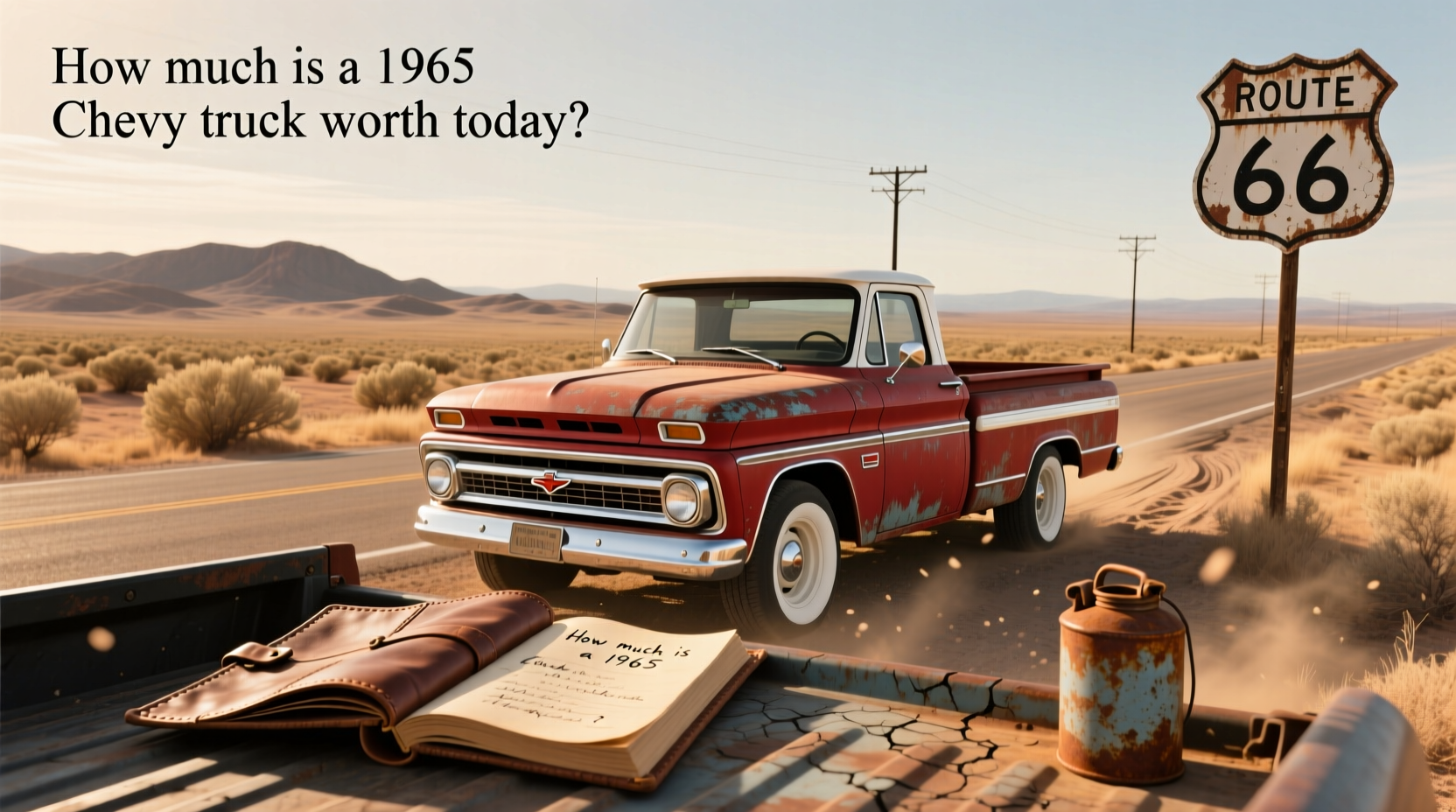
Unlike modern trucks built for tech integration and towing capacity, the '65 C10 appeals for its simplicity and visual appeal. It doesn't promise daily-driver reliability out of the box, nor does it come with warranties or digital diagnostics. Instead, it delivers mechanical transparency and customization flexibility. Restoration ranges from mild preservation of factory components to full custom builds with modern suspensions and fuel-injected powertrains.
Why the 1965 C10 Is Gaining Popularity
Lately, interest in mid-1960s American trucks has grown—not because they’ve suddenly become more functional, but because collector sentiment has shifted toward attainable classics. Over the past year, search volume and marketplace activity for 1965 models have increased steadily 1. The change signal isn’t performance or rarity—it’s accessibility. Compared to pre-’55 hot rods or ultra-rare muscle trucks, the C10 sits in a sweet spot: enough parts availability to make ownership manageable, yet distinctive enough to stand out at shows.
This isn’t nostalgia chasing perfection. It’s practical appreciation for a platform that can be driven, modified, and maintained without requiring museum-level budgets. If you’re a typical user, you don’t need to overthink this: the rise in attention reflects real demand, not speculative hype. People are buying these trucks to use them—not just display them.
Types and Variants
The 1965 C10 came in several configurations, each with trade-offs between utility, desirability, and cost.
| Variant | Pros | Cons | Best For |
|---|---|---|---|
| Fleetside (Long Bed) | Easier to restore; more aftermarket support; better cargo access | Less visually unique; lower collector premium | Daily drivers, light hauling, budget builds |
| Stepside (Long Bed) | Classic look; wider stance; favored by purists | Narrower bed; harder-to-find replacement panels | Show trucks, traditional restorations |
| Short Bed (Fleetside or Stepside) | Rarer; higher resale; preferred for customs | Premium pricing; less practical for hauling | Collectors, show circuits, Instagram builds |
| "Big Window" Models | Larger rear glass improves visibility; sought after by collectors | Only available on certain trims; adds 15–25% to value | Enthusiasts prioritizing originality and aesthetics |
When it’s worth caring about: If you plan to resell or enter shows, variant choice matters significantly. When you don’t need to overthink it: If you want a driver-grade truck for weekend use, any solid example will serve you well regardless of subtype.
Key Features and Specifications to Evaluate
Don’t get distracted by shiny bumpers or leather interiors. Focus instead on four core areas:
- Frame and Floor Condition: Look for rust, especially near cab mounts and bed corners. A straight, uncut frame is non-negotiable for safety and alignment.
- Engine and Drivetrain: Original engines hold charm, but many buyers prefer a reliable LS swap or rebuilt small block. Verify transmission type—automatic vs. manual affects drivability.
- Bed Type and Glass Configuration: Short beds and “big window” setups command premiums. Confirm authenticity if claimed.
- Braking System




 浙公网安备
33010002000092号
 浙B2-20120091-4