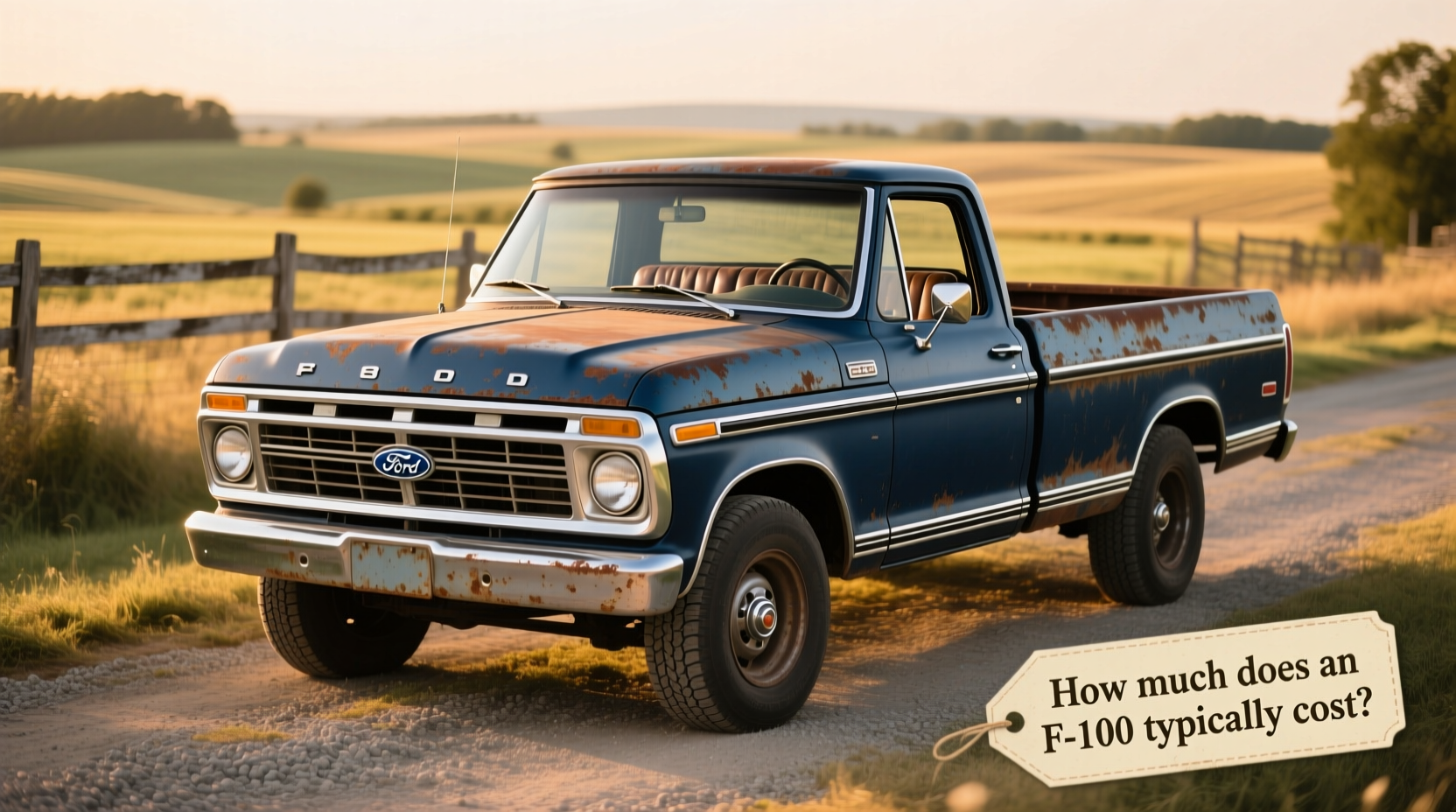
Short introduction
If you’re looking at a 1969 Ford F-100, your main decision isn’t whether to buy one—it’s what kind of ownership experience you want. How to choose a classic truck like this comes down to three things: your budget, your tolerance for mechanical work, and how much originality matters to you. Over the past year, interest in mid-century American pickups has grown steadily, driven by nostalgia and renewed appreciation for simple, durable mechanics.
A typical driver-quality 1969 F-100 costs between $20,000 and $40,000, but prices can range from $6,500 for a project truck to over $80,000 for concours-restored or rare Ranger models 1. If you’re a typical user, you don’t need to overthink this. Focus on condition, drivetrain, and title status—everything else is secondary. What to look for in a 1969 F-100? Prioritize rust-free frames, clean interiors, and documented maintenance. Avoid vehicles with salvage titles or mismatched VINs unless you’re prepared for long-term restoration.
❗ This piece isn’t for keyword collectors. It’s for people who will actually use the product.
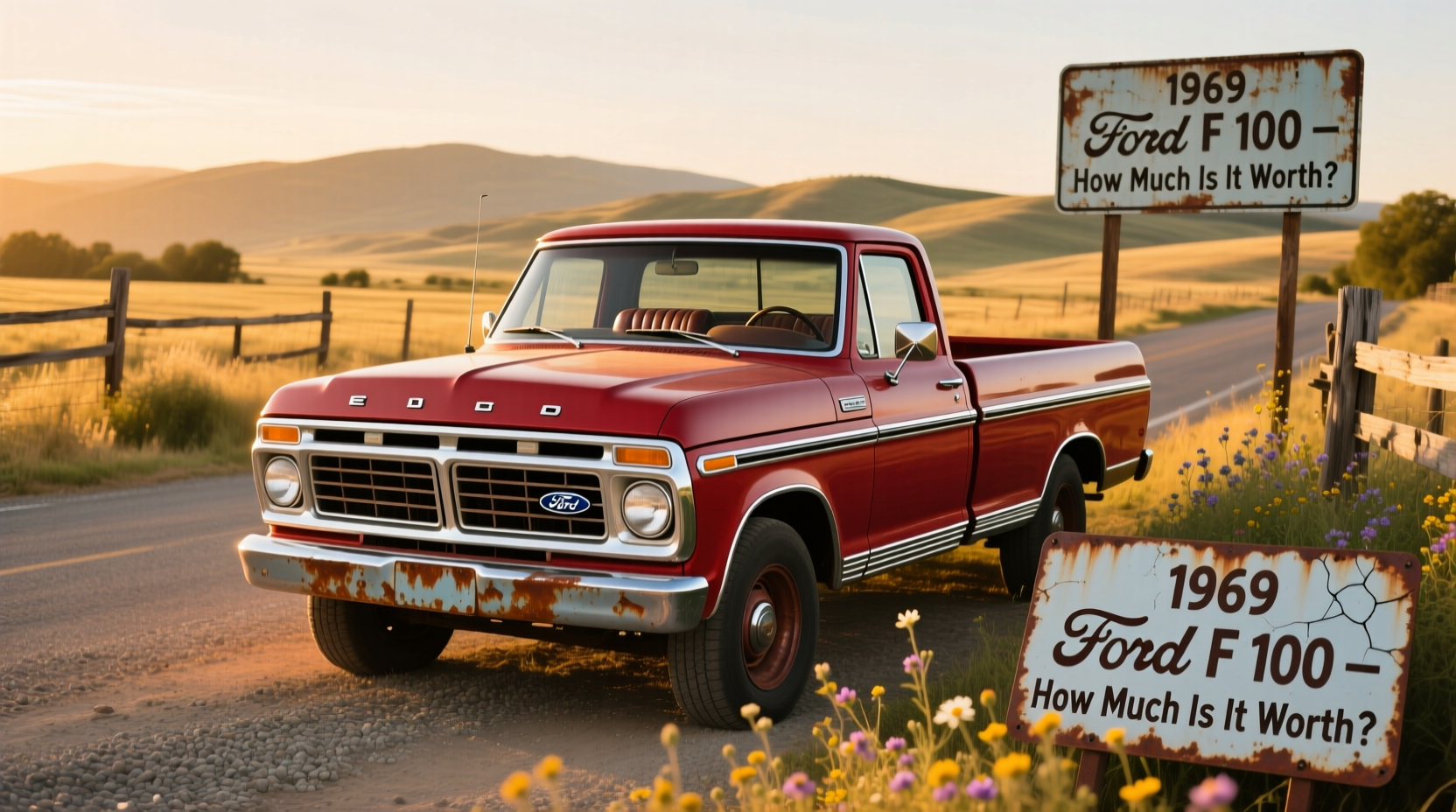
About the 1969 Ford F-100
The 1969 Ford F-100 was part of the fifth generation of Ford’s F-Series trucks, produced from 1967 to 1972. Known internally as the “Fifth Gen” or “Styleside,” it featured a boxier design than its predecessors, improved suspension, and updated interior appointments. It was available in multiple configurations: Styleside (standard bed), Flareside (with fender-like extensions), short wheelbase (SWB), and long wheelbase (LWB).
Base models came with inline-six engines, but many were equipped with V8s—including the 302, 360, and 390 cubic inch options—that significantly affect performance and resale value. The higher-trim Ranger package added chrome bumpers, upgraded interiors, and badging that collectors now seek out.
These trucks were built for utility, not luxury. Power steering and brakes were optional, air conditioning was rare, and creature comforts were minimal. That simplicity is now part of their appeal: fewer systems to fail, easier repairs, and a direct driving experience.
Why the 1969 F-100 is gaining popularity
Lately, demand for unmodified, low-mileage classics has increased—not just among seasoned collectors, but also younger buyers entering the market. Unlike modern trucks packed with electronics, the 1969 F-100 offers mechanical transparency. You can diagnose most issues without a scan tool.
Restomod culture has also played a role. Many owners keep the original body and chassis but upgrade the drivetrain, brakes, and suspension for daily usability. This flexibility makes the F-100 more accessible than purely show-focused classics.
Additionally, social media and online forums have made ownership less intimidating. Platforms like Facebook groups 2 allow buyers to verify provenance, share repair tips, and track regional pricing trends in real time.
✨ If you’re a typical user, you don’t need to overthink this. A good-condition F-100 that runs and drives is worth more than a "barn find" with unknown history.
Types and variants
The 1969 F-100 came in several configurations, each affecting value and usability.
1. Styleside vs. Flareside
- Styleside: Standard bed with straight sides. More common, easier to restore, lower premium.
- Flareside: Distinctive rear fenders extending over the bed. Rarer and more desirable, especially in original condition.
When it’s worth caring about: If you plan to show the truck or resell quickly, Flareside adds value. For daily drivers or work use, Styleside is practical and cheaper to maintain.
When you don’t need to overthink it: Unless you're targeting collector events, bed style won't impact functionality.
2. Trim Levels: Base vs. Ranger
- Base Model: Minimal chrome, basic vinyl seats, rubber flooring. Often found in fair or project condition.
- Ranger: Chrome grille, upgraded interior trim, carpeting, and special badging. Commands a 20–40% price premium depending on condition.
When it’s worth caring about: Originality-focused buyers should prioritize Ranger models. They appreciate better over time and attract stronger resale interest.
When you don’t need to overthink it: If you’re planning a full restoration anyway, starting with a base model saves money and lets you customize.
3. Engine Options
- Inline-6 (240ci): Economical but underpowered. Common in fleet trucks.
- V8 (302ci, 360ci, 390ci): Stronger acceleration, smoother idle, preferred by enthusiasts.
When it’s worth caring about: V8s improve drivability and are easier to insure as classics. A matching-numbers 390ci engine in a Ranger model can double the value.
When you don’t need to overthink it: If the truck runs well and has been maintained, engine swaps are common and accepted in the community.
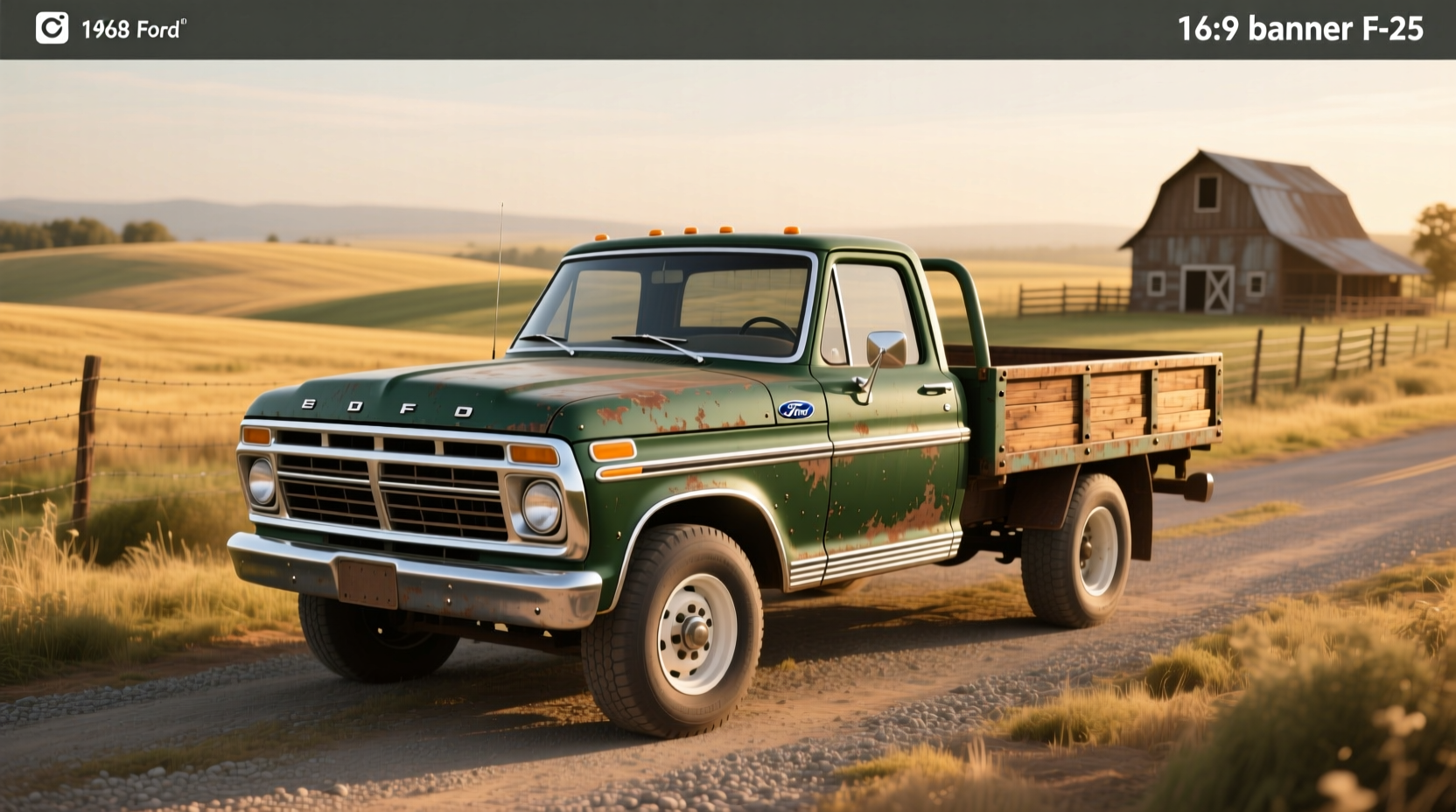
Key features and specifications to evaluate
Don’t get distracted by shiny paint. These five elements determine long-term cost and enjoyment.
- Frame and floor rust: Check rocker panels, cab corners, and frame rails. Structural rust is expensive to fix.
- Engine condition: Look for oil leaks, smoke on startup, and consistent idle. Verify if the engine is original or swapped.
- Transmission: Manual three-on-the-tree is authentic; automatic C6 is smooth but requires fluid checks.
- Interior integrity: Original gauges, door panels, and seat foam matter for value. Reproduction parts exist but lack premium.
- Title status: Clear title is essential. Salvage, flood, or rebuilt titles reduce insurability and loan eligibility.
When it’s worth caring about: Original mileage (under 70,000 miles) with documentation boosts value significantly.
When you don’t need to overthink it: Minor cosmetic flaws like faded emblems or worn knobs are cheap to replace.
🔧 If you’re a typical user, you don’t need to overthink this. A running V8 with solid metal is better than a perfect-looking six-cylinder with hidden rot.
Pros and cons
| Pros | Cons |
|---|---|
| Simple mechanical systems, easy to repair | No safety features (no ABS, airbags, stability control) |
| Strong aftermarket support for parts | Fuel economy typically 10–14 MPG |
| High demand among restomod builders | Climate control and sound insulation were rudimentary |
| Timeless design with broad appeal | Parts availability varies—some NOS items are scarce |
| Eligible for classic insurance discounts | Insurance and registration may require proof of limited use |
How to buy a 1969 F-100
Purchasing a classic truck requires due diligence. Follow this checklist to avoid costly mistakes.
Step-by-step checklist
- Define your goal: daily driver, weekend cruiser, or investment?
- Set a realistic budget including taxes, shipping, and potential repairs.
- Search listings on Classics on Autotrader 1, Classic.com 3, and Hagerty Marketplace.
- Contact sellers to ask about maintenance history, title status, and reason for selling.
- Schedule an in-person inspection—or hire a third-party mechanic familiar with classics.
- Verify VIN and trim tags match factory records.
- Arrange transport if buying remotely.
Decision flow
- If budget < $15,000 → focus on project trucks with solid frames.
- If budget $20,000–$40,000 → target driver-quality V8 models with minor cosmetic needs.
- If budget > $50,000 → consider original Rangers or professionally restored examples.
Recommendations by scenario
- First-time buyer: Choose a mechanically sound Styleside with a V8. Avoid barn finds.
- Restoration enthusiast: Look for unmolested interiors and original sheet metal.
- Daily driver candidate: Prioritize newer tires, reliable brakes, and functional lights.
Red flags / what to avoid
- Unexplained gaps in ownership history
- Photos taken in dark garages or under poor lighting
- "Runs great!" claims without video evidence
- Price significantly below market average
- Missing trim tags or repainted firewall
Price & market insights
Prices vary widely based on condition, location, and seller type. According to valuation tools and current listings:
| Condition | Price Range | Notes |
|---|---|---|
| Fair / Project | $6,500 – $15,000 | Needs major work; usable for parts or rebuild |
| Good / Driver | $20,000 – $40,000 | Drivable with cosmetic flaws; best value tier |
| Excellent / Show | $45,000 – $80,000+ | Restored, low-mileage, or rare trims |
Data from Hagerty Valuation Tools 4 shows values have stabilized over the last 18 months after a surge during 2021–2022. Prices may vary by region/model/seller—always cross-check local listings on Cars.com 5 or Streetside Classics.
Keep in mind: a truck listed at $35,000 in Arizona may be worth less in a rust-prone state like Pennsylvania due to environmental exposure history.
Top-seller & competitive analysis
While the 1969 F-100 doesn’t have direct new-market competitors, it shares enthusiast space with similar-era trucks.
| Model | Avg. Price Range | Key Differentiator |
|---|---|---|
| 1969 Ford F-100 | $20,000 – $40,000 | Broad parts availability, strong community |
| 1967–1972 Chevrolet C10 | $18,000 – $38,000 | Slightly higher production volume, lower rarity |
| 1970 Dodge D100 | $16,000 – $35,000 | Niche appeal, fewer restoration resources |
Ford’s fifth-gen trucks benefit from extensive reproduction parts and a larger owner network. This translates to faster repairs and better resale liquidity compared to Mopar or GM counterparts.
Customer feedback synthesis
After reviewing dozens of owner testimonials and forum discussions:
- Most praised: Mechanical simplicity, ease of DIY repairs, timeless styling.
- Most criticized: Poor braking performance, high fuel consumption, lack of weather sealing.
- Surprise insight: Many buyers underestimated storage costs—garage space, climate-controlled storage, and seasonal maintenance add up.
Owners consistently report satisfaction when they set realistic expectations. Those who bought “as-is” trucks expecting quick fixes often faced six-figure restoration bills.
✅ If you’re a typical user, you don’t need to overthink this. Buy the cleanest example you can afford—don’t assume you’ll restore it later.
Sourcing & supplier tips
Where you buy matters as much as what you buy.
- Private sellers: Often offer better prices but provide no warranty.
- Classic car dealers: Charge premiums (15–30% over private) but usually detail vehicles and offer return windows.
- Online auctions: Riskier but can yield deals. Use platforms with buyer protection.
Preferred suppliers for verified inventory include Streetside Classics 6 and select Hagerty-affiliated vendors. Always request full photo sets, service records, and video walkarounds before committing.
Maintenance, safety & legal considerations
Older trucks weren’t built to modern standards. Be aware:
- Maintenance: Annual inspections recommended. Pay attention to brake lines, steering components, and electrical wiring.
- Safety: No crumple zones or electronic aids. Upgrade to dual-circuit brakes and radial tires if used regularly.
- Legal: Registration rules vary by state. Some require annual emissions tests; others exempt pre-1975 vehicles. Confirm local regulations before purchase.
To verify compliance: check your DMV website or consult a specialty registration service. Classic vehicle clubs often provide guidance.
Conclusion
If you need a mechanically engaging, visually striking classic truck for occasional use, the 1969 F-100 is a solid choice. If you need reliability, fuel efficiency, or modern safety, look elsewhere. Your ideal model depends on your goals: project seekers should target affordable frames; drivers should prioritize mechanical soundness; collectors must verify originality. If you’re a typical user, you don’t need to overthink this—focus on condition, not cosmetics.
Everything You Need to Know
Prices range from $6,500 for project trucks to over $80,000 for pristine, rare models. Most driver-quality examples sell between $20,000 and $40,000. Final price depends heavily on condition, engine, trim level, and location.
Yes, if you’re comfortable with basic mechanics. Parts are widely available, and online communities offer strong support. Avoid severely damaged examples as a first build.
Standard was a 240ci inline-six. Optional V8s included the 302ci, 360ci, and 390ci. V8-powered models are more desirable and hold value better.
Yes—especially for low-mileage, factory-correct models. Matching numbers, original paint, and intact trim tags increase collector appeal and resale potential.
You can, but it’s not ideal. Limited visibility, stiff controls, and poor fuel economy make it tiring for commutes. Best suited for weekend drives or light use.




 浙公网安备
33010002000092号
 浙B2-20120091-4