
Short introduction
If you’re asking how much a 1972 GMC Jimmy is worth, the answer isn’t simple—but for most buyers, it comes down to condition, drivetrain, and authenticity. Over the past year, interest in full-size vintage SUVs has grown, especially among collectors who want a functional classic with presence. A typical driver-quality 1972 GMC Jimmy sells between $19,000 and $45,000, while pristine or rare models—especially 2WD versions—can exceed $100,000 1. What to look for in a 1972 GMC Jimmy? Focus on frame integrity, rust history, and whether the engine is original or upgraded. Avoid trucks with hidden water damage or poorly executed restorations—they cost more to fix than they’re worth.
If you’re a typical user, you don’t need to overthink this. Most people buying a 1972 GMC Jimmy aren’t looking for a showpiece; they want a rugged, usable vehicle that turns heads without breaking down. So prioritize mechanical reliability over cosmetic perfection. This piece isn’t for keyword collectors. It’s for people who will actually use the product.
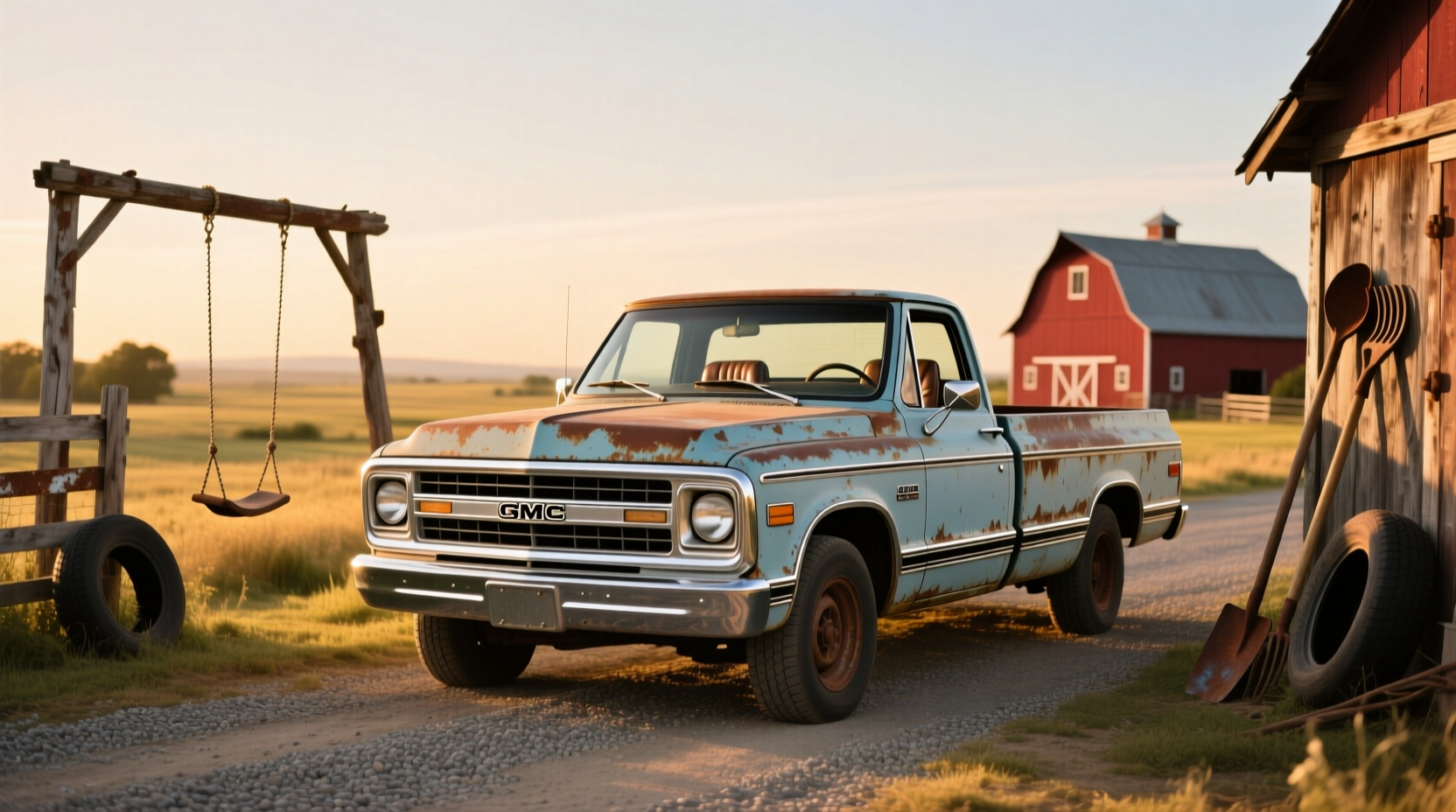
About 1972 GMC Pickup Trucks
The 1972 model year marked the final year of the first-generation Chevrolet K5 Blazer and its GMC Jimmy twin. Built on a shortened pickup truck chassis, these full-size SUVs offered rugged off-road capability, spacious interiors, and strong V8 power. While Chevrolet sold more Blazers, the GMC Jimmy stood out with slightly more upscale trim options like the Cheyenne package. Both shared the same basic platform: body-on-frame construction, solid axles, and either two- or four-wheel drive.
Production numbers were relatively low compared to modern SUVs. For example, only about 3,357 two-wheel-drive Jimmys were made in 1972, making them rare today 2. That rarity now drives value, especially when paired with good condition or thoughtful modifications. The standard engine was a 350 cubic inch V8, though some came with larger 383 or 454 options. Transmission choices included three-speed manuals or automatics, with four-speed manuals being uncommon.
Why the 1972 GMC Jimmy Is Gaining Popularity
Lately, there’s been a quiet surge in demand for pre-1980 American SUVs. Unlike modern crossovers, vehicles like the 1972 GMC Jimmy offer raw presence, mechanical simplicity, and customization potential. Social media platforms have amplified visibility, with restored examples gaining traction on visual networks. Enthusiasts appreciate the boxy design, high seating position, and compatibility with modern upgrades like fuel injection or overdrive transmissions.
Another factor: rising interest in "restomods"—vehicles that blend vintage aesthetics with contemporary performance. A 1972 Jimmy with a modern LS engine swap can deliver reliable daily driving without sacrificing style. Insurance costs remain manageable for non-show-condition models, and parts availability has improved thanks to niche suppliers and online communities.
If you’re a typical user, you don’t need to overthink this. Trends come and go, but utility doesn’t. The appeal of the 1972 Jimmy lies not in speculation, but in usability. Whether you're using it as a weekend rig or a light work vehicle, its size and durability still make sense in rural or suburban settings.
Types and Variants
The 1972 GMC Jimmy came in several configurations, each with trade-offs.
Two-Wheel Drive (2WD)
- Pros: Lighter weight, better fuel economy, rarer (only ~3,357 produced), often overlooked so potentially lower price
- Cons: Less capable off-road, fewer available today due to lower production
When it’s worth caring about: If you live in a flat, dry climate and want a unique collector piece, 2WD adds exclusivity.
When you don’t need to overthink it: If you plan to drive in snow or rough terrain, skip 2WD—four-wheel drive is far more practical.
Four-Wheel Drive (4x4)
- Pros: Standard configuration, better resale, widely supported by aftermarket parts, capable in all weather
- Cons: Heavier, slightly lower fuel efficiency, more complex maintenance
When it’s worth caring about: For most buyers, 4x4 is essential—it increases versatility and future buyer pool.
When you don’t need to overthink it: Unless you’re building a lightweight cruiser, default to 4x4.
Trim Levels: Custom vs. Cheyenne
- Custom: Base model, minimal chrome, vinyl seats, basic gauges
- Cheyenne: Higher trim, woodgrain accents (optional), upgraded upholstery, additional instrumentation
When it’s worth caring about: Cheyenne trims command higher prices if original and well-preserved.
When you don’t need to overthink it: If restoration is planned, starting with a Custom model saves money and offers flexibility.

Key Features and Specifications to Evaluate
When evaluating a 1972 GMC Jimmy, focus on five core areas:
1. Frame and Body Condition
Rust is the biggest threat. Check the frame rails, floor pans, rocker panels, and rear wheel wells. Surface rust can be managed, but structural corrosion compromises safety and value.
When it’s worth caring about: If planning long-term ownership or resale.
When you don’t need to overthink it: For a short-term project with full restoration intent, moderate rust may be acceptable.
2. Engine and Drivetrain
Original small-block V8s (350ci) are common. Look for signs of overheating, oil leaks, or smoke at startup. Many have been swapped to LS engines—this isn’t automatically bad, but verify installation quality.
When it’s worth caring about: If seeking investment-grade authenticity.
When you don’t need to overthink it: For a driver-quality vehicle, a clean-running LS swap improves reliability.
3. Interior and Trim
Original dashboards often crack under sun exposure. Seats may be reupholstered—ask why. Missing emblems or broken switches are minor; water-stained carpets suggest chronic leaks.
When it’s worth caring about: In show-ready evaluations.
When you don’t need to overthink it: For daily drivers, comfort matters more than factory correctness.
4. Axles and Suspension
Most used Dana 44 front and 12-bolt rear axles. Listen for grinding noises when turning. Lift kits are common—ensure they’re properly installed and don’t strain steering components.
When it’s worth caring about: If towing or frequent off-roading is planned.
When you don’t need to overthink it: Stock suspension is sufficient for paved roads.
5. Title and History
Verify clean title status. Rebuilt or salvage titles reduce loan eligibility and resale value. Ask for service records—even partial histories help assess maintenance habits.
When it’s worth caring about: For any purchase over $30,000.
When you don’t need to overthink it: For sub-$15,000 project trucks, accept higher risk if budget allows repair costs.
Pros and Cons
| Pros | Cons |
|---|---|
| Strong V8 performance with upgrade potential | Poor fuel economy (10–14 mpg typical) |
| Durable body-on-frame construction | Prone to rust, especially in wet climates |
| High aftermarket support for repairs and mods | Heavy braking distance; older brake systems |
| Spacious interior and cargo room | Limited modern safety features (no airbags, ABS) |
| Rising collector interest supports resale | Parts for rare options (like 2WD) can be hard to find |
How to Choose a 1972 GMC Jimmy (Buying Guide)
This guide helps you decide based on your goals—not hype.
Step-by-Step Checklist
- Define your use case: daily driver, weekend toy, or restoration?
- Set a realistic budget including taxes, shipping, and immediate repairs
- Search listings on Classic.com, Classics on Autotrader, and Bring a Trailer
- Inspect in person or hire a third-party inspector ($200–$400)
- Verify VIN, title status, and mileage consistency (TMU = True Mileage Unknown?)
- Test drive: listen for driveline clunks, check steering response
- Negotiate based on observed flaws and market comparables
Decision Flow
- Budget under $20,000: Look for driver-quality 4x4 models needing minor fixes. Prioritize mechanical soundness over paint.
- Budget $20,000–$60,000: Target excellent-condition originals or tasteful restomods. Confirm no major accidents.
- Budget over $60,000: Consider rare variants (e.g., 2WD) or professionally restored Cheyennes. Demand full documentation.
Recommendations by Scenario
- First-time classic owner: Choose a 4x4 Custom model under $25,000 with recent brakes and tires.
- Restoration enthusiast: Find a complete, rust-free donor—even if non-running.
- Show circuit aspirant: Focus on matching-numbers, all-original examples with verifiable history.
Red Flags / What to Avoid
- Unexplained gaps in ownership history
- Repainted bodies hiding filler or rust repair
- "Runs great" claims without service records
- Aftermarket gauges masking electrical issues
- Low tire wear but high reported mileage (possible rollback)
If you’re a typical user, you don’t need to overthink this. A clean title, solid frame, and honest seller matter more than perfect chrome.
Price & Market Insights
Values vary significantly by condition, location, and specification. As of 2024:
- Project/Restoration: $12,000 – $25,000
- Driver Quality (Good): $19,000 – $45,000
- Excellent/Show Ready: $80,000 – $150,000+
Rarity boosts prices: documented 2WD models have sold above $100,000 at auction 2. However, most transactions occur privately or through specialty dealers, so public data may not reflect true volume.
Prices may vary by region/model/seller. Dry southern states often have cleaner examples, while northern regions show more rust. Always compare recent sales, not asking prices. Tools like Hagerty Valuation Tools and Classic.com market data provide benchmarks—but verify locally.
Top-seller & Competitive Analysis
The 1972 GMC Jimmy competes with its sibling, the Chevrolet K5 Blazer, which typically commands similar pricing. Other peers include the Ford Bronco (full-size generation) and International Scout.
| Model | Avg. Driver-Quality Price | Key Advantage | Common Drawback |
|---|---|---|---|
| 1972 GMC Jimmy | $28,000 | Upscale trim options, growing collector appeal | Fewer units produced than Blazer |
| 1972 Chevrolet K5 Blazer | $26,500 | Better parts availability, larger community | More common, less rare |
| 1972 Ford Bronco | $42,000 | Strong aftermarket, iconic status | Higher entry cost, prone to door rust |
| 1972 International Scout | $21,000 | Simpler mechanics, loyal following | Less powerful engines, narrower cabin |
Note: Prices are estimates and may vary by region/model/seller.
Customer Feedback Synthesis
Based on owner forums, auction reviews, and dealer feedback:
- Most praised: Ruggedness, ease of DIY repair, commanding view of the road
- Most criticized: Fuel consumption, heavy steering (without power assist), limited storage in console
- Surprise benefit: Strong community support—owners often share part sources and technical advice freely
- Common regret: Underestimating restoration time and cost, especially for rust repair
Sourcing & Supplier Tips
Buy from reputable sources:
- Auctions: Barrett-Jackson, Mecum (verify inspection reports)
- Dealers: Worldwide Vintage Autos, Earth Motorcars (ask for service history)
- Private sellers: Use Facebook Marketplace, Bring a Trailer (prefer sellers who provide walkaround videos)
For parts, consider:
- RockAuto (OEM-style replacements)
- Kaiser Parts (Blazer/Jimmy specialists)
- Summit Racing (performance upgrades)
If you’re a typical user, you don’t need to overthink this. Start with a complete, running vehicle—even if cosmetically flawed. It’s easier to improve than to finish someone else’s project.
Maintenance, Safety & Legal Considerations
Mechanically, the 1972 Jimmy requires regular attention: fluid changes, brake checks, and steering component inspections. Power brakes and steering were optional—ensure they function if equipped. Tires should meet modern load and speed ratings, even if sized to fit original wheels.
Safety-wise, these vehicles lack airbags, electronic stability control, or crumple zones. Drive accordingly—avoid high-speed collisions. Consider adding seat belts if missing (check local laws).
Legally, emissions requirements vary by state. Some require annual testing; others exempt classics. To confirm local regulations, contact your DMV or visit the official state motor vehicle website. Registration class (standard vs. antique) affects insurance and usage limits.
Conclusion
If you need a durable, head-turning SUV with mechanical charm, the 1972 GMC Jimmy remains a compelling choice. For most users, a driver-quality 4x4 model between $20,000 and $40,000 offers the best balance of cost, usability, and long-term satisfaction. If you’re a typical user, you don’t need to overthink this—focus on condition, not nostalgia. Buy smart, maintain consistently, and enjoy the ride.
Everything You Need to Know
❓ How much is a 1972 GMC Jimmy worth?
Value ranges from $12,000 for project vehicles to over $150,000 for rare, show-quality examples. Most driver-quality trucks sell between $19,000 and $45,000. Final price depends on condition, drivetrain (4x4 preferred), originality, and regional market trends.
❓ What affects the value of a 1972 GMC pickup truck?
Key factors include rust level, engine type (original vs. modern swap), transmission, trim level (Cheyenne > Custom), and verification of mileage. Four-wheel drive models generally hold higher value. Rarity—such as 2WD variants—also increases worth.
❓ Are parts still available for a 1972 GMC Jimmy?
Yes, many parts are still manufactured or reproduced. Companies like Kaiser Parts and RockAuto stock critical components. Mechanical similarities with the Chevrolet K5 Blazer expand sourcing options. However, rare trim-specific pieces may require salvage yards or custom fabrication.
❓ Is a 1972 GMC Jimmy reliable for daily driving?
It can be, if properly maintained. Upgraded brakes, modern tires, and a healthy engine (especially an LS swap) improve safety and drivability. However, expect lower fuel economy and longer stopping distances. Not ideal for high-mileage commuters, but suitable for occasional or suburban use.
❓ Where can I find a 1972 GMC Jimmy for sale?
Check Classic.com, Classics on Autotrader, Bring a Trailer, and Barrett-Jackson auctions. Private listings appear on Facebook Marketplace and specialized forums. Always verify title status and request a personal inspection or third-party report before purchasing.




 浙公网安备
33010002000092号
 浙B2-20120091-4