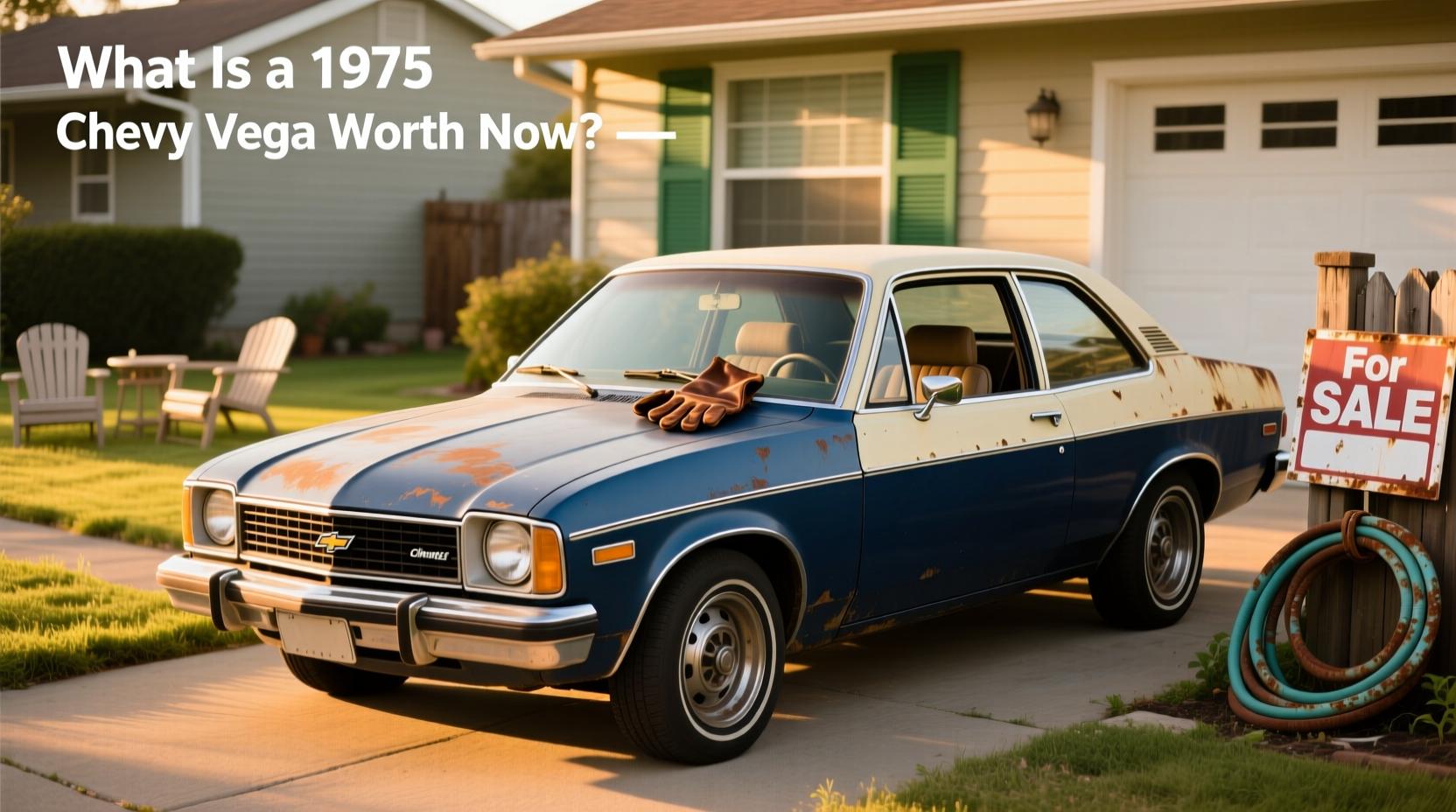
If you’re a typical user, you don’t need to overthink this. Over the past year, interest in compact American muscle and underdog classics has grown—especially around rare or well-preserved models like the 1975 Chevrolet Vega hatchback. How to choose a classic car like this? Focus on body condition, drivetrain originality, and rust history—not just price. Most buyers either want a driver-quality restoration project or a numbers-matching collectible. Avoid cars with patched fenders, mismatched VIN tags, or no service records. If you're after a daily driver, skip high-dollar Cosworths; if you're investing, prioritize documented provenance over cosmetic shine.
This piece isn’t for keyword collectors. It’s for people who will actually use the product.
About the 1975 Chevy Vega
The 1975 Chevrolet Vega was part of GM’s subcompact lineup during a pivotal shift in American automotive priorities. Introduced in 1970 as a response to rising demand for fuel-efficient imports, the Vega offered compact dimensions, simple mechanics, and affordability. Available in notchback, wagon, sedan delivery, and two-door hatchback configurations, it featured an aluminum inline-four engine—a technical novelty at the time but one that later earned a reputation for durability issues.
The hatchback version, often called the "Kammback" due to its truncated rear end, combined practical cargo space with youthful styling. While early Vegas suffered from corrosion and engine failures, surviving examples today are increasingly seen through a collector’s lens—particularly limited editions like the 1975 Cosworth Vega.
If you’re a typical user, you don’t need to overthink this. The base model Vega wasn’t built to last—but the ones that have survived usually did so because they were garaged, driven sparingly, or restored with care.
Why the 1975 Vega Is Gaining Popularity
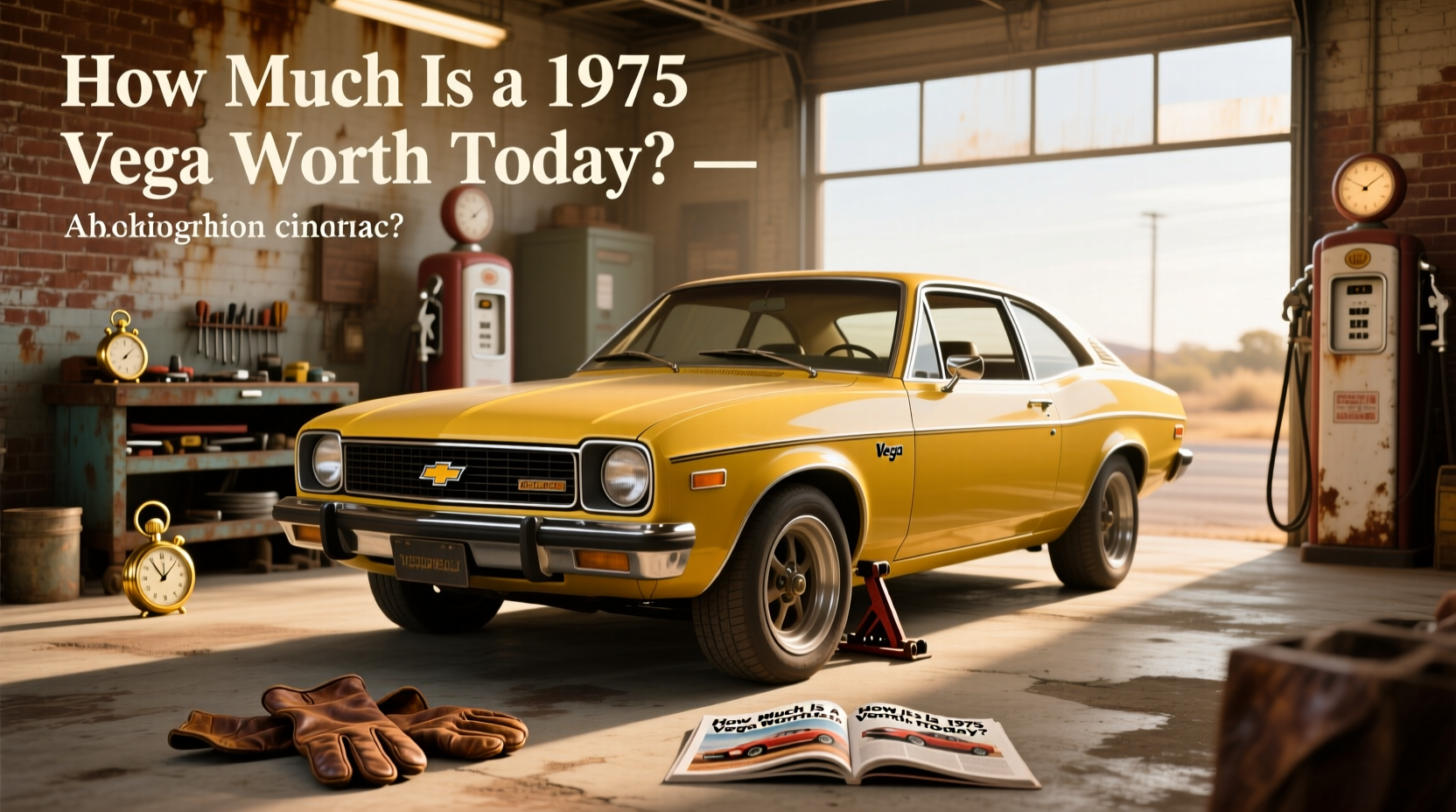
Lately, niche classics from the 1970s have gained traction among younger collectors looking beyond traditional muscle cars. Rising prices for Camaros and Mustangs have pushed enthusiasts toward overlooked models with character and rarity. The Vega fits this trend—not because it performed well historically, but because its flaws make survival meaningful. A clean 1975 Vega hatchback signals dedicated ownership.
Recently, auction platforms and online forums have highlighted unrestored "barn finds" and low-mileage time capsules, drawing attention to the Vega’s cult potential. Some modified versions now feature V8 swaps or independent rear suspensions, appealing to tinkerers who enjoy building rather than buying prestige.
Additionally, emissions regulations in certain states now exempt vehicles manufactured before 1976, making the 1975 model year legally attractive for registration and use. This regulatory edge adds functional value beyond nostalgia.
Types and Variants
The 1975 Vega came in several trims and body styles, each with distinct appeal:
Base Hatchback (Kammback)
- Pros: Most common variant; easier to source parts; lightweight; good for restoration beginners
- Cons: Prone to rust; basic interior; unremarkable performance; lower collector demand unless exceptionally preserved
Cosworth Vega
- Pros: Limited production (~2,000 units); DOHC 16-valve engine; factory race pedigree; higher appreciation trajectory
- Cons: Expensive to maintain; sensitive electronics; requires expert knowledge; fragile head gasket design
GT Package (on hatchback/notchback)
- Pros: Sportier trim with upgraded suspension, badging, and wheels; more desirable than base models
- Cons: Not as rare or powerful as the Cosworth; often confused with full performance models
If you’re a typical user, you don’t need to overthink this. Unless you’re chasing investment-grade returns, the standard hatchback offers better usability and lower entry cost.
Key Features and Specifications to Evaluate
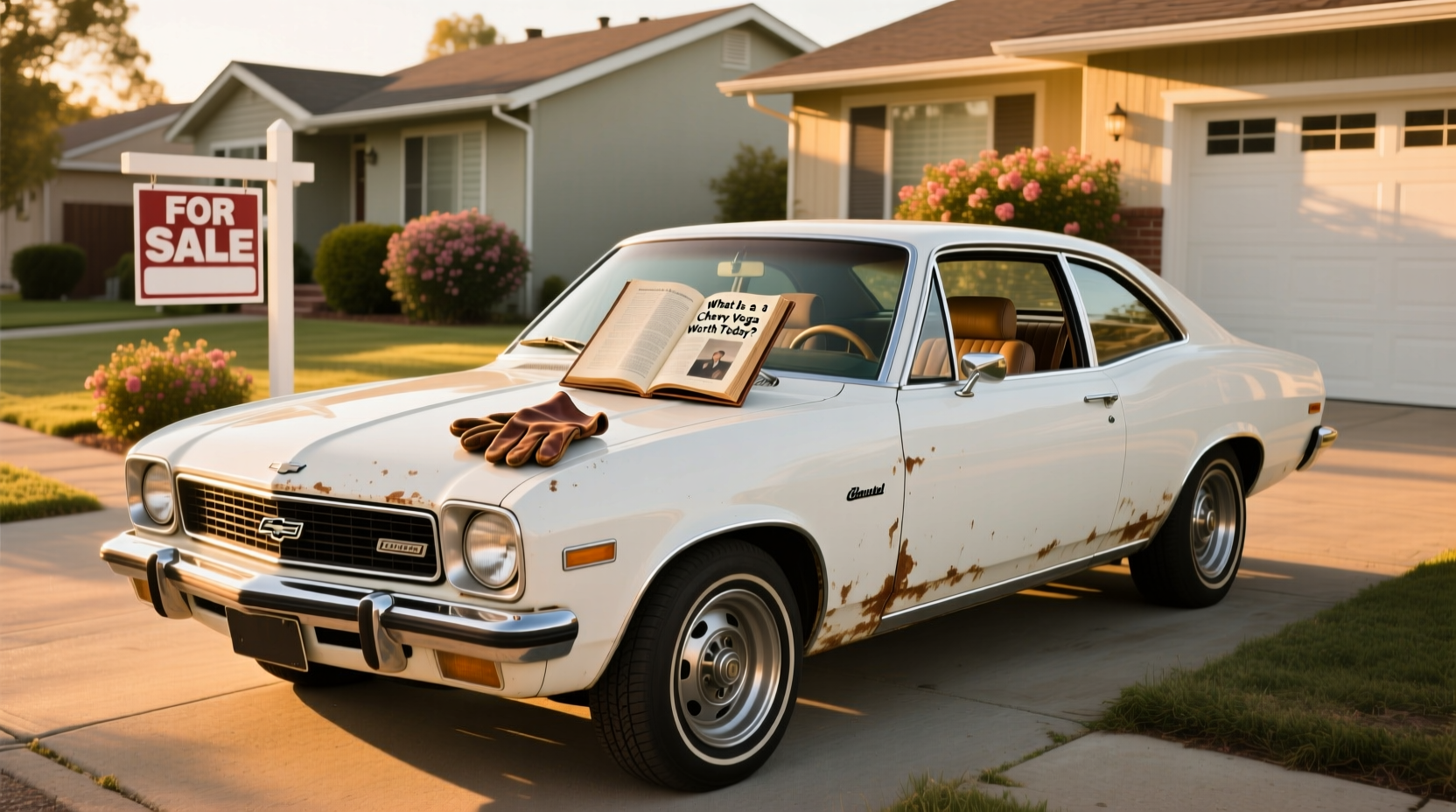
When assessing any 1975 Vega, focus on these five areas:
- ✅ VIN and Trim Verification: Confirm original configuration using Fisher Body tag decoding. Misrepresented Cosworths are not uncommon.
- 🔧 Engine Condition: Check for overheating signs, oil leaks, or replacement blocks. The aluminum block is prone to warping. Replacements exist, but authenticity matters for value.
- 🧼 Rust and Frame Integrity: Inspect inner fenders, floor pans, rocker panels, and trunk seal areas. Rust repairs can exceed vehicle value.
- ⚙️ Transmission Type: Most had 3- or 4-speed manuals or 2-speed Powerglide autos. Manual shifts improve driving engagement but may lack synchronization in older units.
- 🔍 Originality vs. Restoration: Undocumented restorations can hurt resale. Look for build sheets, dealer invoices, or period photos.
When it’s worth caring about: If you plan to show the car or resell within five years, originality and documentation matter significantly.
When you don’t need to overthink it: For weekend cruising or learning classic mechanics, a solid-running rebuilt model with modern upgrades (like electronic ignition) works fine.
Pros and Cons
Advantages
- ✨ Affordable entry into classic ownership
- 📍 Compact size makes storage and maneuvering easy
- 👥 Active community support via clubs and forums
- 🌍 Exempt from emissions testing in many regions
- 🧰 Simple mechanical layout allows DIY maintenance
Drawbacks
- ❗ High risk of hidden rust damage
- ⚡ Original engine lacks longevity without modification
- 📌 Parts availability varies—some trim-specific items require fabrication
- 🚚 Low towing capacity and minimal safety features by modern standards
- 📉 Narrow market appeal outside enthusiast circles
How to Buy a 1975 Chevy Vega Hatchback
Purchasing a classic Vega requires diligence, not just budget. Follow this checklist:
Step-by-Step Checklist
- Define your goal: driver, restorer, investor?
- Set a realistic budget including transport and immediate repairs
- Search reputable platforms: Classic.com, Hemmings, Bring a Trailer
- Request full photo sets and maintenance history
- Schedule an in-person inspection—or hire a third-party evaluator
- Verify title status (clean, salvage, bonded)
- Test drive carefully, noting vibrations, noises, and handling quirks
- Negotiate based on needed work, not nostalgia
Decision Flow
- If you want reliability → look for updated ignition/cooling systems
- If you want authenticity → verify engine stamping and date codes
- If you want value retention → prioritize Cosworth or documented low-mileage examples
- If you want fun on a budget → consider non-original engine swaps (e.g., Honda K-series or small-block V8)
Recommendations by Scenario
- First-time buyer: Choose a mechanically sound base hatchback under $8,000
- Restoration project: Find a complete car with solid floors—even if non-running
- Collector investment: Target verified Cosworth models with known history
Red Flags / What to Avoid
- Rust holes in firewall or frame rails
- Mismatched VIN components (door, dash, engine)
- No title or bill of sale
- Recent cosmetic fixes hiding structural issues
- Claims of “original miles” without verification
If you’re a typical user, you don’t need to overthink this. A clean title and dry storage history mean more than perfect paint.
Price & Market Insights
Values vary widely depending on condition, location, and model type. According to recent listings across collector markets:
- Base hatchback (driver condition): $4,000–$9,000
- Restored standard model: $10,000–$15,000
- Cosworth Vega (good condition): $20,000–$35,000+
- Barn find or project car: $2,000–$6,000
Pricing may vary by region/model/seller. Coastal states and urban centers often see higher premiums due to collector density. Auction results show increasing interest in unrestored originals, especially those with verifiable low mileage.
Check current listings on Classic.com 1 or Hagerty Valuation Tools 2 for real-time comparisons.
Top-Seller & Competitive Analysis
While the Vega competed with Ford Pinto, AMC Gremlin, and Dodge Colt in its day, today’s market compares it mainly against other 1970s American compacts. Below is a comparison of similar models currently sought by collectors:
| Model | Avg. Price Range | Production Volume | Collector Appeal | Reliability Notes |
|---|---|---|---|---|
| 1975 Chevy Vega Hatchback | $4k–$15k | High (millions) | Moderate (niche) | Aluminum engine prone to failure |
| 1971 Ford Pinto Runabout | $3k–$10k | Very High | Low-Moderate | Torque converter issues; simpler repair path |
| 1970 AMC Gremlin X | $8k–$20k | Moderate | High (retro design) | Durable straight-six option available |
| 1975 Cosworth Vega | $20k–$40k | Very Low (~2k) | High (rarity) | Specialist maintenance required |
The Cosworth stands out as the only true performance variant, while the base Vega competes on accessibility. Unlike the Gremlin, which benefits from pop-culture recognition, the Vega relies on technical curiosity and preservation stories.
Customer Feedback Synthesis
After reviewing owner discussions on forums and marketplace reviews, common themes emerge:
Frequent Praises
- “Easy to work on—everything is accessible”
- “Gets compliments for being different”
- “Great first restoration project”
- “Surprisingly peppy with a carb tune-up”
Common Complaints
- “Spent twice the purchase price fixing hidden rot”
- “Original radiator failed within six months”
- “Hard to find correct hubcaps and trim”
- “Overheats in traffic despite new water pump”
Owners who succeed tend to treat the Vega as a hobby, not transportation. Those expecting reliability from a stock 50-year-old economy car often express regret.
Sourcing & Supplier Tips
Finding trustworthy sellers takes research:
- Use specialized marketplaces: Bring a Trailer, Carsforsale.com, AutoTrader Classics
- Contact regional Chevrolet clubs—they often list member-owned vehicles
- Join Facebook groups focused on GM compacts or H-body vehicles
- Ask for service records and prior storage conditions (garage vs. outdoor)
- Verify seller reputation through feedback scores or references
If you’re a typical user, you don’t need to overthink this. A patient search beats rushing into a visually appealing but structurally compromised deal.
Maintenance, Safety & Legal Considerations
Maintaining a 1975 Vega requires awareness of age-related risks:
- Maintenance: Regular fluid changes, brake inspections, and cooling system flushing are essential. Many owners retrofit electric fans and modern thermostats to prevent overheating.
- Safety: No airbags, weak crumple zones, and drum brakes limit crash protection. Use seat belts consistently and avoid high-speed highways when possible.
- Legal: Verify local laws regarding vintage vehicle registration, lighting compliance, and modified exhaust systems. In some areas, post-1975 vehicles must pass emissions; pre-1976 models are often exempt.
To confirm local regulations, contact your Department of Motor Vehicles or consult state-specific historic vehicle statutes.
Conclusion
If you need a low-cost, manageable classic car to learn on, choose a 1975 Vega hatchback in solid mechanical condition. If you’re seeking long-term appreciation, focus exclusively on the Cosworth variant with full documentation. For most buyers, the appeal lies not in performance or luxury, but in owning a piece of automotive history that defied the odds by surviving this long.
This piece isn’t for keyword collectors. It’s for people who will actually use the product.
Everything You Need to Know
A 1975 Chevy Vega’s value ranges from $4,000 for a project car to over $35,000 for a verified Cosworth model in excellent condition. Most driver-quality hatchbacks sell between $6,000 and $12,000. Prices depend heavily on rust level, originality, and mechanical fitness.
Yes, the 1975 Chevrolet Vega was available as a two-door hatchback, commonly referred to as the 'Kammback' due to its aerodynamic rear end. It offered practical cargo access and was one of the more popular body styles that year.
The original aluminum inline-four engine was innovative but prone to overheating and head gasket failure. With proper cooling upgrades and regular maintenance, it can be driven reliably. Many owners replace it with more durable powertrains for daily use.
Basic mechanical parts are available through classic GM suppliers and reproduction vendors. Trim-specific or Cosworth-exclusive components may require sourcing from specialty dealers or salvage yards. Joining enthusiast networks improves access.
In many U.S. states, vehicles manufactured before 1976 are exempt from emissions inspections. However, rules vary by jurisdiction. Check with your local DMV or environmental agency to confirm eligibility.




 浙公网安备
33010002000092号
 浙B2-20120091-4