Short introduction
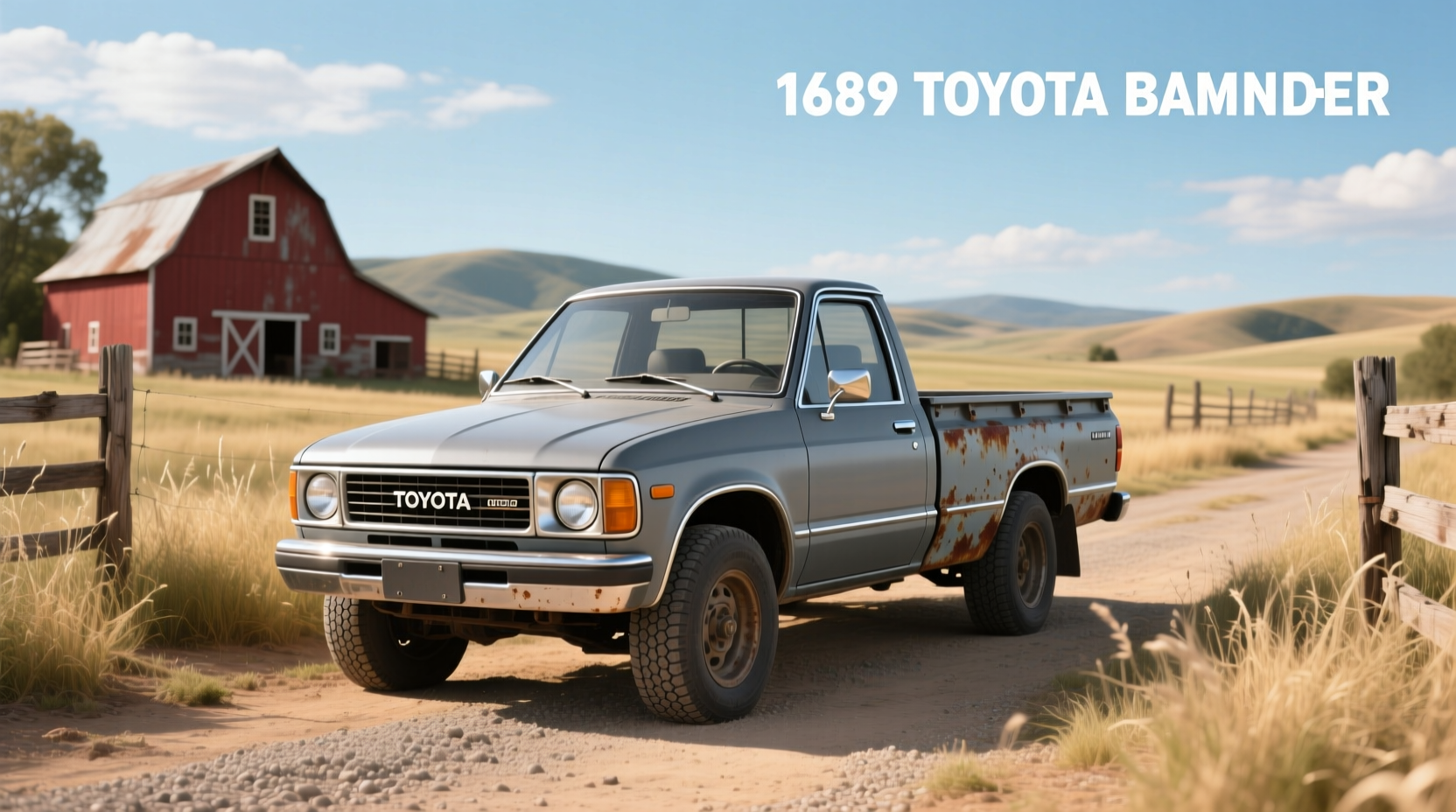
If you’re looking for a durable, simple-to-maintain classic truck with real-world utility, the 1982 Toyota pickup is worth serious consideration. This model belongs to the third generation of Toyota pickups (1979–1983), a pivotal era that introduced factory four-wheel drive and cemented Toyota’s reputation for reliability. How to choose a 1982 Toyota pickup comes down to three things: drivetrain configuration (2WD vs 4x4), engine type (22R carbureted vs early 22RE EFI), and frame/rust condition. If you’re a typical user, you don’t need to overthink this. Most well-preserved examples today are collector-adjacent, so prioritize originality, service history, and absence of rust—especially in the floor pans, rocker panels, and bed rails. Over the past year, interest in these trucks has risen not because they’ve suddenly become rare, but because their mechanical simplicity makes them accessible for DIY owners in an age of over-computerized vehicles.
About 1982 Toyota Pickup
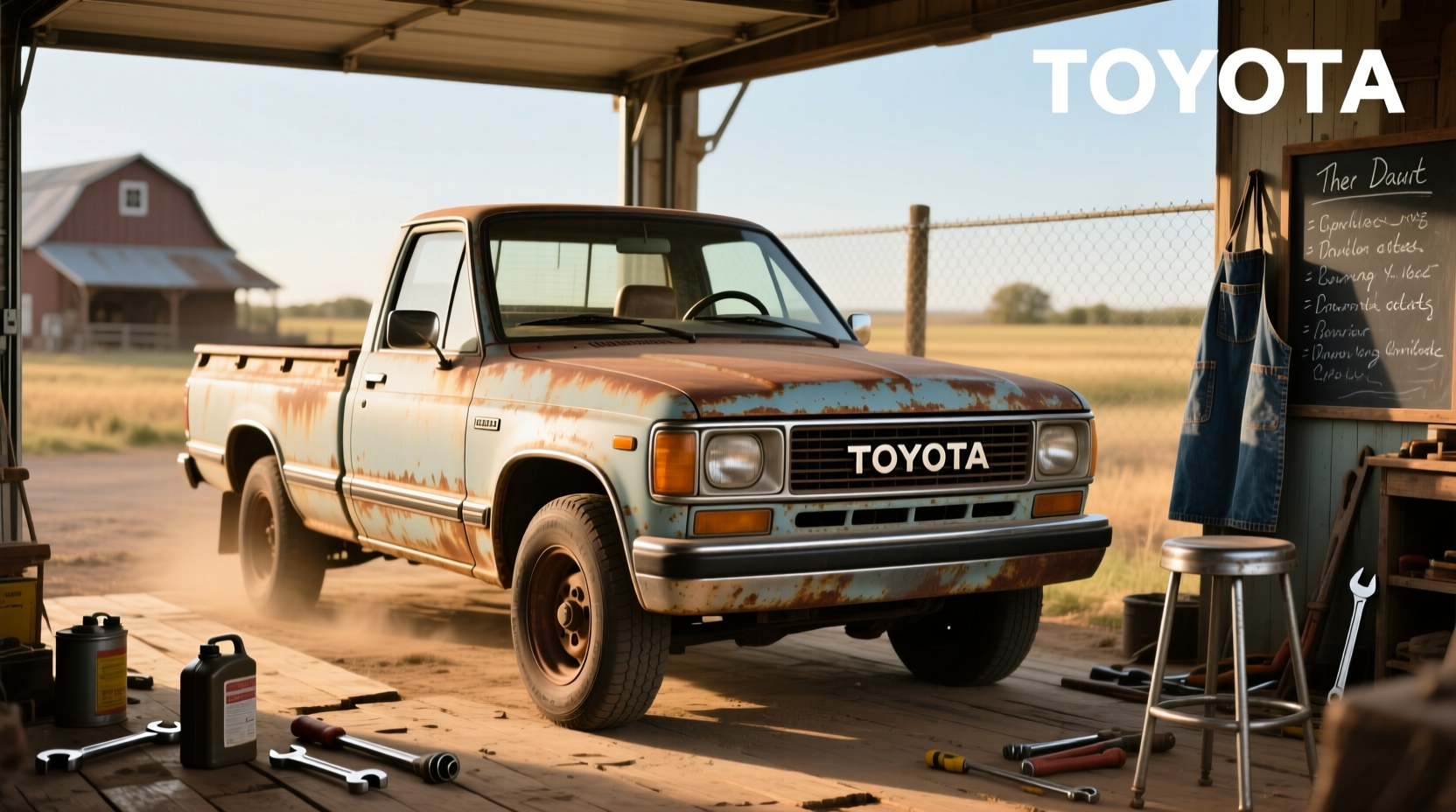
The 1982 Toyota pickup—marketed as the Toyota Truck or Hilux in various regions—was part of the third generation (1979–1983) of compact trucks from Toyota. While some sources incorrectly label it as fourth generation, the correct classification aligns with Toyota’s internal platform updates: the 1979 redesign introduced independent front suspension, optional four-wheel drive, and a more rigid ladder frame. By 1982, the model lineup included standard and long-bed variants, two- and four-wheel drive configurations, and trim levels like DX, SR5, and Deluxe. These trucks were built for function, not luxury, with basic interiors, manual windows, and minimal sound insulation. Their enduring appeal lies in mechanical durability rather than comfort or tech features.
This piece isn’t for keyword collectors. It’s for people who will actually use the product.
Why 1982 Toyota Pickup Is Gaining Popularity
Lately, the 1982 Toyota pickup has seen increased attention not just among vintage vehicle enthusiasts, but also among younger buyers seeking analog driving experiences. The shift reflects broader trends: rising repair costs for modern vehicles, growing frustration with software-dependent systems, and renewed appreciation for modular, fixable machines. Unlike newer trucks packed with sensors and proprietary diagnostics, the 1982 model runs on straightforward mechanical principles. Its 2.4-liter 22R engine uses a timing chain instead of a belt, requires no complex emissions controls (on earlier models), and can be serviced with basic hand tools. If you’re a typical user, you don’t need to overthink this. You’ll spend less time troubleshooting error codes and more time understanding how your vehicle works.
The change signal isn’t market speculation—it’s practical necessity. As supply chains tighten and dealership labor rates climb, owning a vehicle you can maintain yourself becomes a financial advantage. That reality has made the ’82 Toyota pickup more relevant now than at any point in the last two decades.
Types and Variants
The 1982 model year offered several configurations, each suited to different needs. Understanding these helps narrow your search based on intended use.
2WD Standard Cab
- Pros: Lighter weight, better fuel economy, lower purchase price, simpler maintenance
- Cons: Limited off-road capability, less traction in snow/mud, fewer available upgrades
Best for urban commuting, light hauling, or budget-conscious restorations.
4x4 Long Bed (SR5 Trim)
- Pros: Factory four-wheel drive system, locking hubs, heavy-duty axles, higher ground clearance
- Cons: Heavier, slightly reduced MPG, more wear points (transfer case, front differential)
Ideal for rural use, trail access, or those planning light overlanding. The SR5 trim often includes alloy wheels, upgraded seats, and tachometer.
Diesel Models (Rare)
- Pros: Better torque, improved fuel efficiency, longer engine life under load
- Cons: Hard to find, cold-start issues, limited parts availability
These were not widely sold in North America. When found, they typically have the 2L or 3L diesel engine. Verify authenticity before purchase.
Key Features and Specifications to Evaluate
When evaluating a 1982 Toyota pickup, focus on components that directly affect usability and longevity. Ignore cosmetic imperfections unless they indicate deeper neglect.
Engine: 22R vs 22RE
The 22R (carbureted) and 22RE (electronic fuel injection) are both robust, but differ in drivability. The 22R is simpler and easier to tune manually, while the 22RE offers smoother cold starts and better fuel metering. However, EFI systems from this era can develop vacuum leaks or sensor failures. When it’s worth caring about: If you plan daily driving in variable climates. When you don’t need to overthink it: If you’re using the truck seasonally or for short trips.
Transmission Options
Most came with a 5-speed manual (G52 or W56). Automatics (A43D) exist but are less desirable due to lower reliability and fuel economy. Manual transmissions from this era rarely fail if properly maintained.
Suspension and Axles
Rear leaf springs and solid axles front and rear provide durability. Check for worn bushings, leaking shocks, and axle play. Lift kits are common; inspect for signs of poor installation (cracked frames, broken welds).
Bed and Frame Condition
Rust is the biggest threat. Pay close attention to:
- Floor pan behind seats
- Rocker panels beneath doors
- Front cab mounts
- Bed rail corners
- Frame rails near suspension hangers
Replacement sections are available, but full-frame restoration is expensive. Surface rust may be manageable; structural corrosion is a red flag.
Pros and Cons
| Aspect | Advantages | Drawbacks |
|---|---|---|
| Reliability | Proven 300k+ mile engines with basic maintenance | Parts for EFI or A/C systems may require sourcing |
| Mechanical Simplicity | No computers, easy diagnostics, beginner-friendly repairs | Few creature comforts; no power steering (on base models) |
| Off-Road Capability | Lightweight, high clearance, proven trail performance | Underpowered by modern standards; slow highway cruising |
| Ownership Cost | Low insurance, cheap tires, minimal taxes | Restoration can exceed initial purchase cost |
If you’re a typical user, you don’t need to overthink this. The strengths far outweigh the limitations if your expectations match the truck’s original purpose: dependable transportation, not luxury transport.
How to Buy a 1982 Toyota Pickup
Buying a 30+ year-old truck requires diligence. Follow this checklist to avoid regret.
Step-by-Step Checklist
- Define your primary use (daily driver, weekend toy, restoration project)
- Determine budget including potential repair costs ($2k–$5k buffer recommended)
- Search listings focusing on low-mileage or documented maintenance history
- Inspect in daylight; check for mismatched panels, overspray, or bondo
- Start the engine cold; listen for knocking, excessive smoke, or hesitation
- Test all gears, transfer case (if 4x4), brakes, and lights
- Check VIN plate location (driver’s side door jamb) against title
- Obtain a pre-purchase inspection from a specialist if possible
Decision Flow
- Need simplicity? → Choose 22R carbureted, manual transmission
- Want weekend fun? → Prioritize SR5 4x4 with original interior
- Planning modifications? → Confirm frame integrity before investing
- Budget constrained? → Consider non-running projects only if you have skills
Recommendations by Scenario
- First-time classic owner: Look for a 1982 DX 2WD with under 150k miles and clean title
- Off-road build candidate: Target a long-bed 4x4 with solid frame and working transfer case
- Investment/collector: Seek unmodified SR5 with dealer records and original paint
Red Flags / What to Avoid
- Titles marked “salvage,” “flood,” or “reconstructed” without full disclosure
- Vehicles stored outdoors for years with brittle hoses or dry-rotted tires
- Aftermarket EFI conversions lacking proper wiring harnesses
- “Barn find” claims with no verification of storage conditions
- Pricing significantly below market average—usually indicates hidden problems
Price & Market Insights
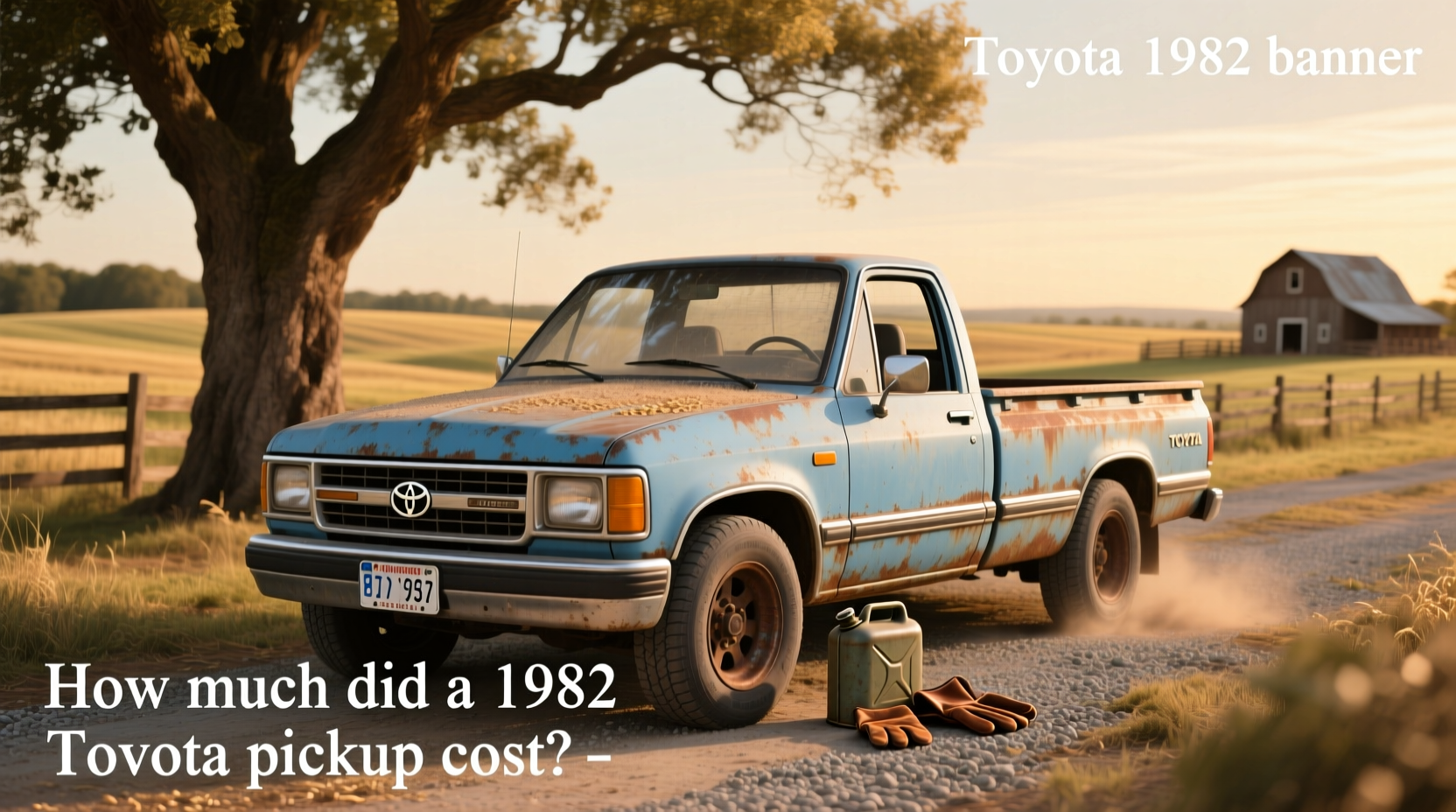
Prices vary widely based on condition, location, and configuration. As of recent data, a functional 1982 Toyota pickup in fair to good condition may range from $6,000 to $14,000. Well-maintained SR5 4x4 models with original parts often command $15,000–$20,000. Exceptional, low-mileage examples can exceed $25,000, especially if featured in enthusiast publications. These figures may vary by region/model/seller. Always verify local comparables through classified platforms focused on classics. Hagerty Valuation Tools 1 provides historical pricing trends, though final sale prices often depend on negotiation and presentation.
Top-seller & Competitive Analysis
While the 1982 Toyota pickup stands out for reliability, it competes with other compact trucks of the era. Below is a comparison of key attributes.
| Model | Engine Reliability | Part Availability | Off-Road Readiness | Avg. Market Price |
|---|---|---|---|---|
| 1982 Toyota Pickup | ⭐⭐⭐⭐⭐ | ⭐⭐⭐⭐☆ | ⭐⭐⭐⭐☆ | $9,000–$18,000 |
| 1982 Ford Ranger | ⭐⭐☆☆☆ | ⭐⭐☆☆☆ | ⭐⭐☆☆☆ | $4,000–$8,000 |
| 1982 Nissan Datsun Truck | ⭐⭐⭐☆☆ | ⭐⭐☆☆☆ | ⭐⭐☆☆☆ | $5,000–$10,000 |
| 1982 Chevrolet S-10 | ⭐⭐☆☆☆ | ⭐⭐☆☆☆ | ⭐☆☆☆☆ | $3,500–$7,000 |
The Toyota’s dominance in engine longevity and aftermarket support explains its premium. If you’re a typical user, you don’t need to overthink this. Choosing the Toyota means prioritizing uptime over upfront savings.
Customer Feedback Synthesis
Based on forum discussions, owner testimonials, and auction reviews, recurring themes emerge:
- Highly Praised: Engine durability (“ran 300k miles with oil changes”), ease of repair (“fixed fuel pump in 20 minutes roadside”), resale value retention
- Common Complaints: Rust progression in humid climates, difficulty finding OEM trim pieces, stiff clutch pedal on older manuals
- Surprising Positives: Strong community support (YotaTech, Reddit r/ToyotaPickup), availability of reproduction parts, compatibility with later-model components
Owners consistently report satisfaction when usage aligns with the truck’s design intent: simple, reliable workhorse duties.
Sourcing & Supplier Tips
Locate vehicles through niche channels rather than mainstream marketplaces. Enthusiast forums, regional car shows, and specialized auctions often yield better-maintained examples. When sourcing parts:
- Use Toyota dealerships for VIN-specific diagrams via EPC (Electronic Parts Catalog)
- Check repro suppliers like Metro Moulded Parts for body panels 2
- Join online communities for leads on used OEM components
- Verify compatibility—some 1984–1988 parts interchange, but not all
If you’re a typical user, you don’t need to overthink this. Start with known-good vendors and document every purchase.
Maintenance, Safety & Legal Considerations
These trucks lack airbags, ABS, or electronic stability control. Operate accordingly—braking distances are longer, especially when loaded. Perform annual checks on:
- Brake fluid and line integrity
- Steering linkage play
- Tire tread depth and sidewall condition
- Exhaust system leaks (carbon monoxide risk)
For registration, confirm your state’s rules for vehicles over 25 years old. Some offer simplified inspection or exemption from emissions testing. Always check local regulations before assuming eligibility. Modifications affecting safety (lifts, lighting) should comply with DOT standards where applicable.
Conclusion
If you need a mechanically transparent, easy-to-repair truck that can handle light duty and weekend adventures, the 1982 Toyota pickup remains a smart choice. If you expect modern comfort, high speed, or zero maintenance, look elsewhere. The value isn’t in perfection—it’s in predictability. And if you’re a typical user, you don’t need to overthink this.
Everything You Need to Know
What generation is a 1982 Toyota pickup?
The 1982 Toyota pickup is part of the third generation, produced from 1979 to 1983. This generation introduced factory four-wheel drive and a redesigned chassis that improved rigidity and ride quality.
Is the 22R engine reliable in a 1982 Toyota pickup?
Yes, the 2.4L 22R engine is widely regarded as one of Toyota’s most durable four-cylinder engines. With regular oil changes and basic maintenance, it can exceed 300,000 miles. Its cast-iron block and timing chain contribute to long-term reliability.
How much does a 1982 Toyota pickup cost today?
Prices typically range from $6,000 for a project vehicle to $20,000+ for a fully restored SR5 4x4. Factors like mileage, originality, drivetrain, and rust level heavily influence value. These figures may vary by region/model/seller.
Are parts still available for a 1982 Toyota pickup?
Yes, many parts remain available through OEM dealers, reproduction manufacturers, and salvage yards. Popular items like alternators, water pumps, and suspension components are commonly stocked. Niche trim or electrical pieces may require more effort to source.
Can a 1982 Toyota pickup be used as a daily driver?
It can, but with caveats. Expect lower comfort, reduced noise insulation, and slower acceleration compared to modern vehicles. Ensure brakes, tires, and lights meet current safety standards. Regular maintenance is essential for consistent reliability.




 浙公网安备
33010002000092号
 浙B2-20120091-4