🛒 Short Introduction
When you're searching for how to choose 1984 Toyota pickup seat covers, the most critical factor is ensuring a proper fit for your truck’s original bench or bucket seat configuration. Many 1984 Toyota pickups came with either a split-bench front seat or individual buckets depending on trim level (SR5 vs. base models), so confirming your interior layout first prevents costly mistakes. Look for seat covers labeled as 'custom-fit' rather than universal—these provide better retention, cleaner aesthetics, and longer durability. Key materials include heavy-duty polyester, neoprene, and waterproof canvas; each offers different benefits for climate protection, wear resistance, and ease of cleaning. Avoid overly cheap sets that use elastic-only attachment systems—they tend to slip and sag over time.
📍 About 1984 Toyota Pickup Seat Covers
Seat covers for the 1984 Toyota pickup are protective fabric overlays designed to fit over factory-installed seating surfaces. These trucks typically feature cloth or vinyl-trimmed bench-style front seats (in standard cab configurations) or optional bucket seats in higher trims like the SR5. After decades of use, original upholstery often suffers from fading, tearing, or foam degradation. Seat covers serve both functional and aesthetic purposes: they protect aging materials, improve comfort, and can refresh the cabin’s appearance without full reupholstery.
Unlike modern vehicles with complex airbag systems, the 1984 model lacks side-impact airbags in the seats, which simplifies cover installation and eliminates concerns about interference with safety mechanisms. This makes it easier to use thicker, more protective materials such as neoprene or quilted vinyl without compromising safety.
📈 Why 1984 Toyota Pickup Seat Covers Are Gaining Popularity
Enthusiasm for classic Toyota trucks—especially the 1984 model—is growing among restorers, off-road hobbyists, and vintage vehicle collectors1. As these trucks age, preserving interior components becomes more important. Seat covers offer an affordable way to extend the life of original seats while maintaining authenticity during light restoration projects.
Additionally, many owners still use their 1984 pickups for utility purposes—hauling gear, landscaping, or weekend adventures. In these scenarios, durable seat covers shield against dirt, moisture, pet hair, and UV damage. The rise of online marketplaces has also made it easier to find custom-fit options tailored specifically to older Toyota chassis, increasing accessibility and consumer confidence in fit accuracy.
🔧 Types and Variants
Different styles of seat covers cater to various needs—from rugged protection to enhanced comfort.
- 🧵Fitted (Semi-Custom): Designed using templates based on the 1984 Toyota pickup’s seat dimensions. They include cutouts for headrests, seams, and contours.
- ✔️ Pros: Better fit than universal, affordable, widely available
- ❌ Cons: May require adjustment; slight gaps possible
- 🎯Custom-Built: Made-to-order using OEM patterns or direct molds. Often sold by specialty restoration suppliers.
- ✔️ Pros: Perfect fit, high-quality stitching, premium materials
- ❌ Cons: Higher cost, longer lead times
- 🧼Universal Stretch: One-size-fits-most designs using spandex-blend fabrics.
- ✔️ Pros: Low price, easy to install
- ❌ Cons: Prone to slipping, poor edge alignment, less breathable
- 🛡️Neoprene/Waterproof: Ideal for wet climates or work use.
- ✔️ Pros: Resists spills, mud, snow; excellent durability
- ❌ Cons: Can feel hot in summer; slightly bulkier
⚙️ Key Features and Specifications to Evaluate
To make an informed decision when choosing 1984 Toyota pickup seat covers, assess the following features:
- Fit Type: Confirm whether the set is labeled 'bench seat' or 'bucket seat'. Some listings incorrectly assume all 1984 models have benches.
- Material Composition: Common options include polyester-cotton blends (balanced comfort/durability), neoprene (water-resistant), and vegan leather (easy wipe-down).
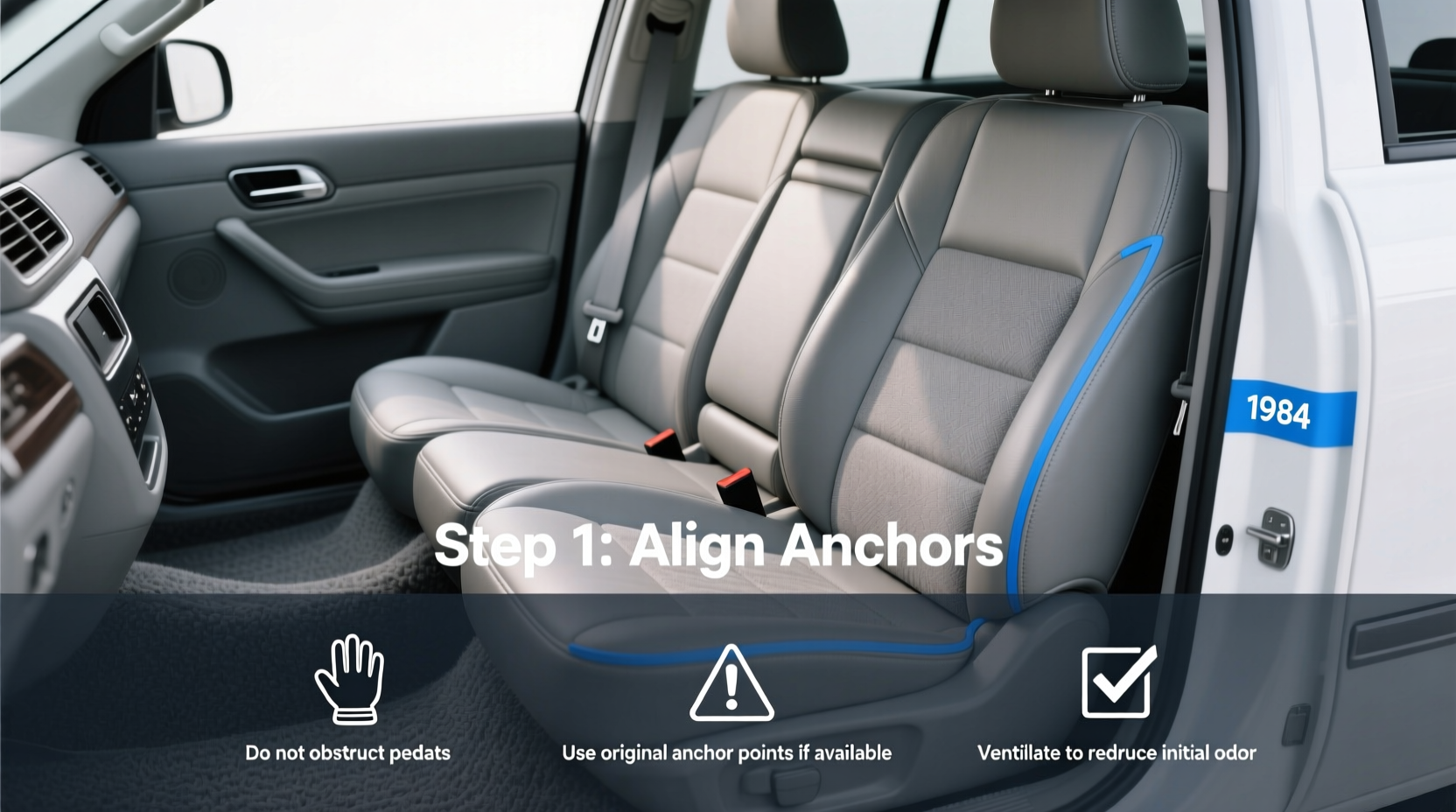
- Attachment Method: Look for anchors, straps, or elastic with built-in hooks—not just stretch fabric. Secure fastening prevents shifting during driving.
- Stitching Quality: Double-stitched seams indicate better longevity. Reinforced stress points (seat edges, fold zones) add value.
- Ventilation: Breathable weaves reduce heat buildup, especially important in warmer regions.
- Color Options: Choose neutral tones (black, gray, tan) for versatility or match factory-original colors for restoration accuracy.
✅ Pros and Cons
| Aspect | Advantages | Limitations |
|---|---|---|
| Interior Protection | Shields original upholstery from sun, stains, abrasion | May trap moisture if non-breathable material used |
| Cost Efficiency | Cheaper than reupholstering entire seats | Poorly fitting covers may need replacement sooner |
| Installation | No tools required for most kits; DIY-friendly | Bench-to-bucket mismatch causes frustration |
| Aesthetics | Restores worn look; modern textures upgrade cabin feel | Low-end sets look bulky or ill-fitting |
📋 How to Choose 1984 Toyota Pickup Seat Covers
Follow this step-by-step guide to ensure you select the right seat covers:
- Confirm Your Seat Type: Check if your truck has a split-bench (common in DX trim) or individual front buckets (standard in SR5). Refer to owner’s manual or measure width between seats.
- Select Material Based on Use Case:
- Daily driver? → Durable polyester blend
- Work truck? → Neoprene or waterproof canvas
- Show/restoration? → Vinyl or OEM-matching fabric
- Verify Mounting System: Ensure the product includes straps, clips, or under-seat anchors. Avoid purely elasticized backs.
- Check Return Policy: Buy from retailers offering returns in case of fit issues—many sellers do not accept used seat covers back.
- Avoid These Red Flags:
- No clear mention of 1984 compatibility
- Product images show generic cars, not classic trucks
- Customer reviews frequently cite slipping or poor corner fit
💰 Price & Market Insights
Prices vary significantly based on material, construction, and brand reputation.
- Budget Tier ($25–$50): Universal fit, basic polyester or stretch fabric. Suitable for temporary use but expect moderate durability.
- Mid-Range ($60–$120): Semi-custom fit, better materials (e.g., neoprene, twill), improved attachment. Best balance for most users.
- Premium ($130+): Custom-built, hand-stitched, authentic reproduction fabrics. Often sourced from restoration specialists.
Note: Pricing may differ across regions and platforms (Amazon, eBay, specialty auto parts sites). Always compare per-unit cost and shipping fees before deciding.
📊 Top-Seller & Competitive Analysis
| Brand/Model | Fit Type | Material | Price Range | Key Strength |
|---|---|---|---|---|
| MaxPak Classic Cab Kit | Semi-Custom Bench | Polyester-Twill | $75 | Accurate pattern for 1980s Toyota trucks |
| Seat Cover Solutions (Custom) | Custom Bucket | Neoprene Blend | $180 | Perfect fit, lifetime warranty |
| AutoCustoms Universal Set | Stretch Fit | Spandex-Polyester | $35 | Low entry cost |
| Rugged Wear Pro Series | Semi-Custom | Waterproof Canvas | $95 | Ideal for outdoor/work use |
While MaxPak and Rugged Wear dominate mid-tier sales due to consistent fit feedback, custom builders remain preferred for concours-level restorations. Read customer photos carefully—some 'universal' sets appear stretched or misaligned even when advertised otherwise.
📌 Customer Feedback Synthesis
An analysis of verified buyer reviews reveals recurring themes:
- Frequent Praise:
- 'Finally found a set that fits my '84 SR5 buckets'
- 'Easy to install—no tools needed'
- 'Looks factory-fresh and cleans easily'
- Common Complaints:
- 'Says it fits 1984, but corners won’t stay down'
- 'Material feels thin compared to description'
- 'Wrong style sent—sent bench instead of bucket'
The top issue remains incorrect seat-type matching. Buyers often assume all 1984 pickups have the same setup, leading to dissatisfaction despite accurate product labeling.
🌐 Sourcing & Supplier Tips
Where you buy matters as much as what you buy.
- Online Retailers: Amazon and eBay offer convenience and user reviews, but double-check seller ratings and return terms.
- Specialty Restoration Parts Sites: Companies like Classic Industries or Southern Oregon Auto Carpets often carry higher-fidelity reproductions.
- Third-Party Marketplaces: Etsy hosts artisans making period-correct custom sets—ideal for rare trims.
- For Bulk Orders: Contact manufacturers directly if restoring multiple vehicles. MOQs usually start at 5 units.
- Before Accepting Delivery: Inspect packaging for damage, verify contents against order, and test fit immediately to avoid restocking denials.
🧼 Maintenance, Safety & Legal Considerations
Proper care extends lifespan and maintains performance.
- Cleaning: Spot-clean with mild detergent and water. Avoid bleach or abrasive scrubbing. Neoprene and vinyl tolerate damp wiping; fabric sets may be removable and machine-washable (check label).
- Safety: Since 1984 models lack seat-mounted airbags, there's no risk of deployment interference. However, ensure seat belts feed through cover openings smoothly.
- Legal Compliance: No federal regulations restrict seat cover use on vehicles of this age. Still, confirm local inspection rules if entering shows or parades—some events require OEM appearance.
If modifying seating (e.g., adding heating elements), consult a professional installer to avoid fire hazards or wiring issues.
✨ Conclusion
Choosing the right 1984 Toyota pickup seat covers hinges on verifying your truck’s specific seat configuration and aligning material choice with intended use. If you drive daily and want durability, go for semi-custom neoprene or twill sets in the $70–$100 range. For show-quality restorations, invest in custom-built covers from reputable specialists. Avoid universal stretch models unless used temporarily. Always check return policies and examine real-user photos before buying. By focusing on fit accuracy, attachment security, and material suitability, you’ll enhance both comfort and preservation of your classic Toyota pickup.




 浙公网安备
33010002000092号
 浙B2-20120091-4