
If you’re looking at a 1984 Toyota Pickup, start with this: condition matters more than year or mileage. How to choose a classic truck like this? Focus on rust, drivetrain integrity, and whether it’s original or restored. If you’re a typical user, you don’t need to overthink this. A clean, running 4x4 model in good paint with solid floors is worth paying a premium for—anything needing major metalwork or engine work should only be considered as a project. Over the past year, interest in these trucks has risen, not because they’re suddenly rare, but because their simplicity and durability align with current buyer preferences for low-tech, fixable vehicles. Recently, clean examples have moved faster at auction, signaling stronger demand.
About the 1984 Toyota Pickup
The 1984 Toyota Pickup (known internally as the Hilux in many markets) sits in the third generation of Toyota’s compact truck line (1979–1985). It was offered in rear-wheel drive (RWD) and four-wheel drive (4x4), with short bed and long bed configurations. Engine options included a 2.0L I4, 2.4L I4, and a diesel variant in some regions. In North America, most models came with the 2.4L 22R engine—an overhead cam four-cylinder known for longevity when maintained. Transmissions ranged from a 4-speed manual to a 5-speed manual or 4-speed automatic. Trim levels included base, Deluxe, and SR5, with the latter offering upgraded interior materials, alloy wheels, and optional power steering.
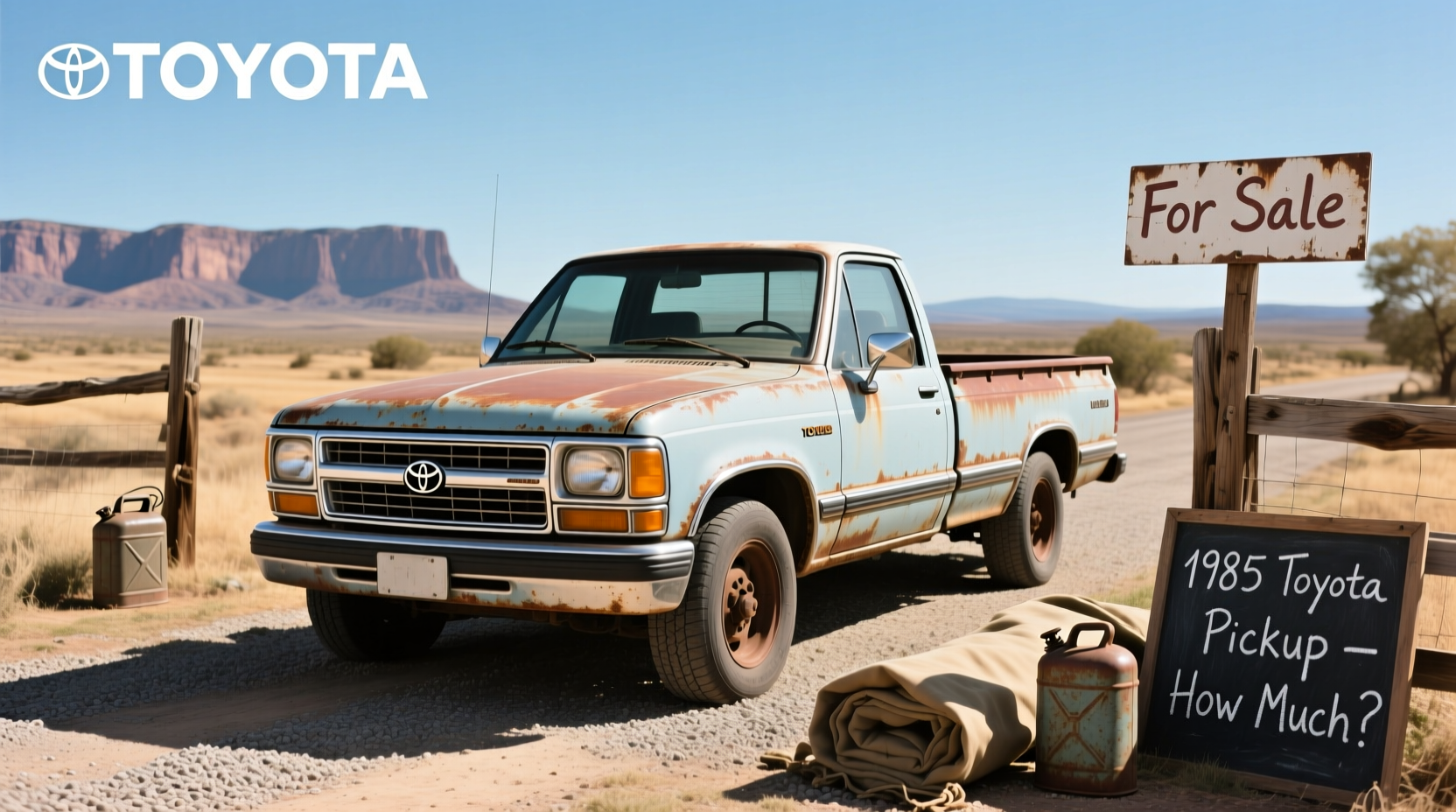
Why the 1984 Toyota Pickup Is Gaining Popularity
Lately, the 1984 Toyota Pickup has seen increased attention not from nostalgia alone, but from practicality. As modern trucks grow larger, heavier, and more complex, buyers are turning to lightweight, mechanical-drive rigs they can maintain themselves. This shift isn’t about chasing trends—it’s a response to real-world usability. These trucks fit narrow trails, park easily, and parts remain widely available. Unlike modern vehicles dependent on proprietary software, the 1984 model uses replaceable components. If you’re a typical user, you don’t need to overthink this. The appeal lies in what the truck doesn’t have: sensors, computers, and fragile electronics. This piece isn’t for keyword collectors. It’s for people who will actually use the product.
Types and Variants
The 1984 model year includes several configurations. Choosing the right one depends on your intended use.
1. RWD vs 4x4
- Pros: RWD models are lighter, simpler, and cheaper to maintain. Better fuel economy. Ideal for city driving or light utility.
- Cons: Limited off-road capability. Less desirable in snowy or rough terrain areas.
2. Short Bed vs Long Bed
- Pros: Short beds offer better maneuverability and are common in 4x4 trims. Easier to store in garages.
- Cons: Reduced cargo capacity. Long beds are preferred for hauling tools or equipment regularly.
3. Trim Levels: Base, Deluxe, SR5
- Base: Minimal features. Vinyl seats, basic gauges. Lowest price point but fewer comforts.
- Deluxe: Upgraded interior trim, carpeting, and additional chrome. More appealing for daily drivers.
- SR5: Top trim with tachometer, alloy wheels, and optional amenities. Commands higher resale value.
If you’re a typical user, you don’t need to overthink this. Unless you plan to restore or show the truck, SR5 trim offers the best balance of comfort and collectibility.
Key Features and Specifications to Evaluate
When assessing a 1984 Toyota Pickup, prioritize these aspects:
- ⚙️ Engine (22R): Look for smooth idle, no blue smoke (indicates oil burning), and consistent compression. Rebuilt engines are common—ask for documentation.
- 🔧 Transmission: Manual gear shifts should feel crisp. Automatics should engage smoothly without slipping.
- 🧼 Rust: Check frame rails, floor pans, rocker panels, and cab corners. Surface rust is manageable; structural corrosion is a dealbreaker.
- 🛒 Originality: Matching numbers, factory badges, and intact VIN tags increase value if preserved.
- 📍 Tires & Suspension: Aftermarket lifts or oversized tires may indicate off-road use—which could mean added wear.
When it’s worth caring about: Rust inspection matters most in coastal or northern states where road salt accelerates corrosion.
When you don’t need to overthink it: Minor cosmetic flaws like faded paint or worn upholstery can be addressed later and rarely affect drivability.
Pros and Cons
| Pros | Cons |
|---|---|
| Proven reliability with proper maintenance | Vulnerable to frame and floor rust |
| Simple mechanical systems, easy to repair | Basic comfort and safety by modern standards |
| Fuel-efficient compared to full-size trucks | Limited towing and payload capacity |
| Strong aftermarket support | Diesel variants less common in North America |
| Stable collector market for clean examples | Parts for restoration may require sourcing |
How to Buy a 1984 Toyota Pickup
This guide walks through each step to ensure you make a smart purchase.
Step-by-Step Checklist
- Define your purpose: daily driver, weekend rig, or restoration project?
- Set a budget including potential repairs (add 15–20% buffer).
- Search listings on Hagerty, Classic.com, and Autotrader Classics.
- Contact sellers: ask for service records, ownership history, and reason for selling.
- Schedule an in-person inspection—or hire a mechanic familiar with classics.
- Test drive: listen for unusual noises, check all gears, brakes, and steering response.
- Verify title status: clear, salvage, or rebuilt?
- Negotiate based on observed condition and comparable sales.
Decision Flow
- Need a driver-ready truck? → Prioritize low rust, recent maintenance, and 4x4 if off-roading.
- Want a future flip? → Find a project with solid metal but non-running engine—lower entry cost.
- Seeking investment value? → Target unmolested SR5 4x4 models with documented history.
Recommendations by Scenario
- Budget under $8,000: Consider RWD long bed with minor rust. May need suspension refresh.
- $8,000–$12,000: Realistic range for a clean 4x4 Deluxe or SR5. Likely turn-key.
- Over $12,000: Expect near-original or professionally restored condition. Verify claims.
Red Flags / What to Avoid
- No access to inspect: Remote-only sales with vague photos suggest hidden issues.
- “Barn find” with no documentation: Could mean years of neglect and unknown storage conditions.
- Welded-on patches: Temporary fixes often hide advanced rot underneath.
- Price significantly below market: Usually reflects major mechanical or structural problems.
- Missing VIN or mismatched numbers: Potential theft or title fraud risk.
If you’re a typical user, you don’t need to overthink this. A truck that runs, steers, stops, and isn’t falling apart structurally is a better buy than a static showpiece with questionable mechanics.
Price & Market Insights
As of late, the market for 1984 Toyota Pickups shows stable pricing with variation based on condition and location. According to recent data from Hagerty and Classic.com, values typically range from $7,227 to $16,753, with an average around $9,450 1. Clean 4x4 SR5 models have sold for up to $10,762, while high-mileage or rust-heavy units go for as low as $8,295 2.
Prices may vary by region/model/seller. For example, trucks in dry climates (Arizona, California) often command higher prices due to lower rust incidence. Always verify local comparables using tools like CarGurus or Hagerty’s valuation calculator 3.
Top-Seller & Competitive Analysis
The 1984 Toyota Pickup competes in the vintage compact truck space with contemporaries like the Ford Ranger (first gen), Chevrolet S-10, and Nissan Datsun Truck. However, its reputation for durability gives it an edge in long-term ownership satisfaction.
| Model | Avg. Price Range | Reliability Perception | Aftermarket Support |
|---|---|---|---|
| 1984 Toyota Pickup | $7,200 – $16,750 | ★★★★★ | ★★★★☆ |
| 1984 Ford Ranger | $5,000 – $10,000 | ★★★☆☆ | ★★★☆☆ |
| 1984 Chevrolet S-10 | $4,500 – $8,500 | ★★☆☆☆ | ★★★☆☆ |
| 1984 Datsun 720 | $6,000 – $12,000 | ★★★★☆ | ★★★☆☆ |
If you’re a typical user, you don’t need to overthink this. While other brands offer lower entry prices, Toyota’s track record for surviving decades with minimal intervention remains unmatched.
Customer Feedback Synthesis
Analysis of owner reviews and forum discussions reveals consistent themes:
- High Praise: “Still drives like new after 40 years,” “Fixed it myself with basic tools,” “Gets me through snow better than my SUV.”
- Common Complaints: “Hard to find replacement bed wood,” “No power windows or locks,” “Seats aren’t comfortable for long trips.”
- Surprising Positives: Many owners highlight fuel economy (20+ mpg highway) and ease of parking in urban settings.
This piece isn’t for keyword collectors. It’s for people who will actually use the product. The feedback loop confirms that functionality—not luxury—drives satisfaction.

Sourcing & Supplier Tips
When sourcing parts or whole vehicles:
- Use OEM dealerships for NOS (New Old Stock) trim pieces or badges.
- Check online forums (e.g., Yotatech, Toyota Nation) for members selling used parts.
- Consider repro manufacturers for interiors, decals, and body moldings.
- For major components (engines, axles), salvage yards in warmer states often yield cleaner cores.
Always confirm compatibility—model years within 1979–1985 are generally interchangeable, but verify cab type and drivetrain specs.
Maintenance, Safety & Legal Considerations
Maintenance is straightforward: oil changes, timing belt inspections (every 60k miles), and brake servicing. The 22R engine tolerates delays but benefits from regular care.
Safety-wise, these trucks lack airbags, ABS, or stability control. Drive accordingly—especially in wet or icy conditions.
Legally, registration depends on your state. Some require emissions testing; others exempt vehicles over 25 years old. To verify: check your DMV website or contact a local tag agency. Title transfer rules also vary—ensure the seller provides a clear title.
Conclusion
If you need a dependable, easy-to-fix compact truck for light duty or weekend adventures, choose a 1984 Toyota Pickup in solid condition with minimal rust. If you’re restoring or investing, prioritize originality and provenance. If you’re a typical user, you don’t need to overthink this. Functionality beats perfection every time.
Everything You Need to Know
Values typically range from $7,227 to $16,753, with an average around $9,450. Condition, drivetrain (4x4 vs RWD), trim level (SR5), and rust presence heavily influence price. Clean, original 4x4 models command premiums.
Most North American models come with the 2.4L 22R inline-four gasoline engine. A diesel version (2.2L 3L) was available internationally but rare in the U.S. The 22R is known for durability and ease of repair.
Yes, when maintained. The mechanical simplicity and robust design contribute to long-term reliability. Regular maintenance and rust prevention are critical to sustained performance.
Parts are available through OEM dealers, reproduction suppliers, salvage yards, and online communities like Yotatech. Common components (filters, belts, brakes) are still manufactured.
Yes, provided it passes required safety and emissions inspections in your state. Many states exempt vehicles over 25 years old from emissions testing. Confirm local regulations with your DMV.




 浙公网安备
33010002000092号
 浙B2-20120091-4