
Short introduction
If you’re looking at a 1992 Volkswagen Golf hatchback, here’s what matters most: it’s not a Rabbit, and that naming confusion shouldn’t affect your decision. How to choose a reliable Mk3-era VW? Focus on engine type (1.8L inline-four is common), check for rust—especially in wheel wells and undercarriage—and verify service history. If you’re a typical user, you don’t need to overthink this. Over the past year, interest in affordable, simple European hatchbacks has quietly risen among DIY mechanics and urban drivers who value compact size and mechanical transparency. This piece isn’t for keyword collectors. It’s for people who will actually use the product.
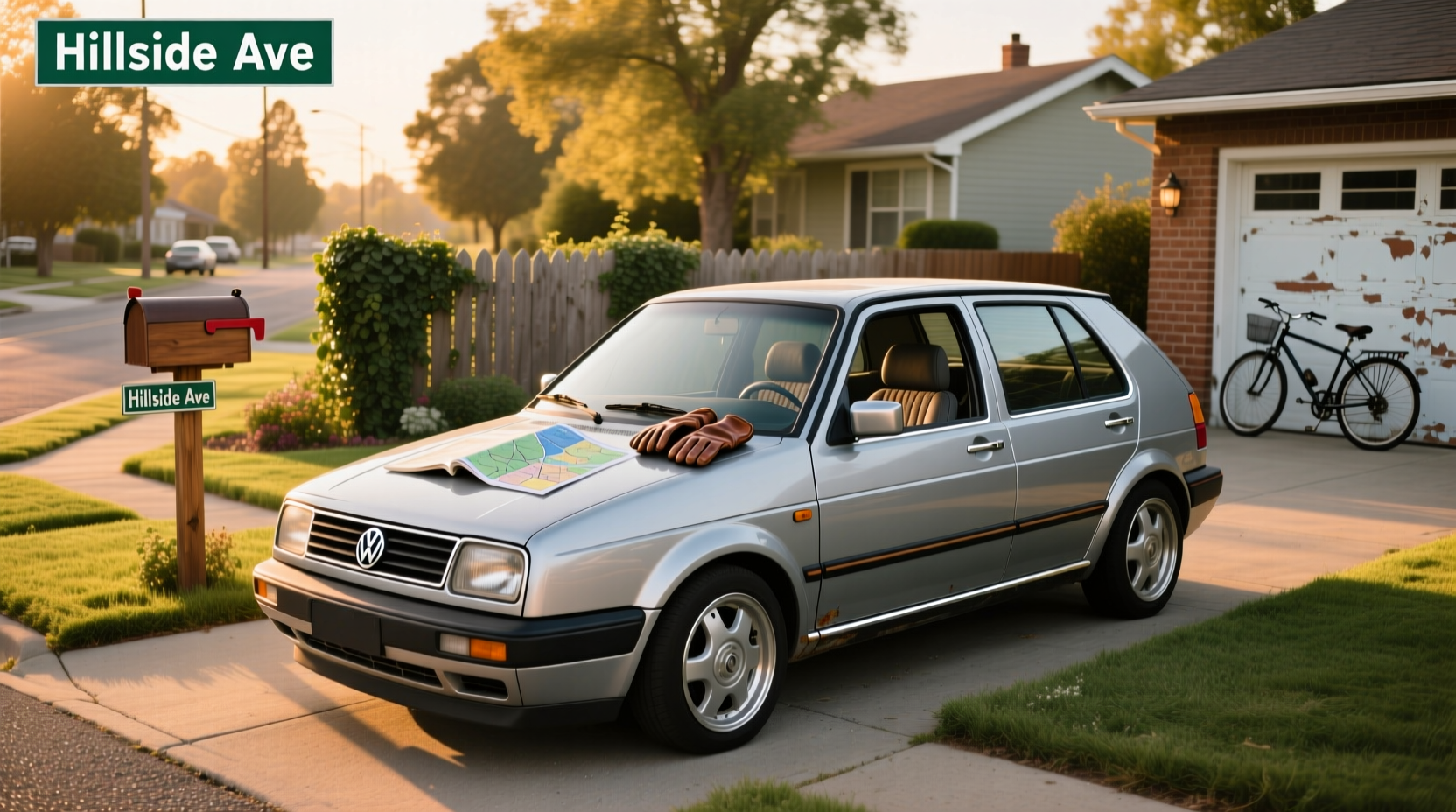
About the 1992 Volkswagen Golf Hatchback
The 1992 Volkswagen Golf is part of the third generation (Mk3) of the long-running Golf line. By this point, the car had evolved into a more refined, safety-conscious compact hatchback with updated aerodynamics, improved crash structures, and modernized interior ergonomics. Unlike earlier models sold in North America, the 1992 model was never marketed as the “Rabbit” in the U.S.—that name was used only for the first generation (1975–1984) and briefly revived for the fifth (2006–2009).
The Mk3 brought incremental improvements: better sound insulation, optional power accessories, fuel injection standard on most trims, and available ABS. It was offered with several four-cylinder engines, ranging from 1.8L carbureted units to 2.0L fuel-injected variants. Transmission options included 5-speed manual and 3- or 4-speed automatics. While not revolutionary, the Mk3 filled a practical niche: a durable, unpretentious daily driver with modest performance and reasonable fuel economy.
Why the 1992 VW Golf Is Gaining Popularity
Lately, older European compacts like the 1992 Golf have seen renewed attention—not because they’re fast or luxurious, but because they occupy a shrinking category: mechanically straightforward vehicles that aren’t overloaded with sensors, software, or proprietary systems. For home mechanics and budget-focused buyers, this simplicity is a feature, not a flaw.
Recent shifts in ownership trends show more interest in cars that can be maintained without dealership access. The 1992 Golf fits that need. Its OBD1 diagnostic system (on later Mk3s) is basic compared to modern standards, but far easier to interpret than encrypted CAN bus networks. Replacement parts remain available through specialty suppliers and salvage yards, especially since the platform was widely sold across Europe and North America.
If you’re a typical user, you don’t need to overthink this. The appeal isn’t nostalgia—it’s usability. As newer cars become harder to repair independently, the Mk3 Golf stands out as something you can still open the hood and understand.
Types and Variants
The 1992 Golf came in multiple trim levels and body styles, though availability varied by market. In North America, the primary configurations were:
- Hatchback (3- and 5-door)
- Carryall (wagon version, less common)
- GL, GLS, and base trims
- Gasoline-only powertrains (no diesel offered in U.S. after 1991)
Base Model (1.8L)
✅ Pros: Simple, fewer electronics, lower purchase price
❌ Cons: Underpowered, basic features, prone to rust if neglected
GL Trim
✅ Pros: Power windows, central locking, better interior materials
❌ Cons: Slightly higher maintenance cost due to added electrical components
GLS Trim
✅ Pros: Fuel-injected 2.0L engine, sunroof option, upgraded stereo, cruise control
❌ Cons: More complex wiring, pricier to restore fully
GTI (Not Available in 1992 U.S. Market)
Note: The GTI badge was absent from the U.S. lineup in 1992. Enthusiasts seeking performance should consider imported European versions or wait for the 1993 reintroduction—but those are rare and often modified.
Key Features and Specifications to Evaluate
When assessing a 1992 Golf, focus on these core areas:
- Engine: 1.8L 8-valve (AGU) or 2.0L 8-valve (2E). The 2.0L offers smoother operation and better emissions compliance in stricter states.
- Transmission: 5-speed manual is preferred for longevity and engagement. Automatics (09A series) are functional but require fluid checks and shift linkage inspections.
- Suspension: Front MacPherson struts, rear torsion beam. Look for worn bushings and leaking shocks.
- Electrical System: Check window motors, blower fan, and instrument cluster. Wiring harnesses behind dash can degrade over time.
- Rust Protection: Factory galvanized body panels were a VW selling point, but road salt and poor drainage lead to corrosion in rocker panels and rear wheel arches.
When it’s worth caring about: Rust inspection. A car with clean floor pans and intact weld seams will save thousands in restoration costs.
When you don’t need to overthink it: Trim level differences beyond functionality. Leather seats won’t improve drivability, and cosmetic upgrades rarely add resale value in this segment.
Pros and Cons
• Mechanical accessibility simplifies repairs
• Compact footprint ideal for city driving
• Parts network still active via online vendors and junkyards
• Low-tech design reduces dependency on scan tools
• Susceptible to rust in humid or northern climates
• Outdated safety features (no side airbags, weak pedestrian protection)
• Fuel economy (~24 mpg city) lags behind modern subcompacts
• Limited cargo space compared to SUVs or crossovers
How to Buy a 1992 VW Golf Hatchback
This guide walks through the essential steps to avoid costly oversights when purchasing a 1992 Golf.
- Verify VIN matches title and registration
- Inspect for structural rust (lift car if possible)
- Start engine cold—listen for lifter noise or smoke
- Test all electrical functions (windows, lights, HVAC)
- Check transmission smoothness in all gears
- Review service records—even partial history helps
- Confirm tires are balanced and brakes functional
- Scan for stored codes (OBD1 adapter may be needed)
Decision Flow:
If you want a project car → Prioritize low-mileage examples with solid bodies, even if non-running.
If you want daily transportation → Choose a well-maintained 2.0L GLS with recent timing belt service.
If budget is tight → Consider a 1.8L base model, but factor in potential rust repair costs.
Recommendations by Scenario:
- First-time owner: Seek a serviced 2.0L with known history. Avoid track-used or salvage-title cars.
- DIY mechanic: Base model with manual transmission maximizes learning and control.
- Urban commuter: The 5-door hatchback offers practicality and easy parking.
What to Avoid:
- Cars stored outdoors for years without undercoating
- Vehicles with mismatched odometers or incomplete paperwork
- “Restomod” attempts with non-OEM engines or suspensions
- Dealers advertising “like new” condition on 30-year-old cars
If you’re a typical user, you don’t need to overthink this. A clean, original car beats a flashy rebuild every time.
Price & Market Insights
Pricing for a 1992 Golf varies widely based on condition, location, and demand. Private-party sales typically range from $800 to $3,500. Exceptional, fully restored examples may reach $5,000, but these are outliers. Prices may vary by region/model/seller—always compare local listings.
In regions with mild winters (California, Southwest), rust-free examples are more common and command higher prices. In contrast, Northeastern markets often list lower due to corrosion issues, but bargains exist if you’re prepared to address rust early.
There is no official valuation guide for this generation, so rely on Hagerty’s general market reports 1 and community forums like VW Vortex for realistic benchmarks.
Top-seller & Competitive Analysis
The 1992 Golf competed with other compact hatchbacks of its era, including the Honda Civic, Toyota Corolla, and Ford Escort. While none matched the Golf’s ride quality or steering feel, rivals often led in reliability and rust resistance.
| Model | Fuel Economy | Rust Resistance | Parts Availability | Mechanical Simplicity |
|---|---|---|---|---|
| 1992 VW Golf | 24 mpg city / 31 mpg hwy | Moderate (galvanized body) | Good (specialty suppliers) | High |
| 1992 Honda Civic | 30 mpg city / 38 mpg hwy | High | Excellent | Very High |
| 1992 Toyota Corolla | 28 mpg city / 35 mpg hwy | Very High | Excellent | Very High |
| 1992 Ford Escort | 23 mpg city / 30 mpg hwy | Low | Fair (declining) | High |
If you’re a typical user, you don’t need to overthink this. The Golf trades ultimate durability for a more engaging drive. Choose it for feel, not fuel savings.
Customer Feedback Synthesis
Based on owner forums and marketplace reviews, common sentiments include:
Positive:
- “Simple to work on—I replaced the head gasket myself in a weekend.”
- “Handles winter roads better than my old Civic.”
- “The hatchback layout makes hauling bulky items easy.”
Negative:
- “Rust came back within two years despite undercoating.”
- “Window regulators fail every few years—keep spares.”
- “Heater core leaks are common and expensive to fix.”
The consensus: owners appreciate the driving experience and modularity, but stress that proactive maintenance is non-negotiable.
Sourcing & Supplier Tips
For parts, consider:
- RockAuto: Offers OEM-style components at competitive prices
- eEuro Auto Parts: Specializes in late-model and vintage VWs
- Car-Part.com: Locator for used parts from verified recyclers
- VW-specific forums: Members often sell NOS (new old stock) items
When sourcing, always confirm compatibility using the VIN or chassis number. Some Mk3 components differ between early and late production runs. If you’re a typical user, you don’t need to overthink this—stick with reputable suppliers and avoid counterfeit ignition parts.
Maintenance, Safety & Legal Considerations
Maintenance intervals should follow original factory guidelines where possible. Critical services include:
- Timing belt replacement every 60,000 miles
- Brake fluid flush every 2 years
- Differential oil change every 30,000 miles
Safety-wise, the 1992 Golf lacks electronic stability control, traction control, and modern crumple zones. It performed poorly in contemporary crash tests compared to today’s standards. Use caution in high-speed collisions or adverse weather.
Legally, ensure the vehicle meets your state’s emissions and safety inspection requirements. Some areas require OBD1-compliant diagnostics for registration. To verify: check manufacturer specs, consult your DMV website, or contact a licensed inspection station.
Conclusion
If you need a simple, repairable hatchback for light commuting or hobby use, the 1992 Volkswagen Golf remains a viable choice—provided you accept its age-related compromises. If you’re restoring a classic or need advanced safety tech, look elsewhere. If you’re a typical user, you don’t need to overthink this. Prioritize condition over cosmetics, and let real-world usability guide your decision.
Everything You Need to Know
Why was the VW Golf called Rabbit? ▼
The first-generation Golf (1975–1984) was sold as the Rabbit in North America because Volkswagen wanted a playful, energetic name that echoed the Beetle’s animal theme. "Rabbit" suggested agility and frugality, fitting the car’s role as a nimble economy hatchback. The name returned briefly for the 2006–2009 Mk5, but was not used for the 1992 (Mk3) model.
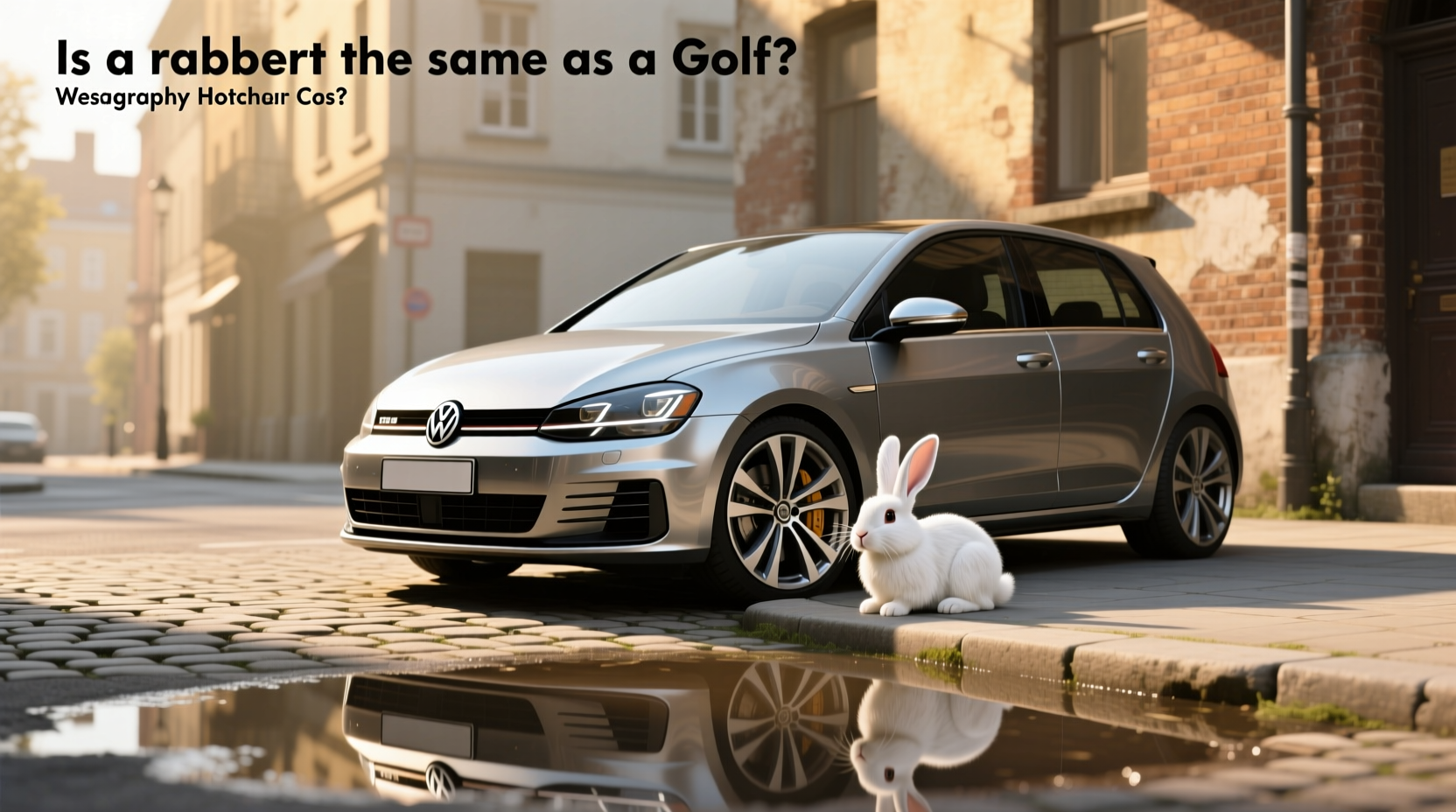
Is a Rabbit the same as a Golf? ▼
Yes, in most cases. The Rabbit is simply the name used for the Golf in certain markets and generations. Mechanically and structurally, the first-gen Rabbit and Golf are identical. Later models standardized on "Golf" globally, except for the brief Rabbit revival in the late 2000s.
What engine does a 1992 VW Golf have? ▼
The 1992 VW Golf typically came with a 1.8L 8-valve or 2.0L 8-valve gasoline four-cylinder engine. The 2.0L (engine code 2E) was more common in higher trims and offered improved driveability and emissions performance. Diesel engines were discontinued in the U.S. after 1991.
How reliable is a 1992 Volkswagen Golf? ▼
Reliability depends heavily on maintenance and rust prevention. With regular care, the engine and transmission can last 150,000+ miles. However, electrical gremlins and heater core leaks are common. Rust remains the biggest threat to longevity, especially in northern climates.
Can I still find parts for a 1992 Golf? ▼
Yes, parts are still available through specialty retailers, salvage yards, and online marketplaces. While not as ubiquitous as Honda or Toyota components, the Golf’s popularity ensures ongoing support. Used parts from Europe are also accessible via importers.




 浙公网安备
33010002000092号
 浙B2-20120091-4