Short introduction
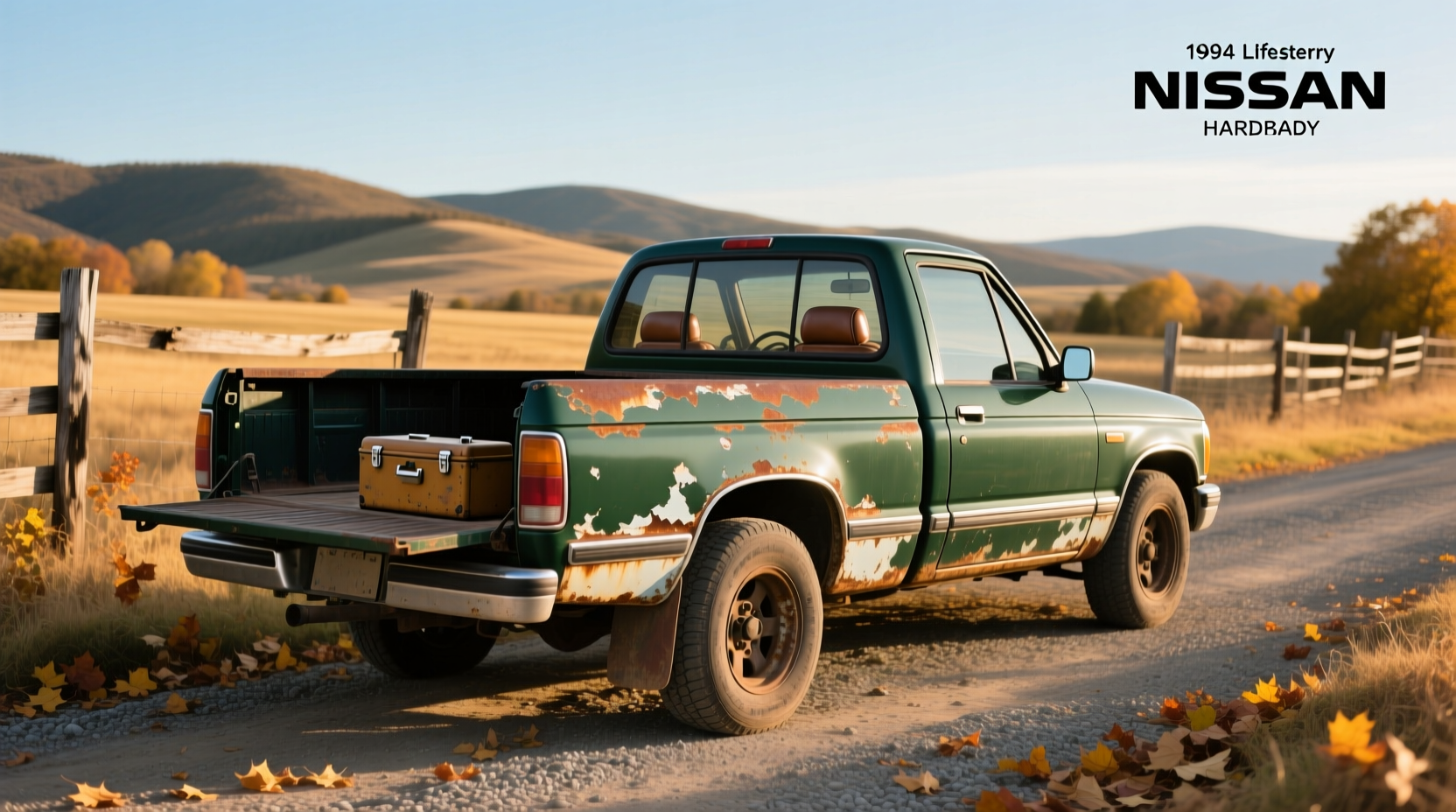
If you’re looking at a 1994 Nissan Hardbody pickup truck, here’s what matters: condition, mileage, drivetrain (2WD vs 4x4), engine type (4-cylinder vs V6), and cab style (King Cab vs regular). For most buyers, a clean, low-mileage 4x4 King Cab with the V6 is worth pursuing — everything else is situational. How to choose a 1994 Nissan Hardbody? Focus on rust-free frames, original interiors, and service history. Avoid heavily modified examples unless you know exactly why changes were made. If you’re a typical user, you don’t need to overthink this. Over the past year, interest in D21 trucks has grown steadily, not because they suddenly became rare, but because people want simple, repairable vehicles in uncertain times.
About the 1994 Nissan Hardbody
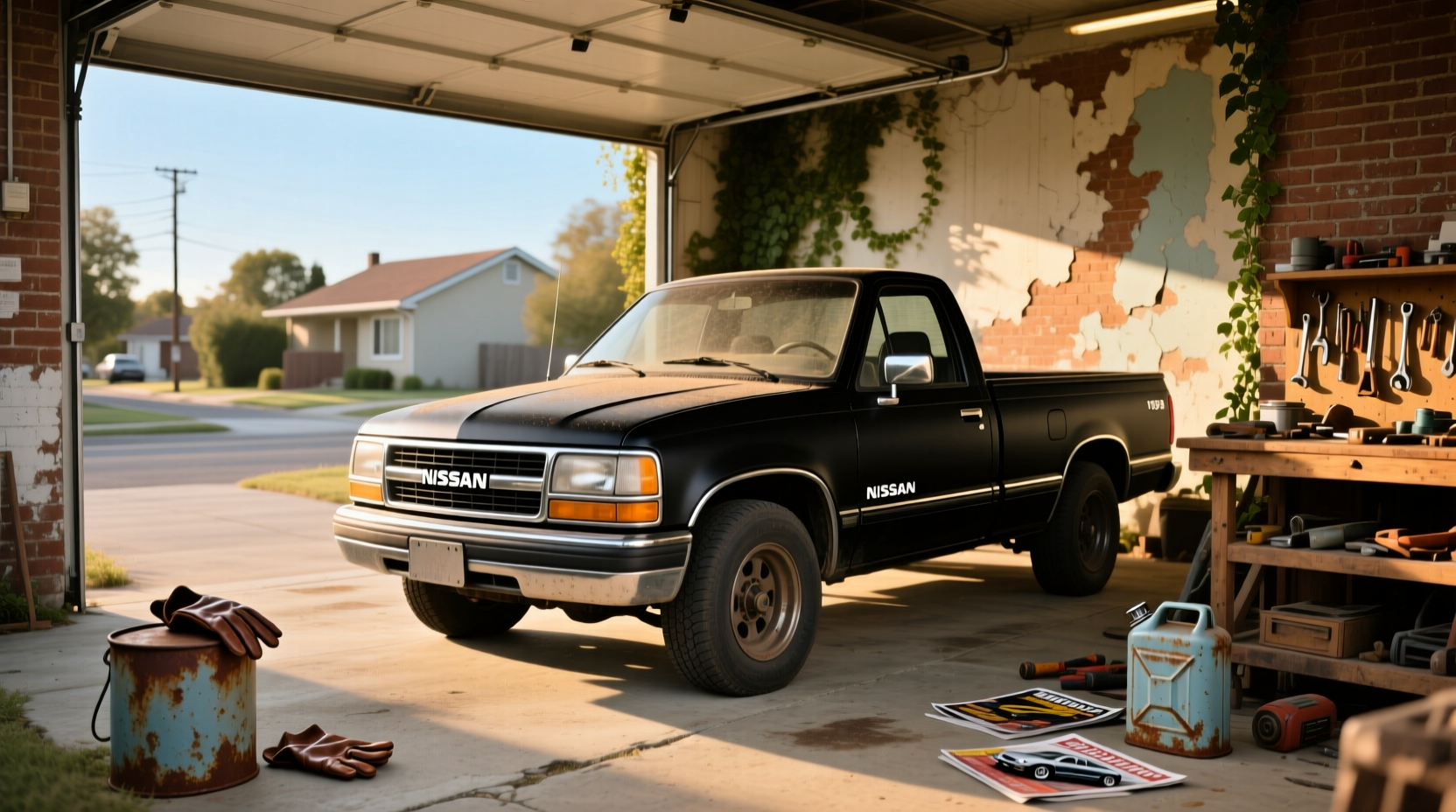
The 1994 Nissan Hardbody — officially part of the D21 generation — was one of the last purely utilitarian compact pickups before manufacturers added complexity for comfort and emissions. It came in rear-wheel drive (2WD) or four-wheel drive (4x4), with either a 2.4L inline-4 or a 3.0L V6 engine. The King Cab offered extended rear seating, though it was minimal. These trucks were built for durability, not luxury. They lack power windows, ABS, airbags, and modern diagnostics. That simplicity is now their strongest selling point.
Nissan stopped calling it the “Hardbody” in North America after 1997, making the 1994 model part of the final wave of no-frills work trucks. It shares mechanicals across trims: XE (base), SE (mid-level), and some dealer-added packages. Unlike later models, there’s little variation in suspension or braking systems by trim — so equipment differences matter less than overall preservation.
Why the 1994 Nissan Hardbody is gaining popularity
Lately, more buyers are turning to older trucks not as investments, but as tools. The 1994 Hardbody fits that shift. It’s lightweight, easy to maintain, and parts remain widely available. Enthusiasts appreciate its analog controls and rugged SUA (separate frame and body) construction. Recently, social media groups and niche forums have highlighted restored examples, drawing attention to how long these trucks can last with basic care.
This isn’t nostalgia-driven speculation. Many new owners use them daily — on farms, job sites, or as backup vehicles. Their appeal lies in predictability: when something breaks, you can see it, touch it, and fix it without software. If you’re a typical user, you don’t need to overthink this. The rise isn’t about perfection — it’s about control.
Types and variants
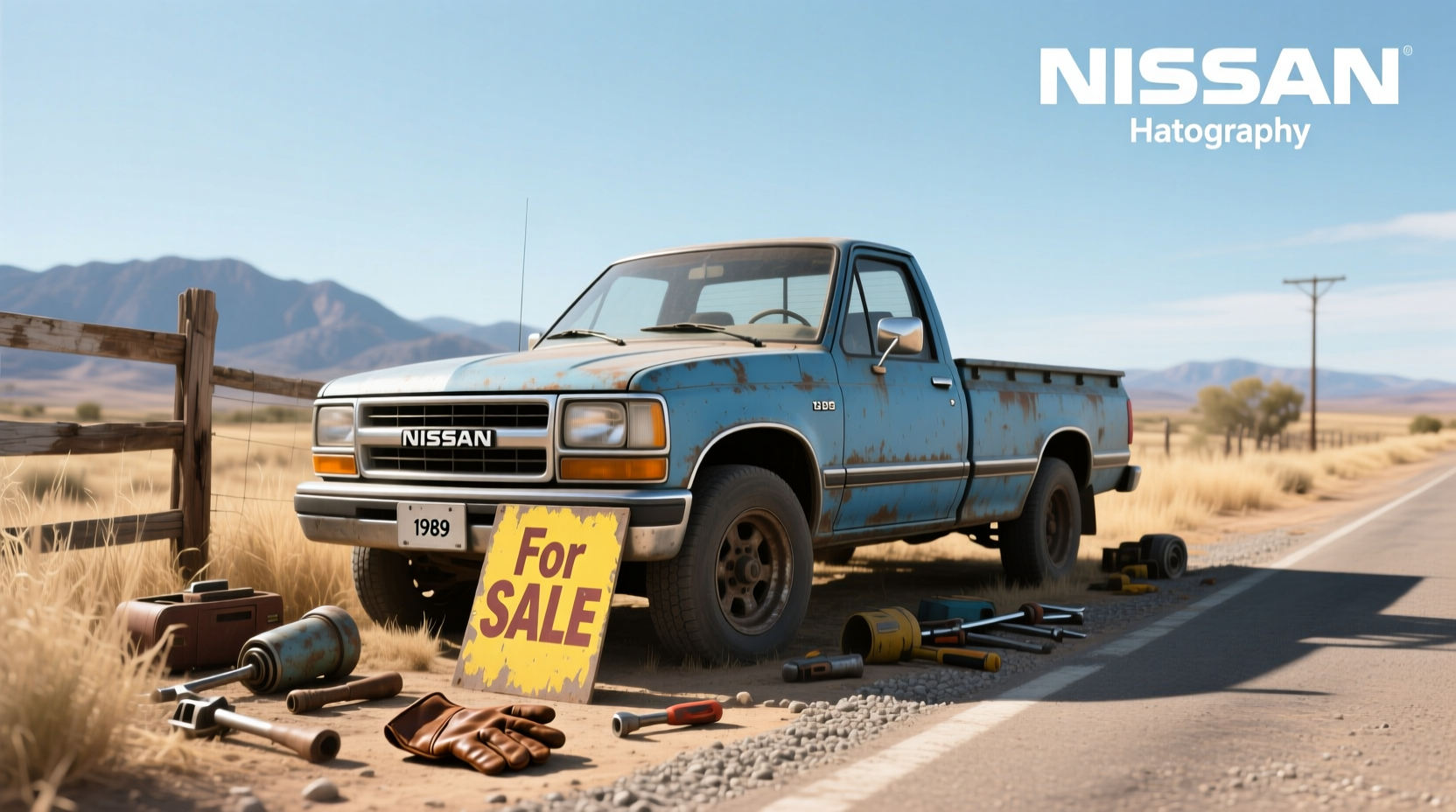
The 1994 Hardbody came in several configurations, but only a few affect real-world value.
By Drivetrain
- 2WD (Rear-Wheel Drive): Lighter, slightly better fuel economy, simpler maintenance. Common in fleet or urban use. Less desirable today unless priced aggressively.
- 4x4 (Four-Wheel Drive): More complex transfer case and front differential, but far more capable off-road and in snow. Commands a significant price premium — especially with manual transmission.
By Engine
- KA24E 2.4L Inline-4: Reliable, economical, but underpowered when loaded. Found in most base models. Acceptable if well-maintained, but rarely sought after.
- VG30E 3.0L V6: Smoother, stronger, and more desirable. Adds towing capacity and highway stability. A key factor in higher valuations.
By Cab Style
- Regular Cab: Two doors, basic interior. Often used commercially. Lower resale due to limited utility.
- King Cab: Extended cab with small rear-hinged jump seats. Offers extra storage and occasional passenger space. Most popular configuration among private buyers.
By Transmission
- Manual (5-speed): Preferred by purists and off-roaders. Easier to inspect mechanically. Lasts longer under stress.
- Automatic (4-speed): More common, smoother daily driving. But harder to assess internal wear without test drives and fluid checks.
Key features and specifications to evaluate
When assessing a 1994 Hardbody, focus on these five areas:
Frame and Rust (🚚)
Check the frame rails, floor pans, wheel wells, and tailgate hinges. Surface rust is normal. Penetrating rust — especially along weld seams or near suspension mounts — is a dealbreaker. Moisture-prone regions produce more corrosion. Always crawl underneath.
When it’s worth caring about: If the truck sees winter roads or coastal climates.When you don’t need to overthink it: In dry climates with documented storage history.
Mileage (⏱️)
Low mileage (<100,000 miles) increases value significantly — but only if supported by maintenance records. High-mileage trucks (>200,000) aren’t automatically bad; many exceed 300,000 with routine care. However, neglected high-mileage examples hide expensive repairs.
When it’s worth caring about: For unmodified, original-condition trucks marketed as ‘survivors’.When you don’t need to overthink it: If the engine runs cleanly and fluids are fresh — high mileage may just mean proven reliability.
Interior Condition (🧼)
Fabric seats, vinyl floors, and rubber mats should be intact. Cracked dashboards, non-functional gauges, or sticky switches indicate age-related degradation. Aftermarket stereos are common and acceptable.
When it’s worth caring about: For collector-focused purchases or resale intent.When you don’t need to overthink it: For work-use buyers — functionality beats aesthetics.
Engine and Drivetrain (⚙️)
Listen for knocking, smoke on startup, or hesitation. Check oil color and transmission fluid condition. The V6 should idle smoothly. Test 4WD engagement manually. Manual gear shifts should feel crisp.
When it’s worth caring about: If the truck has been modified or lacks service history.When you don’t need to overthink it: If it starts easily, idles steady, and has no warning signs during a test drive.
Originality vs Modifications (🔍)
Stock trucks often hold more value among collectors. Lift kits, oversized tires, or engine swaps reduce appeal unless professionally done and reversible. Performance mods rarely add dollar value.
When it’s worth caring about: If buying for investment or enthusiast circles.When you don’t need to overthink it: If you plan to modify it yourself anyway — start with a solid donor.
Pros and cons
- ✅ Extremely reliable when maintained
- ✅ Simple mechanics — easy to repair at home
- ✅ Good fuel economy (for a pickup)
- ✅ Lightweight, agile handling
- ✅ Strong aftermarket support
- ❌ No safety features (no airbags, weak brakes by modern standards)
- ❌ Limited towing capacity (especially 4-cylinder models)
- ❌ Interior comfort and noise levels are outdated
- ❌ Increasingly hard to find truly clean examples
How to buy a 1994 Nissan Hardbody
Follow this checklist to avoid costly mistakes.
Step-by-step checklist
- Define your use case: daily driver, weekend toy, work truck?
- Determine budget range: $2,000–$5,000 for usable models; up to $20,000+ for pristine ones.
- Search platforms: Classic.com, Edmunds, KBB, local listings.
- Filter by location: dry states (AZ, NV, NM) typically have less rust.
- Verify VIN and ownership history.
- Schedule inspection — preferably with a mechanic familiar with D21s.
- Test drive thoroughly: include hills, stops, and 4WD test if applicable.
- Negotiate based on observed flaws and market comparables.
Decision flow
- Need capability? → Prioritize 4x4 + V6
- Want simplicity? → Choose manual transmission
- On a tight budget? → Consider 2WD 4-cylinder with solid frame
- Seeking longevity? → Favor low-mileage or well-documented high-mileage
- Planning modifications? → Don’t pay a premium for stock condition
Recommendations by scenario
- Budget buyer ($2k–$4k): 2WD King Cab, 4-cylinder, manual, under 150k miles, no major rust.
- Everyday driver: 4x4 V6, automatic, King Cab, AC functional, recent brakes/tires.
- Collector/enthusiast: Unmodified, under 100k miles, original paint, complete service history.
Red flags / what to avoid
- :frame damage or patched rocker panels
- engine smoke or transmission slippage
- inconsistent service records or title branding
- aftermarket wiring harnesses or cut dash panels
- price significantly below market average
Price & market insights
What is a Nissan Hardbody worth in 2024? Values vary widely. According to data from Classic.com, recent sales of 1994 models range from $11,000 (60k miles, modified) to $23,000 (12k miles, pristine)1. However, those represent top-tier examples. Most usable trucks sell between $2,000 and $4,000.
Base values depend on region and condition. Edmunds estimates a clean trade-in value around $1,900 for basic models, while private-party sales may reach $3,8002. Kelley Blue Book provides similar baselines but doesn’t reflect enthusiast premiums3.
Prices may vary by region/model/seller — always verify locally. Dry climate examples command higher prices. Collector markets (e.g., Classic.com) list values above general used platforms. If you’re a typical user, you don’t need to overthink this. Pay for condition, not rarity.
| Configuration | Avg. Market Range | Primary Buyers |
|---|---|---|
| 2WD, 4-Cyl, Regular Cab | $2,000 – $3,500 | Budget users, parts donors |
| 2WD, V6, King Cab | $3,000 – $5,000 | Daily drivers, light haulers |
| 4x4, 4-Cyl, King Cab | $3,500 – $6,000 | Off-road beginners, rural users |
| 4x4, V6, King Cab, Manual | $6,000 – $12,000+ | Enthusiasts, restorers |
| Low-Mileage Survivor (under 50k) | $10,000 – $20,000+ | Collectors |
Top-seller & competitive analysis
The 1994 Hardbody competes indirectly with other 1990s compact trucks: Toyota Tacoma (first gen, 1995+), Ford Ranger (mid-90s), and Chevrolet S-10. None match the Hardbody’s simplicity, but Toyotas generally hold value better due to broader trust in long-term reliability.
Yet the D21 stands out for mechanical accessibility. Its engines bolt directly to transmissions, and suspension components are shared across years. While the Tacoma offers more refinement, it also introduces more potential failure points (e.g., electronics, multi-link rear ends).
Among peer listings, the Hardbody often appears at lower price points — but clean 4x4 V6 models now rival early Tacomas in asking price. This suggests a narrowing perception gap.
Customer feedback synthesis
Based on owner discussions and marketplace reviews:
Most frequent praise:- “Still going strong at 280,000 miles with basic maintenance.”
- “Fixed the entire engine myself in my driveway — no special tools.”
- “Perfect size for city streets and back roads.”
- “Brakes feel soft compared to modern trucks.”
- “Noisy on highways — wind and road noise get old fast.”
- “Finding OEM parts takes time — junkyard diving helps.”
Sourcing & supplier tips
Look for trucks in arid regions: Arizona, New Mexico, Nevada, Utah, and Colorado typically have less rust. Facebook Marketplace and Craigslist remain viable, but cross-reference with national platforms like Classic.com to gauge true market value.
Specialty suppliers (e.g., RockAuto, Trail Tough Off Road) carry reproduction and upgraded parts. Junkyards still yield OEM components, especially in larger metro areas. Join online communities (e.g., DatsunRoadsters.com forums, Facebook groups) to access trusted sellers and restoration advice.
Maintenance, safety & legal considerations
Maintenance is straightforward: oil changes, brake inspections, coolant flushes, and timing belt replacement every 90,000–100,000 miles (critical for VG30E V6). Use factory service manuals — they’re freely available online.
Safety-wise, these trucks lack airbags, ABS, and crumple zones. Drive defensively. Upgrade brake pads and rotors if needed. Consider adding auxiliary lighting for night visibility.
Legally, ensure the vehicle meets your state’s emissions and safety inspection requirements. Some states exempt vehicles over 25 years old. Verify locally — rules may vary by region/model/seller.
Conclusion
If you need a simple, durable truck for light duty or personal use, the 1994 Nissan Hardbody — particularly a 4x4 V6 King Cab — remains a smart choice. If you're restoring or collecting, prioritize originality and low mileage. If you're using it as a tool, focus on structural integrity and drivetrain health. If you’re a typical user, you don’t need to overthink this. Buy clean, drive confidently, and maintain consistently.
Everything You Need to Know
What determines a 1994 Nissan Hardbody's value?+
Value depends primarily on condition, mileage, drivetrain (4x4 vs 2WD), engine (V6 vs 4-cylinder), cab style (King Cab vs regular), and originality. Trucks with rust, high mileage, or poor service history sell at lower prices. Clean, low-mileage 4x4 V6 King Cabs command the highest premiums, especially if unmodified.
Is the 3.0L V6 engine reliable?+
Yes, the VG30E V6 is robust when maintained. Key to longevity is timely timing belt replacement (every 90,000–100,000 miles). Avoid engines with known oil consumption or overheating issues. If it runs smoothly and holds compression, it’s likely sound.
Are parts still available for the D21?+
Yes, parts remain accessible through salvage yards, online retailers like RockAuto, and specialty suppliers. Many mechanical components are interchangeable across D21 years (1986–1997). Some trim pieces may require used sources, but critical systems are well-supported.
Should I buy a modified 1994 Hardbody?+
Only if modifications serve your needs. Lift kits, big tires, or engine swaps often reduce resale value and introduce unknowns. Assess whether changes were done professionally and whether they compromise structural integrity. For most buyers, stock is safer.
Where can I check a specific truck's appraisal value?+
Use Edmunds or Kelley Blue Book for baseline trade-in and private-party estimates. For collector-grade examples, review recent sales on Classic.com. Always adjust for local conditions and actual vehicle state.




 浙公网安备
33010002000092号
 浙B2-20120091-4