Short introduction
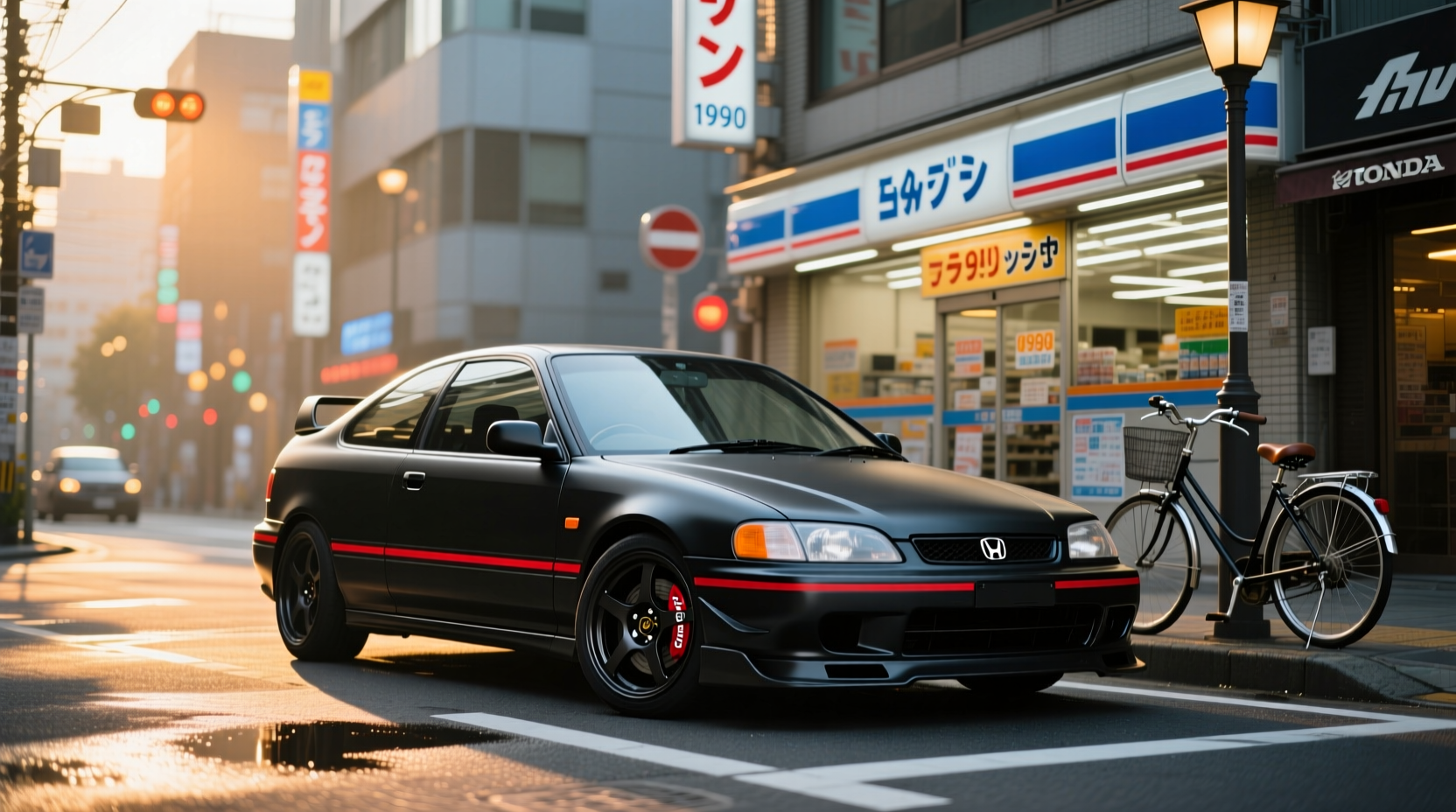
If you’re looking for a pure, analog driving experience in a lightweight front-wheel-drive package, the 1997 Honda Civic Type R (EK9) should be at the top of your list. This is how to choose a true JDM performance icon: focus on originality, drivetrain condition, and rust status. The EK9 stands out with its high-revving B16B VTEC engine (182 hp from 1.6L), helical limited-slip differential, seam-welded chassis, and race-inspired interior—key specs to verify when buying. Avoid cars with modified engines or missing OEM parts; authenticity affects both value and drive quality. If you’re a typical user, you don’t need to overthink this: if it drives sharp and retains factory components, it’s worth serious consideration.
About the 1997 Honda Civic Type R
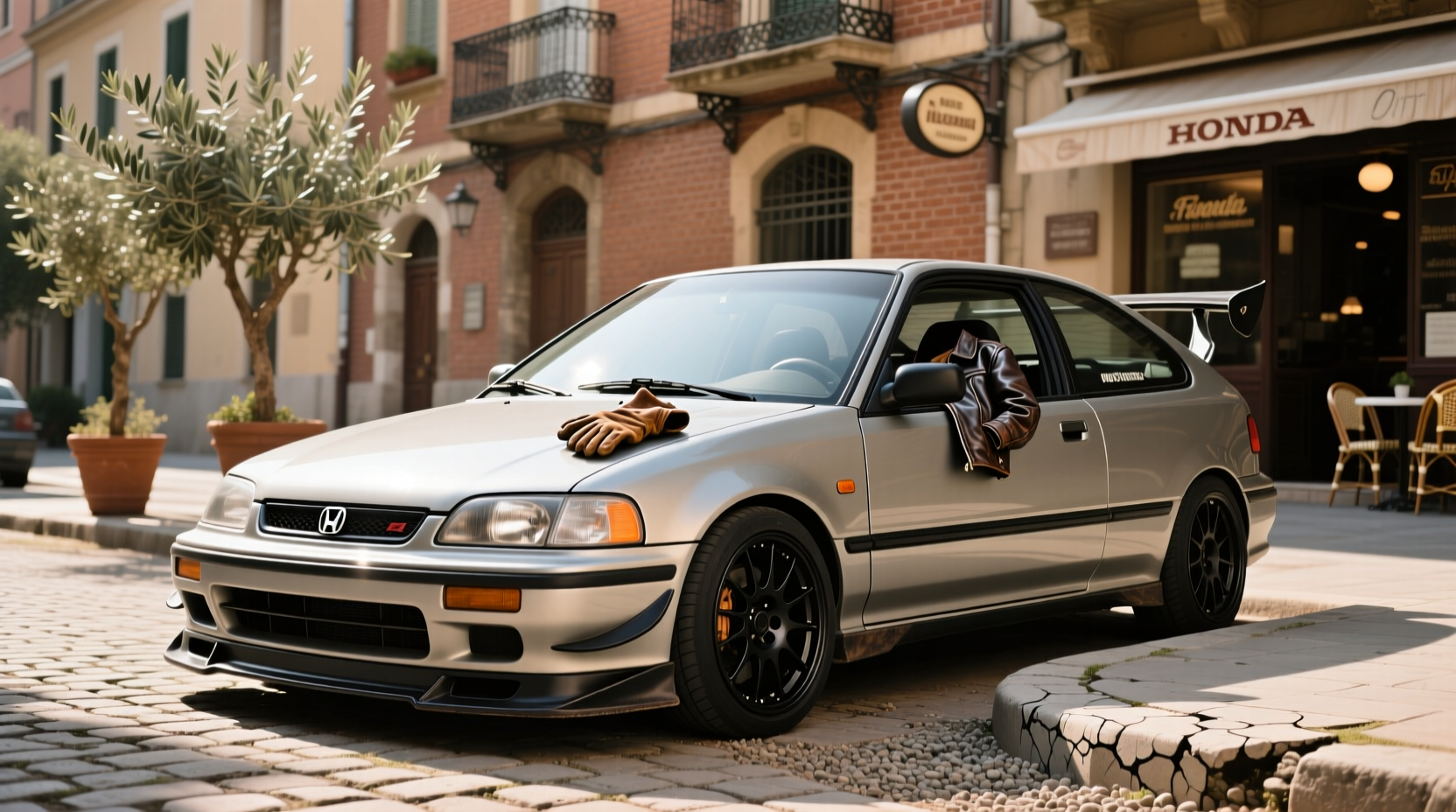
The 1997 Honda Civic Type R, known by its chassis code EK9, was the first Civic to carry the Type R badge—a designation reserved for Honda’s most driver-focused models. Built exclusively for the Japanese domestic market (JDM), it combined motorsport-inspired engineering with everyday usability. Unlike later turbocharged variants, the EK9 relied on a naturally aspirated, high-revving approach to performance. Its foundation was the ninth-generation Civic platform, but nearly every element was upgraded for responsiveness and balance.
Honda engineers prioritized weight reduction and rigidity. The EK9 featured seam-welded floor panels for increased chassis stiffness, lighter glass, and removal of sound-deadening materials. It weighed around 1,070 kg (2,360 lbs)—over 100 kg lighter than modern Civic Type Rs. Power came from the legendary B16B engine: a 1.6-liter inline-four with VTEC, producing 182 horsepower at 8,200 rpm and revving to 8,600 rpm redline. That’s over 113 hp per liter—an impressive figure even by today’s standards.
Transmission was a close-ratio 5-speed manual with a titanium shift knob, sending power through a torque-sensitive helical limited-slip differential. Suspension used stiffer springs, revised geometry, and larger anti-roll bars. Brakes were upgraded compared to standard Civics. Inside, occupants found red Recaro bucket seats, a MOMO leather-wrapped steering wheel, red floor mats, and aluminum pedals—visual cues that reinforced its track-ready intent.
Why the 1997 Civic Type R is gaining popularity
Lately, interest in analog performance cars has surged among enthusiasts tired of heavy, tech-laden modern vehicles. Over the past year, search volume for "1997 Civic Type R" has trended upward, driven by rising appreciation for lightweight, driver-involving machines. The EK9 represents a turning point: the moment Honda applied its racing philosophy to a compact hatchback.
This shift isn’t just nostalgic. Many drivers are rediscovering the joy of mechanical feedback, precise controls, and high-revving engines without electronic interventions. The EK9 delivers all three. It predates traction control, stability systems, and turbo lag. There’s no dual-clutch transmission or adaptive dampers—just a direct connection between driver and road.
If you’re a typical user, you don’t need to overthink this: the appeal lies in what’s missing as much as what’s present. No infotainment bloat, no driver aids masking poor technique. Just throttle response, clutch feel, and cornering grip defined by mechanical limits—not software.
Types and variants
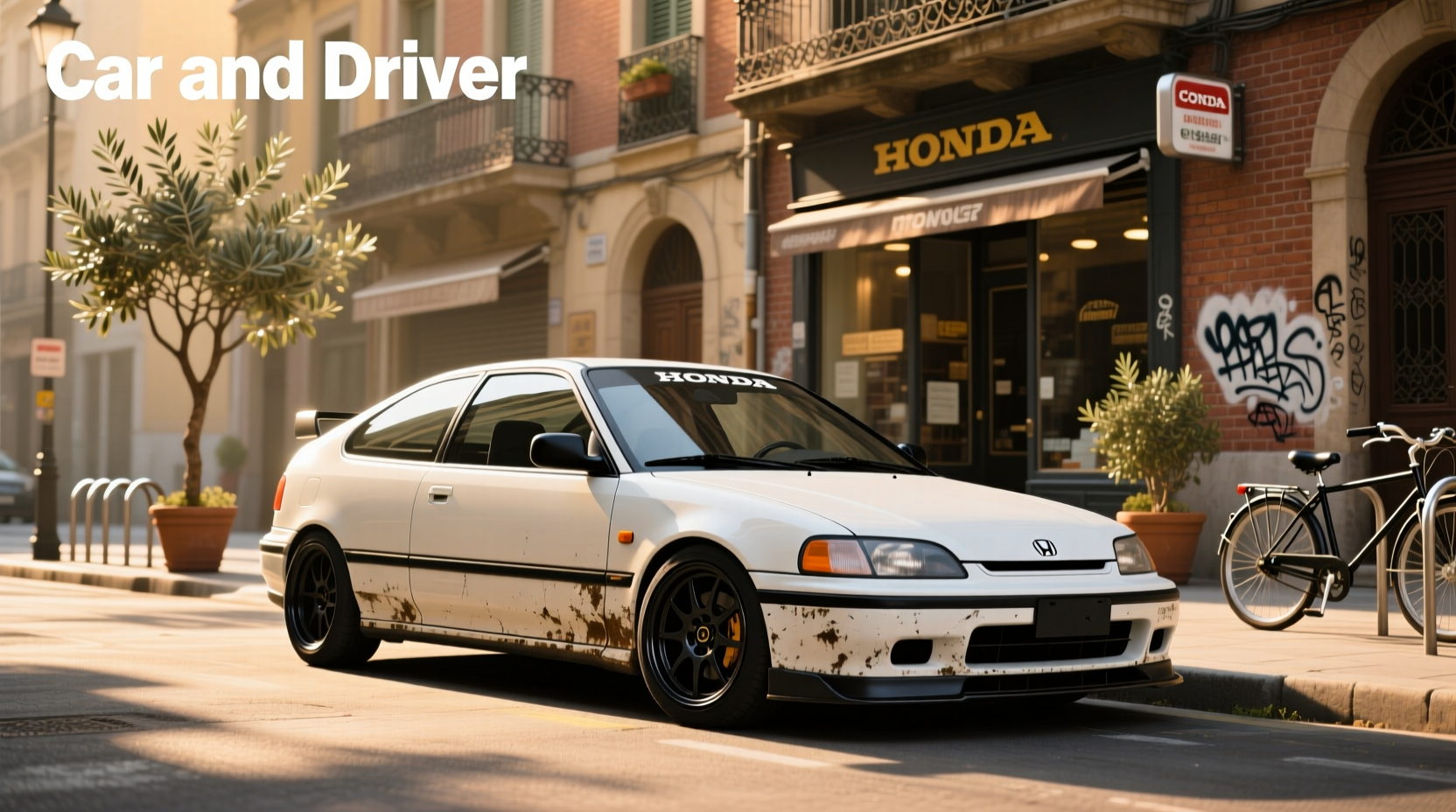
The 1997 Honda Civic Type R was offered only as a three-door hatchback with a single trim level: the EK9. However, subtle variations exist due to production timing and optional packages.
EK9 Base Model (Championship White & Other Colors)
- Pros: Full factory specification including B16B engine, LSD, seam-welded chassis, Recaros, MOMO wheel.
- Cons: Limited color options; non-white models may lack collectibility premium.
Optional Sunroof Package
- Pros: Adds ventilation and open-air feel.
- Cons: Increases weight slightly and introduces potential rust points around seals; structural rigidity marginally reduced.
RHD vs. LHD Markets
No official left-hand-drive version was produced. All EK9s were built as right-hand-drive for Japan. Some have been converted for export markets, which can affect resale value and authenticity.
- Pros: Original RHD units maintain higher collector interest.
- Cons: LHD conversions may suffer from fitment issues or electrical quirks.
If you’re a typical user, you don’t need to overthink this: prioritize original RHD examples with full factory specs. Modifications or conversions often reduce long-term satisfaction.
Key features and specifications to evaluate
When assessing a 1997 Civic Type R, certain components define ownership experience and longevity.
Engine: B16B VTEC Inline-Four
Rated at 182 hp at 8,200 rpm and 118 lb-ft of torque at 7,500 rpm, the B16B remains one of the most revered naturally aspirated engines. When it’s worth caring about: if the car has been overheated, misfired, or poorly maintained, internal wear can compromise performance. When you don’t need to overthink it: if service records show regular oil changes and timing belt replacements every 60,000–80,000 km, the engine likely remains healthy.
Transmission & Drivetrain
The close-ratio 5-speed manual is robust but sensitive to aggressive shifting. The helical LSD improves traction during corner exit. When it’s worth caring about: if the car feels loose under power or exhibits clunking noises, inspect differential fluid and bushings. When you don’t need to overthink it: smooth engagement and crisp shifts indicate normal operation.
Chassis and Body
Seam welding enhances torsional rigidity. Rust inspection is critical, especially in exported climates with road salt. When it’s worth caring about: visible corrosion on floor pans, suspension mounts, or subframes compromises safety and handling. When you don’t need to overthink it: surface rust on minor brackets is manageable if addressed early.
Interior Components
Original red Recaro seats, MOMO wheel, and titanium shift knob are signature elements. When it’s worth caring about: worn bolsters or cracked leather affect comfort and authenticity. When you don’t need to overthink it: minor scuffs are expected on a 25+ year-old car.
Pros and cons
| Aspect | Pros | Cons |
|---|---|---|
| Driving Experience | Pure, unfiltered feedback; high-revving engine thrill | No driver aids; steep learning curve for inexperienced drivers |
| Reliability | B16B engine durable with proper maintenance | Aging electronics and rubber components prone to failure |
| Ownership Cost | Fuel-efficient and mechanically simple | Parts scarcity outside Japan; labor costs add up |
| Resale Value | Strong demand among JDM collectors | Market volatility based on import regulations |
| Maintenance Access | Most repairs doable with basic tools | OEM-specific parts (e.g., LSD, ECU) hard to source |
How to buy a 1997 Honda Civic Type R
Buying an EK9 requires diligence. Follow this checklist to avoid costly mistakes.
Step-by-step checklist
- Verify VIN and chassis code (EK9) matches factory documentation.
- Inspect for rust—especially under carpets, wheel arches, and rear subframe.
- Check engine compression and VTEC engagement above 6,000 rpm.
- Confirm presence of OEM Recaro seats, MOMO wheel, and titanium shift knob.
- Review service history for timing belt, water pump, and differential fluid changes.
- Test drive for transmission smoothness and LSD function during tight turns.
- Ensure title is clean and import-compliant for your region.
Decision flow
- Are you seeking a daily driver? → Consider reliability trade-offs; climate and road conditions matter.
- Buying as an investment? → Prioritize low-mileage, well-documented, white-over-red examples.
- Planning modifications? → Understand that purists prefer stock builds; modifications may lower resale.
Recommendations by scenario
- First-time JDM buyer: Focus on verified dealers or specialists who provide pre-purchase inspections.
- Track enthusiast: Look for cars with documented maintenance and no overheating history.
- Collector: Target original paint, full-service records, and minimal aftermarket parts.
Red flags / what to avoid
- Modified engines (especially forced induction): often indicates prior damage or misuse.
- Absence of OEM interior pieces: suggests neglect or identity loss.
- Inconsistent mileage logs or missing paperwork: raises authenticity concerns.
- Heavy rust in structural areas: repair costs can exceed vehicle value.
- Vague ownership history: increases risk of hidden damage.
If you’re a typical user, you don’t need to overthink this: a clean, original EK9 with service proof is rare—and worth paying a premium for.
Price & market insights
Prices for the 1997 Civic Type R vary significantly by region, condition, and provenance. In Japan, values remain relatively stable due to domestic supply. In North America and Europe, prices have risen as import eligibility expands (e.g., 25-year rule). A well-maintained example may range from $25,000 to $40,000 USD as of 2025, with concours-condition models exceeding $50,000.
Factors influencing price include odometer reading, color combination (Championship White with red interior commands premium), completeness of OEM parts, and accident history. Prices may vary by region/model/seller—always check recent auction results or specialist listings for accurate benchmarks.
Top-seller & competitive analysis
The EK9 competes indirectly with other 1990s JDM icons like the Nissan Pulsar VZ-R N1, Toyota Corolla Levin BZ-R, and Mazda MX-5 Miata NA/NB. While not direct rivals in layout, they share ethos: lightweight, high-revving, driver-first design.
| Model | HP/Liter | Weight | LSD? | Collector Appeal |
|---|---|---|---|---|
| 1997 Honda Civic Type R (EK9) | 113.8 | 1,070 kg | Yes (helical) | ⭐⭐⭐⭐☆ |
| 1997 Nissan Pulsar VZ-R N1 | 106.3 | 1,060 kg | No | ⭐⭐⭐☆☆ |
| 1998 Toyota Corolla Levin BZ-R | 105.0 | 1,060 kg | Optional | ⭐⭐⭐⭐☆ |
| 1997 Mazda MX-5 Miata (NA) | 86.7 | 1,050 kg | No | ⭐⭐⭐⭐☆ |
The EK9 stands out for combining high specific output, factory LSD, and strong brand recognition. While others match or beat it in weight, none offer the same blend of engine drama and chassis precision.
Customer feedback synthesis
Owners consistently praise the EK9’s throttle response, steering feel, and emotional engagement. Common positive themes include:
- “The VTEC kick still excites after 20 years.”
- “Perfect weight balance for backroad driving.”
- “Simple to work on, rewarding to maintain.”
Recurring complaints involve:
- “Hard to find OEM replacement parts overseas.”
- “Seats are supportive but firm for long drives.”
- “Climate control is weak; cabin gets hot in summer.”
If you’re a typical user, you don’t need to overthink this: the driving rewards far outweigh daily compromises—for those who value them.
Sourcing & supplier tips
For genuine parts, consider Japanese dismantlers or reputable JDM exporters. Websites like Goo-Net Exchange or CarZoot list verified inventory. Join online forums such as ClubCivic or Reddit’s r/JDM for leads on private sellers. Always request VIN-matched component histories when possible.
Avoid generic aftermarket replicas of Recaro seats or MOMO wheels—they diminish authenticity. Instead, verify part numbers against OEM catalogs. If sourcing locally, contact Honda heritage specialists or import-compliant garages familiar with EK9 systems.
Maintenance, safety & legal considerations
Regular maintenance includes timing belt replacement every 60,000–80,000 km, coolant flushes, and differential fluid checks. Brake system should be inspected annually due to age-related hose degradation.
Safety-wise, the EK9 lacks airbags (base model) and ABS was optional. While structurally sound when rust-free, passive safety is minimal by modern standards. Use seatbelts rigorously and consider upgrading brake lines to braided stainless steel.
Legality depends on local import rules. In the U.S., vehicles 25+ years old qualify for entry under NHTSA exemption. In Canada and Europe, requirements vary. To confirm compliance, verify with national transport authorities before purchase. This piece isn’t for keyword collectors. It’s for people who will actually use the product.
Conclusion
If you want a raw, engaging driving experience rooted in 1990s Honda engineering, the 1997 Civic Type R is a compelling choice. If you need daily practicality with modern safety and comfort, look elsewhere. For those in between: if you can accept vintage ownership quirks and prioritize mechanical purity, the EK9 delivers unmatched satisfaction per dollar. If you’re a typical user, you don’t need to overthink this—drive one, feel the difference, then decide.
Everything You Need to Know
The 1997 Civic Type R (EK9) was the first Civic to receive the Type R treatment, featuring a high-revving 182-hp B16B engine, helical LSD, seam-welded chassis, and race-inspired interior. Its analog driving experience and JDM exclusivity make it a sought-after classic.
Prices vary by condition and location, but expect $25,000–$40,000 USD for a solid example. Concours-grade models may exceed $50,000. Prices may vary by region/model/seller—check recent sales data for accuracy.
Yes, when properly maintained. Regular oil changes, coolant maintenance, and timing belt replacements every 60,000–80,000 km are essential. Avoid engines with overheating history or irregular servicing.
Yes. As of 2025, the 1997 model meets the 25-year import rule and can enter the U.S. without modification. Confirm with CBP and state DMV for registration details.
Inspect for rust, verify originality (Recaros, MOMO wheel, titanium knob), review service history, test VTEC engagement, and ensure clean title. A pre-purchase inspection by a JDM specialist is highly recommended.




 浙公网安备
33010002000092号
 浙B2-20120091-4