
Is the 1997 Dodge Ram 1500 Still Worth Buying? A Practical Guide
If you're looking at used trucks under $3,000 with decent power and towing capacity, the 1997 Dodge Ram 1500 is a realistic option—but only if you know what to look for in aging full-size pickups. Over the past year, interest in classic American trucks has grown, especially among DIYers and rural buyers who value mechanical simplicity over modern electronics. If you’re a typical user, you don’t need to overthink this: the 1997 Ram 1500 can be reliable, but it will require work. Key issues include frame and floor pan rust (especially in Northeast and Midwest climates), aging V8 engines needing attention, and worn suspension components like tie rods and ball joints. For light hauling or weekend use, a well-maintained example makes sense. For daily driving without repair funds, skip it.
About the 1997 Dodge Ram 1500
The 1997 Dodge Ram 1500 marked a turning point in pickup design. It was part of the second generation introduced in 1994, known for its bold styling, improved interior comfort, and stronger chassis compared to earlier models. Available in regular cab, club cab, and quad cab configurations, it offered seating for up to six and came with several engine options, including the 3.9L V6, 5.2L V8, and 5.9L V8. The latter provided strong torque for towing—still relevant today for small trailers or equipment hauling.
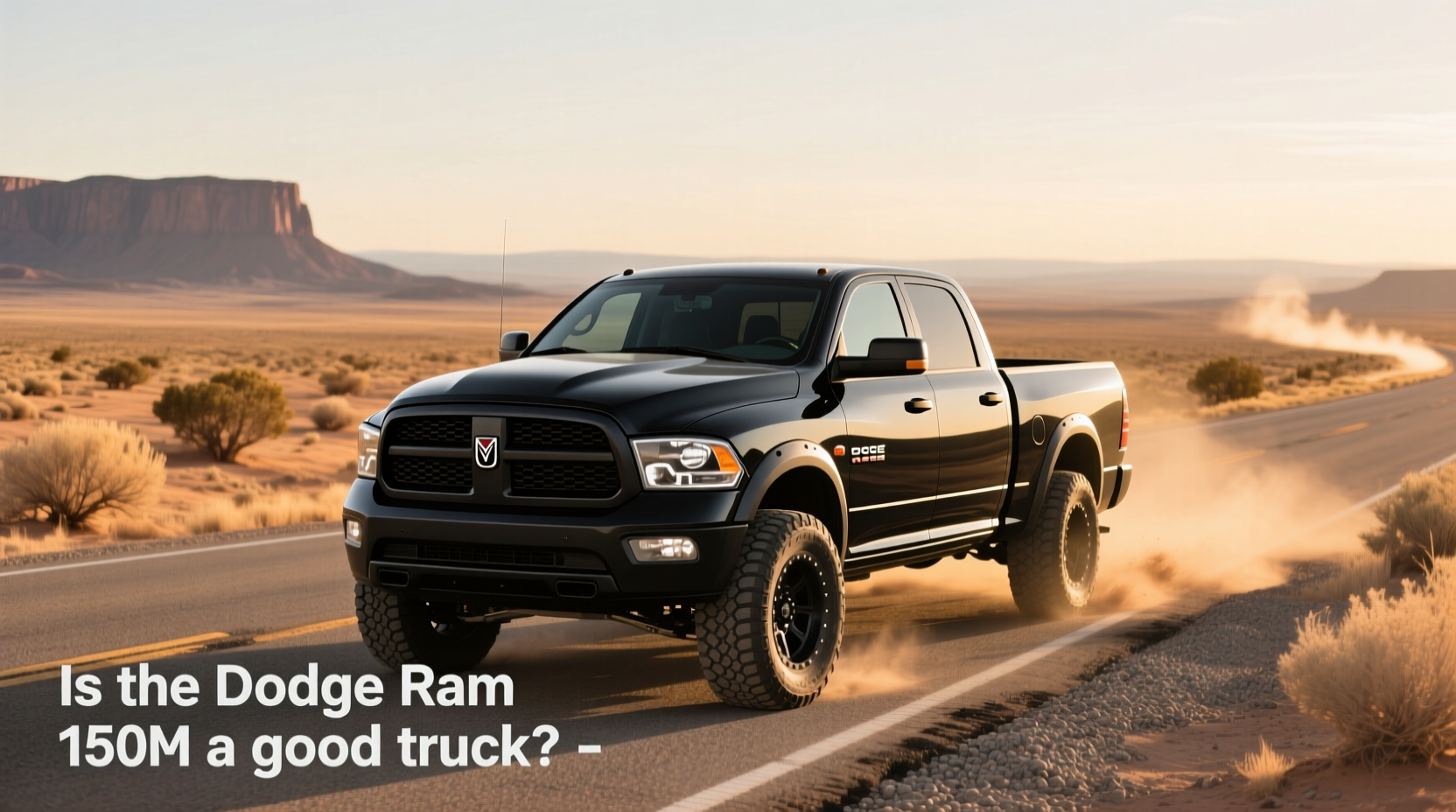
This model helped rebuild Dodge’s reputation in the full-size truck market. Its body-on-frame construction and live rear axle setup made it durable under load, while the coil-spring front suspension delivered a smoother ride than many competitors at the time. Many owners report high mileage from these trucks when basic maintenance is followed. However, nearly three decades of use means every unit now faces age-related degradation.
Why the 1997 Ram 1500 Is Gaining Popularity
Lately, older trucks like the 1997 Ram 1500 have seen renewed interest due to rising prices of newer used vehicles and growing appreciation for mechanical accessibility. Unlike modern trucks packed with sensors and software, the '97 Ram uses simple systems that most owners can inspect or repair themselves. That hands-on appeal resonates with hobbyists, first-time truck buyers, and budget-conscious workers who need utility without complexity.
Additionally, social media and forums such as Reddit 1 have amplified real-world ownership stories, showing both successes and failures. These firsthand accounts help buyers set realistic expectations. The emotional draw isn’t nostalgia alone—it’s confidence in understanding exactly what you’re getting into. If you’re a typical user, you don’t need to overthink this: either accept the trade-offs of age, or walk away.
Types and Variants
The 1997 Ram 1500 came in multiple configurations, each suited to different needs:
Regular Cab
- Pros: Lightest weight, lowest price, simplest layout
- Cons: Limited passenger space, no rear seat access
- Best for: Work use, tool transport, minimalism
Club Cab (Extended Cab)
- Pros: Rear-hinged jump seats for occasional passengers, extra storage
- Cons: Tight rear legroom, less structural rigidity over bumps
- Best for: Families needing occasional extra seats, weekend adventurers
Quad Cab (Introduced Later)
Note: True Quad Cab with forward-facing rear doors arrived after 1997. Some listings may mislabel Club Cabs as Quad Cabs.
Engine Options
- 3.9L V6: Adequate for light duty; avoid if towing is needed
- 5.2L Magnum V8: Balanced mix of power and efficiency; common replacement engine
- 5.9L Magnum V8: Best performance and towing; thirstier but more desirable

Key Features and Specifications to Evaluate
When assessing any 1997 Ram 1500, focus on these five areas:
1. Frame and Body Rust
Check frame rails, floor pans, rocker panels, and wheel wells. Surface rust is manageable, but structural corrosion compromises safety. When it’s worth caring about: If the truck sees winter roads or coastal environments. When you don’t need to overthink it: If it was garaged or stored indoors in dry climates.
2. Engine Condition
Listen for knocking or excessive lifter noise. Check oil for metal flakes. Verify timing chain wear—common issue around 150k–200k miles. When it’s worth caring about: If no service records exist. When you don’t need to overthink it: If recent rebuild documentation is available.
3. Transmission Health
The 46RE automatic was widely used but prone to slipping if fluid wasn’t changed regularly. Manual 5-speed NV3500 units are simpler and often more durable. When it’s worth caring about: High-mileage examples without transmission history. When you don’t need to overthink it: If shifting feels firm and smooth during test drive.
4. Suspension & Steering Components
Tie rod ends, ball joints, and idler arms wear out predictably. Jack up wheels and check for play. When it’s worth caring about: Trucks with over 100k miles and unknown maintenance. When you don’t need to overthink this: If recently serviced or upgraded with aftermarket parts.
5. Interior Integrity
Dashboards crack frequently due to heat and UV exposure. Look for intact gauges and functioning HVAC controls. When it’s worth caring about: If resale or long-term ownership matters. When you don’t need to overthink it: As long as core functions work, cosmetic flaws are low priority.
Pros and Cons
| Category | Advantages | Drawbacks |
|---|---|---|
| Powertrain | Strong V8 options; easy to swap or upgrade | Fuel economy averages 13 city / 17 highway MPG |
| Repairability | Widely available parts; simple diagnostics | Labor costs add up quickly if not DIY |
| Ride Quality | Comfortable for an older truck; good visibility | Noise levels increase with age; minimal sound insulation |
| Longevity | Many exceed 200k miles with care | Age-related failures inevitable without upkeep |
How to Buy a 1997 Dodge Ram 1500
Follow this step-by-step checklist to avoid costly mistakes.
Step-by-Step Checklist
- Verify VIN and run a vehicle history report (if possible)
- Inspect underneath for rust, leaks, and frame damage
- Start engine cold—listen for unusual noises
- Test all gears and listen for transmission hesitation
- Check dashboard warning lights and instrument cluster
- Examine tires for uneven wear (indicates alignment issues)
- Ask for maintenance records—even partial ones help
- Take a 20-minute test drive on mixed terrain
Decision Flow
- If priced under $2,500 and shows minor wear → consider with inspection
- If priced over $3,500 and needs repairs → likely overvalued
- If located in rust-prone region and ungaraged → assume hidden corrosion
- If owner claims “garage-kept” but dash is cracked → question credibility
Recommendations by Scenario
- Budget buyer ($1,500–$2,500): Prioritize 5.2L V8, manual transmission, lower miles. Accept cosmetic flaws.
- Daily driver candidate: Requires clean title, recent brakes/suspension work, and AC functionality.
- Project/restoration: Seek complete donor truck even if non-running. Avoid cut-up frames.
Red Flags / What to Avoid
- Smoke from exhaust after warm-up (sign of internal wear)
- Oily residue in radiator (head gasket failure)
- Sagging suspension or clunking over bumps
- Patchwork paint or mismatched body panels
- VIN discrepancies or missing paperwork
- “Just needs love” descriptions without specifics
If you’re a typical user, you don’t need to overthink this: walk away from anything requiring major mechanical investment unless you’re prepared to do the labor yourself.
Price & Market Insights
As of now, prices range from $1,500 for non-running projects to $4,000 for restored or low-mileage examples. Most functional units sell between $2,200 and $3,000. Prices may vary by region/model/seller depending on local demand, weather conditions, and availability of similar trucks. In drier states like Arizona or Texas, cleaner examples are more common. In northern states, winter salt accelerates rust. Always compare listings locally using platforms like Cars.com 2 or KBB value estimator tools 3. There is no national standard pricing for 27-year-old trucks—condition dominates value.
Top-Seller & Competitive Analysis
The 1997 Ram 1500 competes in the same niche as the Ford F-150 (1992–1996 “brick nose”) and Chevrolet K1500 (1995–1998). Here's how they compare:
| Model | Reliability Perception | Parts Availability | Common Weakness |
|---|---|---|---|
| 1997 Dodge Ram 1500 | High (with maintenance) | Excellent | Frame rust, dash cracking |
| 1995–1998 Chevy K1500 | Moderate to high | Excellent | Electrical gremlins, intake manifold cracks |
| 1992–1996 Ford F-150 | High | Very Good | Ignition switch failures, brake line rust |
All three share similar strengths: rugged frames, straightforward mechanics, and strong V8 options. The Ram stands out for its superior ride comfort and distinctive appearance, though some find the interior dated. None are flawless; each demands vigilance regarding age-specific issues.
Customer Feedback Synthesis
After reviewing owner experiences from Edmunds 4, CarThrottle 5, and Reddit discussions, two patterns emerge.
Most Frequent Praise:
- “Easy to work on”—owners appreciate accessible engine bays and standard tools
- “Still going strong at 200k+ miles”—longevity reported with basic oil changes and cooling system care
- “Fun to drive”—despite age, the V8 rumble and upright seating deliver satisfaction
Most Common Complaints:
- “Rust took out the frame”—especially in snowbelt regions
- “Dashboard disintegrated”—UV damage leads to crumbling plastic
- “Constant small fixes”—tie rods, water pumps, alternators fail routinely past 150k miles
If you’re a typical user, you don’t need to overthink this: ongoing maintenance is expected, not exceptional.
Sourcing & Supplier Tips
Private sellers dominate this segment. Dealers rarely stock 1997 Rams unless restored. When sourcing:
- Search locally to avoid shipping risks
- Prefer single-owner vehicles with partial records
- Contact salvage yards for project donors
- Use forums like DodgeTalk.com to connect with enthusiasts
Aftermarket suppliers offer reproduction dashes, suspension kits, and grille components. OEM parts remain available through Mopar dealers for critical items. Beware counterfeit accessories online—stick to reputable vendors.
Maintenance, Safety & Legal Considerations
Basic maintenance includes oil changes, coolant flushes, brake inspections, and steering component checks. While no federal mandates apply solely to 1997 trucks, registration requirements vary by state. Emissions testing applies in certain counties—verify eligibility before purchase. Safety-wise, lack of airbags (except driver-side in later trims) and ABS (optional) means stopping distances are longer than modern standards. Upgrading brakes or adding auxiliary lighting improves real-world safety. Always confirm local regulations through your DMV website.
Conclusion
If you need a mechanically simple, powerful, and affordable truck for light work or nostalgic driving, the 1997 Dodge Ram 1500 is a valid choice—if sourced carefully. If you expect reliability without effort, choose something newer. This piece isn’t for keyword collectors. It’s for people who will actually use the product.




 浙公网安备
33010002000092号
 浙B2-20120091-4