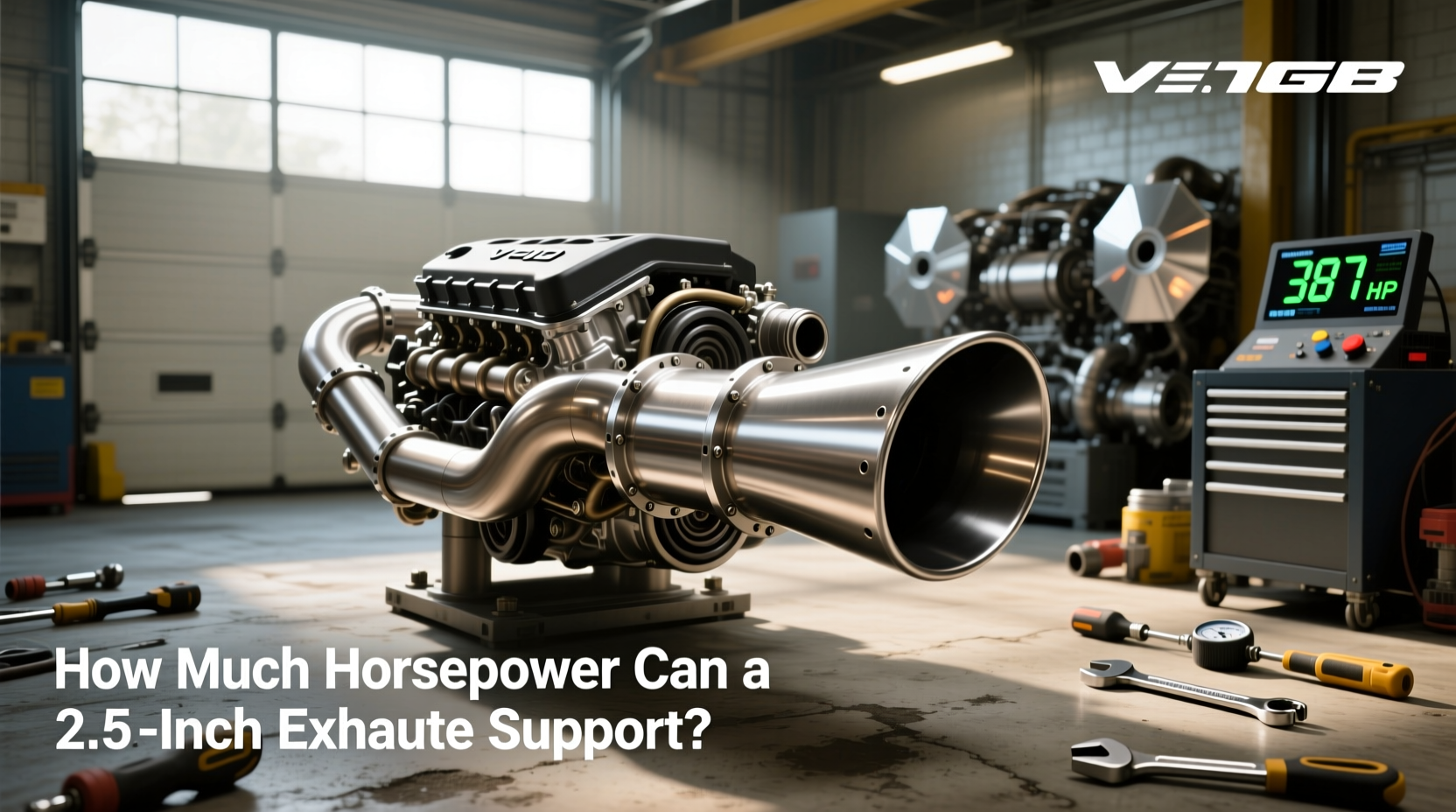
When selecting a 2.5 inch pie cut for exhaust, one of the most critical questions is: how much horsepower can a 2.5 inch exhaust support? Based on widely accepted engineering guidelines, a dual 2.5-inch exhaust system (totaling 5 inches of diameter) can support up to approximately 500 horsepower 12. However, real-world applications show that well-designed 2.5-inch systems can handle engines producing 450 to over 800 horsepower, especially in street/strip or naturally aspirated setups 3. The key factors affecting performance include engine type (forced induction vs. naturally aspirated), camshaft profile, header design, and muffler selection. For engines exceeding 700 hp, simulation tools or dyno testing are recommended to optimize flow efficiency ⚙️.
About 2.5 Inch Pie Cut for Exhaust: Definition and Use Cases
A "pie cut" refers to a method of creating bends in exhaust tubing by making precise angled cuts and welding them together, allowing for custom-fit curves without kinking. A 2.5 inch pie cut for exhaust typically describes a section of exhaust pipe with an inner diameter of 2.5 inches, fabricated using this technique for high-performance or custom installations 🧰.
This approach is commonly used in:
- Custom exhaust fabrication for muscle cars, hot rods, and track vehicles ✅
- Aftermarket upgrades where off-the-shelf mandrel bends don't fit chassis constraints 🔧
- Race builds requiring optimized routing for ground clearance or component avoidance 🏁
The 2.5-inch diameter strikes a balance between flow capacity and fitment, making it popular among enthusiasts seeking moderate power gains without excessive noise or cost.
Why 2.5 Inch Pie Cut for Exhaust Is Gaining Popularity
The rise in demand for 2.5 inch pie cut for exhaust components stems from several trends in automotive modification:
- Increased DIY Fabrication: More hobbyists are building custom exhausts at home using affordable tubing and welders, driving interest in pie-cut techniques 🛠️.
- Performance-to-Cost Ratio: A 2.5-inch system offers noticeable improvements over stock 2.25-inch exhausts without requiring major modifications.
- Versatility: Suitable for both V6 and V8 engines producing 250–600 hp, especially in naturally aspirated configurations.
- Street-Legal Modifications: Many regions allow moderate exhaust upgrades if noise and emissions standards are met, making 2.5-inch systems a compliant choice.
Additionally, online communities and video tutorials have demystified exhaust tuning, empowering users to make informed decisions about how much horsepower a 2.5 inch exhaust can support in their specific application.
Types and Variants
Different types of 2.5-inch pie-cut exhaust components vary based on material, bend style, and finish:
| Type | Pros | Cons |
|---|---|---|
| Mild Steel | Low cost, easy to weld, widely available | Prone to rust over time, requires coating |
| Stainless Steel (304/321) | Corrosion-resistant, durable, clean appearance | Higher cost, harder to weld |
| Aluminized Steel | Better rust resistance than mild steel, affordable | Coating may degrade under extreme heat |
| Pre-Bent Pie Sections | Saves time, consistent angles, ideal for beginners | Limited flexibility for unique chassis layouts |
| Custom Hand-Cut | Fully customizable, optimal routing | Requires advanced welding skills |
Choosing the right variant depends on your fabrication skill level, budget, and intended use—daily driver vs. track-focused build.
Key Features and Specifications to Evaluate
When assessing a 2.5 inch pie cut for exhaust, consider these technical aspects:
- Wall Thickness: Typically 16- or 14-gauge steel. Thicker walls resist deformation but add weight.
- Cut Precision: Clean, symmetrical cuts ensure smooth welds and minimal flow restriction.
- Bend Radius: Tighter bends increase turbulence; aim for gradual curves where possible.
- Surface Finish: Smooth interiors reduce backpressure; look for deburred edges.
- Compatibility: Ensure outer diameter matches flanges, hangers, and catalytic converters.
Also verify whether the pipe is mandrel-bent (preferred) or crush-bent, as crushing reduces effective diameter and increases restriction.
Pros and Cons
| ✅ Pros | ❌ Cons |
|---|---|
| Supports up to ~500 hp in dual setup (rule of thumb) | May restrict forced-induction engines above 450 hp |
| Improves scavenging and mid-range torque | Can be too loud for daily driving if not muffled properly |
| Cost-effective upgrade path from stock | Custom pie cuts require welding expertise |
| Widely available materials and fittings | Potential fitment issues in tight chassis spaces |
How to Choose a 2.5 Inch Pie Cut for Exhaust
Follow this step-by-step guide to determine if a 2.5-inch system fits your needs:
- Assess Your Engine's Horsepower: Use the 1-inch-per-100-hp rule. A single 2.5-inch pipe supports ~250 hp; dual 2.5-inch pipes support ~500 hp total 2.
- Determine Engine Type: Forced-induction engines produce more exhaust gas. If you're running turbochargers or superchargers, lean toward larger diameters (3+ inches) beyond 400 hp.
- Evaluate Existing Components: Check header collector size, catalytic converter outlet, and muffler inlet to maintain consistent diameter transitions.
- Plan the Routing: Sketch the exhaust path. Pie cuts are best for complex turns where standard bends won’t fit.
- Select Material: For longevity, choose stainless or aluminized steel. Mild steel is acceptable for short-term or budget builds.
• Using pie-cut sections with inconsistent angles causing turbulence
• Mismatched diameters leading to bottlenecks
• Poorly sealed welds risking leaks or failure under pressure
• Ignoring local noise regulations during design
Price & Market Insights
Prices for 2.5 inch pie cut for exhaust materials vary significantly:
- Mild Steel Tubing: $15–$30 per 4-foot section
- Stainless Steel: $40–$80 per 4-foot section
- Pre-Fabricated Pie Bends: $25–$60 each, depending on angle and finish
Complete custom exhaust builds using pie cuts can range from $400–$1,200 in labor and materials, depending on complexity. While pre-bent kits offer savings, pie-cutting allows superior fitment in modified frames. Value is highest when balancing durability, flow efficiency, and installation precision.
Top-Seller & Competitive Analysis
While no universal "top seller" exists due to customization, common supplier offerings include:
| Supplier Type | Material Options | Best For |
|---|---|---|
| Speedway Motors | Mild, Aluminized, Stainless | DIY fabricators needing reliable stock bends |
| Eastwood Co. | Stainless, Aluminized | Enthusiasts wanting corrosion-resistant parts |
| eBay / Amazon Sellers | Mild Steel (mostly) | Budget builds; quality varies widely |
| Local Metal Shops | Custom alloys, thicknesses | High-end or race-specific projects |
When comparing options, prioritize consistency in cut geometry and wall integrity over price alone.
Customer Feedback Synthesis
Analysis of user forums and reviews reveals recurring themes:
- Positive Feedback:
- "Significant improvement in throttle response after upgrading from 2.25-inch stock exhaust."
- "Pie-cut sections allowed me to route around my transmission crossmember easily."
- "Well-cut stainless pieces welded cleanly and haven’t corroded in two years."
- Common Complaints:
- "Cheap eBay kit had uneven cuts—had to rework every joint."
- "Too loud for neighborhood driving even with resonators."
- "Misaligned flanges made final connection difficult."
Success often hinges on sourcing precision-cut components and planning the full system layout before cutting.
Sourcing & Supplier Tips
To source quality 2.5 inch pie cut for exhaust parts:
- Buy from reputable suppliers with clear specs on gauge, material grade, and dimensions 🔍
- Request photos of actual product if buying online
- For bulk purchases (e.g., shop resellers), ask for material certification
- Inspect weld prep edges: they should be clean, beveled, and free of burrs
- Verify return policies in case of fitment issues
Consider working with local metal suppliers who can cut to length and angle upon request, reducing waste and improving accuracy.
Maintenance, Safety & Legal Considerations
Maintain your exhaust system by:
- Inspecting welds and hangers annually for cracks or fatigue
- Checking for internal corrosion, especially in humid climates
- Ensuring clamps and gaskets remain sealed
Safety tips:
- Always install heat shielding near fuel lines or brake hoses
- Allow the system to cool before inspection
- Use jack stands when working underneath
Legally, confirm that your modified exhaust complies with local noise and emissions laws. Some areas prohibit removal of catalytic converters or mandate maximum decibel levels. Always check municipal codes before finalizing installation.
Conclusion
If you're building a performance vehicle with 300–600 horsepower, a well-designed 2.5 inch pie cut for exhaust system is a practical and effective choice. It supports ample airflow for naturally aspirated engines and many mild forced-induction setups. While the general rule suggests 500 hp as the upper limit for dual 2.5-inch systems, real-world data shows capable handling of higher outputs when paired with efficient headers and low-restriction mufflers 4. For engines exceeding 700 hp, especially with high boost or nitrous, consider stepping up to 3-inch or larger systems. Ultimately, success depends on proper design, quality materials, and attention to detail during fabrication.
Frequently Asked Questions
- Can a 2.5 inch exhaust handle a turbocharged engine?
- Yes, but with limitations. A 2.5-inch system works for turbo engines up to ~400–450 hp. Beyond that, increased exhaust volume from forced induction creates backpressure, reducing efficiency. Larger piping is generally recommended for high-boost applications.
- Is pie-cutting better than mandrel bending?
- Not inherently. Mandrel bends preserve diameter and flow but may not fit tight spaces. Pie-cutting offers routing flexibility but introduces potential turbulence if not welded smoothly. Each has its place depending on space and performance goals.
- What’s the difference between aluminized and stainless steel exhausts?
- Aluminized steel has a protective coating that resists rust for several years but will eventually degrade. Stainless steel (especially 304 grade) offers superior corrosion resistance and longevity, though at higher cost and difficulty in welding.
- Does a 2.5 inch exhaust increase horsepower?
- On engines previously restricted by smaller exhausts (e.g., 2.0–2.25 inches), a 2.5-inch upgrade can yield 5–15 hp gains through reduced backpressure and improved scavenging. Results depend on engine tuning and overall system design.
- Can I install a pie-cut exhaust myself?
- Yes, if you have welding experience and proper tools. Beginners should practice on scrap metal first. Pre-fabricated pie sections simplify the process, but precise measurement and alignment are critical to avoid leaks or misalignment.




 浙公网安备
33010002000092号
 浙B2-20120091-4