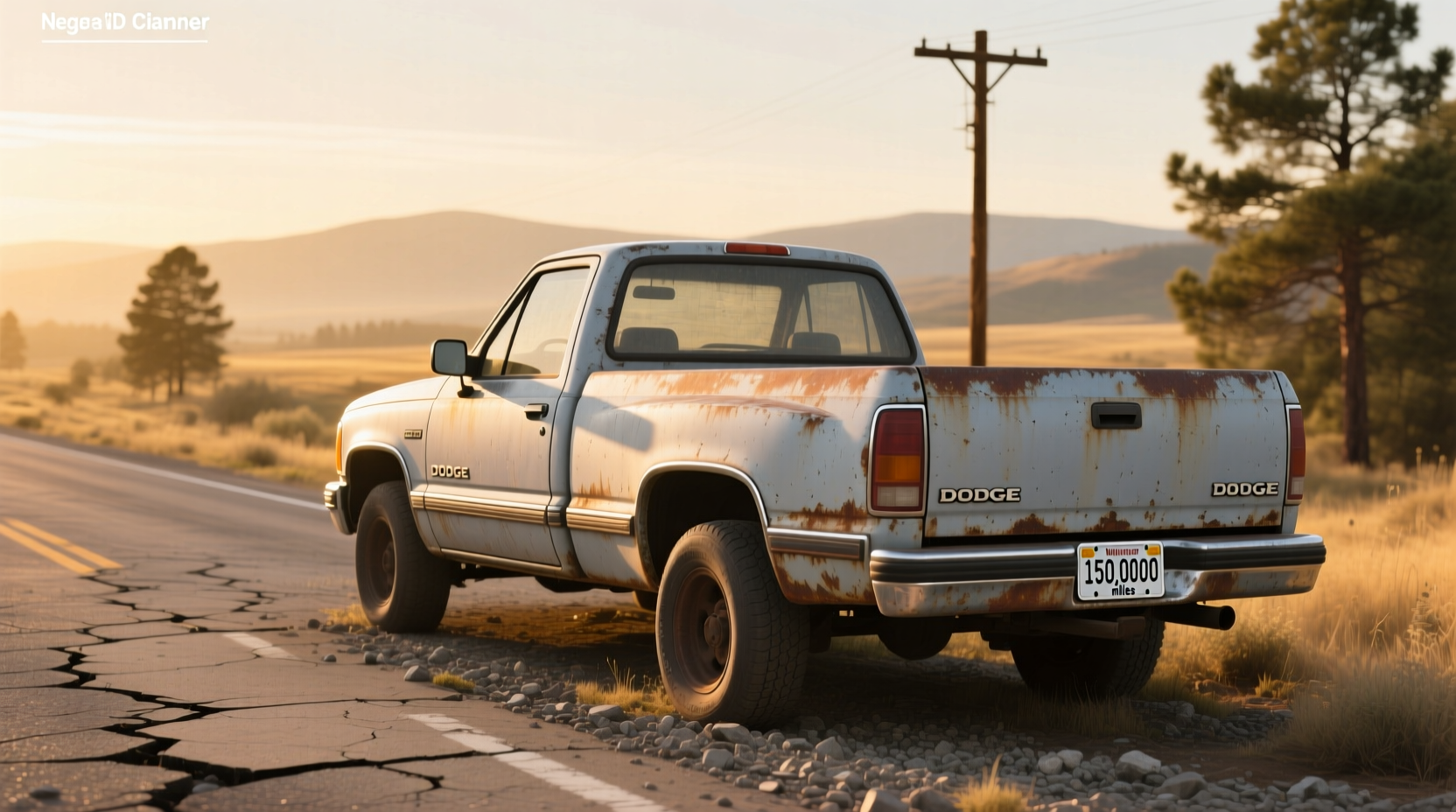
If you’re considering a used pickup truck that can handle daily driving or light work duty without breaking the bank, the 2000 Dodge Dakota is often on the list. How many miles does a 2000 Dodge Dakota last? Real-world reports show these trucks regularly reach 150,000–250,000 miles, with some exceeding 300,000 if maintained well. The most common engine options—the 3.9L V6 and 4.7L V8—are durable but require consistent oil changes and rust prevention. If you’re a typical user, you don’t need to overthink this. Focus on service history, frame condition, and transmission smoothness rather than obsessing over exact mileage.
This piece isn’t for keyword collectors. It’s for people who will actually use the product.
About the 2000 Dodge Dakota
The 2000 Dodge Dakota sits in the second generation of Dodge’s mid-size pickup lineup (1997–2004). It was designed to balance capability and comfort, offering both regular cab and quad cab configurations, rear-wheel or four-wheel drive, and multiple engine choices. While not as large as full-size pickups, it was marketed for buyers needing more utility than a car or SUV but preferring better fuel economy and maneuverability than a heavy-duty truck.
Available trims included base ST, mid-level SLT, and performance-oriented R/T models with the 5.9L V8. Over the past year, interest in older Dakotas has grown among budget-conscious buyers and DIY mechanics looking for affordable transportation or project vehicles. Its simple mechanical layout makes repairs accessible, and parts remain widely available through aftermarket suppliers.
Why the 2000 Dodge Dakota Is Gaining Popularity
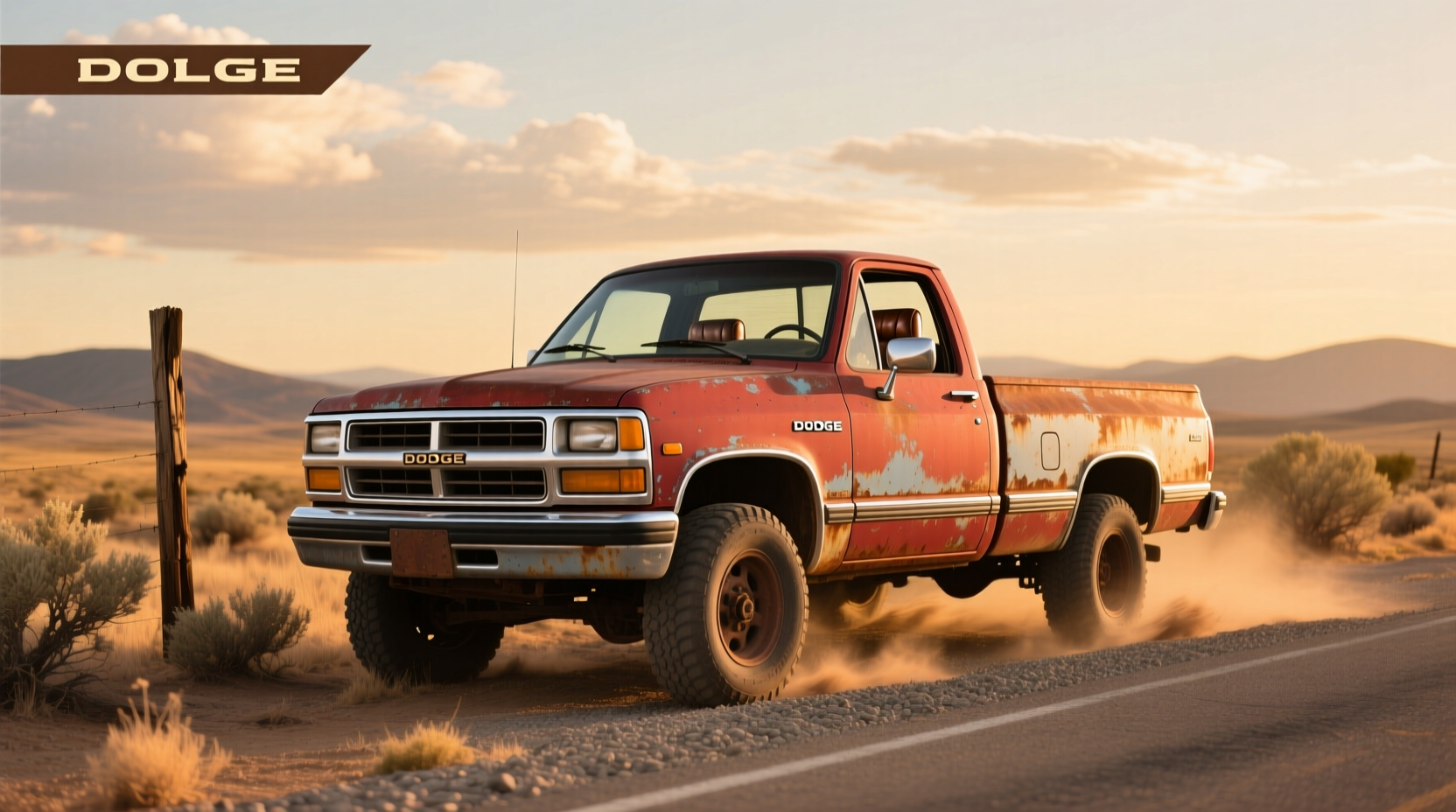
Lately, there's been renewed attention on older American trucks like the 2000 Dakota. This shift comes from rising new vehicle prices and increasing demand for mechanically simple, repairable vehicles. Unlike modern trucks packed with electronics and complex emissions systems, the 2000 Dakota relies on proven mechanical components that are easier and cheaper to fix.
Additionally, social media platforms and forums have highlighted real owners hitting 250,000+ miles with minimal investment beyond routine maintenance. These stories signal that longevity is achievable—not guaranteed, but possible with care. If you’re a typical user, you don’t need to overthink this. A clean title, no major accidents, and documented oil changes matter far more than chasing perfection.
This isn’t nostalgia-driven hype. It’s practicality resurfacing in response to current market conditions where affordability and self-reliance are valued.
Types and Variants
The 2000 Dakota came with several engine and drivetrain combinations. Choosing the right variant depends on your intended use—daily commuting, towing, off-roading, or occasional hauling.
3.9L V6 Engine
- Pros: Good fuel economy (~16 mpg city), lighter weight, fewer reported sludge issues compared to the 4.7L
- Cons: Lower towing capacity (~3,500 lbs), less power (175 hp), may feel sluggish when loaded
Best for: Light-duty use, city driving, buyers prioritizing cost of ownership.
4.7L PowerTech V8
- Pros: Stronger performance (230 hp), better towing (~6,000 lbs), smoother highway cruising
- Cons: Prone to oil sludge if oil changes are delayed, higher fuel consumption (~15 mpg combined)
Best for: Towing trailers, frequent highway use, drivers wanting more responsive acceleration.
5.9L V8 (R/T Trim Only)
- Pros: High output (250 hp), aggressive styling, strong low-end torque
- Cons: Poor fuel economy (~13 mpg), heavier wear on brakes and suspension, rarer and often modified
Best for: Enthusiasts, performance seekers, those using the truck for heavier loads.
If you’re a typical user, you don’t need to overthink this. The 4.7L offers the best balance for most people. Just ensure the previous owner kept up with oil changes.
Key Features and Specifications to Evaluate
When assessing a used 2000 Dakota, focus on these measurable and observable traits:
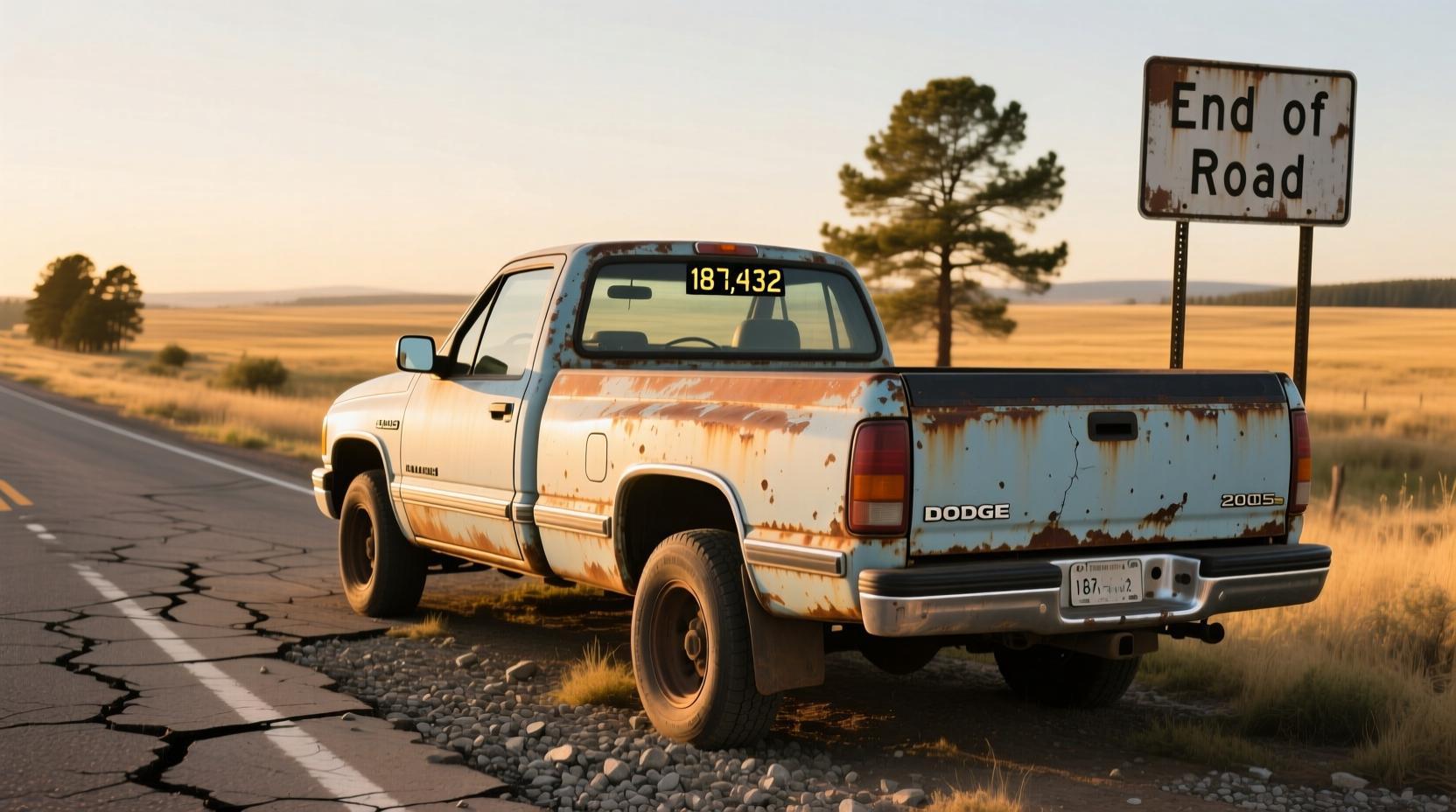
- Mileage: Over 200,000 miles isn’t disqualifying, but verify service records.
- Transmission: The 42RLE automatic is common; watch for slipping or harsh shifts.
- Engine Condition: Check for oil leaks, coolant contamination, and cold-start smoke.
- Rust Level: Inspect frame rails, wheel wells, and undercarriage—especially in salt-heavy regions.
- Interior Wear: Functional gauges, working HVAC, and intact seat fabric suggest overall care.
When it’s worth caring about: You plan to keep the truck long-term or rely on it daily.
When you don’t need to overthink it: You’re buying a lower-mileage example (<150k) with clean history and only light cosmetic wear.
Pros and Cons
| Aspect | Pros | Cons |
|---|---|---|
| Reliability | Durable engines when maintained; many exceed 200k miles | 4.7L prone to oil sludge; 2000 model year linked to early failures |
| Maintenance Cost | Parts are inexpensive; common at auto stores | Some repairs (transmission, ball joints) add up at high mileage |
| Fuel Economy | Better than full-size trucks (15–18 mpg typical) | Poor by today’s standards; worse with 5.9L or 4x4 |
| Towing Capacity | Up to 6,000 lbs with 4.7L V8 and proper setup | Requires trailer package; older hitches may need replacement |
| Ride Quality | Smoother than compact trucks; decent cabin space | Stiff ride empty; noise increases with age |
How to Choose a Reliable 2000 Dodge Dakota
Buying an older truck requires diligence. Here’s a step-by-step guide to avoid costly mistakes.
Step-by-Step Checklist
- Obtain a vehicle history report (check for accidents, floods, title status).
- Inspect the frame for rust—use a flashlight and probe tool under the truck.
- Start the engine cold: listen for knocking, check for blue/white exhaust smoke.
- Test drive: verify smooth shifting, brake responsiveness, and steering alignment.
- Review maintenance records: look for consistent oil changes every 3,000–5,000 miles.
- Check for known issue symptoms: rough idle, stalling, or warning lights related to cam sensor failure.
- Have a trusted mechanic perform a pre-purchase inspection (PPI).
Decision Flow
- Need basic transportation? → Prioritize 3.9L V6 with under 180k miles.
- Towing a small trailer or camper? → Choose 4.7L V8 with verified service history.
- On a tight budget? → Be prepared for upcoming repairs (ball joints, fuel pump, rack and pinion).
Recommendations by Scenario
- Daily Driver: Quad Cab, SLT trim, 4.7L V8, automatic, recent timing belt/service.
- Project Vehicle: Any condition with clean title and matching numbers; store in dry climate.
- Light Work Truck: 4x4 model with bed liner and tow package; avoid heavily modified examples.
Red Flags / What to Avoid
- No service history: High risk of hidden neglect, especially on oil changes.
- Frame rust or bubbling paint underneath: Structural compromise likely.
- Transmission hesitation or flaring: May indicate imminent rebuild need ($2,000+).
- Replaced camshaft position sensor recently: Could mean prior stalling episodes due to known defect.
- Modified exhaust or tune: Often masks underlying performance issues.
If you’re a typical user, you don’t need to overthink this. A clean, unmodified truck with documentation beats a shiny one with gaps in care.
Price & Market Insights
As of now, 2000 Dodge Dakotas sell for $1,500 to $6,000 depending on condition, location, and engine type. Well-maintained 4.7L models in good cosmetic shape typically range between $3,500 and $5,000. Prices may vary by region/model/seller—urban areas often see lower prices due to rust exposure, while drier climates command premiums.
There’s no official pricing authority for vintage trucks this old. To get accurate local value:
- Check classified listings on regional platforms
- Verify comparable sales via state DMV data or auction summaries
- Confirm whether the price includes recent major services (timing belt, transmission flush)
Top-Seller & Competitive Analysis
The 2000 Dakota competes in the same space as the Ford Ranger, Chevrolet S-10, and Toyota Tacoma. While not as refined as the Tacoma, it offers more power and cabin room than its Japanese counterpart. Compared to the Ranger, it has stronger V8 options but lags slightly in long-term corrosion resistance.
| Model | Strengths | Weaknesses | Avg. Price Range |
|---|---|---|---|
| 2000 Dodge Dakota | Powerful V8 options, spacious cab, simple mechanics | Frame rust risk, 4.7L sludge issues, aging electrical | $1,500–$6,000 |
| 2000 Ford Ranger | Reliable 4-cylinder, excellent fuel economy, tight handling | Limited towing, weaker V6 option, smaller bed | $2,000–$5,500 |
| 2000 Toyota Tacoma | Legendary durability, resale value, rust resistance | Lower horsepower, pricier parts, less interior space | $4,000–$9,000 |
| 2000 Chevrolet S-10 | Smooth ride, comfortable interior, wide dealer network (at time) | Bed rust, weak V6, declining part availability | $1,200–$4,000 |
If you’re a typical user, you don’t need to overthink this. The Dakota wins on power and utility; choose it if you prioritize capability over pristine longevity.
Customer Feedback Synthesis
Owner sentiment from forums and review sites reveals a clear pattern:
- Highly Praised: Engine durability (when maintained), ease of repair, towing ability, straightforward design.
- Frequently Complained About: Front ball joint wear (often fails by 100k–150k miles), rack and pinion leaks, fuel pump failures after 200k, paint oxidation.
- Surprising Positives: Several owners report 300,000+ miles with only minor repairs and synthetic oil use.
- Common Regrets: Buying a high-mileage example without a PPI, ignoring rust signs, underestimating repair costs post-purchase.
One recurring theme: owners who treat the 4.7L engine like a high-maintenance machine (frequent oil changes, premium filters) report far fewer issues than those treating it like a typical V8.
Sourcing & Supplier Tips
When sourcing parts or accessories:
- OEM components are still available through Mopar dealers or salvage yards
- Aftermarket brands like Dorman, Febi, and Standard Motor Products offer reliable replacements
- Online marketplaces can provide competitive pricing but verify seller reputation
- Join online communities (e.g., DodgeTalk Forum, Reddit r/DodgeDakota) for sourcing leads
If you’re buying internationally, ensure compatibility with local emissions or registration rules. Some countries restrict imports based on age or modifications.
Maintenance, Safety & Legal Considerations
Maintenance directly affects lifespan. Key items to track:
- Oil changes every 3,000–5,000 miles (synthetic recommended for 4.7L)
- Coolant flush every 5 years
- Ball joint and control arm inspection every 30k miles
- Fuel filter replacement every 60k miles
Safety-wise, the 2000 Dakota lacks modern features like ESC, side airbags, or backup cameras. It received mixed crash test ratings in its era. If safety is critical, consider upgrading brakes and tires regardless of tread life.
To confirm legal compliance:
- Check local DMV requirements for registration of vehicles over 25 years old
- Verify emissions testing rules in your state (some exempt older trucks)
- Ensure VIN matches title and registration documents
If you’re a typical user, you don’t need to overthink this. Regular upkeep prevents most breakdowns—and keeps insurance claims rare.
Conclusion
If you need a rugged, capable mid-size truck for light work or dependable daily use, the 2000 Dodge Dakota remains a viable option—provided you inspect carefully and accept its age-related realities. Choose the 4.7L V8 if you tow or drive highways frequently, but insist on proof of consistent oil changes. Opt for the 3.9L V6 if fuel economy and simplicity matter most. Avoid any example with frame rust or missing service history.
This piece isn’t for keyword collectors. It’s for people who will actually use the product.
Everything You Need to Know
❓ How many miles does a 2000 Dodge Dakota last?
With proper maintenance, a 2000 Dodge Dakota can last between 150,000 and 250,000 miles. Many owners report exceeding 300,000 miles, particularly with the 3.9L V6 or well-maintained 4.7L V8. Longevity heavily depends on oil change frequency, rust prevention, and driving habits.
❓ What are the most common problems with the 2000 Dodge Dakota?
The most frequent issues include front ball joint wear, rack and pinion leaks, fuel pump failure at high mileage, and engine oil sludge in the 4.7L V8 if oil changes are delayed. The 2000 model year is also associated with camshaft position sensor failures causing stalling.
❓ Is the 4.7L engine in the 2000 Dakota reliable?
The 4.7L PowerTech V8 can be reliable if maintained properly. Its main weakness is susceptibility to oil sludge buildup when oil changes are infrequent. Using synthetic oil and changing it every 3,000–5,000 miles significantly reduces risk. If you’re a typical user, you don’t need to overthink this—just verify maintenance history.
❓ Should I buy a 2000 Dodge Dakota with 200,000 miles?
Yes, if it has documented maintenance, no frame rust, and passes a pre-purchase inspection. At 200,000 miles, expect eventual major repairs (transmission, suspension), but many engines continue running strongly. If you’re a typical user, you don’t need to overthink this—mileage alone isn’t a dealbreaker.
❓ How much should I pay for a 2000 Dodge Dakota?
Prices typically range from $1,500 to $6,000. Well-kept 4.7L models sell for $3,500–$5,000. Factors affecting price include condition, location, service history, and optional features like 4x4 or towing packages. Always compare locally and verify title status before paying.




 浙公网安备
33010002000092号
 浙B2-20120091-4