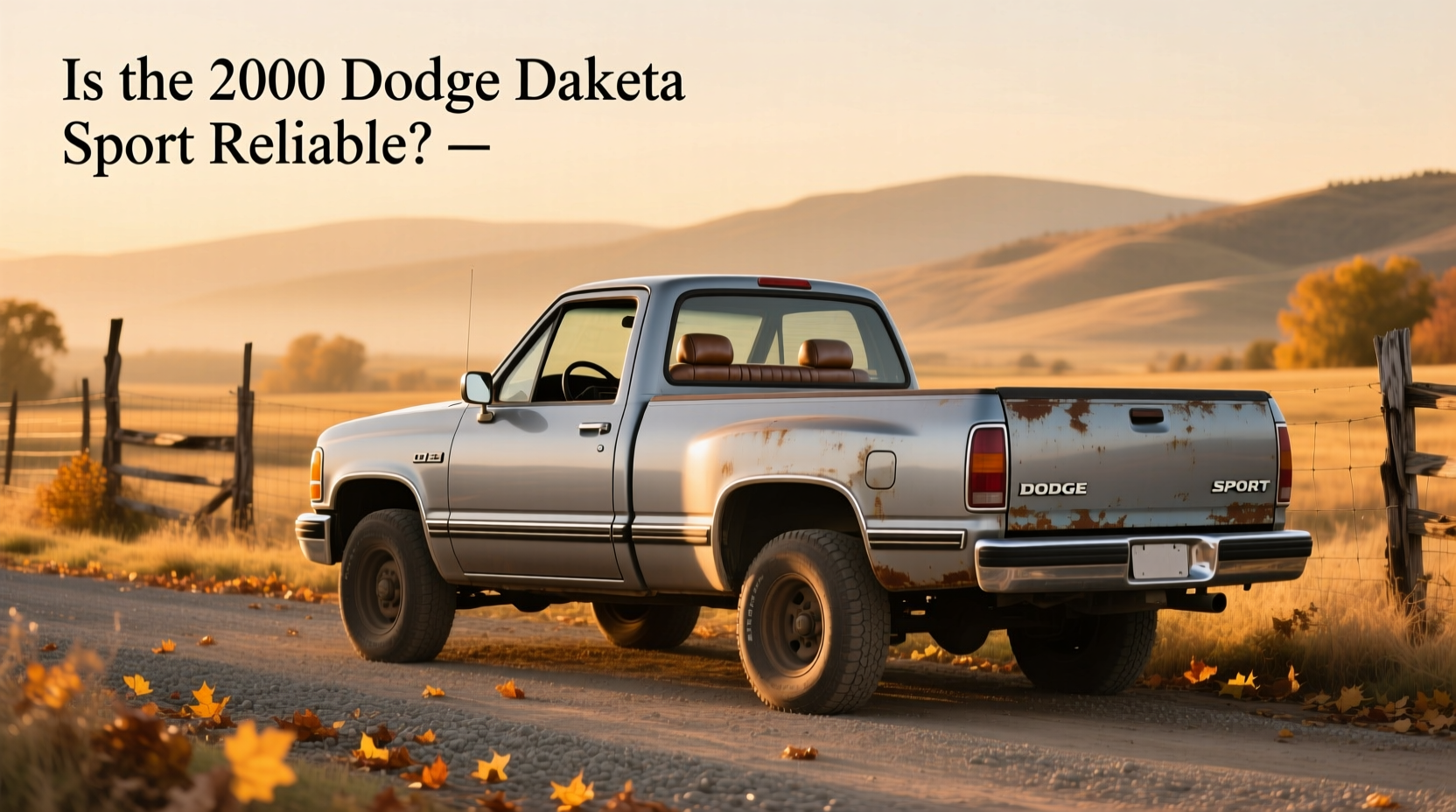
If you’re considering a used midsize pickup with character and V8 capability, the 2000 Dodge Dakota Sport is likely on your list. How to choose a reliable used truck like this comes down to three things: engine history, rust inspection, and verifying maintenance records. The 4.7L V8 is generally durable if oil changes were consistent, but ball joints and wheel bearings are known failure points. If you’re a typical user, you don’t need to overthink this: focus on documented service history and frame condition. This piece isn’t for keyword collectors. It’s for people who will actually use the product.
Lately, older American trucks have gained attention as affordable work vehicles and restoration projects. Over the past year, interest in pre-2005 models has risen due to their mechanical simplicity and aftermarket support. The 2000 Dakota fits this trend—it’s simple to repair, widely supported, and capable of lasting beyond 200,000 miles with basic care. But it’s not without flaws. Understanding what to look for in a 2000 Dodge Dakota Sport means balancing real-world durability against predictable wear items.
About the 2000 Dodge Dakota Sport
The 2000 Dodge Dakota Sport was part of the second generation of Dodge’s midsize pickup lineup. Offered in regular cab and quad cab configurations, it targeted buyers wanting more utility than a compact SUV but less bulk than a full-size truck. Available with rear- or four-wheel drive, it came with three engine options: a 3.9L V6, a 4.7L V8, and a rare 5.9L V8 in the R/T trim. The Sport trim emphasized value and functionality, often including cloth seating, manual windows, and AM/FM radio as standard.
This model marked the final year before a major refresh in 2001, meaning it shares design and engineering traits with earlier 1997–1999 models. While not revolutionary, it offered a straightforward platform that many owners found dependable for daily driving and light towing. Its unibody-derived frame and coil-spring suspension provided a smoother ride than some rivals, though off-road capability was limited compared to true body-on-frame competitors.
Why the 2000 Dodge Dakota Is Gaining Popularity
Recently, the 2000 Dakota has seen renewed interest among budget-conscious truck buyers and DIY mechanics. Its appeal lies in mechanical accessibility—most repairs can be done at home with basic tools. Unlike modern trucks packed with electronics, the 2000 Dakota relies on proven analog systems. That simplicity reduces repair costs and increases owner confidence.
Another factor is parts availability. Since the Dakota shared components with other Chrysler vehicles (like the Durango), replacement parts remain widely available and relatively inexpensive. Online forums and enthusiast groups also provide strong community support, making troubleshooting easier. For someone looking for a functional, low-cost truck, the 2000 Dakota Sport offers a compelling balance of power, size, and maintainability.
Types and Variants
The 2000 Dakota came in several trims and drivetrains. Choosing the right one depends on your needs—daily commuting, towing, or occasional off-roading.
Regular Cab vs. Quad Cab
- Regular Cab: Two doors, single-row seating. Lighter weight, better fuel economy, lower price. Best for solo drivers or those using the bed frequently.
- Quad Cab: Four doors with small rear-hinged access. Offers occasional rear passenger space. More versatile but slightly reduced cargo length.
Engine Options
- 3.9L V6: Base engine, ~175 hp. Adequate for city driving but struggles when loaded or towing. Known for decent longevity if maintained.
- 4.7L V8: Most popular option, ~230 hp. Stronger acceleration and towing (up to 6,000 lbs). Praised for smooth operation and durability—if oil changes were regular.
- 5.9L V8 (R/T): High-performance version, ~250 hp. Rare and heavier on fuel. Appeals to enthusiasts but harder to find today.
Drivetrain
- RWD: Standard. Simpler, lighter, cheaper to maintain. Less traction in snow or mud.
- 4x4: Optional. Better for slippery conditions and light off-roading. Adds complexity and potential leak points in transfer case.
If you’re a typical user, you don’t need to overthink this: the 4.7L V8 with 4x4 offers the best blend of capability and long-term usability.
Key Features and Specifications to Evaluate
When inspecting a 2000 Dakota, prioritize these areas:
- Engine Condition: Listen for knocking or ticking. Check for oil leaks around valve covers and rear main seal. A compression test can reveal internal wear.
- Transmission: The 4-speed automatic (45RFE or 46RE) should shift smoothly. Hesitation or flaring indicates trouble.
- Suspension: Jack up the front and check for play in ball joints and wheel bearings. These are common failure points 1.
- Frame and Undercarriage: Rust is the biggest threat, especially in northern states. Inspect frame rails, floor pans, and brake lines.
- Electrical System: Test all lights, gauges, and accessories. The instrument cluster can develop faulty sensors.
When it’s worth caring about: if the truck has over 150,000 miles or lived in a snowy, salted region. When you don’t need to overthink it: if maintenance records show regular oil changes and no major repairs.
Pros and Cons
| Pros | Cons |
|---|---|
| ✅ Proven 4.7L V8 engine (with proper maintenance) | ❌ Ball joints and wheel bearings wear prematurely |
| ✅ Simple, repairable design | ❌ Rust-prone frame in cold climates |
| ✅ Smooth ride for a midsize truck | ❌ Outdated safety features (no ESC, weak crash structure) |
| ✅ Affordable purchase price ($2,000–$6,000) | ❌ Poor fuel economy (13–16 mpg combined) |
| ✅ Strong aftermarket support | ❌ Limited cabin tech by modern standards |
If you’re a typical user, you don’t need to overthink this: the pros outweigh the cons if you're mechanically inclined or plan light-duty use.
How to Buy a 2000 Dodge Dakota Sport
Follow this step-by-step guide to avoid costly mistakes.
Step-by-Step Checklist
- Verify VIN and run a vehicle history report (Carfax or similar).
- Inspect for rust—especially under the bed, along frame seams, and inside rocker panels.
- Test drive: listen for suspension noises, check transmission shifts, and verify 4x4 engagement.
- Review maintenance records—look for consistent oil changes and recent ball joint replacements.
- Have a trusted mechanic perform a pre-purchase inspection.
- Check tire wear and alignment—uneven wear may indicate suspension issues.
- Confirm title status (clean, salvage, rebuilt).
Decision Flow
- Need a daily driver? → Prioritize low mileage and clean interior.
- Want towing capacity? → Choose 4.7L V8 with factory tow package.
- Living in a snowy area? → 4x4 is essential; avoid RWD unless garage-kept.
- On a tight budget? → RWD V6 models are cheapest but less capable.
Recommendations by Scenario
- First-time truck buyer: Look for a well-maintained 4.7L V8 Quad Cab with under 150k miles.
- DIY project: Consider a higher-mileage 4x4 with mechanical issues—can be fixed affordably.
- Work vehicle: Focus on bed condition, payload rating, and ease of tool storage.
Red Flags / What to Avoid
- ⚠️ No service history—assume the worst and budget for immediate repairs.
- ⚠️ Frame rust—especially holes or bubbling paint along the rails.
- ⚠️ Transmission slipping—this can cost $1,500+ to fix.
- ⚠️ Salvage title without full rebuild documentation.
- ⚠️ Engine overheating history—could indicate head gasket or cooling system damage.
This piece isn’t for keyword collectors. It’s for people who will actually use the product.
Price & Market Insights
As of 2024, prices for a 2000 Dodge Dakota Sport range from $2,000 for high-mileage, fair-condition models to $6,000 for well-kept examples with under 120,000 miles. Prices may vary by region/model/seller—trucks in dry southern states typically command higher values due to less rust. In northern regions, even clean examples sell for less due to corrosion risk.
Factors affecting value include engine type (V8s fetch premiums), cab style (Quad Cabs are more desirable), and drivetrain (4x4 adds $500–$1,000). Always verify local listings and compare similar conditions. Check seller return policies if buying online, and confirm whether the price includes taxes and fees.
Top-Seller & Competitive Analysis
The 2000 Dakota competed with the Ford Ranger, Chevrolet S-10, Toyota Tacoma, and Nissan Frontier. Here's how it stacks up:
| Model | Reliability | Power (HP) | Towing (lbs) | Maintenance Cost |
|---|---|---|---|---|
| Dodge Dakota 4.7L V8 | Medium | 230 | 6,000 | Low-Moderate |
| Ford Ranger V6 | High | 190 | 5,500 | Low |
| Chevrolet S-10 | Medium-Low | 180 | 5,000 | Moderate |
| Toyota Tacoma | High | 190 | 5,000 | Low |
| Nissan Frontier | Medium | 220 | 5,600 | Moderate |
The Dakota stands out for its V8 power and smooth ride but lags behind the Tacoma and Ranger in long-term reliability consensus. However, parts cost less than Japanese rivals, making ownership cheaper over time despite higher repair frequency.
Customer Feedback Synthesis
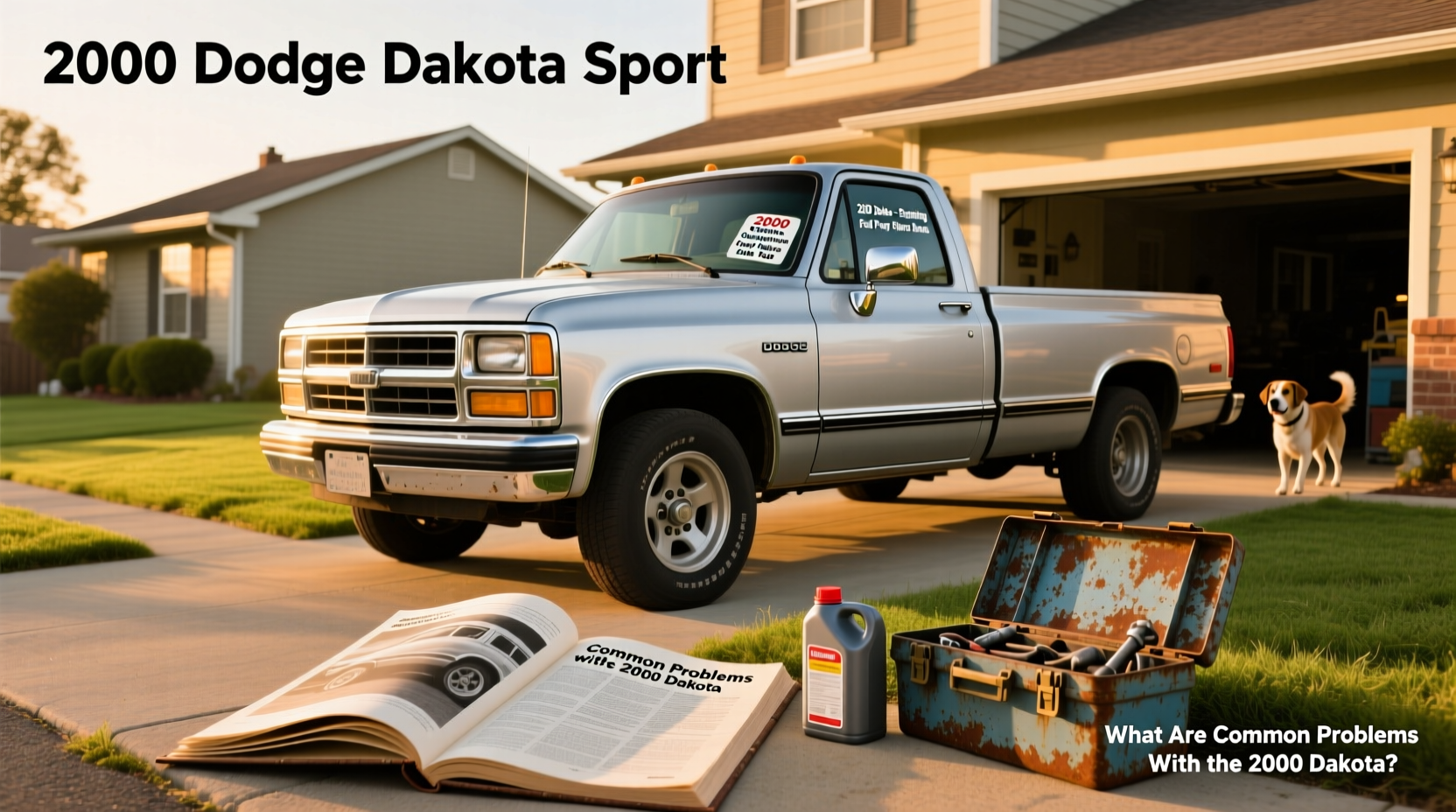
Analysis of owner reviews from KBB, Edmunds, and Reddit reveals consistent themes:
- High Praise: Many owners report 200,000+ mile reliability with minimal repairs. The 4.7L V8 receives repeated acclaim for smooth power delivery and towing confidence.
- Frequent Complaints: Steering wander, premature ball joint wear, and rust are the most cited issues. Some note poor winter traction due to light rear end.
- Ownership Sentiment: Among 1,400+ KBB reviewers, 88% recommend the 2000 Dakota 2. Long-term owners emphasize routine maintenance as the key to dependability.
If you’re a typical user, you don’t need to overthink this: satisfaction correlates strongly with ownership habits, not just the vehicle itself.
Sourcing & Supplier Tips
When sourcing parts or a complete vehicle:
- Use salvage yards for OEM components like control arms or bedsides.
- Online marketplaces (Facebook Marketplace, Craigslist) offer the widest selection but require extra diligence.
- Reputable dealers specializing in classic trucks may offer warranties or inspections.
- For hard-to-find parts, consider aftermarket suppliers like RockAuto or NAPA.
Always verify compatibility using the VIN or build sheet. Confirm return policies and shipping terms before purchasing online.
Maintenance, Safety & Legal Considerations
Maintenance is critical for longevity. Key intervals:
- Oil change: every 5,000 miles (synthetic recommended)
- Ball joint inspection: every 30,000 miles
- Brake fluid flush: every 2 years
- Transfer case and differential fluid: every 50,000 miles (4x4 models)
Safety-wise, the 2000 Dakota lacks electronic stability control, side airbags, and modern crumple zones. It performed poorly in later IIHS tests. Drive accordingly—avoid high speeds in emergency maneuvers.
Legally, ensure the vehicle meets your state’s emissions and safety inspection requirements. Classic vehicle exemptions may apply depending on age and usage. Confirm local regulations before registering.
Conclusion
If you need a simple, powerful, and repairable midsize truck for light work or nostalgic driving, the 2000 Dodge Dakota Sport is a viable choice—provided you inspect thoroughly and prioritize rust-free examples. If you need advanced safety, fuel efficiency, or guaranteed trouble-free ownership, look elsewhere. If you’re a typical user, you don’t need to overthink this: buy one that’s been cared for, not one that’s merely cheap.
Everything You Need to Know
Is the 2000 Dodge Dakota Sport reliable?
The 2000 Dodge Dakota Sport can be reliable with consistent maintenance, particularly timely oil changes and suspension inspections. The 4.7L V8 engine is durable, but ball joints and wheel bearings are common failure points. Real-world data shows many owners exceed 200,000 miles with minimal issues, while neglected examples face recurring repairs.
What are the most common problems with the 2000 Dakota?
Common issues include failing ball joints, worn wheel bearings, frame rust (especially in northern climates), and aging electrical connectors. The 4.7L engine is sensitive to delayed oil changes, which can lead to lifter or cam wear. Transmission hesitation may occur if fluid isn't changed regularly.
How much should I pay for a 2000 Dodge Dakota Sport?
Expect to pay between $2,000 and $6,000, depending on condition, mileage, and location. Well-maintained 4.7L V8 4x4 models with under 150,000 miles typically fall in the $4,000–$6,000 range. Prices may vary by region/model/seller—always compare locally and verify included features.
Can the 2000 Dakota handle winter driving?
With 4x4 and proper tires, yes—but the light rear end limits traction when unloaded. Adding weight (like sandbags) improves grip. RWD models struggle significantly in snow. If winter driving is frequent, 4x4 is strongly recommended.
Which engine is best in the 2000 Dakota?
The 4.7L V8 offers the best balance of power, towing, and longevity. The 3.9L V6 is adequate for light use but underpowered when towing. The 5.9L V8 (R/T) is rare and thirstier. For most buyers, the 4.7L is the optimal choice if maintenance history supports it.




 浙公网安备
33010002000092号
 浙B2-20120091-4