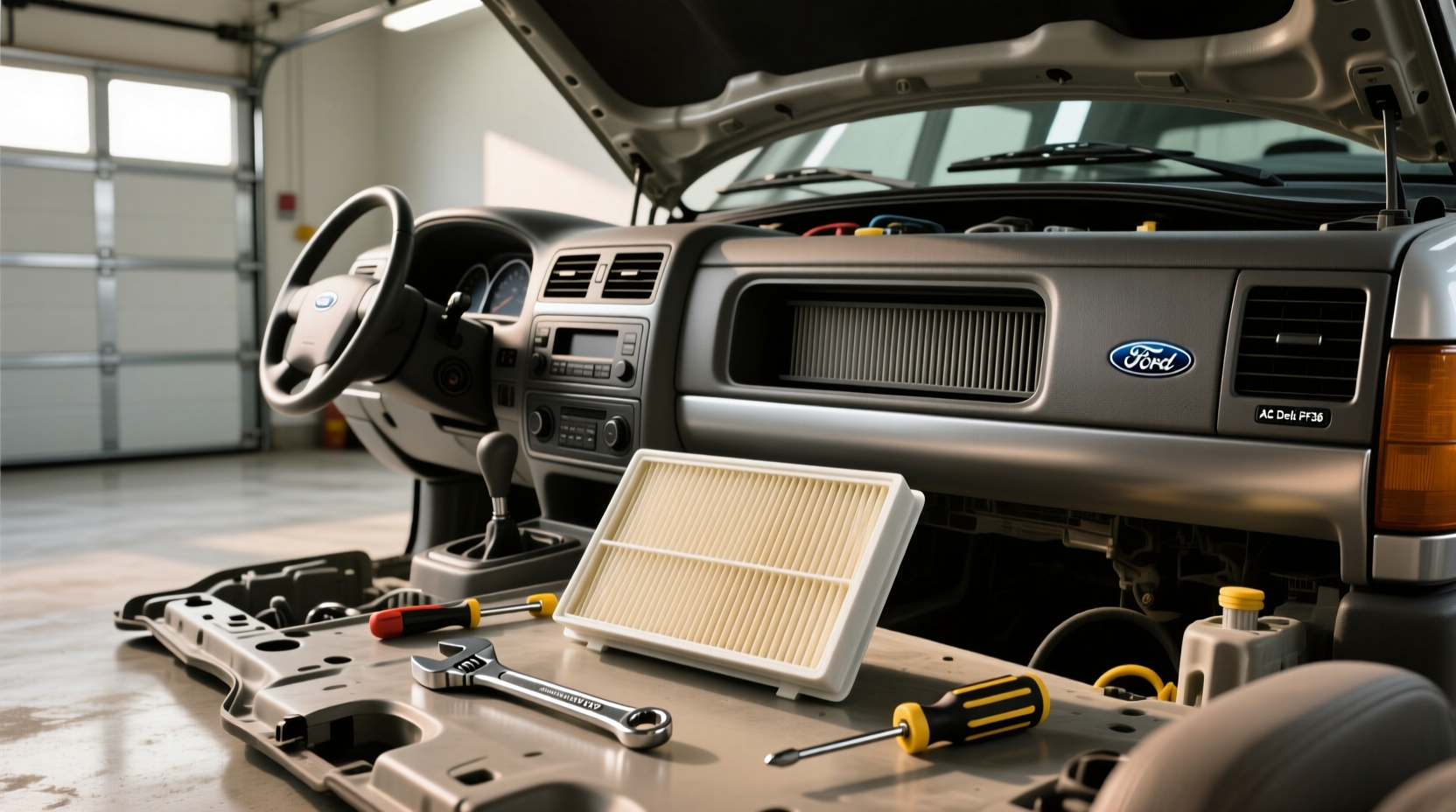
Cabin Air Filter 2001 Ford Ranger: A Practical Guide
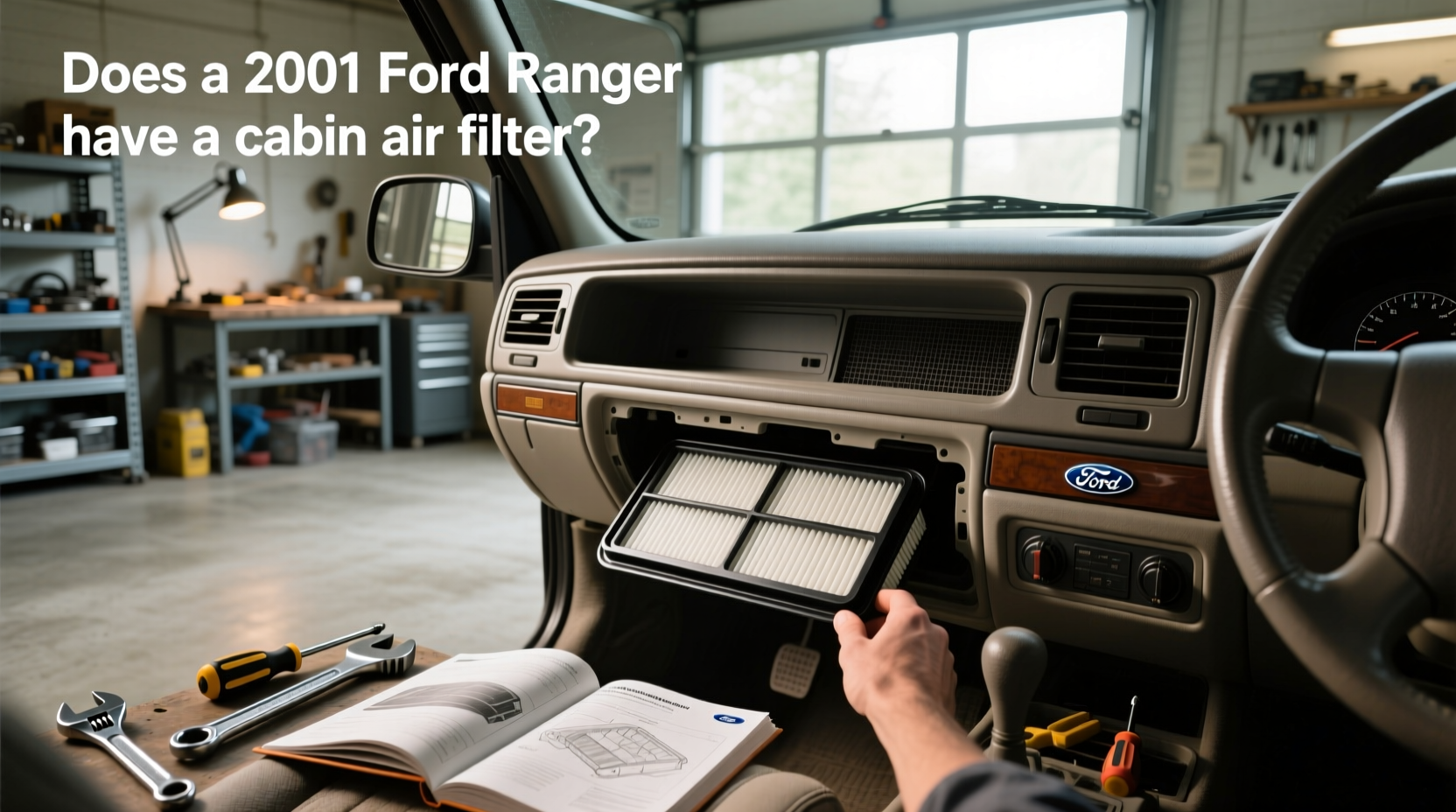
Over the past year, more 2000–2001 Ford Ranger owners have started asking: Does my truck even have a cabin air filter? The answer isn’t universal. Most base models don’t come with one, but some higher trims may have the housing behind the glove box. If you’re wondering how to tell if your Ranger has a cabin air filter, simply lower the glove compartment and look for a removable door or access panel. If there’s none, your system wasn’t factory-equipped. For those looking to improve air quality, retrofitting an aftermarket filter is often possible—and increasingly common. Avoid assuming all Rangers are the same; verify your specific model. Don’t waste time on filters that won’t fit—check physical access first.
About the 2001 Ford Ranger and Cabin Air Filtration
The 2001 Ford Ranger was built during a transitional period in automotive cabin filtration. While modern vehicles almost universally include cabin air filters, many trucks from the early 2000s—including most 2000–2001 Rangers—were not originally equipped with them. This wasn’t due to oversight, but design: the HVAC system pulls air directly from outside through the cowl without filtering it first. Some higher trim levels, such as the XLT, may have included a filter housing as part of optional packages, but this was inconsistent.
If you're asking "Does my 2000 Ford Ranger have a cabin air filter?", the safest assumption is no—unless you’ve already seen evidence of one. Unlike later models (post-2006), where filter access is standardized behind the glove box, the 2001 Ranger lacks a dedicated space in most configurations. However, the growing interest in retrofitting solutions has made this topic more relevant than ever.
Why This Is Gaining Popularity
Lately, air quality awareness has increased—even among pickup truck owners. Drivers spending long hours on dusty rural roads or in high-pollution urban areas are realizing the benefits of filtered cabin air. Over the past year, search volume for retrofit kits and compatibility checks has risen steadily 1. Forums like Reddit and JustAnswer show consistent threads about adding filters to older Rangers 2.
This shift isn’t just about comfort. For allergy sufferers or those with respiratory sensitivities, unfiltered air can cause real discomfort. Adding a cabin air filter—even after years of ownership—can reduce pollen, dust, and exhaust particulates entering the cab. That’s why many now treat retrofitting as a low-cost upgrade with measurable daily impact.
Types and Variants
There are two main scenarios when dealing with cabin air filtration on a 2001 Ford Ranger: factory-equipped (rare) and aftermarket-retrofitted (common). Each leads to different product types.
Factory-Style Replacement Filters
Only applicable if your Ranger already has a housing.
- Pros: Direct fit, no modification needed, easy replacement every 12–24 months
- Cons: Only useful for select trims; useless if no housing exists
Universal Retrofit Kits
Designed to add filtration where none existed. Typically includes a plastic housing and a compatible filter.
- Pros: Makes filtration possible on any model; affordable; installs behind glove box
- Cons: Requires minor disassembly; fit may vary by seller; not always OEM-sealing
Aftermarket Panel Filters (No Housing)
Simple flat filters placed inside the ductwork manually.
- Pros: Cheapest option; widely available
- Cons: Can shift or degrade over time; harder to service; risk of airflow restriction
Key Features and Specifications to Evaluate
When choosing a solution, focus on these factors—not brand hype.
Filtration Media Type
Most aftermarket filters use pleated paper or synthetic blend media.
- Pleated Paper: Effective for dust and pollen; replace annually
- Synthetic Blend: Better moisture resistance; slightly longer life
- Activated Carbon Layer: Reduces odors and VOCs—but adds cost and may restrict airflow slightly
When it’s worth caring about: If you drive in heavy traffic or industrial zones.
When you don’t need to overthink it: For general dust reduction in rural areas, basic pleated filters work fine.
Dimensions & Shape
Retrofit kits must match the rectangular opening behind the glove box (typically ~10" x 6").
When it’s worth caring about: If you’re installing a permanent housing.
When you don’t need to overthink it: Universal kits often include adjustable frames.
Sealing Mechanism
A good seal prevents unfiltered air from bypassing the filter.
When it’s worth caring about: In very dusty environments.
When you don’t need to overthink it: Most kits create sufficient contact pressure via plastic clips.
Pros and Cons
| Aspect | With Factory/Added Filter | No Filter |
|---|---|---|
| Air Quality | ✅ Noticeably cleaner air | ❌ Unfiltered intake |
| Allergy Relief | ✅ Reduced symptoms | ❌ Exposure to allergens |
| Maintenance Cost | ⚠️ $10–$25 every 1–2 years | ✅ None |
| Installation Effort | ⚠️ Moderate (for retrofit) | ✅ None |
| Resale Value Signal | ✨ Slight positive (shows care) | ➖ Neutral |
How to Determine and Install a Cabin Air Filter
If you’re a typical user, you don’t need to overthink this. Start by checking if your truck already supports a filter.
Step-by-Step Checklist
- Open the Glove Box: Remove contents and gently squeeze both sides to release the stops. Lower it fully.
- Inspect Behind It: Look for a rectangular access panel held by clips or a pinch tab.
- Check for Existing Filter: If present, note size and type before removal.
- No Housing? Measure the blower motor intake area (~10" x 6") for retrofit kit compatibility.
- Select Kit: Choose one with positive feedback and clear instructions.
- Install Housing: Attach using included brackets or adhesive mounts.
- Insert Filter: Align correctly; ensure arrows point toward cabin.
- Reassemble: Return glove box to upright position.
Decision Flow
If your Ranger has a filter door → Replace every 12–24 months.
If no door but you want filtration → Install a retrofit kit.
If you rarely drive or live in clean air zones → Skip it.
If you suffer from allergies or drive in polluted areas → Prioritize installation.
Recommendations by Scenario
- Daily commuter in city: Use activated carbon retrofit kit.
- Weekend driver in rural area: Basic pleated filter (if retrofitted).
- Restoration project: Omit unless occupant health is a concern.
Red Flags / What to Avoid
- ❌ Buying a filter without verifying housing existence
- ❌ Using oversized filters that block airflow
- ❌ Ignoring glove box reattachment—ensure dampener cord is reset
- ❌ Assuming all online listings are accurate—some sellers mislabel for newer models
If you’re a typical user, you don’t need to overthink this. Either your truck has the setup or it doesn’t. The real decision is whether cleaner air matters enough to justify a $30 upgrade and 30 minutes of labor.
Price & Market Insights
Prices vary by region, seller, and included components. Basic replacement filters range from $8–$15. Retrofit kits with housing run $25–$45. Premium versions with carbon layers may reach $50. These prices may vary by region/model/seller. Always verify return policies before ordering online. Check manufacturer specs if listed; otherwise, rely on community forums for fitment confirmation.
Top-Seller & Competitive Analysis
While no single brand dominates the niche retrofit market, certain patterns emerge from customer reviews and availability.
| Product Type | Brand Examples | Avg. Price | User Feedback Summary |
|---|---|---|---|
| Replacement Filter | FRAM, Bosch, Purolator | $8–$15 | Good fit if housing exists; limited value otherwise |
| Retrofit Kit (with housing) | CustomFilterTech, CabinAirSolutions | $25–$45 | High satisfaction when installed correctly; occasional fit variance noted |
| Universal Panel Filter | Various generic brands | $5–$12 | Cheap but prone to shifting; not recommended for long-term use |
If you’re a typical user, you don’t need to overthink this. A mid-range retrofit kit from a vendor with responsive support is likely your best bet—if you decide to install one at all.
Customer Feedback Synthesis
Analysis of forum discussions and product reviews reveals consistent themes:
- 高频好评: "I didn’t realize how much dust was coming in until I added the filter." Many report noticeable improvement in air clarity and reduced sneezing.
- Common Complaints: "The filter didn’t stay in place" — usually due to improper housing installation or wrong size.
- Surprise Insight: Several users mention improved AC efficiency after installation, possibly due to less debris buildup on evaporator coils.
Sourcing & Supplier Tips
Specialty auto parts suppliers and Alibaba-based vendors offer retrofit kits tailored for pre-2005 trucks. When sourcing:
- Look for sellers who provide installation photos or videos
- Confirm dimensions match your measurement
- Prefer suppliers with U.S.-based support for faster resolution
- Avoid listings that claim "OEM" status—these are not original equipment
Many kits originate from manufacturers serving fleet maintenance channels, so reliability can be high despite modest branding.
Maintenance, Safety & Legal Considerations
Replacing or retrofitting a cabin air filter poses no safety risks when done with the vehicle off. Ensure the glove box is securely reattached to prevent it from dropping during driving. There are no legal requirements for cabin air filters in passenger vehicles in the U.S. or Canada. However, maintaining clean HVAC systems may support indoor air quality standards in commercial fleet operations.
To verify compliance needs: check employer policies or local regulations if used for transport services. Otherwise, this is purely a comfort and health decision.
Conclusion
If you need better cabin air quality and spend significant time driving, retrofitting a filter is a reasonable upgrade. If you rarely notice airborne particles or drive infrequently, it’s unlikely to impact your experience. The key is recognizing that most 2000–2001 Ford Rangers weren’t built with cabin air filters—so expecting one to exist is the first mistake. Instead, assess your actual usage and sensitivity. This piece isn’t for keyword collectors. It’s for people who will actually use the product.




 浙公网安备
33010002000092号
 浙B2-20120091-4