Short introduction
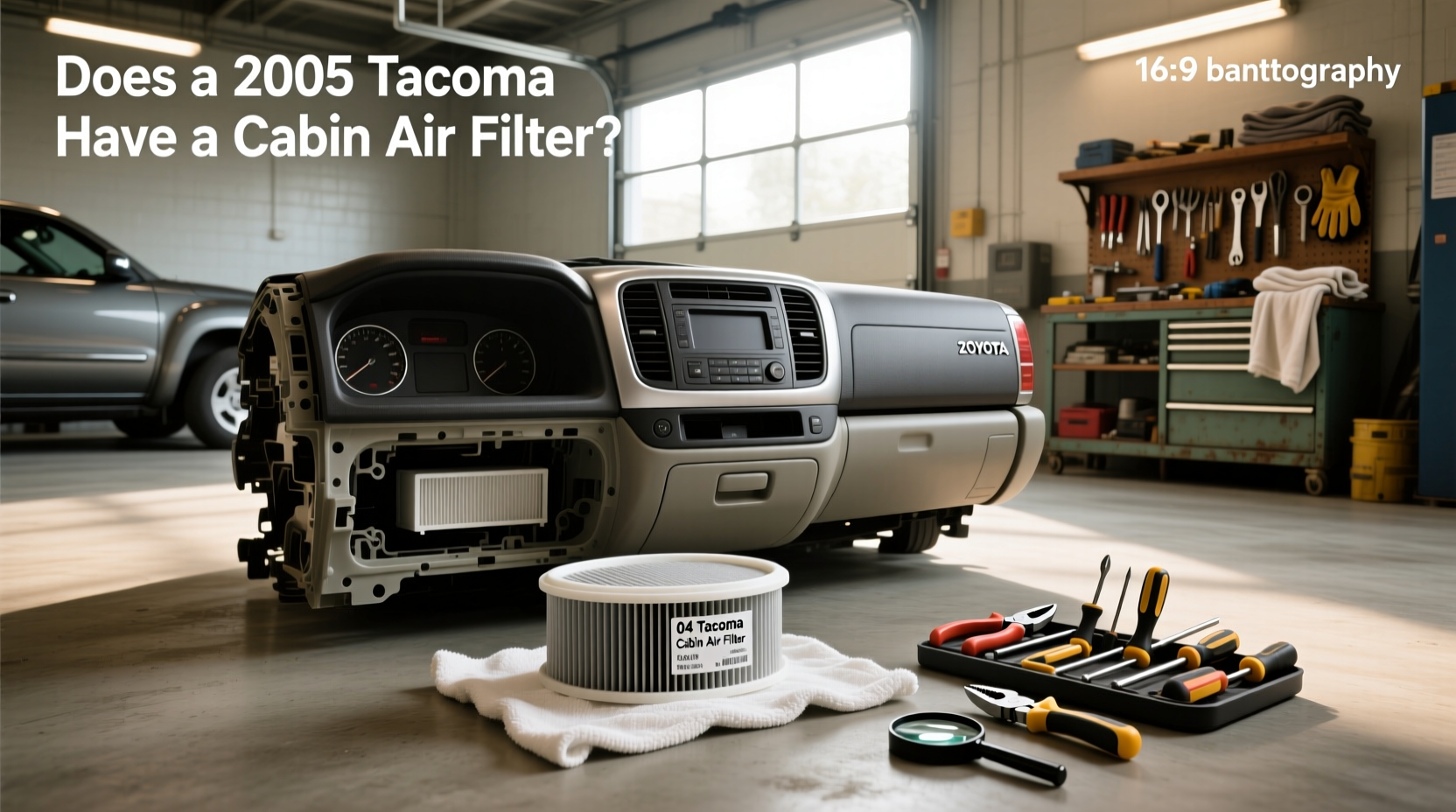
If you own a 2004 or 2005 Toyota Tacoma, knowing whether it has a cabin air filter—and how to replace it—is essential for maintaining clean interior air. Over the past year, interest in cabin air filtration has grown due to increased awareness of air quality in vehicles 1. Here’s what to look for: the 2005 Tacoma almost always has a standard cabin air filter located behind the glove box, while the 2004 model typically does not. If you’re a typical user, you don’t need to overthink this—check your glove box area first. If there’s a removable plastic cover or housing, you likely have a filter. If it’s just a mesh screen, you don’t. Replacement is straightforward on 2005 models using basic tools and takes under 15 minutes. Avoid generic filters that don’t specify fitment for second-gen Tacomas.
About 2004–2005 Tacoma Cabin Air Filters
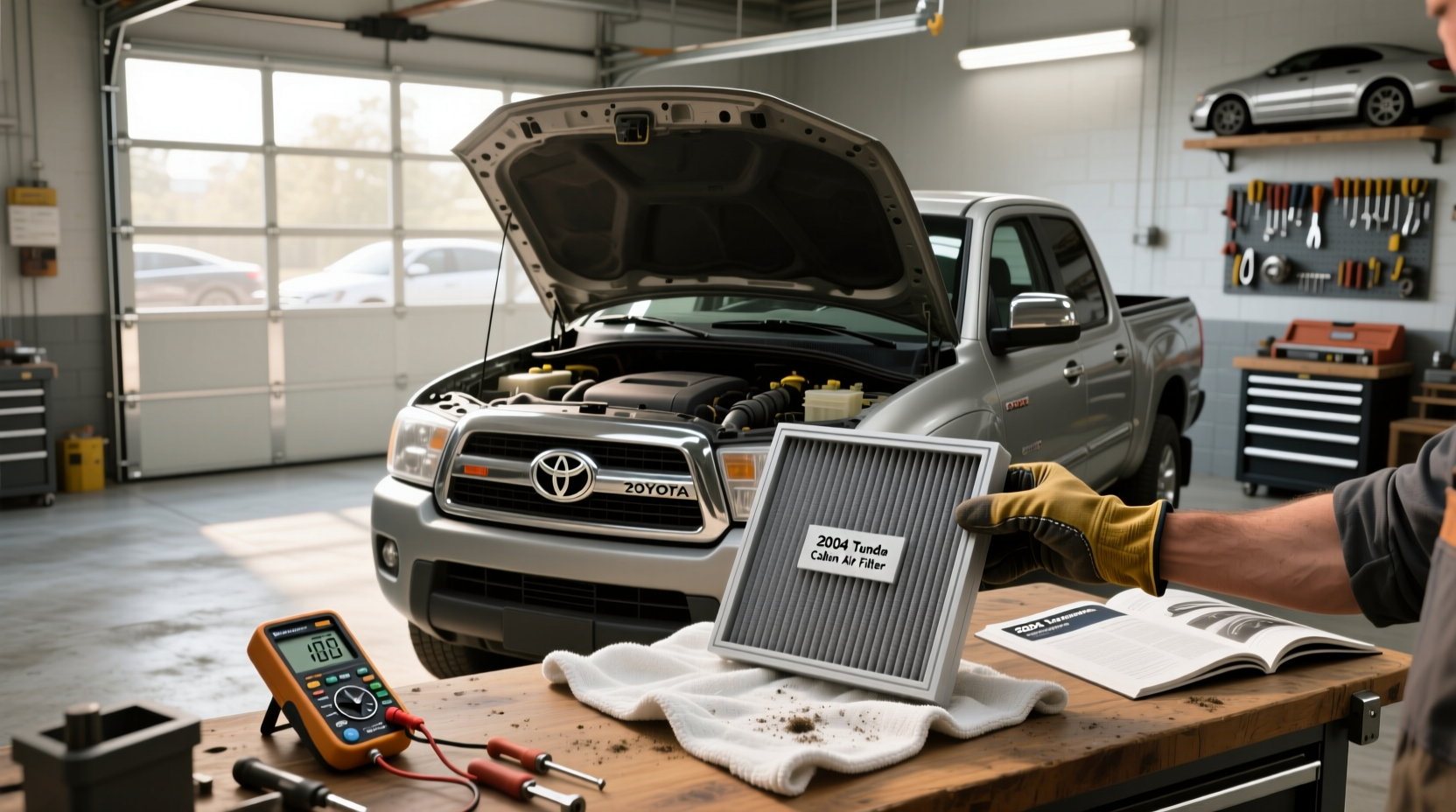
The transition between the first and second generations of the Toyota Tacoma (2004 to 2005) marks a functional shift many owners overlook: the introduction of a standard cabin air filter. The 2004 Tacoma belongs to the end of the first generation (1995–2004), a time when cabin air filtration was not standard across most trucks. Most 2004 models came with only a plastic mesh screen behind the glove compartment designed to block large debris like leaves and insects. This mesh is not a true air filter and cannot be replaced with a modern pleated cabin filter without modification.
In contrast, the 2005 Tacoma launched with the redesigned second generation and included a dedicated cabin air filter as standard equipment. This change aligned with broader industry trends toward improved occupant comfort and air quality. The filter sits behind the glove box and fits into a molded housing, making replacement simple. If you’re a typical user, you don’t need to overthink this: if your truck is a 2005 or newer, assume it has a filter unless proven otherwise.
This distinction matters because aftermarket solutions and replacement parts differ significantly between the two years. Installing a filter in a 2004 Tacoma requires retrofitting kits, which vary in reliability and airflow efficiency. Meanwhile, 2005 models use widely available OEM-style replacements.
Why Cabin Air Filtration Is Gaining Popularity
Lately, more drivers are prioritizing indoor air quality—even inside their vehicles. Urban pollution, wildfire smoke, and seasonal allergens have made cabin air filters more relevant than ever. Drivers spending long hours on highways or in congested areas report noticeable improvements in comfort after replacing dirty filters. This piece isn’t for keyword collectors. It’s for people who will actually use the product.
For Tacoma owners, especially those using their trucks for daily commuting or outdoor adventures, a functioning cabin air filter reduces dust, pollen, and odors entering the HVAC system. Over the past year, online searches for DIY filter replacements and compatibility guides have surged, reflecting real-world demand for accessible maintenance solutions.
Another factor is ease of access. Unlike engine air filters, cabin filters in post-2005 Tacomas require no tools and take minutes to swap. This low-effort, high-impact upgrade appeals to both novice and experienced owners. However, misinformation persists—especially around older models like the 2004 Tacoma—where some assume filters were optional or hidden elsewhere.
Types and variants
Cabin air filters come in three main types, each suited to different needs and environments:
- Pleated Particle Filters: These are the most common and affordable. Made from folded paper or synthetic media, they trap dust, pollen, and larger particulates.
- Activated Carbon Filters: Include a charcoal layer to absorb gases, fumes, and odors. Ideal for city driving or areas with heavy traffic.
- Hybrid / Multi-Layer Filters: Combine particle filtration with odor reduction and sometimes antimicrobial coatings. Offer balanced performance but cost more.
When it’s worth caring about: Choose carbon or hybrid filters if you frequently drive in polluted areas, near industrial zones, or suffer from allergies. When you don’t need to overthink it: For general rural or suburban use, a basic pleated filter works fine and saves money.
Aftermarket brands offer all three types for 2005–2015 Tacomas. Retrofit kits exist for 2004 models but may restrict airflow or rattle if not properly secured. If you’re a typical user, you don’t need to overthink this—stick with a direct-fit pleated filter unless your environment demands extra protection.
Key features and specifications to evaluate
Not all cabin air filters perform equally. Focus on these measurable aspects:
- Filtration Efficiency: Measured by particle size captured (e.g., PM2.5). Higher efficiency means cleaner air but can reduce airflow if poorly designed.
- Fitment Accuracy: Must match the dimensions of the glove box housing (approx. 9.5" x 8.5" for 2005+ models). Poor fit leads to air bypass.
- Material Quality: Sturdy frames resist warping; dense media lasts longer without clogging prematurely.
- Flow Resistance: Lower resistance maintains HVAC performance. High-resistance filters strain blower motors over time.
When it’s worth caring about: In dusty climates or high-mileage vehicles, prioritize durability and filtration depth. When you don’t need to overthink it: For average conditions, any reputable brand with correct dimensions will suffice.
Always check packaging for “fits 2005–2015 Toyota Tacoma” labeling. Avoid universal-cut filters requiring trimming—they rarely seal well.
Pros and cons
| Aspect | Pros | Cons |
|---|---|---|
| Fits 2005+ Models | Standardized design, easy replacement, wide availability | None significant for stock systems |
| Retrofitting 2004 Models | Enables filtration where none existed | May cause noise, reduced airflow, or poor sealing |
| Carbon Filters | Reduces odors and VOCs | Higher cost, slightly reduced airflow |
| Basic Pleated Filters | Affordable, effective for dust/pollen | No gas/odor protection |
If you’re a typical user, you don’t need to overthink this—choose based on your actual driving environment, not marketing claims.
How to Replace Your Tacoma’s Cabin Air Filter (Buying & Installation Guide)
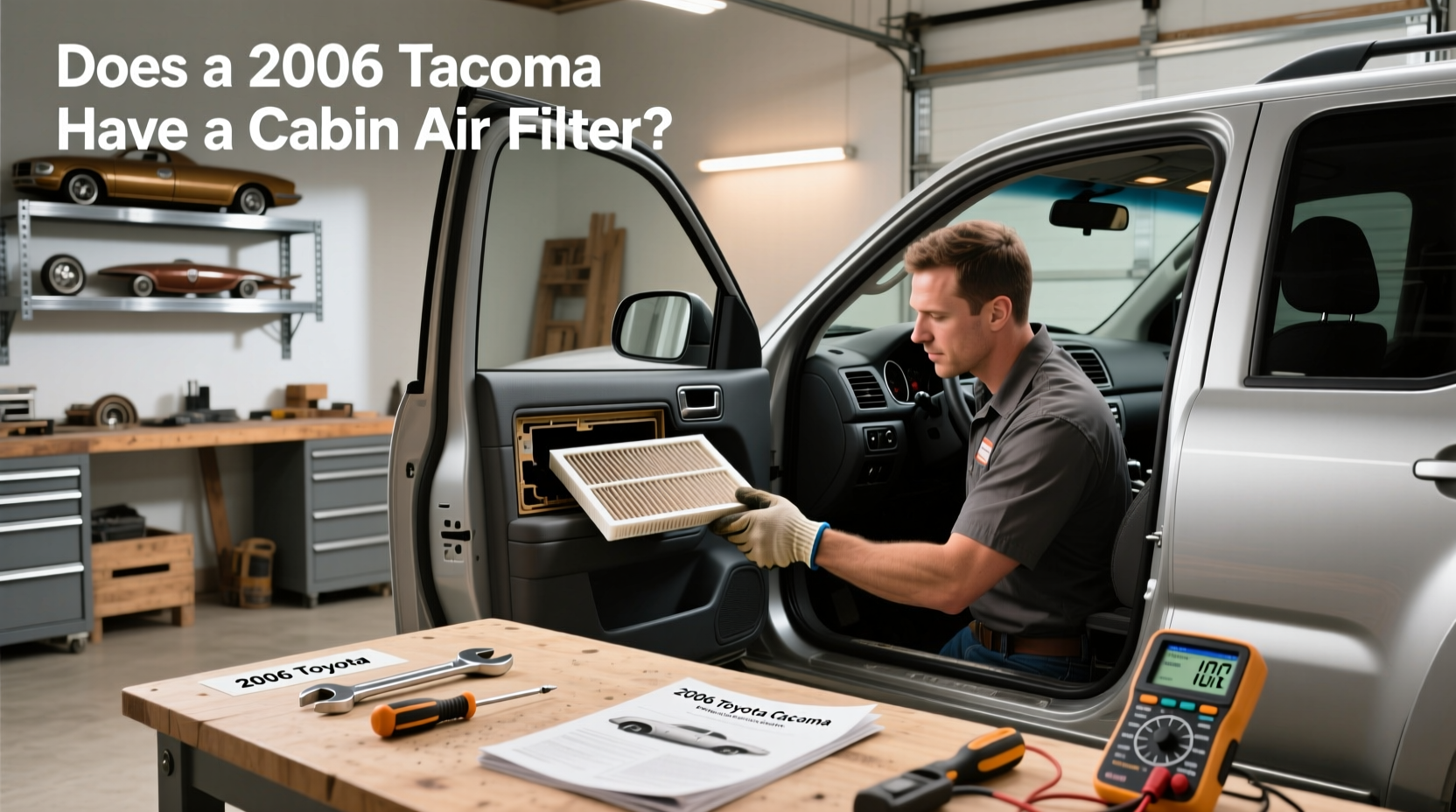
Replacing the cabin air filter on a 2005 Tacoma is one of the easiest maintenance tasks you can do. No tools required. This guide also helps determine if your 2004 model can support one.
Step-by-step checklist
- Turn off the vehicle and open the glove box.
- Empty the glove box contents.
- Press the left and right sides inward to release the retaining clips.
- Let the glove box hang down to expose the cabin air filter housing behind it.
- Pinch the tabs on the filter cover and pull it out.
- Remove the old filter (note airflow direction—arrow should point down).
- Insert the new filter with the arrow facing downward.
- Reinstall the cover and snap the glove box back into place.
Decision flow
- Do you own a 2005 or newer Tacoma? → Yes: Proceed with standard replacement.
- Is there a filter housing behind the glove box? → Yes: Use a direct-fit filter. → No: You likely have only a mesh screen.
- Want filtration in a 2004 Tacoma? → Consider a retrofit kit, but verify fit and reviews before buying.
Recommendations by scenario
- Daily commuter in a city: Use an activated carbon filter every 12 months.
- Weekend adventurer in dry/dusty areas: Replace pleated filter every 6–12 months.
- 2004 Tacoma owner seeking upgrade: Try a verified retrofit kit; monitor for airflow changes.
Red flags / what to avoid
- ❌ Filters labeled “universal fit” without Tacoma-specific verification.
- ❌ Kits that require cutting dashboard components—risk of water intrusion.
- ❌ Sellers that don’t provide return options or clear compatibility charts.
- ❌ Ignoring the airflow arrow during installation—reduces efficiency.
If you’re a typical user, you don’t need to overthink this—follow the steps, buy a known-compatible part, and replace annually or biannually.
Price & market insights
Cabin air filters for 2005–2015 Tacomas range from $8 to $25 depending on type and brand. Basic pleated filters are cheapest; carbon and hybrid versions cost more. Prices may vary by region/model/seller, especially on global platforms. Aftermarket suppliers often bundle filters with installation guides or discount packs.
Retrofit kits for 2004 models range from $15 to $40 and include custom housings and foam seals. Effectiveness varies—some users report success, others note rattling or restricted airflow. Always verify retailer return policy before purchasing non-standard parts.
Top-seller & competitive analysis
Several brands dominate the Tacoma cabin air filter market. Below is a comparison of top-performing options:
| Brand | Type | Avg Price | Compatibility | User Feedback |
|---|---|---|---|---|
| Toyota OEM | Pleated | $18 | 2005–2015 Tacoma | Reliable fit, moderate filtration |
| Denso | Carbon | $22 | 2005–2015 Tacoma | Strong odor control, slight flow drop |
| FRAM Fresh Breeze | Carbon + Antimicrobial | $20 | 2005–2015 Tacoma | Balanced performance, good value |
| Aftermarket Retrofit Kit | Pleated + Housing | $28 | 2004 Tacoma (varies) | Mixed results—check fitment carefully |
OEM and Denso lead in customer trust due to consistent manufacturing. Third-party kits for 2004 models lack standardization—read recent reviews and confirm seller reputation.
Customer feedback synthesis
Analysis of user experiences shows recurring themes:
- Positive: Easy installation, noticeable reduction in dust and musty smells, quiet operation post-replacement.
- Negative: Poorly fitting aftermarket filters allowing unfiltered air bypass, retrofit kits causing dashboard vibration noises, confusion over airflow direction.
- Most cited improvement: Better air quality during pollen season or after driving on unpaved roads.
If you’re a typical user, you don’t need to overthink this—stick with well-reviewed, Tacoma-specific filters and ignore gimmicky upgrades.
Sourcing & supplier tips
When sourcing a cabin air filter, consider:
- Buy from suppliers that clearly list compatible years and trims.
- Check for return policies in case of incorrect fit.
- Prefer sellers with detailed product images showing filter edges and labels.
- Use VIN-based lookup tools when available to confirm compatibility.
This piece isn’t for keyword collectors. It’s for people who will actually use the product. Verified compatibility beats lowest price.
Maintenance, safety & legal considerations
Replace your cabin air filter every 12,000–15,000 miles or annually in harsh environments. A clogged filter reduces airflow, strains the HVAC blower motor, and diminishes defrost performance—potentially affecting visibility and safety.
No legal mandates require cabin air filter use in personal vehicles. However, commercial fleets or rental companies may follow internal air quality standards. To verify requirements, check employer policies or local fleet regulations. Never modify HVAC ducting in ways that compromise water drainage—this could lead to interior leaks or mold.
Conclusion
If you own a 2005 Tacoma, yes—it has a cabin air filter, and replacing it is simple and worthwhile. If you drive a 2004 model, chances are you don’t have one unless it was factory-equipped with rare options. Upgrading requires a retrofit kit, which may not deliver ideal results. If you’re a typical user, you don’t need to overthink this: focus on confirmed compatibility, proper installation, and regular maintenance. Clean air starts with the right filter in the right place.
Everything You Need to Know
Does a 2004 Toyota Tacoma have a cabin air filter?
Most 2004 Tacomas do not have a cabin air filter. They typically have a plastic mesh behind the glove box that blocks large debris but does not filter air. Some rare trims may have included a filter, so inspect your vehicle directly.
Where is the cabin air filter on a 2005 Tacoma?
It's located behind the glove box on the passenger side. To access it, empty the glove box, squeeze the sides to release it, and let it drop down. The filter housing is visible behind it.
Which way does the cabin air filter go in a Tacoma?
The airflow arrow on the filter must point downward. Installing it backward reduces filtration efficiency and may cause noise.
Can I add a cabin air filter to my 2004 Tacoma?
Yes, but it requires a retrofit kit. These kits vary in quality and may affect airflow or create noise. Success depends on precise installation and component fitment.
How often should I replace my Tacoma’s cabin air filter?
Every 12,000–15,000 miles or once per year. More frequent replacement is recommended if you drive in dusty, polluted, or high-pollen environments.




 浙公网安备
33010002000092号
 浙B2-20120091-4