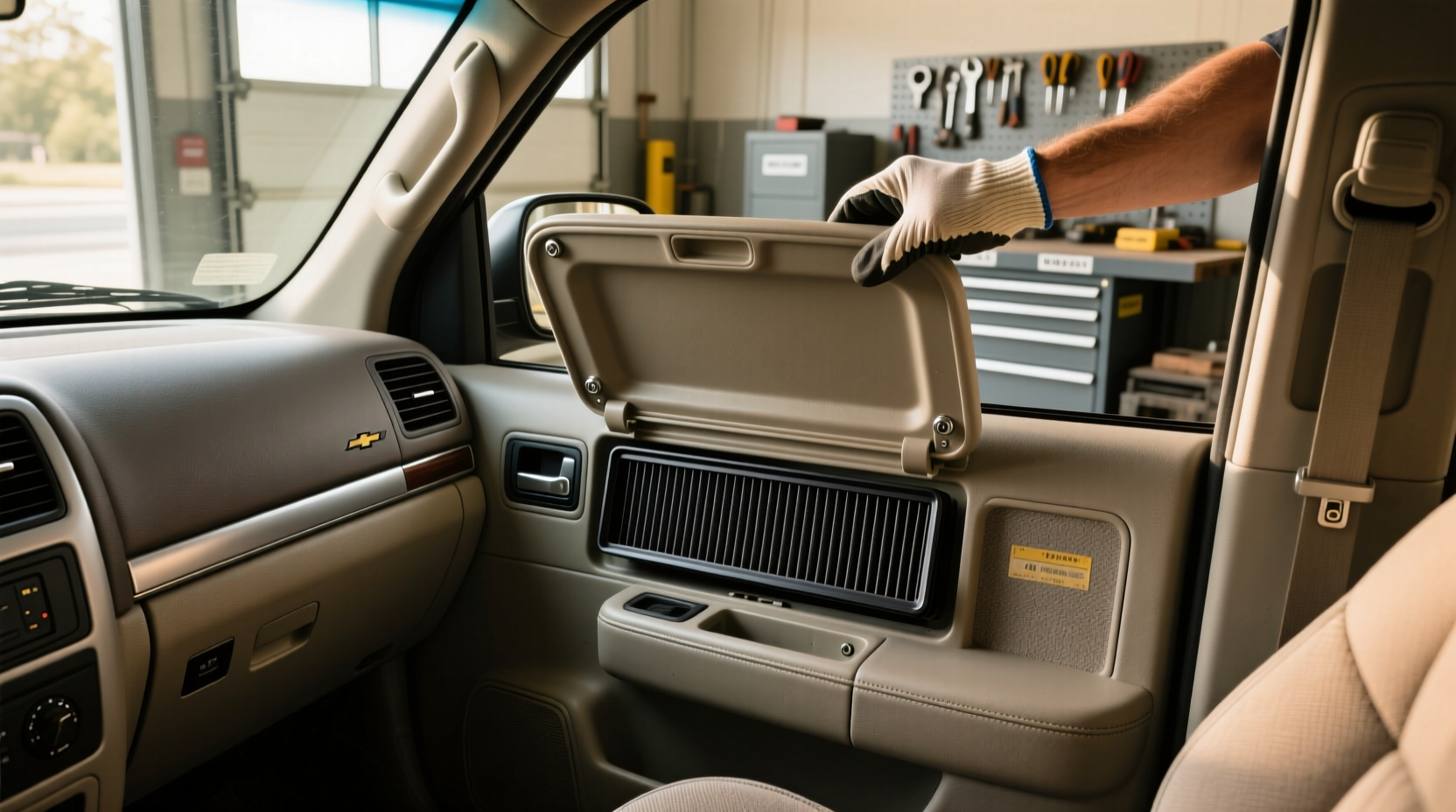
If you’re a typical user, you don’t need to overthink this. The 2005 Chevy Silverado may not have a factory cabin air filter, but if yours does, it’s located behind the glove box on the passenger side. How to check for one? Lower the glove box, inspect the HVAC intake—look for a plastic access door or blank panel. If equipped, use a standard-sized filter like FRAM CF10135 or Duralast G001. If not, consider a retrofit kit from Autozone or online suppliers. This isn’t about brand loyalty—it’s about clean air and simple maintenance. Skip models claiming universal fit without model-specific verification; many kits only work with certain trim levels or HVAC configurations.
❗ Most 2003–2007 Silverados left the factory without cabin air filters. Don’t assume yours has one. Confirm visually before buying parts.
About the 2005 Silverado Cabin Air Filter
The 2005 Chevrolet Silverado was built during a transition period in cabin filtration. While newer trucks now include standard filters, GM did not equip all 2005 models with them. Some trims and configurations—especially higher-end Z71 or LTZ versions—were more likely to include the feature, but even then, it wasn’t guaranteed.
This inconsistency creates confusion today. Many owners assume their truck should have a filter because competitors offered them, or because modern vehicles do. But in reality, the absence of a cabin air filter in a 2005 Silverado is normal—not a defect.
The system works by drawing outside air through a filter (if present) before distributing it via vents. Without a filter, dust, pollen, and road debris enter directly into the HVAC system and cabin.
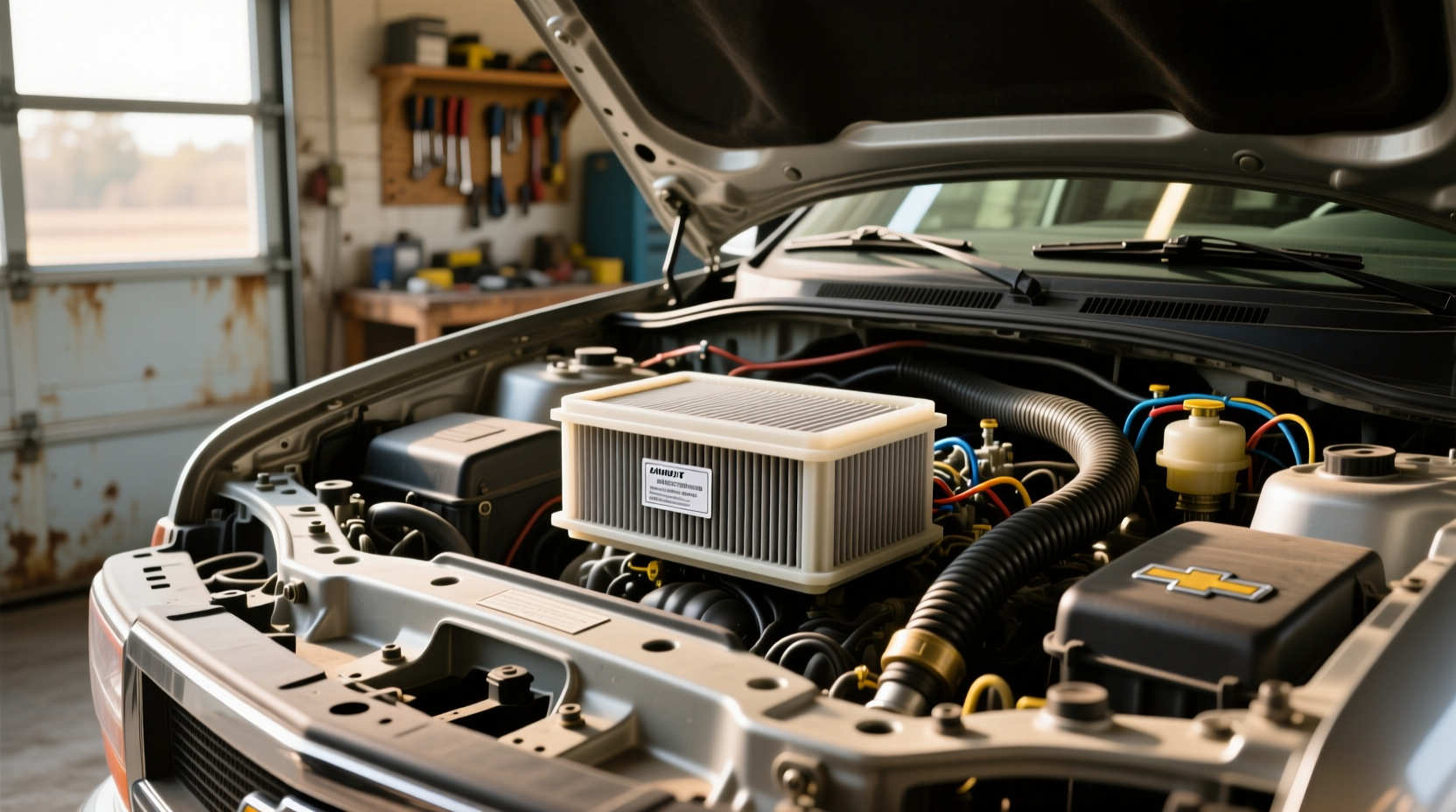
Why This Is Gaining Popularity
Lately, interest in retrofitting cabin air filters has grown. Over the past year, searches and forum discussions have increased as owners seek better air quality, especially in dusty climates or urban areas with high pollution.
Recent YouTube tutorials and Reddit threads show real people adding filters where none existed 1. These DIY efforts reflect a broader trend: older vehicle owners upgrading systems for comfort and health, not just performance.
The change signal isn’t regulatory—it’s practical. As awareness grows about indoor and vehicular air quality, drivers are asking: “Can I add one?” And the answer, increasingly, is yes.
If you’re a typical user, you don’t need to overthink this. Either your truck already has a filter housing, or you can install a retrofit kit. It’s not essential for operation, but it improves long-term HVAC cleanliness and breathing comfort.
Types and Variants
There are two main scenarios when dealing with a 2005 Silverado cabin air filter:
1. Factory-Equipped Systems
Some 2005 Silverados came with a pre-installed cabin air filter housing behind the glove box. These units accept standard aftermarket filters.
- Pros: Direct replacement, no modification needed, OEM-style fit
- Cons: Only applies if your truck originally had the housing; availability varies by VIN
2. Retrofit Kits (Aftermarket Addition)
For trucks without factory filters, third-party kits modify the HVAC ducting to accept a filter. Brands like Duralast offer model-specific solutions 1.
- Pros: Adds filtration to non-equipped models, relatively low cost (~$30–$60), reusable housings available
- Cons: Requires drilling or cutting ductwork, may void no-claim warranties, installation time varies
If you’re a typical user, you don’t need to overthink this. Choose based on what your truck currently has—not what it could have. Start by checking for an existing housing.
Key Features and Specifications to Evaluate
When evaluating whether to install or replace a cabin air filter, focus on these factors:
- Filter Size: Most kits use a ~12" x 8" panel. Verify dimensions before purchase—some retrofits require trimming.
- Material Type: Activated carbon layers reduce odors; standard pleated paper traps dust and pollen.
- Housing Design: Snap-in vs. screw-mounted doors affect ease of future changes.
- Airflow Resistance: High-efficiency filters shouldn’t restrict airflow noticeably under normal conditions.
- Compatibility: Must match your exact model year, cab size (regular, extended, crew), and HVAC type.
When it’s worth caring about: If you drive frequently in polluted, dusty, or high-allergen environments, filtration matters. Also relevant if you’ve noticed musty smells from AC vents.
When you don’t need to overthink it: For occasional city driving in average conditions, basic ventilation suffices. Filter benefits are incremental—not transformative.
Pros and Cons
| Aspect | Pros | Cons |
|---|---|---|
| Filtration Quality | Reduces airborne particles, allergens, and odors | Minimal impact on large particulates like sand |
| Installation | Simple if factory-equipped; plug-and-play replacement | Retrofitting requires tools and moderate mechanical skill |
| Maintenance | Easy annual check; replacement takes under 10 minutes | Forgotten by many owners until symptoms appear |
| Cost | Filters cost $8–$20; kits $30–$60 | Unnecessary expense if driven infrequently or in clean areas |
| HVAC Protection | Keeps evaporator core cleaner longer | No measurable effect on cooling efficiency |
This piece isn’t for keyword collectors. It’s for people who will actually use the product.
How to Check & Replace (or Retrofit) Your Cabin Air Filter
A clear process saves time and prevents mistakes. Follow this step-by-step guide.
Step-by-Step Checklist
- Inspect for Existing Housing: Open glove box, release dampener arm, lower fully. Look at HVAC intake behind it.
- Look for Access Door: A rectangular plastic cover held by clips, screws (often T15 Torx), or a strap indicates a filter is present.
- Open and Inspect: Remove cover gently. If a filter exists, note direction arrow (usually points down).
- Remove Old Filter: Pull straight out. Clean any debris from slot.
- Install New Filter: Match size and orientation. Push in firmly.
- Reassemble Glove Box: Reattach stops and dampener. Ensure smooth closure.
- If No Housing Exists: Consider a retrofit kit designed for 2005 Silverado.
Decision Flow
- Does your truck have a filter housing? → Yes: Replace annually or every 15k miles.
- No housing? → Want filtration? → Yes: Buy verified retrofit kit. No: No action needed.
Recommendations by Scenario
- Daily Commuter in City: Install retrofit if possible. Use carbon-filter combo.
- Weekend Driver in Rural Area: Optional. Standard filter sufficient if installed.
- Allergy Sufferer: Worthwhile upgrade. Combine with interior cabin cleaning.
- Resale Preparation: Not a value-add unless documented maintenance history.
Red Flags / What to Avoid
- ❌ Universal kits that don’t specify 2005 Silverado compatibility
- ❌ Filters sold without airflow direction indicators
- ❌ Claims of “OEM equivalent” without part number verification
- ❌ Installation videos showing forced modifications without sealing
If you’re a typical user, you don’t need to overthink this. Focus on confirmed fit, not marketing claims.
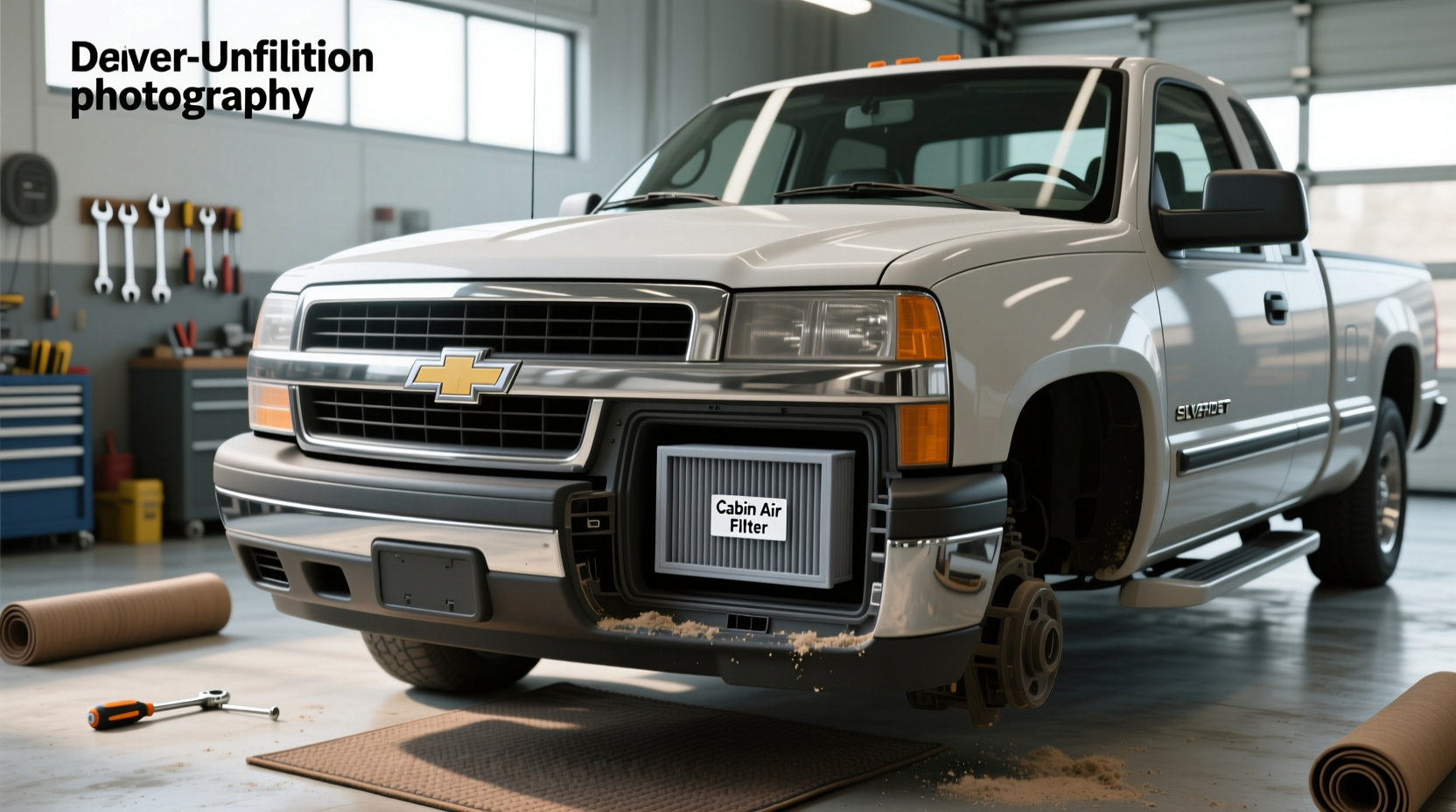
Price & Market Insights
Prices vary significantly depending on brand, retailer, and whether you're buying a standalone filter or a full retrofit kit. As of early 2025:
- Standard cabin air filters: $8–$20 each
- Retrofit kits: $30–$60 (includes housing and one filter)
- Premium carbon filters: Add $5–$10 premium
These prices may vary by region/model/seller. Major auto parts chains like Autozone list compatible options, but availability differs locally. Online marketplaces offer competitive pricing, but verify return policies before ordering.
If you’re a typical user, you don’t need to overthink this. Spending more than $20 on a single filter isn’t justified unless you have specific odor concerns.
Top-Seller & Competitive Analysis
Based on community feedback and observable sales patterns, several products stand out:
| Product | Type | Known For | Limitations |
|---|---|---|---|
| FRAM Fresh Breeze (CF10135) | Replacement Filter | Widely available, consistent sizing | No carbon layer; basic particle capture |
| Duralast Cabin Air Filter Kit | Retrofit + Filter | Sold at Autozone; includes mounting hardware | Some users report tight fit in certain cabs |
| ACDelco PF588F | OEM-Style Replacement | GM-branded, precise fit for equipped models | Higher price; only useful if housing exists |
| Custom Fabricated Aluminum Housings | Aftermarket Upgrade | Reusable, durable, clean look | Requires independent sourcing and installation |
No single option dominates. Success depends on matching the solution to your truck’s current state—not chasing top-rated labels.
Customer Feedback Synthesis
Analysis of Reddit, YouTube comments, and Q&A forums reveals recurring themes:
- High-Frequency Praise: “Easy swap once I found the housing,” “Noticeable reduction in dust after highway drives,” “Kit worked first try.”
- Common Complaints: “Wasted money—I didn’t have a housing,” “Instructions were unclear,” “Filter rattled after installation.”
- Surprising Insight: Many users confuse cabin air filters with engine air filters—a fundamental misunderstanding affecting purchasing decisions.
The biggest gap isn’t product quality—it’s expectation alignment. People expect instant air purification. Reality: improvements are subtle and cumulative.
Sourcing & Supplier Tips
You can source components from multiple channels:
- Auto Parts Stores: Autozone, O'Reilly, NAPA carry both filters and some retrofit kits. Benefit: immediate pickup and staff support.
- Online Retailers: Alibaba.com-affiliated suppliers offer compatible filters and kits with global shipping 🌐.
- Specialty Fabricators: Small shops on platforms like Etsy or eBay sell custom metal housings for enthusiasts.
Tips:
- Check manufacturer specs before buying—don’t rely solely on year/make/model lookup tools.
- Verify return policy—some electrical or modified parts aren’t returnable.
- Search by OEM number (e.g., CF10135) rather than descriptive terms.
If you’re a typical user, you don’t need to overthink this. Stick to known part numbers and avoid experimental builds unless you enjoy tinkering.
Maintenance, Safety & Legal Considerations
No legal requirements mandate cabin air filters in personal vehicles. However, maintaining clean HVAC systems supports overall vehicle hygiene.
Maintenance tips:
- Inspect annually or every 15,000 miles.
- Replace if visibly dirty, after off-roading, or when noticing reduced airflow.
- Never block the intake completely—even temporarily.
Safety note: When retrofitting, ensure all cuts are sealed to prevent unfiltered air bypass. Loose materials inside dash can become hazards.
To confirm compliance or suitability: check manufacturer documentation or consult a certified technician.
Conclusion
If you need cleaner cabin air and drive regularly in polluted environments, installing or replacing a cabin air filter in your 2005 Silverado is a reasonable upgrade. If your truck already has the housing, replacement is straightforward and low-cost. If not, a retrofit kit offers a functional solution—but only if you’re willing to do the work or pay for installation.
If you’re a typical user, you don’t need to overthink this. Your goal isn’t perfection—it’s practical improvement. Start by looking behind the glove box. That’s where truth begins.
Everything You Need to Know
Where is the cabin air filter in a 2005 Chevy Silverado?
It's located behind the glove box on the passenger side—if your truck was factory-equipped. Lower the glove box by releasing the dampener arm and side stops, then look for a plastic access door on the HVAC unit. If there's no door or filter, your truck likely didn't come with one.
Did the 2005 Silverado come with a cabin air filter?
Not all did. GM did not standardize cabin air filters across the 2005 Silverado lineup. Higher trims were more likely to include them, but many trucks rolled off the line without any filtration system. Always verify visually before assuming.
Can I add a cabin air filter to my 2005 Silverado?
Yes, using an aftermarket retrofit kit. Products from brands like Duralast or generic suppliers allow you to install a filter housing into the existing HVAC duct. These kits typically require minor modifications but are within reach of most DIYers.
What size is the cabin air filter for a 2005 Silverado?
Most retrofit and replacement filters measure approximately 12 inches by 8 inches. Common part numbers include FRAM CF10135 and ACDelco PF588F. Always double-check dimensions before purchase, as slight variations exist between kits.
How often should I change the cabin air filter?
Every 12 months or 15,000 miles under normal conditions. In dusty environments, off-road use, or heavy traffic, consider changing it every 6–9 months. Inspect annually regardless.




 浙公网安备
33010002000092号
 浙B2-20120091-4