Short introduction
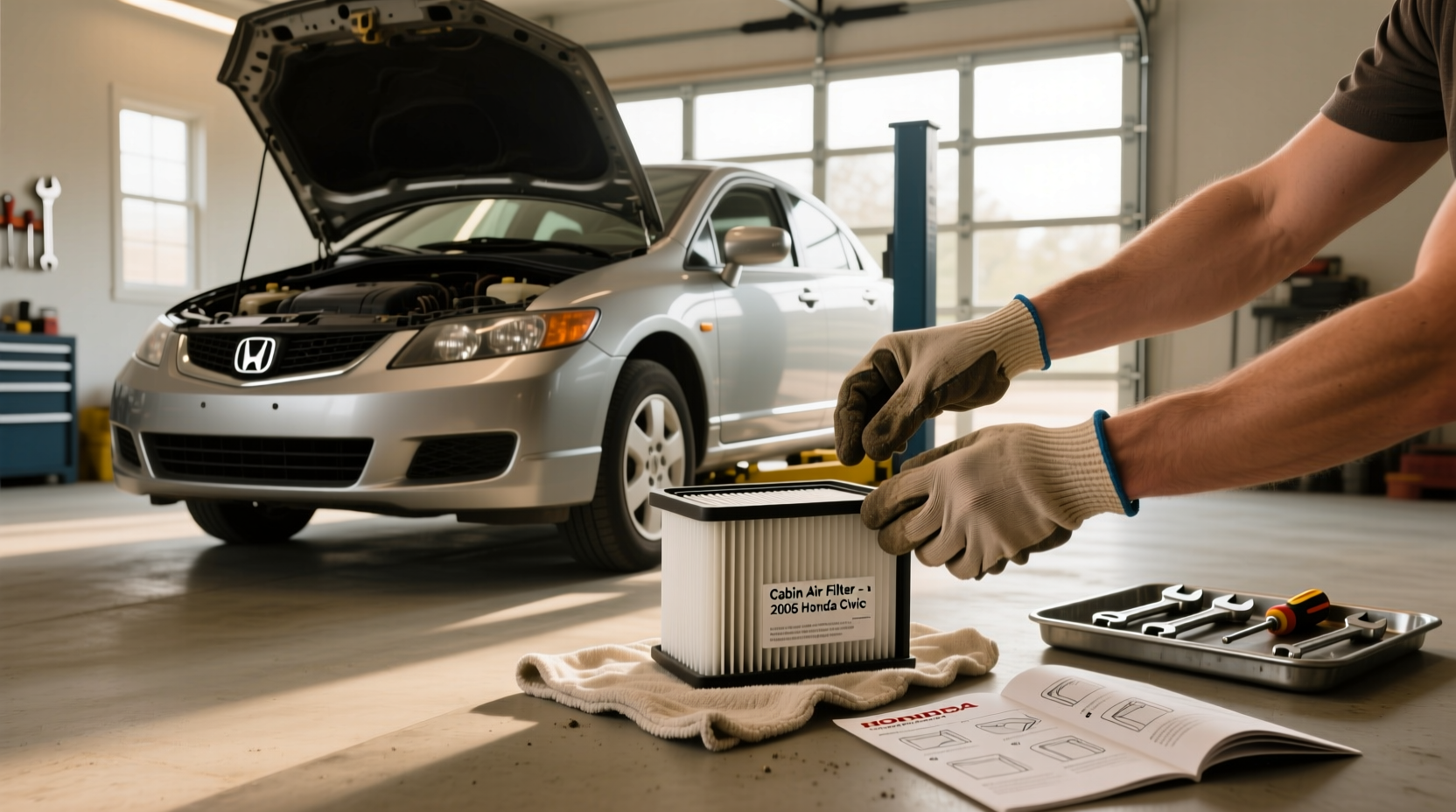
If you’re a typical user, you don’t need to overthink this. Replacing the cabin air filter on your 2008 Honda Civic is a straightforward, tool-free task that takes less than 10 minutes. The correct part—such as AQ1058 or compatible equivalents like Fram CF10134—is widely available and fits without modification. When it’s worth caring about: if you notice musty odors, reduced airflow from vents, or drive frequently in dusty or urban environments. When you don’t need to overthink it: if your car runs smoothly and you're just due for maintenance, stick with a basic activated carbon filter or standard particulate type based on your environment.
Over the past year, more owners of older Civics have started paying attention to cabin air filters—not because the design changed, but because awareness of indoor air quality has risen. With increased time spent in vehicles and concerns about pollen, exhaust fumes, and airborne particles, even decade-old models are seeing renewed focus on ventilation hygiene. This guide walks through what to look for in a cabin air filter, how to choose the right one, and exactly how to change the cabin air filter on a 2008 Honda Civic without error.
About the 2008 Honda Civic Cabin Air Filter
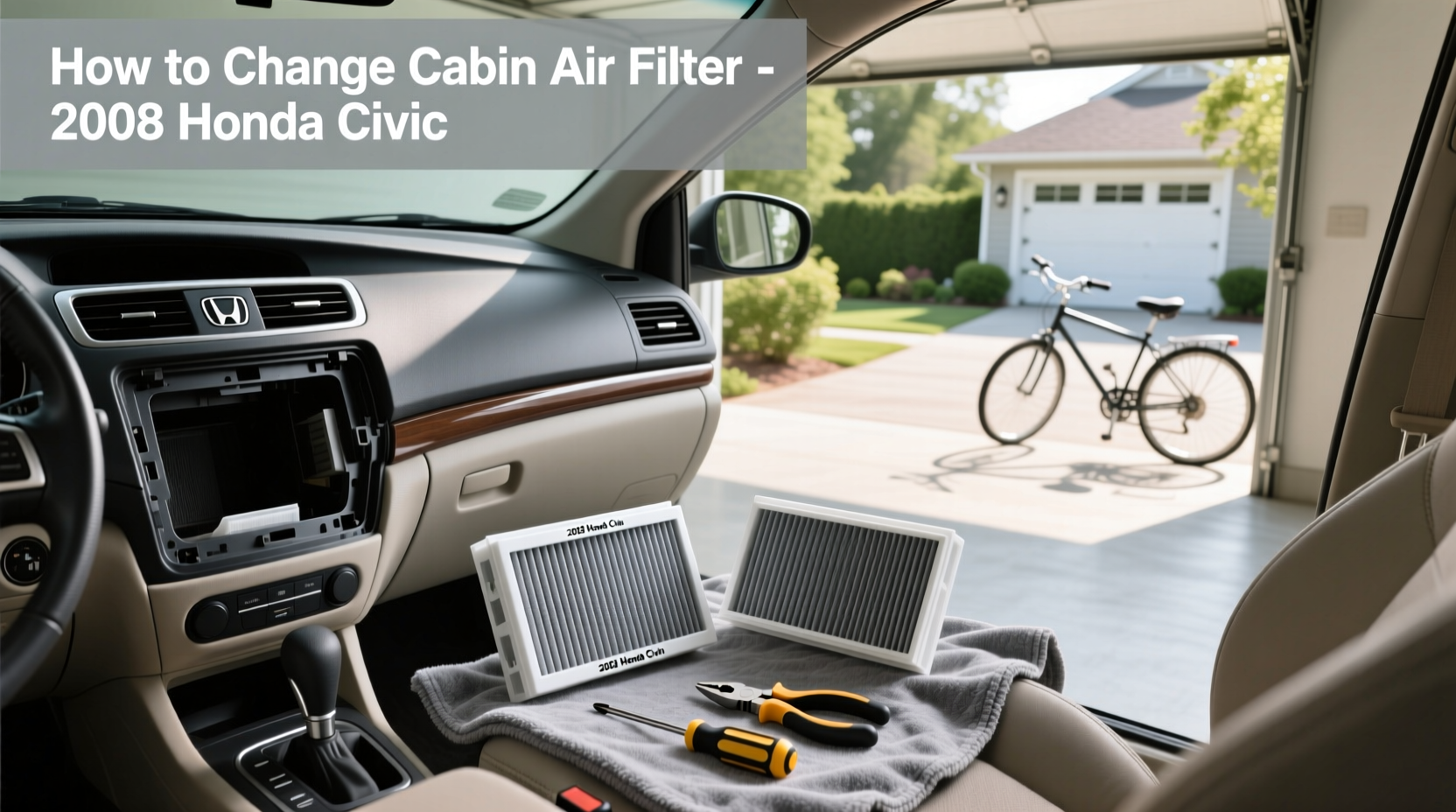
The 2008 Honda Civic includes a cabin air filter housed behind the glove compartment. It sits in the HVAC intake duct and captures dust, pollen, road debris, and some gaseous pollutants before they enter the passenger cabin. Unlike earlier Civic models, which lacked this feature, the 2008 version benefits from factory-installed filtration—a small but meaningful upgrade for comfort and air quality.
This filter does not affect engine performance or fuel economy. Its sole function is occupant protection and climate control system cleanliness. If you’ve never replaced it, you’re likely overdue—especially if you live in areas with high traffic pollution or seasonal allergens.
If you’re a typical user, you don’t need to overthink this. Most drivers will benefit from replacing the filter every 12 months or 15,000–20,000 miles, whichever comes first. Delaying replacement may lead to diminished A/C efficiency, foggy windows, or persistent smells—even after cleaning the interior.
Why the cabin air filter is gaining popularity
Lately, interest in cabin air filters has grown beyond routine maintenance circles. Drivers are noticing correlations between stale cabin air and fatigue, headaches, or allergy flare-ups. While automakers have included these filters for years, many owners previously ignored them—either unaware of their existence or assuming they were 'lifetime' components.
The shift isn't due to new technology—it's behavioral. Over the past year, search volume for “how to change Honda Civic air filter” has remained steady, but engagement with video tutorials and DIY guides has deepened 1. Viewers aren’t just watching—they’re pausing to locate parts, comparing brands, and checking compatibility. That signals a move from passive viewing to active intent.
This piece isn’t for keyword collectors. It’s for people who will actually use the product.
Types and variants
Cabin air filters come in three primary types, each suited to different driving conditions and health priorities:
1. Standard Particulate Filters
- Pros: Inexpensive, effective at trapping dust, lint, leaves, and larger allergens.
- Cons: Does not remove odors or gases; limited protection against fine particulates (PM2.5).
When it’s worth caring about: If you drive mostly in rural or low-pollution areas and want basic protection.
When you don’t need to overthink it: For city drivers exposed to brake dust, construction zones, or heavy traffic, step up to a better option.
2. Activated Carbon Filters
- Pros: Adds odor reduction; absorbs smoke, exhaust fumes, and volatile organic compounds (VOCs).
- Cons: Slightly higher cost; marginally restricts airflow if poorly designed.
When it’s worth caring about: You commute in congested cities, park underground, or are sensitive to smells.
When you don’t need to overthink it: If you rarely notice odors and don’t suffer from respiratory issues, a basic filter suffices.
3. HEPA-Style or Enhanced Filtration Filters
- Pros: Captures finer particles including mold spores, bacteria, and PM2.5; ideal for allergy sufferers.
- Cons: May reduce airflow noticeably; not all are true HEPA (check specs); often overkill for average use.
When it’s worth caring about: You have asthma, carry young children, or drive in wildfire-prone regions.
When you don’t need to overthink it: Most Civics weren’t engineered for high-efficiency filters—stick with OEM-equivalent unless medically necessary.
Key features and specifications to evaluate
When choosing a replacement, focus on these measurable attributes—not brand hype:
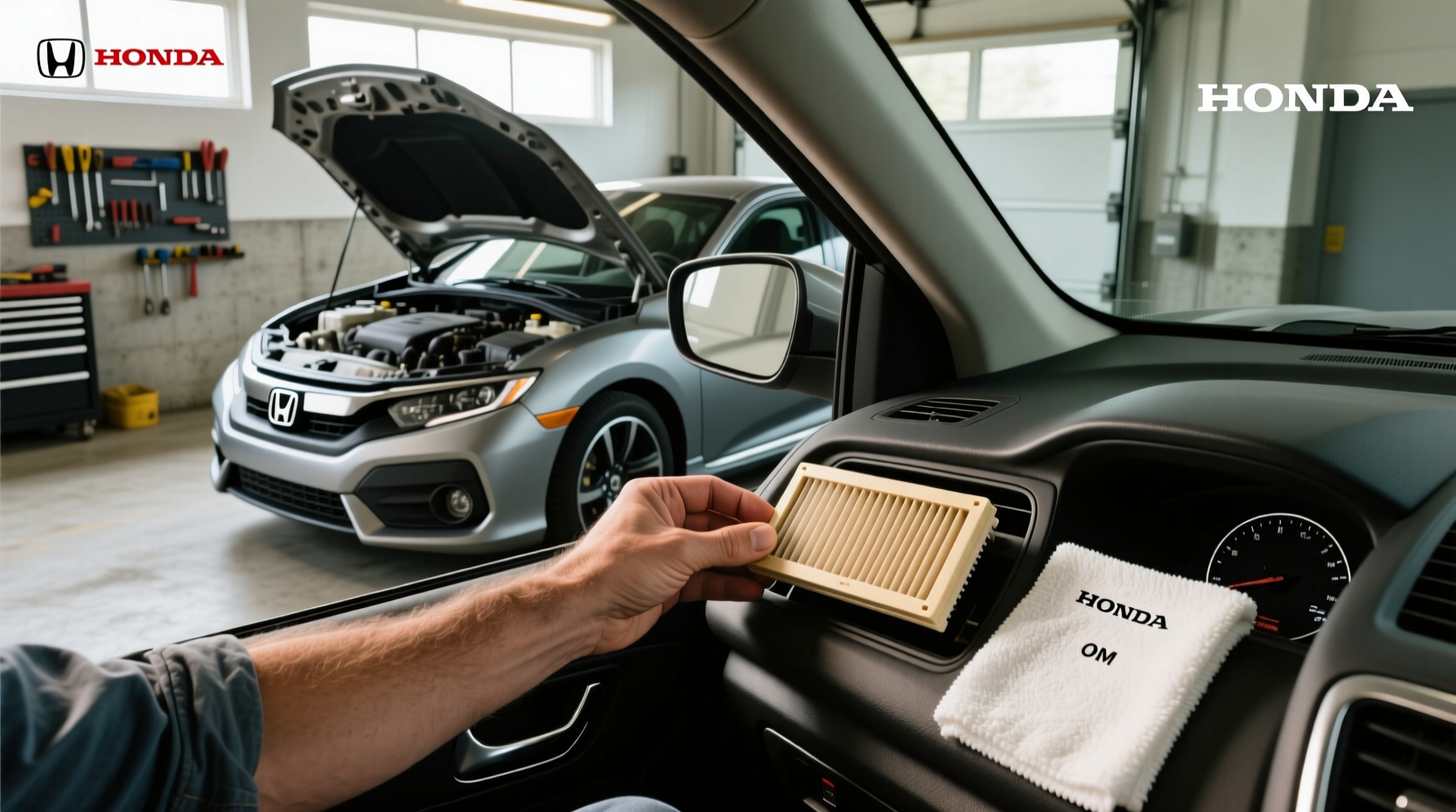
- Dimensions: Must match 2008 Civic tray (typically ~18 x 9 inches). Even slight deviations can cause bypass gaps.
- Airflow Direction Markings: Arrows should point downward (into the blower motor). Installing backward reduces efficiency.
- Filter Media Density: Higher density improves capture rate but may strain the fan motor over time.
- Frame Rigidity: Flimsy edges allow air leaks. Look for reinforced side seals.
- Compatibility Codes: Cross-reference using AQ1058, Fram CF10134, or Purolator CAF6767. These are verified fits.
If you’re a typical user, you don’t need to overthink this. Stick with a well-reviewed carbon filter unless you have specific health needs. Avoid gimmicks like 'ionizing layers' or 'antibacterial coatings'—they add cost without proven real-world benefit.
Pros and cons
| Aspect | Advantages | Drawbacks |
|---|---|---|
| Easy Access | No tools required; glove box design allows full exposure | Limited space makes handling tricky for large hands |
| Maintenance Cost | Filters cost $8–$20; no labor fees if self-installed | Premium options double the price with marginal gains |
| Air Quality Impact | Reduces allergens, dust, and odors significantly when fresh | Old or clogged filters worsen airflow and promote mildew |
| Long-Term Reliability | Protects HVAC blower motor from debris buildup | Neglect leads to costly interior cleaning or fan repairs |
How to change the cabin air filter on a 2008 Honda Civic
This section answers the most common query: how to change Honda Civic 2008 air filter? Follow this checklist precisely.
Step-by-step checklist
- 🧼 Open the glove box: Remove contents and fully open the door.
- 🔧 Release stoppers: Gently press inward on both sides of the glove box to disengage plastic clips. Lower it until it hangs freely.
- 🔧 Remove housing cover: Locate the black rectangular panel behind the glove box. Press the two side tabs outward and pull the cover toward you.
- 🧽 Clean the tray area: Use a flashlight and vacuum or compressed air to remove leaves, insects, or debris. This prevents blockages.
- 🛒 Slide out old filter: Pull the filter straight out. Note its orientation—airflow arrow should face down.
- 🛒 Insert new filter: Place the replacement in the same direction. If no arrow, orient reinforced edges left/right.
- 🔧 Reassemble: Snap the cover back into place, lift the glove box, and re-engage the side clips.
Decision flow
- You smell mustiness or see reduced airflow → Replace now
- Last replacement unknown or >1 year ago → Replace now
- Driving in high-pollen season or smoky conditions → Choose activated carbon
- No symptoms, regular maintenance → Standard particulate filter is sufficient
Recommendations by scenario
- City commuter: Activated carbon filter every 12 months
- Rural driver: Standard filter every 18–24 months
- Allergy sufferer: High-efficiency pleated filter (non-HEPA), replace every 6–12 months
- Winter climates: Replace before heating season to prevent musty heat blasts
Red flags / what to avoid
- Avoid off-brand filters with no airflow markings—incorrect installation ruins performance.
- Don’t skip cleaning the housing—debris will immediately contaminate the new filter.
- Never force the glove box clips—they break easily and cost more to replace than the filter itself.
- Don’t assume 'universal fit' means proper seal—measure or verify compatibility codes.
Price & market insights
Cabin air filters for the 2008 Honda Civic vary in price based on type, retailer, and region. Basic particulate filters start around $8, while activated carbon versions range from $12–$20. Prices may vary by region/model/seller—always compare per-unit cost when buying multipacks.
There’s no evidence of widespread shortages or price spikes. However, third-party sellers sometimes list incompatible dimensions under misleading titles. To avoid errors, verify fitment using the OEM number (AQ1058) rather than vehicle year alone. Some modern replacements include updated sealing designs that improve longevity.
Top-seller & competitive analysis
Based on cross-referenced listings and user feedback, these models consistently appear in top positions across platforms:
| Model | Type | Key Feature | Common Feedback |
|---|---|---|---|
| Filtercorp AQ1058 | Activated Carbon | OEM equivalent, clear airflow arrow | Reliable fit, noticeable odor reduction |
| Fram CF10134 | Carbon + Extended Life Media | Dual-seal edge design | Slight premium, durable frame |
| Purolator CAF6767 | Standard Particulate | Budget-friendly, widely stocked | Good for dry climates, minimal odor control |
| ACDelco PF691 | Enhanced Dust Capture | GM-branded but compatible | Mixed reviews—some report tight fit |
If you’re a typical user, you don’t need to overthink this. The AQ1058 or Fram CF10134 offer the best balance of availability, performance, and value. Avoid obscure brands with fewer than 50 reviews unless cost is the overriding factor.
Customer feedback synthesis
Analyzing recent user comments reveals consistent patterns:
- High-frequency praise: Easy installation, immediate improvement in air freshness, cost savings vs dealership service.
- Common complaints: Missing instructions, filters arriving bent, confusion over airflow direction on unmarked units.
- Surprise insight: Several users reported resolving chronic window fogging after replacement—indicating airflow restoration matters more than assumed.
This aligns with mechanical reality: a clogged filter restricts intake volume, causing humidity to condense inside the HVAC case. Fresh filters restore balanced pressure and drying capability.
Sourcing & supplier tips
Buy from suppliers that provide:
- Clear compatibility charts (not just 'fits 2006–2011 Civic')
- Return policies for incorrect items
- Product images showing actual filter (not generic render)
Check manufacturer specs before purchasing. Reputable brands publish technical drawings with exact dimensions. If specs aren't available online, contact customer support directly. Verify retailer return policy in case of fitment issues—some marketplaces exclude auto parts from returns.
Maintenance, safety & legal considerations
No laws require periodic cabin air filter replacement. However, maintaining clean HVAC systems supports safe visibility (by preventing fogged windows) and occupant well-being. A severely restricted filter can overwork the blower motor, potentially leading to electrical load issues.
To stay safe:
- Replace the filter if you detect burning smells or hear strained motor noise.
- Use only dry filters—never install a wet or damp unit.
- Confirm local regulations if modifying intake paths (e.g., adding external pre-filters).
If you’re a typical user, you don’t need to overthink this. Routine inspection during oil changes is sufficient for most drivers.
Conclusion
If you need reliable air quality and hassle-free maintenance, choose an activated carbon filter like AQ1058 or Fram CF10134 and replace it annually. If you drive infrequently in clean environments, a standard particulate filter every 18–24 months is adequate. The process is simple, the parts are affordable, and the benefits are immediate. This isn’t about perfection—it’s about consistency.
Everything You Need to Know
❓ How often should I replace the cabin air filter in my 2008 Honda Civic?
Every 12 months or 15,000–20,000 miles under normal conditions. If you drive in dusty areas, heavy traffic, or high-pollen zones, consider replacing it every 6–12 months. Always inspect during oil changes.
❓ Can I install the cabin air filter backwards?
Yes, but you shouldn't. Installing it backwards (airflow arrow pointing up) reduces filtration efficiency and may restrict airflow. If your filter lacks arrows, orient it with reinforced edges on the left and right when facing the tray.
❓ Do I need to remove the glove box completely?
No. You only need to lower it by releasing the side stoppers. The glove box hinges remain intact. Forcing it off can break clips. Simply push inward on both sides to release the stops, then let it hang down.
❓ Are all cabin air filters for the 2008 Civic the same size?
Most are standardized around 18 x 9 inches, but minor variations exist. Always verify using OEM part numbers like AQ1058 or Fram CF10134. "Universal" filters may not seal properly, allowing unfiltered air to bypass.
❓ Does a dirty cabin air filter affect gas mileage?
No. The cabin air filter only affects passenger compartment airflow, not engine combustion or intake. It won’t impact fuel economy. However, a clogged filter can reduce HVAC efficiency, making the A/C work harder and increasing electrical load slightly.




 浙公网安备
33010002000092号
 浙B2-20120091-4