
If you’re a typical user, you don’t need to overthink this. The cabin air filter on a 2012 Chevrolet Equinox is located behind the glove box, and replacing it takes under 15 minutes with no tools. When choosing a replacement, focus on correct dimensions (roughly 11.8 x 8.7 inches) and airflow direction—always install with the arrow pointing down. A common mistake is installing the filter backward, which reduces efficiency and may cause airflow noise. If you're asking how to choose a cabin air filter or what to look for in a replacement, stick to basic particulate filters unless you frequently drive in heavy traffic or polluted areas, in which case a carbon-activated version is worth considering. Over the past year, more owners have reported allergy symptoms linked to neglected filters, making timely replacement a low-cost way to improve comfort.
About the 2012 Chevy Equinox Cabin Air Filter
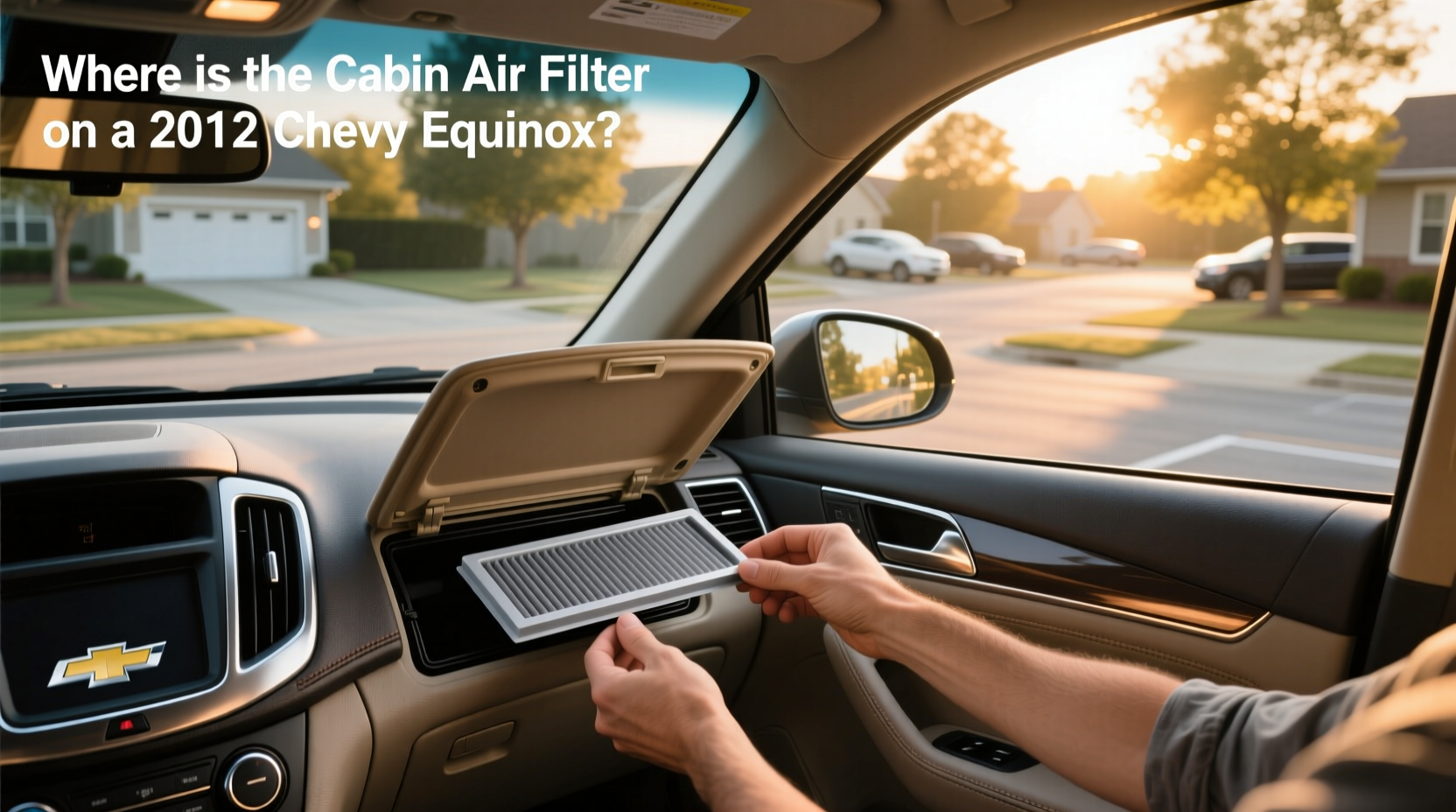
The cabin air filter in a 2012 Chevy Equinox is designed to trap dust, pollen, road debris, and some airborne pollutants before they enter the vehicle’s interior through the HVAC system. Unlike engine air filters, which protect mechanical components, cabin filters directly impact air quality inside the car. This model uses a flat-panel filter housed behind the glove compartment, accessible without tools. It's part of a design trend from the late 2000s onward that prioritized occupant comfort and indoor air quality in daily drivers.
Why This Maintenance Step Is Gaining Popularity
Lately, there’s been increased attention on in-cabin air quality, especially among urban drivers and those with seasonal allergies. Automakers haven’t significantly changed filter specs for models like the 2012 Equinox, but awareness has grown. Drivers now recognize that a clogged filter doesn’t just reduce airflow—it can contribute to musty odors, foggy windows, and increased strain on the blower motor. If you’re a typical user, you don’t need to overthink this: checking or replacing the filter every 12 months or 15,000 miles is sufficient for most environments. In high-dust areas or if you notice reduced HVAC performance, inspect it sooner. This piece isn’t for keyword collectors. It’s for people who will actually use the product.
Types and Variants
Cabin air filters for the 2012 Equinox come in two main types:
Standard Particulate Filters
- Pros: Inexpensive (typically $8–$15), widely available, effective at trapping dust, pollen, and larger particles
- Cons: Does not absorb gases or odors; limited protection against smoke or volatile organic compounds (VOCs)
Carbon-Activated Filters
- Pros: Reduces odors from exhaust, industrial zones, or wildfires; better performance in urban or congested driving conditions
- Cons: Higher cost ($18–$28); slightly denser media may reduce airflow if not properly maintained
When it’s worth caring about: If you regularly drive on dirt roads, in heavy city traffic, or have respiratory sensitivities, upgrading to a carbon filter makes sense. When you don’t need to overthink it: For average suburban driving, a standard filter performs reliably and lasts up to a year.
Key Features and Specifications to Evaluate
When selecting a replacement, verify these characteristics:
- 📏Dimensions: Approximately 11.8 x 8.7 inches (may vary slightly by brand)
- ➡️Airflow Direction: Look for an arrow on the filter frame—must point downward when installed
- 🧼Filter Media: Pleated paper or synthetic material; carbon layer present only in upgraded models
- 🏷️OEM vs Aftermarket: OEM filters match GM specifications exactly; aftermarket options offer similar performance at lower prices
When it’s worth caring about: If your current filter shows heavy discoloration or you’ve had persistent odor issues, inspect media density and consider a higher-efficiency option. When you don’t need to overthink it: Most reputable brands meet minimum filtration needs—stick with known suppliers and avoid no-name bulk packs.
Pros and Cons
| Aspect | Advantage | Drawback |
|---|---|---|
| Location Accessibility | No tools required; full access in under 2 minutes | Glove box must be lowered or removed carefully |
| Replacement Frequency | Infrequent maintenance needed (once per year typical) | Neglect leads to reduced HVAC efficiency |
| Cost | Low upfront price; even carbon versions are affordable | Poor-quality filters may degrade faster |
| Performance Impact | Noticeable improvement in air quality and odor control | Minimal effect on fuel economy or engine function |
How to Replace the Cabin Air Filter
If you’re a typical user, you don’t need to overthink this. Follow these steps to replace the filter safely and correctly.
Step-by-Step Checklist
- Empty the glove box: Remove all contents to allow full movement.
- Lower the glove box: Press the center tab at the top inward while gently lowering the box. Some models allow removal by lifting the sides off hinge pins.
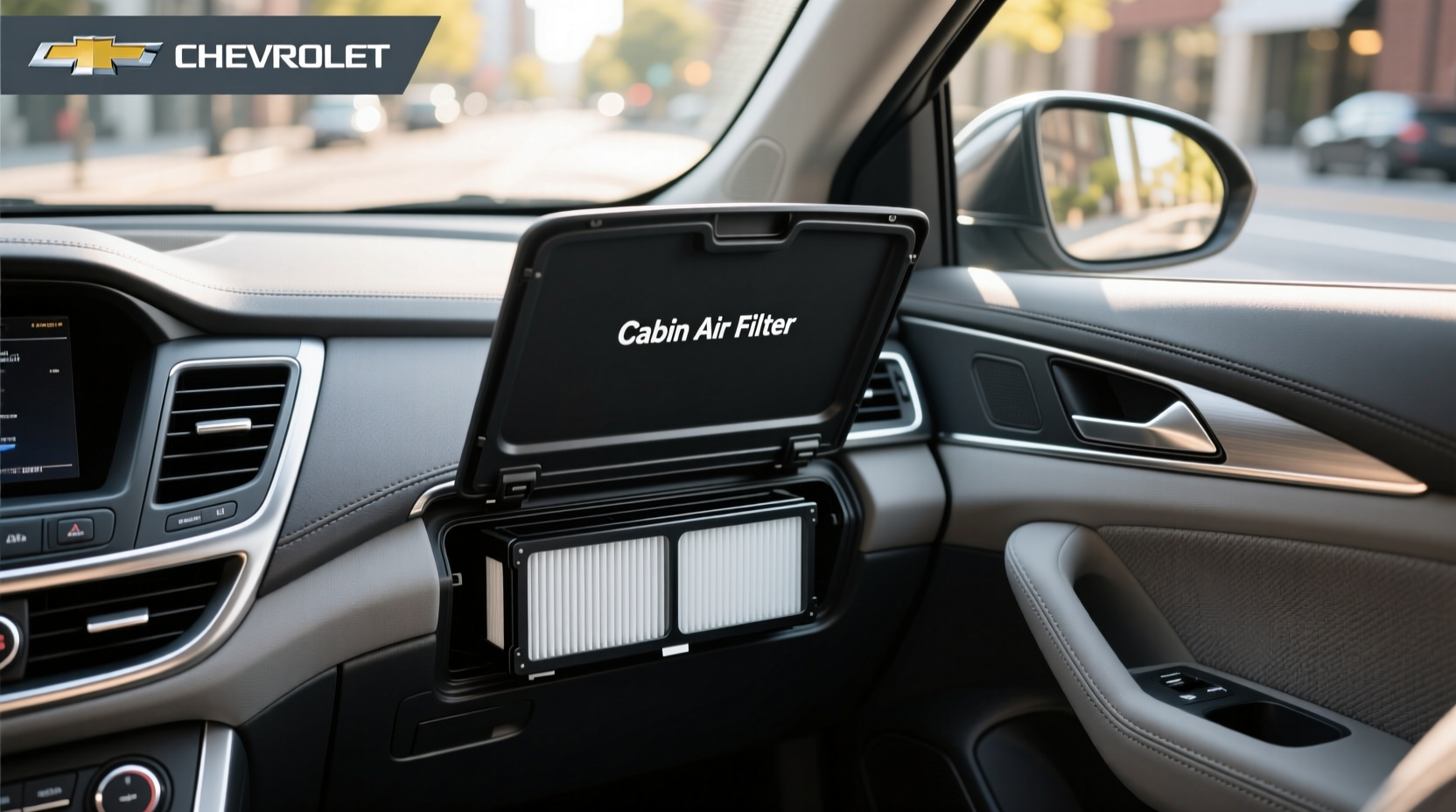
- Locate the filter housing: Behind the glove box, find the rectangular plastic cover secured by two spring clips.
- Open the housing: Push up on both bottom clips to release the cover. Lift it out carefully.
- Remove the old filter: Slide it straight out and note the airflow arrow direction (should point down).
- Clean the housing: Use a soft brush or cloth to remove accumulated dust.
- Insert the new filter: Align the airflow arrow downward and slide it fully into place.
- Reassemble: Snap the cover back on, lift the glove box into position, and test door closure.
Decision Flow
- Do you drive mostly in clean, dry climates? → Standard particulate filter
- Do you notice smells from traffic or idling vehicles? → Carbon-activated filter
- Is it been over a year since last replacement? → Replace now regardless of visible condition
Recommendations by Scenario
- Daily commuter in city: Choose a carbon filter; replace every 12 months
- Occasional driver in rural area: Standard filter; replace every 18–24 months
- Allergy-sensitive occupants: Upgrade to carbon filter and check every 6 months
Red Flags / What to Avoid
- ❌ Installing the filter backward (arrow facing up)—reduces airflow and filtration
- ❌ Forcing the housing cover—can break plastic clips
- ❌ Using a filter that doesn’t fit snugly—allows unfiltered air bypass
- ❌ Skipping reassembly checks—ensure glove box operates smoothly afterward
Price & Market Insights
Prices for 2012 Equinox cabin air filters vary by type and seller. Standard filters range from $8 to $16, while carbon-activated versions typically cost $18 to $28. Prices may vary by region/model/seller, especially between online marketplaces and local auto parts stores. Online retailers often bundle filters with discount codes, but shipping times should be considered. There’s little performance difference between top brands like AC Delco, Bosch, or Fram for this application—choose based on availability and return policy. If you’re a typical user, you don’t need to overthink this: spending more than $25 on a carbon filter offers diminishing returns.
Top-Seller & Competitive Analysis
Based on commonly available products and verified compatibility:
| Brand | Type | Price Range | Notable Feature |
|---|---|---|---|
| ACDelco | Standard / Carbon | $14–$24 | OEM supplier; exact fit guaranteed |
| Bosch | Carbon | $20–$26 | Enhanced odor reduction; pleated media |
| Fram | Standard | $9–$15 | Budget-friendly; widely stocked |
| Peak | Carbon | $18–$23 | Good balance of cost and performance |
This piece isn’t for keyword collectors. It’s for people who will actually use the product.
Customer Feedback Synthesis
Analysis of user reviews and forum discussions reveals consistent patterns:
- High praise: Easy DIY job, noticeable improvement in air quality, quiet operation after replacement
- Common complaints: Missing clips during reassembly, confusion about airflow direction, occasional fitment issues with non-OEM filters
- Surprise benefit: Reduced window fogging in cold weather due to improved airflow
When it’s worth caring about: If multiple users report difficulty with a specific brand’s fit, consider switching. When you don’t need to overthink it: Minor variations in thickness or edge contour rarely affect performance if the filter seats fully.
Sourcing & Supplier Tips
You can purchase compatible filters from national auto parts chains (e.g., O'Reilly Auto Parts1), dealership service departments, or online retailers. Always verify fit using your VIN when ordering online. Check manufacturer specs if unsure about carbon content or filtration rating. For immediate needs, local stores offer same-day pickup. Avoid bulk mystery-brand packs sold without clear specifications. If buying online, confirm retailer return policy in case of incorrect fit.
Maintenance, Safety & Legal Considerations
No legal requirements mandate cabin air filter replacement intervals, but neglecting it can indirectly affect safety. A severely clogged filter reduces defroster effectiveness, potentially impairing visibility in wet or cold conditions. Always ensure the glove box is securely reattached after service to prevent it from opening during braking. No special disposal procedures are required—used filters can be discarded with household waste. Verify local regulations if recycling is preferred. If you’re a typical user, you don’t need to overthink this: routine replacement is a preventive measure, not a compliance issue.
Conclusion
If you need reliable climate control and cleaner cabin air, choose a correctly sized filter with the airflow arrow clearly marked. For most drivers, a standard particulate filter replaced annually is sufficient. If you frequently encounter strong odors or pollution, opt for a carbon-activated version. The process is simple, inexpensive, and within reach of most DIYers. If you’re a typical user, you don’t need to overthink this.




 浙公网安备
33010002000092号
 浙B2-20120091-4