Short introduction
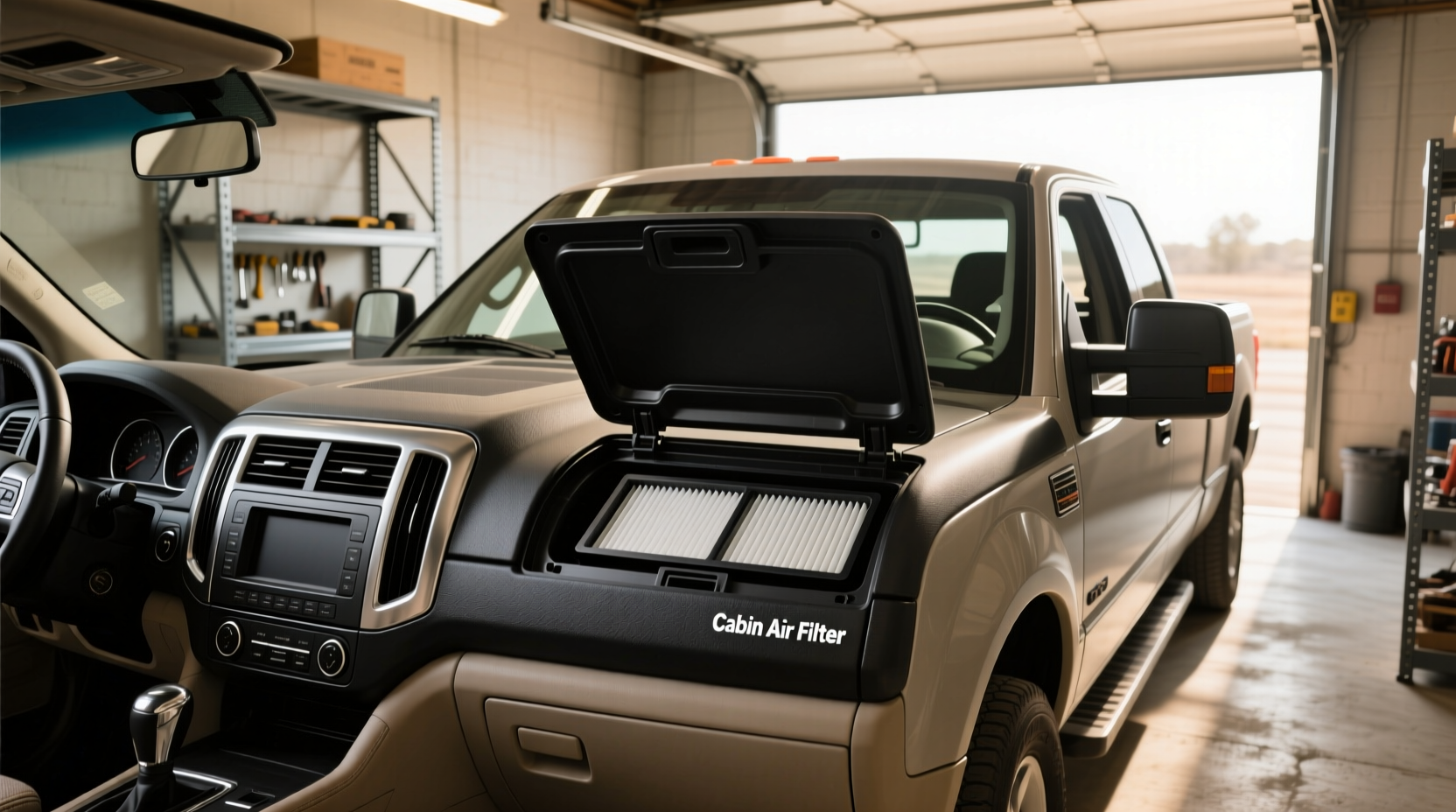
If you're asking how to find or replace the cabin air filter on a 2012 Ford F-150, here’s the direct answer: most 2012 F-150 models do not have a standard cabin air filter. Unlike newer models (2015 and up), which include a filter behind the glove box, the 2009–2014 generation typically lacks this component entirely. If you’re a typical user, you don’t need to overthink this—your truck likely wasn’t built with one.
However, some trims with climate-controlled seats may use small air filters under the front seats. These are not full cabin filters but serve a niche function for seat ventilation systems. Over the past year, more owners have been searching for ways to improve interior air quality, leading to confusion about whether a standard filter exists. The change isn't in the vehicle—it's in driver awareness. If your goal is cleaner cabin air, you’ll want to know exactly what type of system your F-150 has and whether aftermarket upgrades are viable.
What to look for in a 2012 F-150 air filtration solution? Focus on trim-specific features like heated/cooled seats, verify physical access points under the dashboard or seats, and avoid wasting time searching behind the glove box—a common misdirection from newer model guides. If you’re a typical user, you don’t need to overthink this: either your truck has seat-based microfilters or it has no filter at all.
About cabin air filters in Ford F-150s
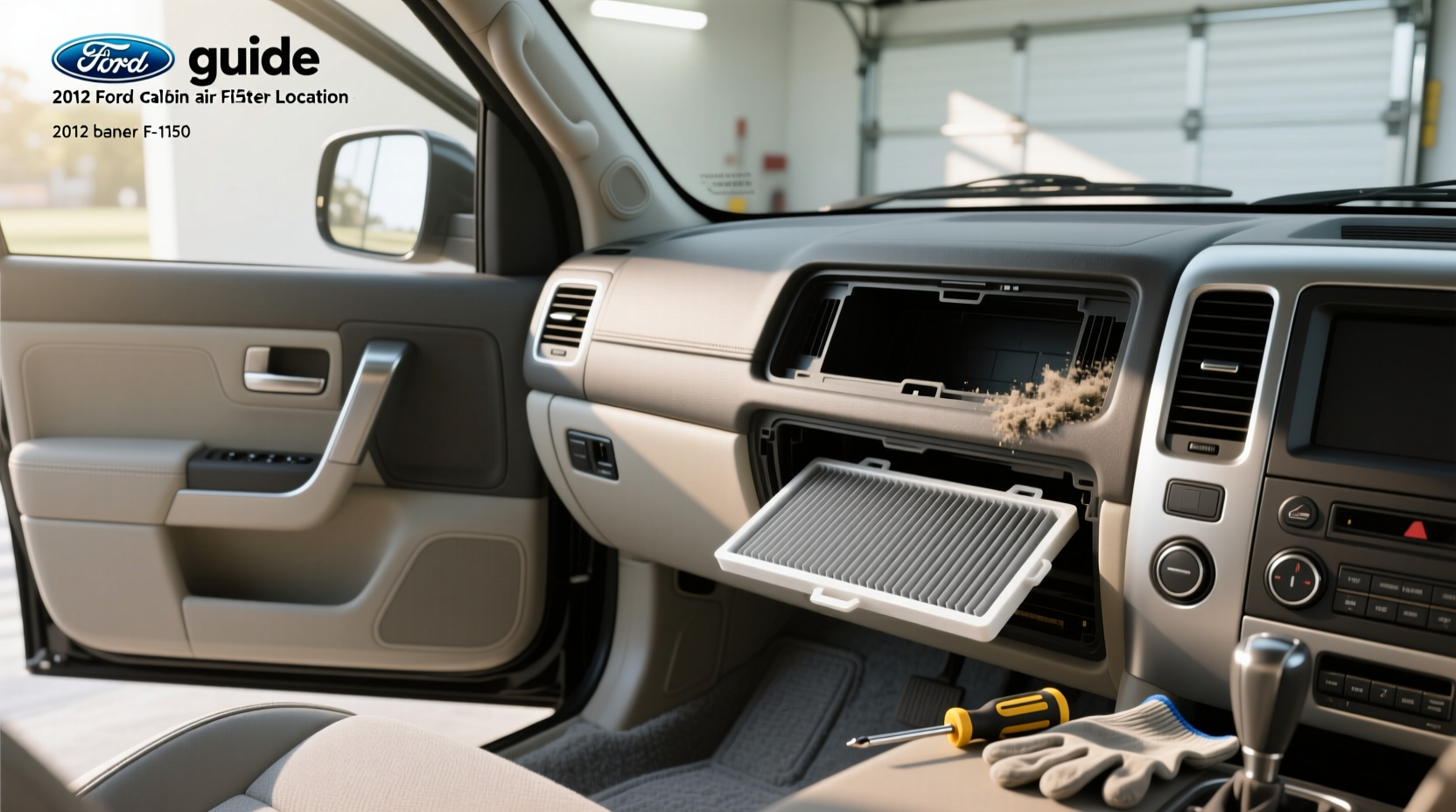
The presence of a cabin air filter in the Ford F-150 depends heavily on model year and trim level. Starting in 2015, Ford began equipping most F-150 variants with a standard cabin air filter housed behind the glove compartment. This change responded to rising consumer demand for improved cabin air quality, especially in urban and high-pollution environments.
For the 2009–2014 model range—including the 2012 F-150—Ford did not install a traditional cabin air filter as standard equipment. There was no dedicated housing, no service port, and no factory recommendation for replacement. This design decision reduced production cost and complexity but left drivers without a built-in way to filter pollen, dust, or exhaust particulates entering through the HVAC system.
That said, certain higher-end trims of the 2012 F-150—particularly those with climate-controlled (heated and cooled) front seats—do include small air filters. These are not designed to clean the entire cabin’s airflow but instead protect the blower motors in the seat ventilation system. They are often overlooked because they’re not labeled as “cabin air filters” in owner manuals.
Why this matters now
Lately, interest in cabin air quality has grown significantly. With increased time spent commuting, wildfire smoke events, and greater awareness of indoor air pollutants, truck owners are re-evaluating older vehicles like the 2012 F-150. Many assume that if newer trucks have filters, their older ones must too—or can be retrofitted easily.
This shift in attention explains why searches like “where is the cabin air filter on a 2012 Ford F-150?” have spiked. The reality, however, hasn’t changed: unless your truck has climate-controlled seats, there is no filter to replace. But understanding this distinction helps avoid wasted effort and guides realistic upgrades.
If you’re a typical user, you don’t need to overthink this: your HVAC system pulls unfiltered air directly into the cab. That doesn’t mean it’s unsafe—it means it operates differently than post-2015 models. This piece isn’t for keyword collectors. It’s for people who will actually use the product.
Types and variants
There are two types of air filtration components associated with the 2012 F-150:
1. Climate-Controlled Seat Air Filters (Trim-Specific)
- Location: Under the front driver and passenger seats
- Design: Small cylindrical or square filter elements (often ~2–3 inches in diameter)
- Function: Prevent debris from entering seat fan motors
Pros:
- Protects seat ventilation hardware
- Easy to access and replace (no tools needed)
- Low cost (~$15–$25 per filter)
Cons:
- Do not improve overall cabin air quality
- Only available on select trims (e.g., Lariat, King Ranch with cooled seats)
- Limited lifespan (~12–18 months in dusty conditions)
2. No Filter (Standard Configuration)
Most 2012 F-150s fall into this category. The HVAC system draws outside air without passing it through any filtration medium.
Pros:
- No maintenance required
- No added airflow restriction
- Simpler system design
Cons:
- No protection against airborne particles
- Pollen, dust, and smog enter freely
- May contribute to allergy symptoms during high-exposure drives
Key features and specifications to evaluate
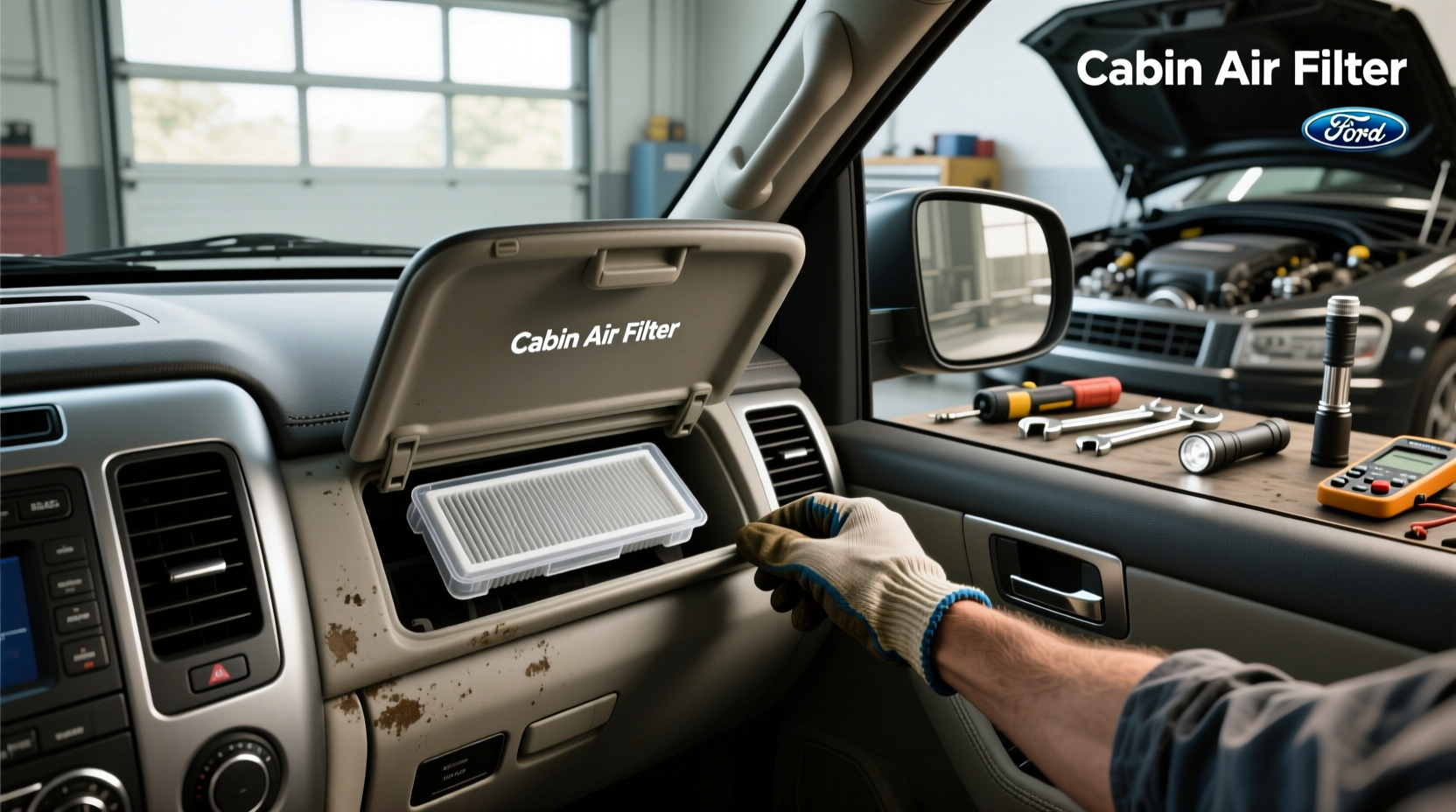
When assessing whether your 2012 F-150 has an air filtration system, consider these factors:
- Trim Level: Only higher trims with cooled/heated seats include microfilters.
- Filter Type: Usually non-washable carbon or foam inserts (e.g., FS100-style).
- Replacement Interval: Not officially specified by Ford; real-world data suggests every 12–24 months depending on environment.
- Aftermarket Options: No OEM-style cabin filter retrofit kits are widely supported. Third-party solutions exist but may reduce airflow or rattle.
When it’s worth caring about: if you drive frequently in dusty areas, carry allergens, or notice reduced seat fan performance.
When you don’t need to overthink it: if you lack climate-controlled seats, there is nothing to replace—and adding one isn’t practical.
Pros and cons
| Aspect | With Seat Filters | No Filter (Standard) |
|---|---|---|
| Air Quality Impact | Minimal (localized only) | None |
| Maintenance Need | Low (occasional check) | None |
| Cost Over Time | $30–$50 every 1–2 years | $0 |
| Upgrade Potential | Limited aftermarket options | Same |
| Common Issues | Clogged seat fans, musty odor | Dust accumulation inside dash |
How to check and maintain (Buying guide)
Follow this step-by-step checklist to determine if your 2012 F-150 has air filters and how to proceed.
Step-by-step checklist
- Confirm Trim Features: Check if your truck has climate-controlled (cooled) front seats. Look for “Seat Temp Control” buttons near the climate panel.
- Inspect Under Front Seats: Slide the seat forward and look underneath. You should see a small round or square cover (may say “filter” or have an arrow).
- Remove Filter (if present): Twist counterclockwise to unlock and pull out. Note airflow direction marking (if any).
- Evaluate Condition: If dark, clogged, or brittle, replacement is advisable.
- Source Replacement: Search for “climate controlled seat filter 2012 F-150” or part number equivalents like FS100. May vary by region/model/seller.
- Install New Filter: Align correctly, twist clockwise until locked.
Decision flow
- Do you have cooled seats? → Yes → Check under seats → Found filter? → Replace as needed.
- Do you have cooled seats? → No → Your truck does not have a cabin or seat air filter.
Recommendations by scenario
- City commuter in polluted area: Consider portable cabin air purifiers; no factory filter exists.
- Off-road/dusty job site user: Inspect seat filters annually if equipped; otherwise, no action needed.
- Allergy-sensitive driver: Upgrade cabin cleanliness via regular interior cleaning and external air intake management (e.g., avoid idling in traffic with fresh air mode).
Red flags / what to avoid
- Searching behind the glove box for a filter—this housing doesn’t exist on 2012 models.
- Purchasing “cabin air filter retrofit kits”—most lack proper seals and can create noise or airflow issues.
- Assuming all F-150s are the same—model year and trim make critical differences.
- Ignoring verified fitment: always cross-check part compatibility with your VIN or trim code.
If you’re a typical user, you don’t need to overthink this: your vehicle either has seat-based filters or it doesn’t. Act accordingly.
Price & market insights
Seat air filters for climate-controlled systems typically cost between $15 and $30 each. Prices may vary by region/model/seller, and availability depends on trim-specific demand. Major auto parts retailers (e.g., O'Reilly, AutoZone) may carry them, but online marketplaces often offer better selection.
There is no standardized pricing for cabin air filtration in 2012 F-150s because no OEM cabin filter exists. Aftermarket claims of “universal fit” filters should be treated skeptically—they may not integrate safely with the HVAC ducting.
Top-seller & competitive analysis
While no official sales rankings exist for 2012 F-150 seat filters, commonly referenced brands include FRAM (Fresh Air line), Bosch, and Motorcraft (OEM). Below is a comparison based on observable features and user reports.
| Brand | Type | Estimated Price | User Feedback |
|---|---|---|---|
| Motorcraft | OEM seat filter | $25 | Exact fit, quiet operation, limited availability |
| FRAM Fresh Air | Aftermarket seat filter | $18 | Widely available, good value, slight fit variance reported |
| Bosch | Aftermarket seat filter | $22 | Durable construction, consistent performance |
Note: Compatibility varies by seat configuration. Always verify fit using your VIN before purchase.
Customer feedback synthesis
Analysis of owner discussions 1 reveals recurring themes:
High-frequency positives:
- “Easy to replace—takes less than five minutes.”
- “Noticeably quieter seat fans after changing the filter.”
- “Simple design, logical placement under the seat.”
Common complaints:
- “Wasted time looking behind the glove box—why do so many videos show that?”
- “Hard to find in stores; had to order online.”
- “No clear indicator when it needs changing.”
- “Didn’t realize my base model doesn’t have any filter at all.”
Sourcing & supplier tips
When sourcing seat air filters:
- Use your VIN to confirm trim-level features through Ford’s official support portal 2.
- Check retailer return policies—some sellers mislabel universal parts as compatible.
- Search using precise terms: “2012 F-150 climate controlled seat air filter” rather than “cabin air filter.”
- Consider OEM (Motorcraft) for guaranteed fit, though slightly higher cost.
Maintenance, safety & legal considerations
Maintaining seat air filters involves no special tools or risks. However:
- Always disconnect the battery before working under seats if removing electrical connectors.
- Never force a filter into place—if it doesn’t twist smoothly, double-check orientation.
- Dispose of old filters responsibly; some contain activated carbon.
No regulations require cabin air filtration in personal vehicles. To verify local requirements (e.g., for commercial fleets), consult your regional transportation authority. For health-related concerns, consult medical professionals about environmental exposure.
Conclusion
If you need to maintain climate-controlled seat performance in your 2012 F-150, choose a compatible seat air filter and inspect it every 12–18 months. If you’re seeking whole-cabin air purification, understand that your truck wasn’t designed with a standard filter—and retrofitting is not recommended. If you’re a typical user, you don’t need to overthink this: act based on your actual trim and usage, not assumptions from newer models.




 浙公网安备
33010002000092号
 浙B2-20120091-4