
Short introduction
If you're shopping for a used 2012 Ford Focus hatchback, your biggest decision is the transmission—specifically, whether to avoid the 6-speed PowerShift dual-clutch automatic. What to look for in a 2012 Ford Focus transmission comes down to one thing: reliability over convenience. The base model came with a standard 5-speed manual, which remains the more durable and predictable option. The optional 6-speed PowerShift DCT was marketed as efficient and smooth but developed widespread reports of shuddering, hesitation, and premature failure, especially under light-load driving conditions like city commutes.
If you’re a typical user, you don’t need to overthink this. Choose the manual if it fits your driving style. If you must have an automatic, verify extensive service records and be prepared for potential long-term costs. Over the past year, interest in these models has increased due to their affordability in the sub-$5,000 sedan market, but the transmission issue remains a critical filter. This piece isn’t for keyword collectors. It’s for people who will actually use the product.
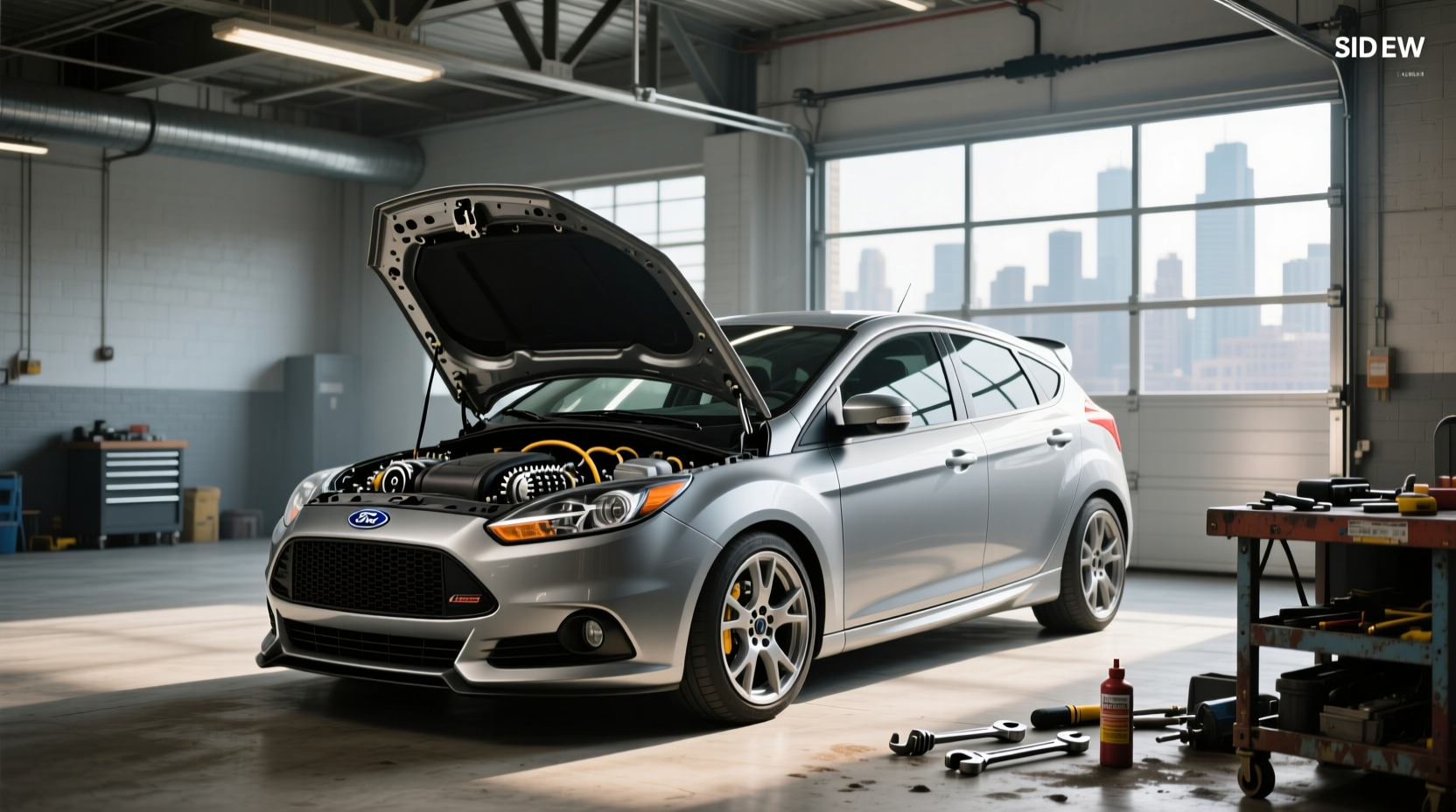
About 2012 Ford Focus Hatchback Transmission
The 2012 Ford Focus hatchback marked the third generation of Ford's global compact car, redesigned with improved handling, fuel efficiency, and tech integration. A key part of that redesign was the transmission lineup. Ford offered three options across trim levels: a traditional 5-speed manual, a conventional 6-speed automatic (only on the base S trim with the 2.0L engine), and the newer 6-speed PowerShift dual-clutch transmission (DCT). The latter was central to Ford’s strategy to improve fuel economy without sacrificing automatic convenience.
Despite its technical promise, the PowerShift became one of the most scrutinized components in modern Ford history. Unlike a traditional torque-converter automatic, the PowerShift uses two dry clutches—one managing odd gears, the other even gears—and shifts by pre-selecting the next gear. In theory, this allows faster shifts and lower mechanical loss. In practice, many owners experienced rough engagement, lurching at low speeds, and delayed throttle response. These weren't minor quirks—they affected daily drivability.
Why This Is Gaining Popularity
Lately, the 2012 Focus has re-entered buyer radar not because of renewed acclaim, but due to economic pressure. With average used car prices still elevated, budget-conscious drivers are revisiting older compacts. The Focus offers decent space, highway fuel economy around 36 mpg, and available features like SYNC infotainment—even in base trims. However, what changed recently is awareness. Forums, YouTube teardowns, and extended ownership data have clarified which models hold value and which to avoid.
This isn't nostalgia—it's triage. Buyers now know that while the chassis and suspension of the 2012 Focus are generally sound, the transmission can make or break ownership. That clarity has shifted demand toward manual-equipped models and driven up scrutiny on any automatic version. If you’re a typical user, you don’t need to overthink this: prioritize drivetrain history over cosmetic condition.
Types and Variants
- 5-Speed Manual Transmission
Standard on S and SE trims, this gearbox is mechanically simple and widely regarded as reliable. It pairs with either the 2.0L four-cylinder engine (140 hp) or the turbocharged 2.0L in the ST trim (not available in 2012).
When it’s worth caring about: If you drive mostly in cities or want maximum control over gear changes.
When you don’t need to overthink it: If you already prefer manuals or plan to keep the car long-term without major repairs.
- 6-Speed PowerShift Dual-Clutch (DCT)
Available on S and SE, standard on SEL and Titanium trims. Marketed as a fuel-efficient automatic alternative, this dry-clutch DCT struggled with heat management and software tuning. Shuddering during takeoff and erratic shifting were frequently reported.
When it’s worth caring about: Only if you cannot drive a manual and are prepared to inspect service history thoroughly.
When you don’t need to overthink it: If you see "PowerShift" listed without recent transmission work—just walk away.
- 6-Speed Conventional Automatic
Only offered on the base S trim with the 2.0L engine. Less common than the PowerShift, this is a traditional hydraulic automatic with a torque converter. Fewer complaints exist about this unit, though it's less fuel-efficient.
When it’s worth caring about: If you need an automatic and want a simpler, proven design.
When you don’t need to overthink it: If you're buying privately and the seller can't confirm the type—ask for VIN lookup or skip it.
Key Features and Specifications to Evaluate
When assessing a 2012 Focus transmission, focus on verifiable traits—not promises. Look for:
- Actual shift behavior: Test drive in stop-and-go traffic. Does the car hesitate or jerk below 15 mph?
- Service records: Was the transmission fluid ever changed? Note: Ford did not recommend regular fluid changes, but some mechanics argue it helps longevity.
- Software updates: Ford issued TSBs (Technical Service Bulletins) to recalibrate shift timing. Ask if the module was updated 1.
- VIN-specific configuration: Use a free decoder or dealer tool to confirm original equipment—don’t rely on seller description.
If you’re a typical user, you don’t need to overthink this. A clean test drive matters more than brochure specs.
Pros and Cons
| Transmission Type | Pros | Cons |
|---|---|---|
| 5-Speed Manual | Proven durability, lower repair risk, better driver engagement | Less convenient in heavy traffic, fewer buyers if reselling |
| PowerShift DCT | Fuel-efficient, automated clutch, smooth when functioning | Shuddering common, expensive repairs, poor resale |
| 6-Speed Automatic | Smoother low-speed operation, simpler diagnostics | Rarely equipped, slightly lower MPG, heavier maintenance |
How to Choose a 2012 Ford Focus Transmission
This guide helps you avoid costly surprises by focusing on real-world usability, not marketing claims.
Step-by-Step Checklist
- Confirm the transmission type via VIN or owner’s manual.
- Test drive in urban conditions—watch for hesitation or vibration under 20 mph.
- Ask for service records showing transmission-related work.
- Check for active recalls or TSBs related to gear calibration.
- Get a pre-purchase inspection from a mechanic familiar with Ford DCTs.
Decision Flow
- Can you drive a manual? → Choose 5-speed manual.
- No manual option acceptable? → Look for 6-speed conventional automatic (rare).
- Only PowerShift available? → Demand full maintenance history and recent inspection.
Recommendations by Scenario
- First-time buyer on a tight budget: Avoid PowerShift. Stick with manual unless you find a well-documented automatic.
- Urban commuter: Manual is ideal. PowerShift struggles most in city driving.
- Long-term holder: Mechanical simplicity wins. Manual reduces future uncertainty.
- Resale-focused buyer: Even functional PowerShift models depreciate faster. Manuals retain relative value.
Red Flags / What to Avoid
- “It shifts fine most of the time” – inconsistent behavior indicates pending failure.
- No service history – assume worst-case wear.
- Rebuilt or replaced transmission without documentation – high risk of recurrence.
- Stalling at stops or delayed acceleration – classic DCT symptom.
- Price significantly below market – may reflect known mechanical issues.
Price & Market Insights
Prices for 2012 Focus hatchbacks vary widely based on transmission, mileage, and location. Manual models typically sell for $3,500–$5,500, while PowerShift-equipped versions often list $500–$1,000 lower. However, regional differences may affect availability—some areas saw higher DCT adoption. Always compare against local listings and adjust expectations based on verified condition, not sticker price. If you’re a typical user, you don’t need to overthink this: cheaper upfront cost rarely offsets repair bills later.
Top-seller & Competitive Analysis
The 2012 Focus competed with the Honda Civic, Toyota Corolla, and Volkswagen Golf. While rivals relied on proven automatics or robust manuals, Ford bet on innovation with the PowerShift. That gamble hurt resale and reputation.
| Model | Transmission Type | Reliability Perception | Owner Sentiment |
|---|---|---|---|
| 2012 Ford Focus (Manual) | 5-speed manual | Good | Positive – praised for handling and efficiency |
| 2012 Ford Focus (PowerShift) | 6-speed DCT | Poor | Negative – frequent complaints about shuddering |
| 2012 Honda Civic | 5-speed manual / CVT | Excellent | Strong loyalty, minimal transmission issues |
| 2012 VW Golf | 5-speed manual / DSG (wet-clutch) | Fair (DSG had issues too) | Mixed – DSG better than PowerShift but not flawless |
Customer Feedback Synthesis
Analysis of owner forums, reviews, and Q&A sites reveals consistent patterns:
- High praise: Manual transmission owners report smooth operation, ease of repair, and satisfaction with fuel economy.
- Common complaints: PowerShift users describe “juddering,” “delayed response,” and unexpected neutral drops. Many resorted to factory reprogramming or full replacements.
- Regrets: Buyers who prioritized trim level over transmission type often express regret after repair costs exceed $2,000.
- Workarounds: Some drivers adopt aggressive launch techniques to minimize slippage—a sign of compromised design.
If you’re a typical user, you don’t need to overthink this. Real-world feedback overwhelmingly favors mechanical simplicity.
Sourcing & Supplier Tips
When sourcing a 2012 Focus, private sellers dominate the market. Dealerships rarely stock them unless certified pre-owned (unlikely for this age). Prioritize sellers who provide:
- Full service records
- Willingness to allow independent inspection
- Transparency about previous issues
Avoid auction-only titles or cars sold “as-is” without history. Verify return policy if buying online. Check manufacturer specs directly using the VIN before committing. This piece isn’t for keyword collectors. It’s for people who will actually use the product.
Maintenance, Safety & Legal Considerations
Ford did not require scheduled transmission fluid changes for the PowerShift, but many specialists recommend periodic inspection. Overheating in stop-and-go traffic can accelerate wear. No safety recalls specifically cite loss of propulsion due to transmission failure, but jerking or hesitation increases rear-end collision risk in dense traffic.
To protect yourself:
- Confirm local lemon law coverage—some states included PowerShift models in settlement agreements.
- Review warranty status: extended powertrain warranties may have expired, but check for transferable plans.
- Verify compliance with emissions standards in your region—older DCTs aren’t inherently non-compliant, but modifications matter.
Conclusion
If you need a dependable daily driver and can operate a stick shift, choose the 5-speed manual 2012 Ford Focus hatchback. If you require an automatic and cannot find a conventional 6-speed model, proceed with extreme caution on PowerShift variants—even those with clean appearances. Long-term ownership costs hinge more on transmission choice than any other factor. If you’re a typical user, you don’t need to overthink this: reliability beats novelty every time.




 浙公网安备
33010002000092号
 浙B2-20120091-4