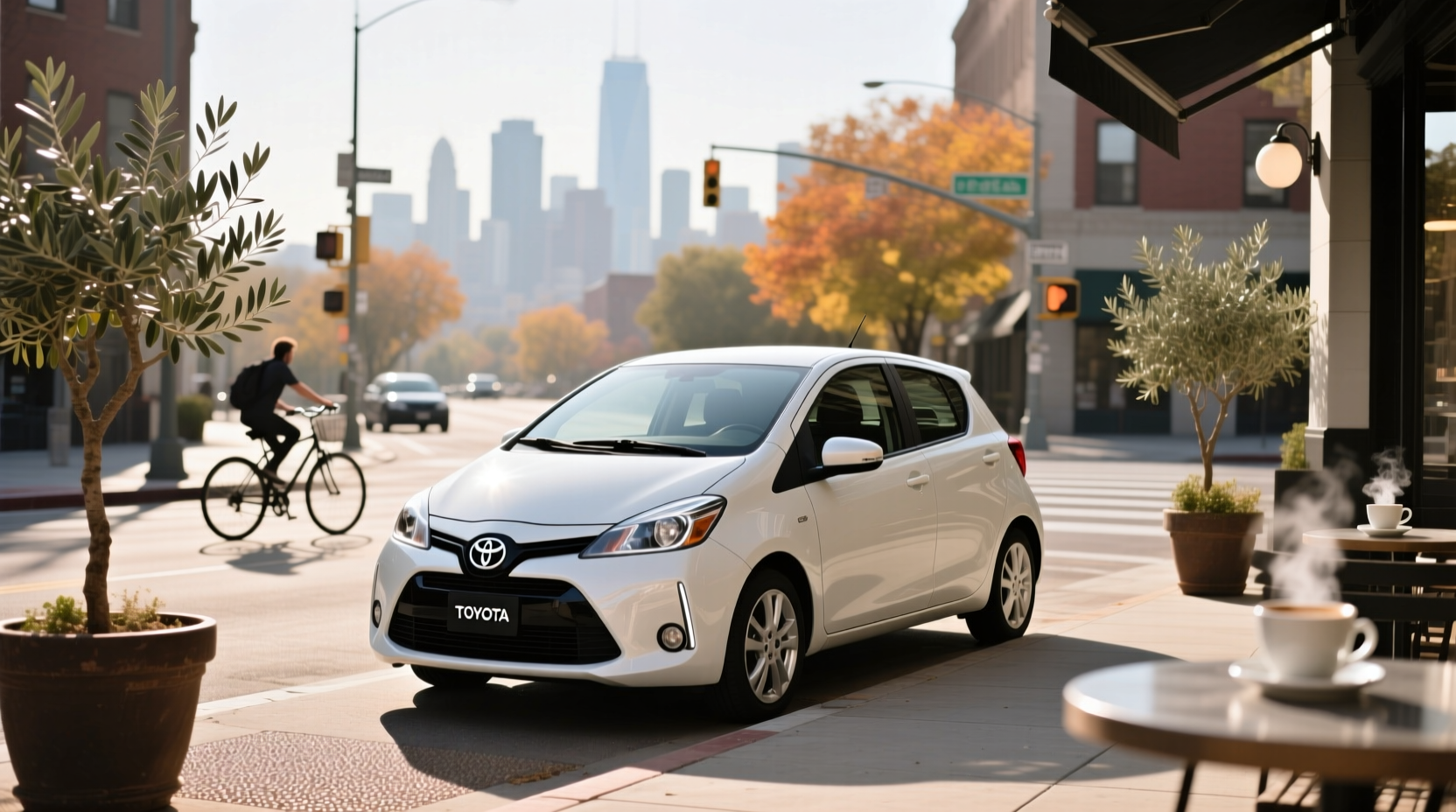
If you’re shopping for a reliable, low-cost commuter car with proven longevity, the 2015 Toyota Yaris hatchback is a strong contender. How to choose a used Yaris? Focus on maintenance history, trim level (L vs SE), and verify whether it has known recalls like faulty airbag inflators 1. If you’re a typical user, you don’t need to overthink this: the 2015 model sits within Toyota’s most dependable generation (2012–2018), offering predictable performance and minimal repair costs over time. Over the past year, rising fuel prices and economic uncertainty have renewed interest in ultra-efficient subcompacts like the Yaris. Recently, more first-time buyers and urban drivers have turned to models under $10,000 that still promise 30+ MPG and five-figure mileage without surprise repairs. This piece isn’t for keyword collectors. It’s for people who will actually use the product.
About the 2015 Toyota Yaris Hatchback
The 2015 Toyota Yaris hatchback belongs to the third generation (XP90) of the Yaris lineup, sold globally from 2011 to 2020. In North America, this model marked a shift toward slightly improved interior materials and better crash test ratings compared to earlier versions. It came standard with a 1.5-liter four-cylinder engine producing 106 horsepower, paired with either a five-speed manual or a four-speed automatic transmission. Available trims included the base L, mid-level LE, and sportier SE hatchback.
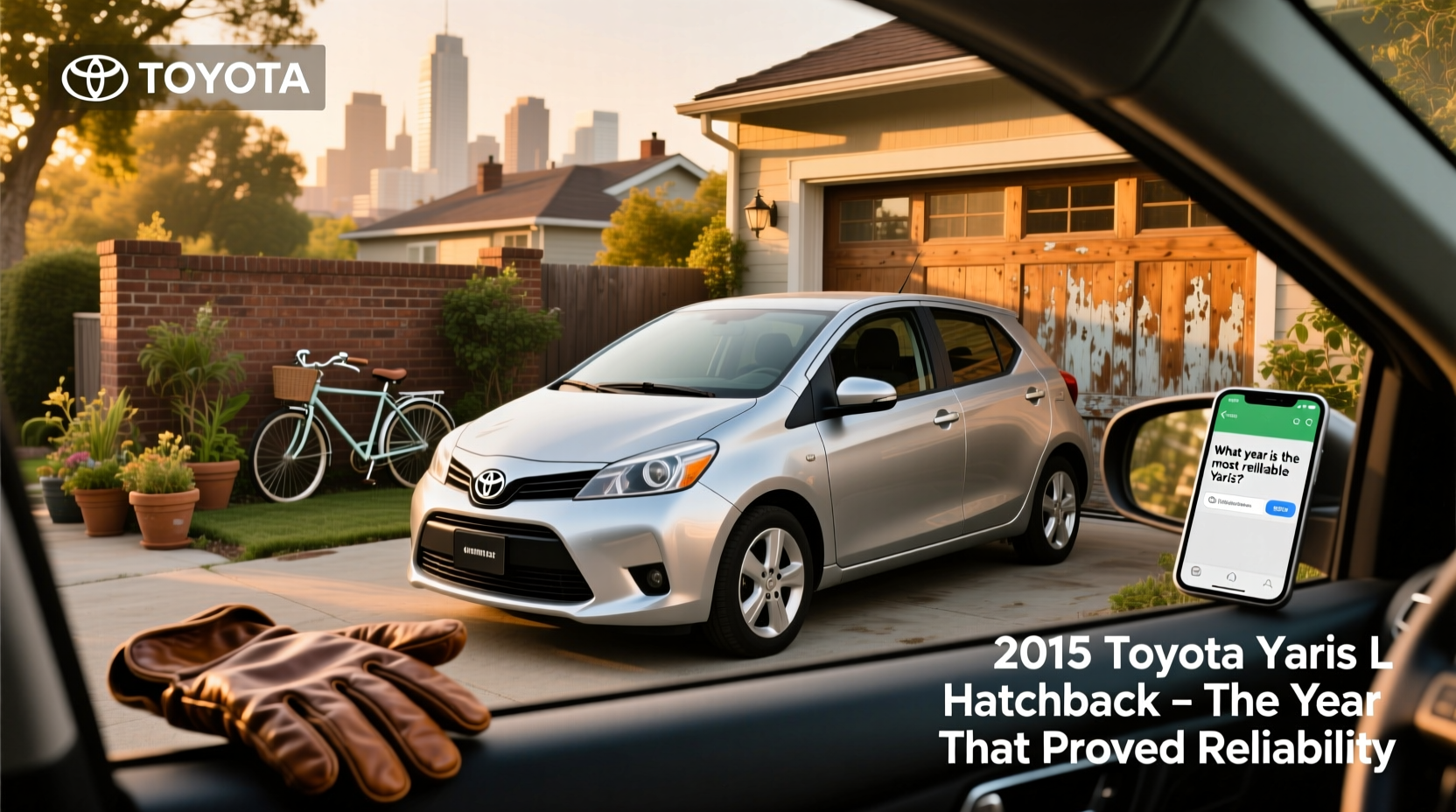
Despite its small footprint, the Yaris offered class-competitive cargo space (15.6 cubic feet behind rear seats) and seating for five. Fuel economy was a standout: EPA estimates rated it at 32 MPG combined (29 city / 37 highway) with the automatic, making it one of the most frugal non-hybrid options available at the time.
Why the 2015 Yaris Is Gaining Popularity
Lately, there's been a quiet resurgence in demand for simple, unconnected vehicles—and the 2015 Yaris fits perfectly. As newer cars pack complex infotainment systems and driver-assist tech, some buyers are opting out of software glitches, high repair bills, and steep depreciation. The 2015 Yaris has no touchscreen as standard, limited connectivity, and mechanical simplicity—all features now seen as advantages by budget-conscious and mechanically inclined users.
This trend aligns with broader shifts: rising insurance premiums for newer models, supply chain delays affecting replacement parts, and increasing interest in DIY maintenance. For those prioritizing function over flash, the 2015 Yaris delivers exactly what it promises: transportation that starts every morning and rarely asks for help.
Types and Variants
The 2015 Yaris hatchback was offered in three main trims, each balancing cost and convenience differently:
| Trim | Pros | Cons |
|---|---|---|
| L Hatchback | Affordable pricing, basic AM/FM radio, manual windows/locks | Fewer comfort features, cloth seats only, no power mirrors |
| LE Hatchback | Power windows/locks, cruise control, upgraded fabric | Slightly higher purchase price, same outdated stereo |
| SE Hatchback | Sport suspension, alloy wheels, fog lights, rear spoiler | Firmer ride quality, limited availability, higher wear on tires |
All variants share the same engine and drivetrain. Transmission choice (manual vs automatic) affects both driving experience and long-term value—manuals tend to be cheaper but less desirable in markets where automatics dominate.
Key Features and Specifications to Evaluate
When evaluating a used 2015 Yaris, focus on these specifications—not because they're impressive, but because deviations may signal problems:
- Engine: 1.5L 1NZ-FE inline-4 (106 hp, 103 lb-ft)
- Transmission: 5-speed manual or 4-speed automatic (no CVT)
- Fuel Economy: 32 MPG combined (automatic), 35 MPG (manual)
- Curb Weight: ~2,300 lbs
- Cargo Space: 15.6 cu ft (rear seats up), 47.2 cu ft (folded)
- Safety: Standard ABS, stability control; optional side/curtain airbags
When it’s worth caring about: if the car claims unusually high MPG or horsepower, suspect tampering or misrepresentation. When you don’t need to overthink it: all engines in this generation are fundamentally the same—Toyota’s 1NZ-FE is known for durability when maintained.
Pros and Cons
| Pros ✅ | Cons ⚠️ |
|---|---|
| Proven long-term reliability | Outdated interior materials |
| Low maintenance and repair costs | Basic infotainment system (if equipped) |
| Excellent fuel efficiency | Four-speed automatic feels sluggish |
| Compact size aids city navigation | Limited acceleration (0–60 mph in ~10 seconds) |
| Widely supported by mechanics | Possible airbag recall (check VIN) |
How to Buy a 2015 Yaris Hatchback
Buying a used 2015 Yaris doesn’t require expert knowledge—but skipping steps can cost you later. Follow this checklist to avoid common pitfalls.
Step-by-Step Checklist
- Verify vehicle history: Run a VIN check for accidents, title issues, and ownership count.
- Confirm open recalls: Visit NHTSA.gov/recalls and enter the VIN—especially for Takata airbag replacements.
- Inspect maintenance records: Look for regular oil changes, timing belt service (if applicable), and coolant flushes.
- Test drive thoroughly: Check for transmission hesitation, steering vibration, and unusual noises during acceleration.
- Get a pre-purchase inspection: Have a trusted mechanic inspect for engine mounts, exhaust leaks, and suspension wear.
Decision Flow
- If you want the lowest possible cost → Choose L trim with manual transmission
- If you prioritize comfort → Pick LE with automatic and verified service history
- If you enjoy spirited driving → Find an SE with low mileage and original owner
Recommendations by Scenario
- First-time buyer: Prioritize condition over features. A well-maintained L trim is sufficient.
- City commuter: Appreciate tight turning radius and easy parking. Automatic preferred.
- DIY maintainer: Manual transmission offers easier access and lower fluid costs.
Red Flags / What to Avoid
- No service history: High risk of hidden wear. Walk away unless priced significantly below market.
- Rebuilt title or salvage history: Even if repaired, resale value drops sharply.
- Frequent stalling or rough idle: Could indicate failing sensors, vacuum leaks, or ECU issues.
- Transmission slipping: Automatic units from this era can develop solenoid or valve body problems.
- Unreplaced airbags: Some 2015 models were part of extended Takata recalls—verify completion.
If you’re a typical user, you don’t need to overthink this: any 2015 Yaris with clean history, full fluids, and smooth operation will likely serve you reliably for years.
Price & Market Insights
As of late 2024, average asking prices for a 2015 Yaris hatchback range from $5,000 to $8,500 in the U.S., depending on trim, mileage, and region. According to Kelley Blue Book data, the national fair purchase price averages around $8,170 for a 4-door sedan variant and $9,243 for the SE hatchback 2. However, actual sale prices often fall below KBB due to age and competition from other used econoboxes.
Pricing may vary by region/model/seller—always compare locally. In colder climates, rust under wheel wells or frame rails should prompt price negotiation. In sun-heavy areas, cracked dashboards or faded interiors are common and expected.
Top-Seller & Competitive Analysis
The 2015 Yaris competes directly with other subcompact hatchbacks from the same era, including the Honda Fit, Ford Fiesta, and Hyundai Accent. While not the most powerful or feature-rich, it consistently ranks higher in long-term reliability surveys.
| Model | Reliability Perception | Common Issues | Resale Value (Relative) |
|---|---|---|---|
| 2015 Toyota Yaris | High (longevity-focused) | Airbag recalls, paint fading | Moderate |
| 2015 Honda Fit | High (engine durability) | Transmission shudder, timing belt needed | Higher |
| 2015 Ford Fiesta | Low-Moderate (transmission concerns) | Powertrain control module failures | Lower |
| 2015 Hyundai Accent | Moderate (good warranty legacy) | Clutch wear (manual), electrical gremlins | Lower |
If you’re a typical user, you don’t need to overthink this: among peers, the Yaris stands out not for excitement, but for predictability.
Customer Feedback Synthesis
Aggregating reviews from CarParts.com, Carwow, and Reddit discussions 3, two patterns emerge:
- Highly Praised: Longevity (many report 150k+ miles with basic care), ease of driving, low fuel costs, straightforward repairs.
- Frequently Complained About: Dated cabin plastics, noisy road feedback, slow acceleration, primitive audio system, occasional automatic transmission lag.
Some owners note that while the car feels basic, its consistency builds trust over time. Others express frustration after buying high-mileage examples without inspections. Overall sentiment remains positive, especially among those using the car strictly for commuting.
Sourcing & Supplier Tips
Private sellers typically list 2015 Yarises on platforms like Facebook Marketplace, Craigslist, or local classifieds. Dealerships may include certification or short warranties, but often charge premiums of $1,000–$2,000 over private-party value.
When sourcing:
- Ask for full photo documentation of interior, exterior, and engine bay.
- Request digital copies of maintenance receipts or service logs.
- Prefer single-owner vehicles—they often reflect better care.
- Negotiate based on verifiable needs: new tires, battery, or brake work.
If you’re a typical user, you don’t need to overthink this: a clean, inspected Yaris from a private seller usually offers the best balance of price and transparency.
Maintenance, Safety & Legal Considerations
Regular maintenance extends the life of any 2015 Yaris. Recommended intervals include:
- Oil change: Every 5,000 miles (synthetic blend or conventional)
- Coolant flush: Every 60,000 miles
- Brake inspection: Annually or with tire rotation
- Timing belt (if equipped): Replace around 90,000 miles (some models use chain)
Safety-wise, ensure all airbags have been updated per manufacturer recalls. Check your VIN at NHTSA.gov/recalls—this is non-negotiable.
Legally, confirm the vehicle passes required emissions and safety inspections in your state or province. Registration requirements may vary by region/model/seller—verify before transfer.
Conclusion
If you need affordable, no-fuss transportation that won’t break down, choose a 2015 Toyota Yaris hatchback with documented maintenance and no major accident history. If you expect modern tech, brisk performance, or premium materials, look elsewhere. The Yaris excels at being ordinary—doing the basics well, year after year. Over the past year, its appeal has grown not because it changed, but because everything else got more complicated.
Everything You Need to Know
❓ Is the 2015 Toyota Yaris reliable?
Yes, the 2015 Toyota Yaris is generally considered reliable, especially within the 2012–2018 model range praised for durability. With proper maintenance, many reach 200,000+ miles. Common issues include aging engine mounts and transmission hesitation in automatic models—but major mechanical failures are rare.
❓ What are common problems with the 2015 Yaris?
Reported issues include faulty airbag inflators (Takata recall), automatic transmission lag, worn engine mounts causing vibrations, speed control malfunctions, and minor paint chipping. Most are manageable if identified early through inspection.
❓ How long will a 2015 Yaris last?
A well-maintained 2015 Yaris can last between 200,000 and 250,000 miles. Factors like driving conditions, climate, and adherence to service schedules influence lifespan. Many owners report trouble-free operation beyond 150,000 miles with routine care.
❓ Which year Yaris is the most reliable?
Models from 2012 to 2018 are widely regarded as the most reliable generation of the Toyota Yaris. The 2015 model falls squarely in this window, benefiting from mature engineering and widespread parts availability.
❓ How much should I pay for a 2015 Yaris?
Expect to pay between $5,000 and $8,500 depending on trim, mileage, and location. Prices may vary by region/model/seller. Always compare against local listings and adjust for condition—deduct for missing service records or needed repairs.




 浙公网安备
33010002000092号
 浙B2-20120091-4