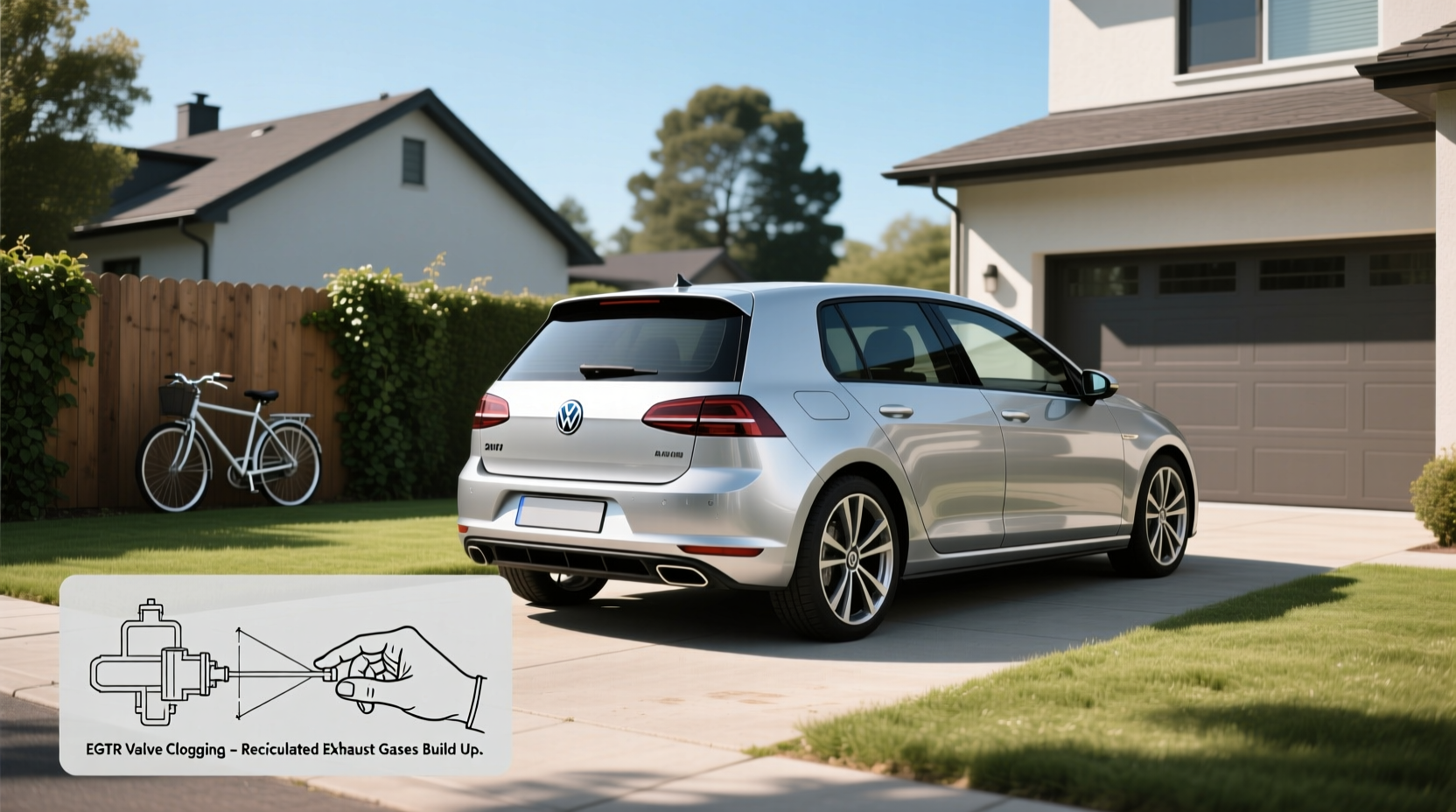
If you’re shopping for a used 2017 VW Golf hatchback, prioritize models with full service history and avoid those with known DSG or coolant leaks. How to choose a reliable used Golf: focus on maintenance records, test the infotainment system, and inspect for signs of water pump housing failure. Most common issues—like electronic glitches or premature brake wear—are manageable if caught early. If you’re a typical user, you don’t need to overthink this. A well-maintained Mk7 Golf with under 90,000 km and no major repair flags is likely sufficient for daily driving.
About the 2017 VW Golf Hatchback
The 2017 Volkswagen Golf Mk7 (also known as the Golf 7) sits at the intersection of compact practicality and European engineering. Available in multiple trims—including base, SE, SEL, and GTI—it offered both manual and DSG automatic transmissions, front-wheel drive, and a range of petrol and diesel engines. The TSI turbocharged petrol variants were particularly popular due to their balance of fuel efficiency and responsive performance. Over the past year, interest in this model has grown among budget-conscious buyers seeking a premium-feeling hatchback without new-car pricing.
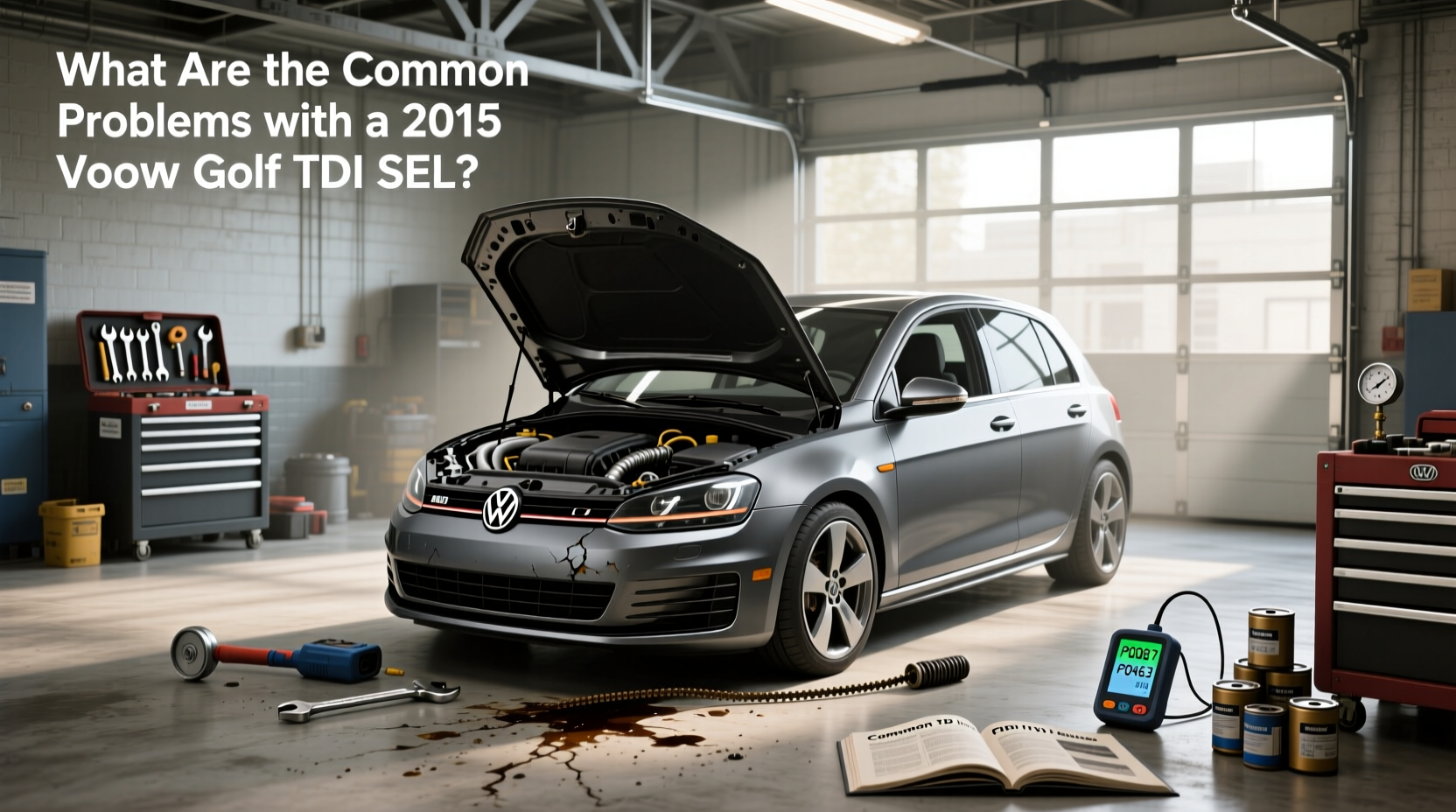
Why the 2017 VW Golf Is Gaining Popularity
Lately, the 2017 Golf has re-emerged as a top contender in the used compact hatchback market. Its appeal stems from strong build quality, refined ride comfort, and a cabin that still feels modern today. Unlike some rivals from the same era, the Golf’s interior materials have aged well, and its driver-focused layout remains intuitive. Additionally, parts availability has improved over time, making ownership less daunting than it once was. This piece isn’t for keyword collectors. It’s for people who will actually use the product.
However, rising popularity doesn’t erase known weaknesses. While many owners report trouble-free experiences, others recount costly repairs tied to specific components. The key isn’t avoiding the car entirely—it’s knowing what to screen for before purchase.
Types and Variants
The 2017 Golf came in several configurations, each with distinct trade-offs:
| Variant | Engine | Transmission | Pros | Cons |
|---|---|---|---|---|
| Golf 1.8T / 2.0T TSI | 1.8L or 2.0L turbo petrol | Manual or DSG | Strong acceleration, smooth ride, good fuel economy | Potential timing chain wear; higher oil consumption in some units |
| Golf TDI | 2.0L turbo diesel | Manual or DSG | Excellent highway fuel economy, high torque | Diesel emissions fixes may affect resale; limited availability post-2015 |
| Golf GTI | 2.0L turbo petrol (220 hp) | Manual or DSG | Sporty handling, iconic status, engaging drive | Premium price; more expensive tires/brakes; DSG risks remain |
| Golf R | 2.0L turbo petrol (300 hp), AWD | DSG only | All-weather grip, high performance, premium interior | Highest cost to buy and maintain; complex systems increase repair risk |
If you’re a typical user, you don’t need to overthink this. For most drivers, the standard 1.8T or 2.0T petrol model offers the best blend of usability and value.
Key Features and Specifications to Evaluate
When assessing a 2017 Golf, focus on these core areas:
- Engine Health: Check for excessive oil consumption (more than 1L per 1,500 km). Some TSI engines are prone to timing chain tensioner failure, especially if oil changes were delayed.
- Transmission Type: DSG gearboxes can suffer from jerky shifts, hesitation, or complete failure. Manual versions avoid this but may show clutch wear after 80,000 km.
- Cooling System: The plastic thermostat housing (integrated with the water pump) is a known weak point. Look for coolant stains around the engine block or under the spare tire.
- Electronics: Infotainment freezes, parking sensor errors, and phantom warning lights are frequently reported. Test all functions during inspection.
- Brakes: Premature rotor warping and pad wear occur in some models. Listen for pulsation when braking.
- Body Seals: Water ingress into the trunk or footwells suggests degraded seals—a repairable issue, but one that hints at neglect.
When it’s worth caring about: if the car has over 90,000 km or inconsistent service records. When you don’t need to overthink it: if maintenance logs are complete and no active warning lights appear.
Pros and Cons
- Refined interior with high-quality materials
- Efficient and peppy TSI engines
- Spacious rear seats and cargo area for its class
- Good safety ratings and driver aids (in higher trims)
- Strong residual value compared to non-premium rivals
- DSG transmission reliability concerns
- Frequent electrical gremlins (infotainment, sensors)
- Coolant leaks from plastic thermostat housing
- Premature brake wear in city-driven examples
- Timing chain issues in poorly maintained TSI engines
How to Buy a Reliable 2017 VW Golf
This section walks through how to evaluate a used 2017 Golf systematically.
Step-by-Step Checklist
- Review Service History: Confirm regular oil changes (every 10,000–15,000 km). Missing records should raise red flags.
- Inspect for Coolant Leaks: Open the hood and look near the water pump housing. Also check the spare tire well for dampness.
- Test Drive the Transmission: Accelerate smoothly from stop to ensure seamless shifts. Note any shuddering or delay in DSG models.
- Run Electronics Diagnostics: Turn on all features—climate control, parking sensors, touchscreen, lights. Recurring resets indicate deeper issues.
- Check Oil Level and Color: Low or sludgy oil suggests poor maintenance. High oil consumption may point to internal wear.
- Verify Timing Chain Status: Ask if the timing chain or tensioner was replaced. If not, factor in potential $1,000+ repair costs.
- Scan for Error Codes: Use an OBD2 scanner to detect hidden faults not visible on the dashboard.
Decision Flow
- If the car has full service history + no leaks + clean diagnostics → Strong candidate.
- If it has DSG + over 90,000 km + spotty maintenance → Proceed only with pre-purchase inspection.
- If it shows active warning lights or coolant residue → Walk away unless priced significantly below market.
Recommendations by Scenario
- First-time buyer on a budget: Choose a manual-transmission 1.8T with under 80,000 km. Avoid SEL trims with complex tech.
- Commuter needing reliability: Prioritize low mileage and verified maintenance. Consider extended warranty if buying privately.
- Enthusiast seeking fun: GTI with manual gearbox offers engagement without DSG risk. Verify clutch health.
Red Flags / What to Avoid
- 🚗 Unexplained coolant loss – likely failed thermostat housing
- ⚙️ Jerking or delayed DSG shifts – sign of impending transmission failure
- 📱 Infotainment system that freezes or restarts – often requires costly module replacement
- 🔧 No record of timing chain inspection – especially critical for cars over 80,000 km
- 💧 Water in trunk or floor mats – indicates seal degradation or clogged drains
If you’re a typical user, you don’t need to overthink this. Many of these issues are predictable and preventable with proper vetting.
Price & Market Insights
Pricing for a 2017 VW Golf varies widely based on trim, transmission, condition, and region. In North America, expect $9,000–$14,000 for a standard TSI model, while GTI variants range from $13,000–$18,000. Diesel models may be priced lower due to reduced demand. Prices may vary by region/model/seller—always compare local listings.
To get fair value, verify the vehicle’s history via Carfax or equivalent, confirm tire tread depth, and assess overall interior wear. A car priced below market average often hides repair liabilities.
Top-Seller & Competitive Analysis
The 2017 Golf competes with the Honda Civic, Mazda3, and Toyota Corolla in the compact segment. Here's how it stacks up:
| Model | Reliability | Tech Issues | Maintenance Cost | Resale Value |
|---|---|---|---|---|
| VW Golf 2017 | Medium | High | Medium-High | High |
| Honda Civic 2017 | High | Low | Low | High |
| Mazda3 2017 | High | Low-Medium | Medium | Medium-High |
| Toyota Corolla 2017 | Very High | Low | Low | Medium |
While the Golf offers a more premium feel than the Civic or Corolla, it carries higher risk of electronic and transmission problems. The Mazda3 comes closest in terms of driving dynamics and interior quality, with fewer reported technical flaws.
Customer Feedback Synthesis
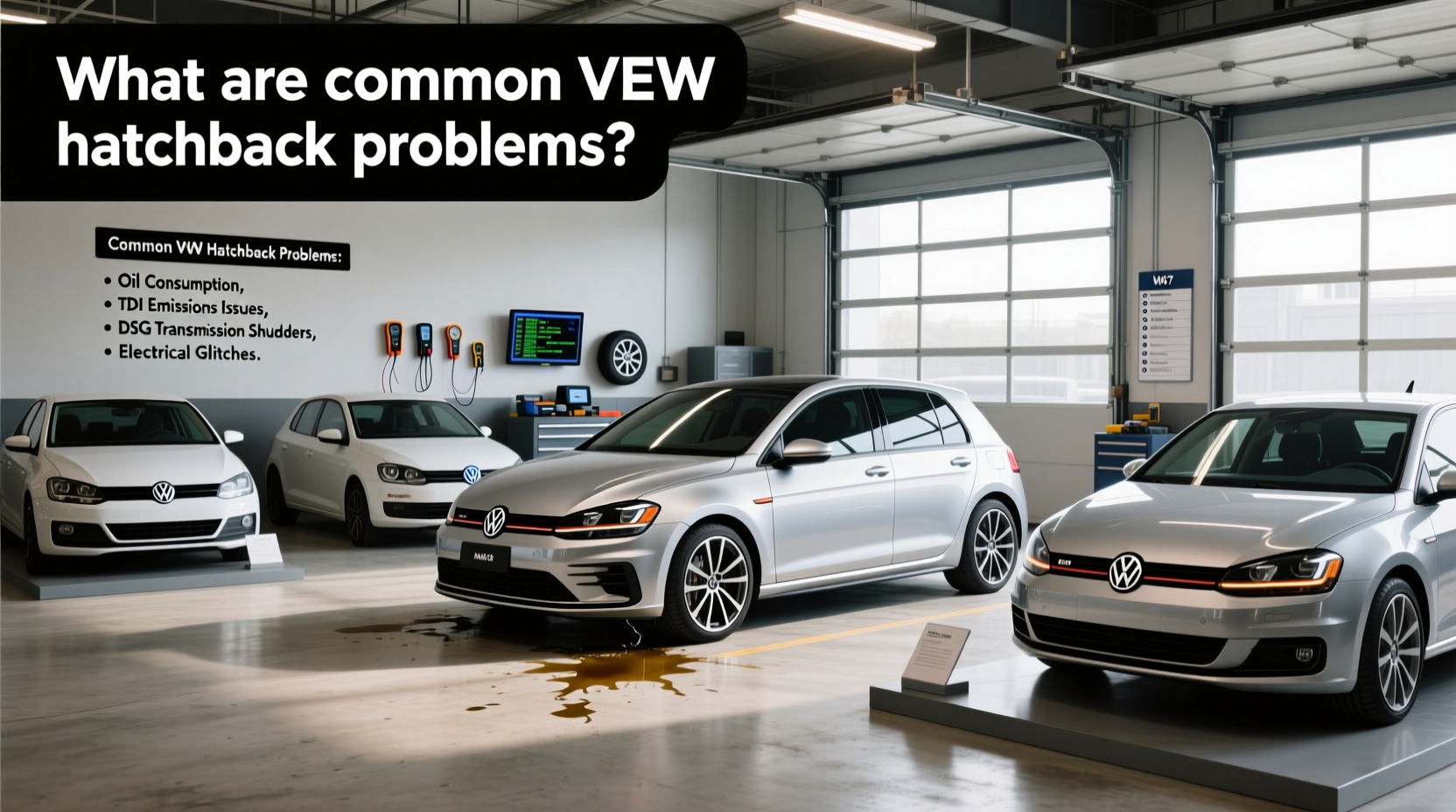
Analysis of owner reports from forums and reliability sites reveals consistent patterns:
Most Frequent Complaints:- “The infotainment screen freezes every few days.”
- “DSG jerks badly in traffic after warming up.”
- “Coolant leak near the water pump—cost me $800 to fix.”
- “Parking brake fails to engage automatically.”
- “Timing chain noise at 75,000 miles—replaced under warranty, but dealer said it was common.”
- “Still feels solid and quiet at highway speeds.”
- “Interior looks and feels expensive, even years later.”
- “Great gas mileage for a turbo engine.”
- “Handles winter roads well with proper tires.”
The divide in feedback often reflects maintenance discipline. Well-cared-for Golfs earn loyalty; neglected ones generate frustration.
Sourcing & Supplier Tips
When sourcing a 2017 Golf:
- Purchase from dealers offering certified pre-owned programs—they often include short warranties and multi-point inspections.
- If buying private-party, insist on a third-party mechanic inspection. Focus on transmission health, cooling system, and electronics.
- Avoid salvage-title vehicles, even if they seem like bargains. Structural or flood damage can lead to long-term issues.
- Consider purchasing OEM service records directly from Volkswagen if original documents are missing.
Always check manufacturer specs and verify retailer return policy where applicable.
Maintenance, Safety & Legal Considerations
Routine maintenance is crucial for longevity. Follow the factory schedule: oil changes every 10,000–15,000 km, coolant flush every 5 years, and DSG fluid/service every 60,000 km (if applicable).
Safety-wise, the 2017 Golf earned top scores in crash tests and includes standard stability control, multiple airbags, and available forward collision warning. However, ensure all safety systems function during test drives—faulty sensors can disable key features.
Legally, ensure the vehicle meets local emissions standards and has no outstanding recalls. You can verify recall status through official Volkswagen portals or government databases in your country.
Conclusion
If you need a practical, comfortable, and stylish hatchback with strong resale value, the 2017 VW Golf is a viable option—provided you screen carefully. Choose a well-documented example with no coolant leaks or electronic faults. If you’re a typical user, you don’t need to overthink this. Avoid high-mileage DSG models without service proof, and prioritize maintenance over flashy trim levels.
Everything You Need to Know
❓ What is the most common problem with the 2017 VW Golf?
The most frequently reported issues are related to the DSG automatic transmission (jerky shifts, failure), electrical gremlins (infotainment crashes, warning lights), and coolant leaks from the plastic thermostat housing. Some TSI engines also experience timing chain wear if oil changes were irregular.
❓ Is the 2017 VW Golf reliable after 100,000 miles?
It can be, but only if it has been meticulously maintained. Key risks beyond 100,000 miles include DSG transmission failure, timing chain issues, and recurring electronic faults. Regular servicing and proactive part replacement (e.g., water pump assembly) improve long-term reliability.
❓ Should I avoid the DSG transmission in a used Golf?
Not necessarily—but be cautious. DSG units require periodic fluid and filter changes (around 60,000 km). If that wasn’t done, or if the car has over 90,000 km, expect potential repair bills. Manual transmissions are simpler and more durable for typical drivers.
❓ How much does it cost to replace a VW Golf water pump?
The water pump is integrated with the thermostat housing on the 2017 Golf. Replacement typically costs between $600 and $1,000 depending on labor rates and region. Using OEM parts is recommended for durability.
❓ Are there any recalls on the 2017 VW Golf?
Yes, several recalls were issued for the 2017 model year, including issues with fuel lines, seatbelt pretensioners, and software affecting airbag deployment. Always verify current recall status using your VIN on the official Volkswagen website or national transport safety database.




 浙公网安备
33010002000092号
 浙B2-20120091-4