
If you’re looking at a white 2017 Honda Civic hatchback, here’s what matters: check the air conditioning performance, inspect paint condition around wheel wells, and verify if the vehicle has soy-based wiring vulnerable to rodents. How to choose a reliable used 2017 Civic hatchback? Focus on maintenance history, test the CVT under acceleration, and scan for infotainment glitches. Most owners report solid daily driving, but unresolved A/C or paint issues can become costly. If you’re a typical user, you don’t need to overthink this—just avoid cars with unaddressed warranty-covered problems.
Over the past year, interest in compact sporty hatchbacks has risen due to urban fuel efficiency demands and rising used car prices. The 2017 Civic hatchback stands out for its responsive handling and cargo versatility, but recent owner reports highlight recurring issues that weren’t widely known at launch—especially paint durability and electrical quirks. These aren’t deal-breakers, but they shift how you should evaluate one today.
About the 2017 Honda Civic Hatchback
The 2017 Honda Civic hatchback marked a return to form for the nameplate, combining sharp styling with practicality and efficient powertrains. Offered in LX, Sport, EX-T, and Touring trims, it featured either a 158-horsepower 2.0L four-cylinder or a turbocharged 1.5L engine producing 174 hp. Front-wheel drive and a continuously variable transmission (CVT) were standard. Known for its upright driving position and refined cabin, the hatchback version added versatility over the sedan with a larger rear opening and fold-flat rear seats.
It competed with the Volkswagen Golf, Mazda3, and Subaru Impreza hatchbacks, aiming at buyers who wanted more style and space without stepping into SUV territory. The design was modern, even futuristic for Honda at the time, with narrow headlights and a wide lower grille. Inside, fit and finish improved significantly from prior models, though some early tech features showed their age quickly.
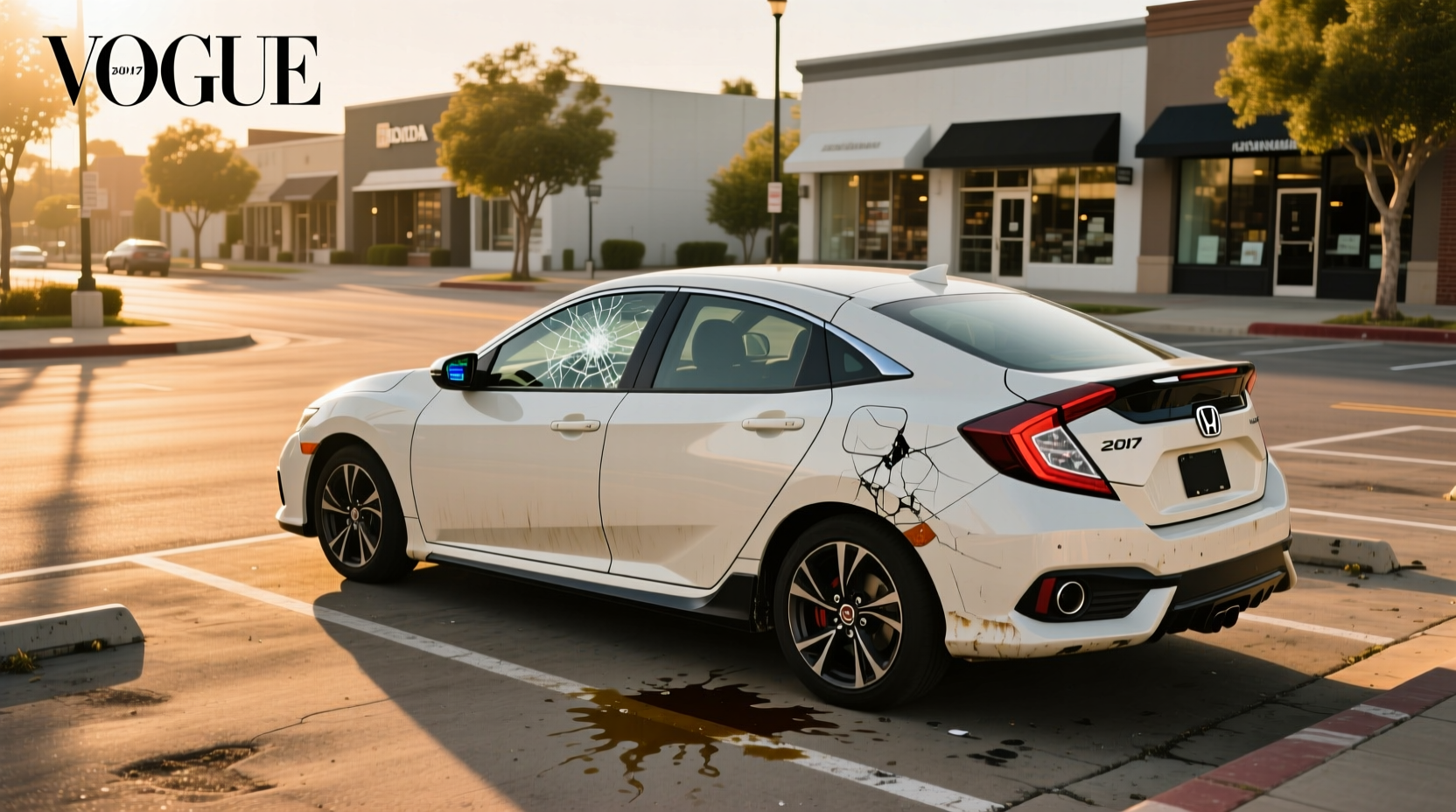
Why the 2017 Civic Hatchback Is Gaining Popularity
Lately, the 2017 model has gained attention in the used market due to its balance of fun-to-drive dynamics and everyday usability. With fuel prices remaining volatile and city parking constraints increasing, compact hatchbacks are seeing renewed interest. The Civic’s reputation for longevity adds to its appeal—many examples have surpassed 150,000 miles with proper care.
However, popularity doesn’t mean perfection. Recently surfaced owner complaints about long-term material degradation—especially paint and interior plastics—have made buyers more cautious. This isn’t a reliability collapse, but a refinement issue: parts wear faster than expected under certain conditions. That said, if you’re a typical user, you don’t need to overthink this as long as you inspect carefully.
Types and Variants
The 2017 Civic hatchback came in four main trims, each with distinct features and potential trade-offs:
| Trim | Engine | Key Features | Pros | Cons |
|---|---|---|---|---|
| LX | 2.0L NA | Basic infotainment, cloth seats, manual climate | Reliable, low-cost to maintain | Underpowered, fewer safety features |
| Sport | 1.5T | Leather-wrapped steering, rear spoiler, LED lights | Better acceleration, sportier look | Turbo requires more attentive oil changes |
| EX-T | 1.5T | Touchscreen, backup camera, automatic climate | Good tech balance for price | Some infotainment lag reported |
| Touring | 1.5T | Navigation, premium audio, adaptive cruise | Most complete feature set | Higher repair costs, complex electronics |
The 1.5T engine brings noticeable performance gains but introduces two concerns: oil dilution during short trips and higher sensitivity to maintenance timing. The non-turbo 2.0L is slower but simpler and less prone to long-term complications. If you’re a typical user doing mixed driving, the EX-T offers the best balance.
Key Features and Specifications to Evaluate
When assessing a used 2017 Civic hatchback, prioritize these systems:
- Powertrain: Test drive with aggressive acceleration to check for CVT hesitation or shuddering.
- Air Conditioning: Ensure cold output within 2 minutes of startup; warm air suggests condenser failure.
- Paint Condition: Inspect hood, roof edges, and rear hatch for chalking, fading, or bubbling—early signs of peeling.
- Electrical Systems: Verify all warning lights reset, infotainment responds instantly, and no battery drain occurs overnight.
- Wiring Inspection: Open the hood and look near the air filter box for chew marks—soy-coated wires attract rodents.
This piece isn’t for keyword collectors. It’s for people who will actually use the product.
Pros and Cons
| Aspect | Pros | Cons |
|---|---|---|
| Fuel Efficiency | Up to 36 mpg highway (turbo) | Drops significantly with aggressive driving |
| Driving Dynamics | Sharp steering, composed ride | Hood buffeting at highway speeds on some units |
| Cargo Space | 25 cu ft (seats up), 46 cu ft (folded) | Lower liftover height than rivals |
| Reliability | Strong overall mechanical record | Recurring A/C and paint issues |
| Resale Value | Holds value well in good condition | Drops sharply if paint or A/C problems present |
While the Civic scores high on drivability and efficiency, cosmetic and minor electrical flaws dominate owner frustration. These rarely affect safety or function, but they influence ownership satisfaction.
How to Buy a 2017 Civic Hatchback
Follow this checklist to avoid costly oversights:
Step-by-Step Checklist
- Obtain a vehicle history report to confirm no major accidents or flood exposure 1.
- Inspect exterior paint under sunlight—look for hazing or flaking, especially on horizontal surfaces.
- Start the engine and monitor A/C temperature drop using a thermometer at the vent.
- Test all infotainment functions, including Bluetooth pairing and touchscreen responsiveness.
- Lift the hood and examine wiring bundles near the battery for gnaw marks or repairs.
- Take a test drive that includes highway speeds to check for CVT smoothness and wind noise.
- Scan for stored codes using an OBD2 reader—even if no lights are on.
Decision Flow
- If the car has documented A/C repairs or paint correction: ✅ Acceptable if receipts are provided.
- If the A/C blows warm or paint is peeling: ❌ Walk away unless priced accordingly.
- If rodent damage is evident: ⚠️ Only consider if repaired with non-soy replacement harness.
- If infotainment lags or resets: ⚠️ May require software update or module replacement.
Recommendations by Scenario
- First-time buyer: Choose a well-maintained LX or Sport trim—lower risk, easier fixes.
- Commuter needing efficiency: Go for EX-T with 1.5T—better mileage and features.
- Long-term keeper: Touring trim only if paint is flawless and service records complete.
Red Flags / What to Avoid
- Unexplained coolant loss—could indicate head gasket issues.
- Intermittent airbag warning light—linked to occupant sensor faults.
- Car has been repainted without documentation—may hide corrosion.
- No proof of timing belt or water pump replacement (if applicable).
- Owner admits to short-trip-only usage—risk of oil dilution in turbo models.
If you’re a typical user, you don’t need to overthink this. Prioritize condition over trim level.
Price & Market Insights
As of late, private-party prices for a 2017 Civic hatchback range from $8,500 to $14,000 depending on trim, mileage, and condition. Dealer listings may add $1,500–$3,000. Well-documented Touring models with low miles can exceed $15,000, but those with known paint or A/C issues sell for 10–20% less.
Pricing may vary by region/model/seller. Always compare against local listings and verify title status. In areas with harsh winters, rust under paint flaws is a hidden risk. In dry climates, rodent activity increases. To get accurate pricing, check recent sales on platforms like Autotrader or Cars.com, and confirm values with Kelley Blue Book or Edmunds.
Top-Seller & Competitive Analysis
The 2017 Civic hatchback competes directly with several peers. Here's how it stacks up:
| Model | Fuel Economy (combined) | Common Issues | Owner Satisfaction |
|---|---|---|---|
| 2017 Honda Civic Hatchback | 32 mpg | A/C failure, paint peeling, rodent wiring | High (mechanical), Medium (cosmetic) |
| 2017 Mazda3 Hatchback | 30 mpg | Infotainment lag, sunroof rattle | High |
| 2017 Volkswagen Golf | 30 mpg | DSG transmission issues, electronic glitches | Medium |
| 2017 Subaru Impreza Hatchback | 31 mpg | CVT whine, foggy headlights | High |
The Civic leads in horsepower and cargo flexibility but trails Mazda in interior quality perception. Unlike the Golf, it avoids dual-clutch complexity, and compared to the Impreza, it offers better fuel economy. However, paint longevity remains a weak point unique to the Civic in this group.

Customer Feedback Synthesis
Analysis of owner forums, reviews, and reliability databases reveals consistent patterns:
High-Frequency Complaints
- A/C Failure: Condenser or compressor failure reported across multiple sources 2. Honda extended coverage to 10 years/150,000 miles for affected vehicles.
- Paint Peeling: Owners report chalking and flaking within 5 years, sometimes leading to rust underneath 3.
- Rodent Damage: Soy-based wire insulation attracts mice; repairs can cost $500+ if harnesses are chewed.
- Infotainment Lag: Touch response delays and spontaneous reboots, especially in earlier software versions.
Common Praises
- Smooth and efficient 1.5T engine when properly maintained.
- Spacious, airy cabin with excellent visibility.
- Confident handling and responsive braking.
- Strong resale value if issues are addressed proactively.
If you’re a typical user, you don’t need to overthink this. Most problems are detectable during inspection.
Sourcing & Supplier Tips
When sourcing a used 2017 Civic hatchback:
- Buy from sellers who provide full service records—especially oil change intervals.
- Prefer vehicles serviced at Honda dealerships for warranty-related items (A/C, software updates).
- Avoid salvage-title cars—these often have unrepaired structural or electrical damage.
- Use a certified pre-owned (CPO) program if available, as it may include remaining factory warranties.
- Always conduct a pre-purchase inspection by an independent mechanic.
This piece isn’t for keyword collectors. It’s for people who will actually use the product.
Maintenance, Safety & Legal Considerations
The 2017 Civic hatchback had five recalls, including issues with side airbags and brake master cylinder seals. Before purchase, verify all recalls have been completed using the NHTSA VIN lookup tool. Maintenance should follow the factory schedule, with extra attention to oil changes every 5,000 miles for turbo models to prevent oil dilution.
Safety-wise, the model earned top marks from IIHS and NHTSA, but later owner complaints about occupant detection sensors triggering false airbag warnings persist. These do not affect crash protection but may fail emissions inspections in states that include warning light checks.
To verify compliance: check manufacturer specs, confirm recall completion via NHTSA.gov, and review local inspection requirements.
Conclusion
If you need a practical, efficient hatchback with strong mechanical reliability, the 2017 Honda Civic is a solid choice—provided you inspect for A/C health, paint integrity, and wiring condition. If you’re a typical user, you don’t need to overthink this. Avoid cars with unaddressed cosmetic or electrical flaws, and prioritize vehicles with service history. For most drivers, the EX-T trim delivers the best mix of features and value without unnecessary complexity.
Everything You Need to Know
The most frequently reported issues include air conditioning compressor or condenser failure (covered under an extended 10-year warranty), paint peeling or chalking (especially on hoods and roofs), rodent damage to soy-coated wiring, occasional CVT hesitation, and infotainment system lag. Oil dilution can occur in turbo models driven mostly on short trips.
Yes, mechanically it is considered reliable, with many examples exceeding 150,000 miles. However, non-critical but annoying issues like paint degradation and electrical gremlins affect ownership satisfaction. Regular maintenance and addressing known flaws early improve long-term dependability.
Honda issued an extended warranty covering A/C condenser and compressor failures for up to 10 years or 150,000 miles, whichever comes first, on specific 2016–2018 models. Check with a dealer using the VIN to confirm eligibility—coverage may still apply even if previous owners didn’t file a claim.
Open the hood and inspect wiring near the air filter housing and battery. Look for exposed copper, bite marks, or taped repairs. A musty smell inside the cabin or recurring fuse blowouts may also indicate past rodent activity. Some owners replace soy-based harnesses with aftermarket pest-resistant versions.
Color doesn’t cause paint failure, but white may show chalking and haze more visibly than darker shades. The issue affects all colors. Inspect any used Civic thoroughly regardless of color—focus on edge wear and surface texture rather than hue.




 浙公网安备
33010002000092号
 浙B2-20120091-4