
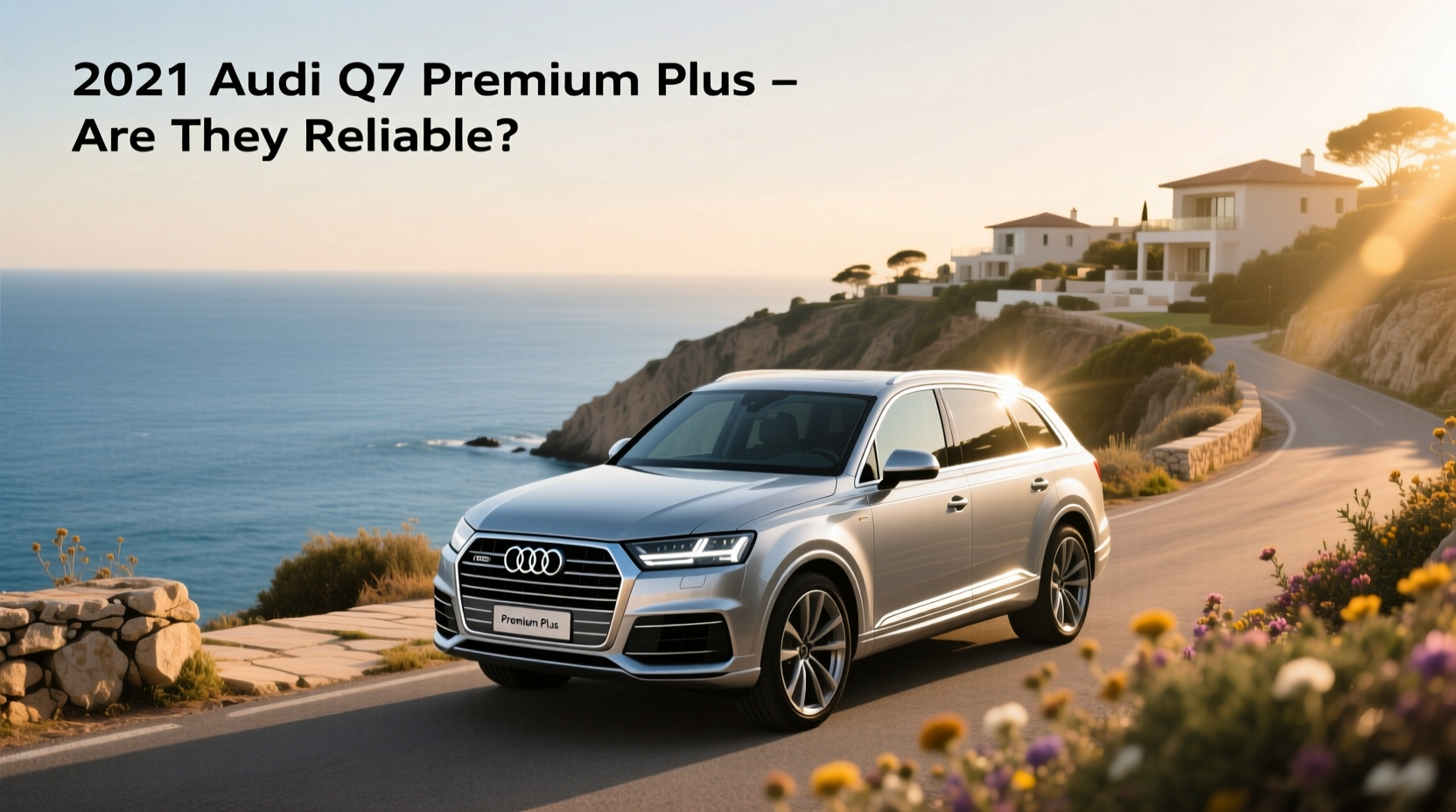
If you're trying to decide what to look for in a reliable Audi Q7, skip the endless forums and focus here: the 2022 Q7 Premium Plus is a strong modern choice with updated safety tech, refined ride quality, and fewer major engine flaws than pre-2020 models. However, it inherits the generation’s tendency for infotainment glitches—screens freezing, Bluetooth dropouts, occasional reboots. If you’re a typical user, you don’t need to overthink this. For most buyers seeking a balance of new features and proven mechanics, the 2022 model delivers. But if you prioritize absolute long-term simplicity, consider a pre-facelift 2019 model with tactile controls and mature powertrains. Over the past year, interest in post-2020 Q7s has grown as early software bugs are patched via updates, making newer models more stable than at launch.
About the Audi Q7
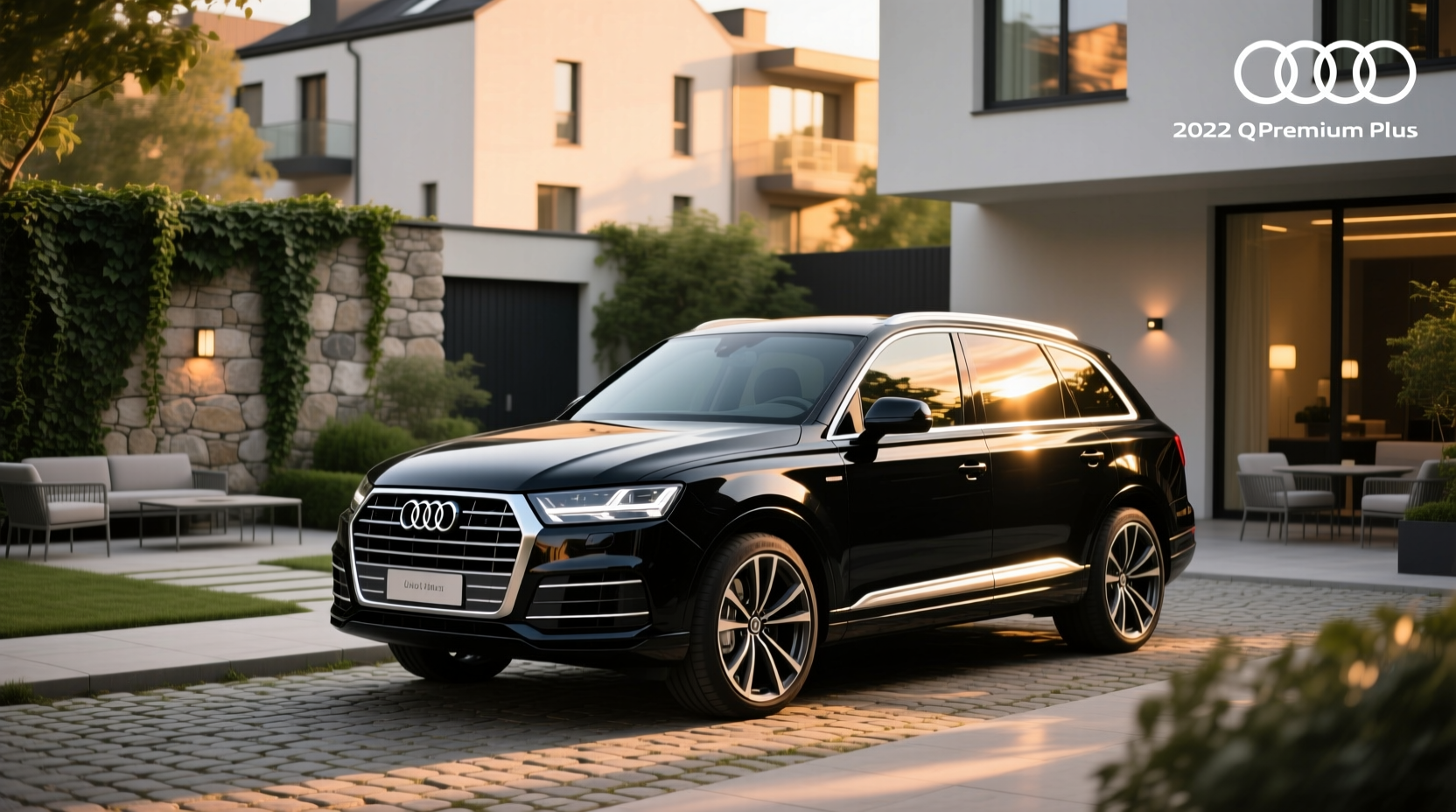
The Audi Q7 has long been a fixture in the three-row luxury SUV segment, offering European refinement, spacious interiors, and confident driving dynamics. Now in its second generation—with a significant facelift introduced for 2020—the Q7 blends premium materials with advanced driver aids. The 2022 Q7 Premium Plus sits in the middle of the trim range, above the base Premium but below the top-tier Prestige. It includes key upgrades like adaptive dampers, a panoramic sunroof, and enhanced MMI infotainment with Apple CarPlay and Android Auto support. While not the most powerful or feature-laden variant, it hits a sweet spot for buyers who want substantial luxury without maxing out the options list.
Why the Q7 Is Gaining Popularity
Lately, used and certified pre-owned Q7s have seen rising demand, especially among families and urban professionals seeking a quiet, capable SUV with brand prestige. Recent improvements in connectivity and driver assistance systems—like standard forward collision warning and available adaptive cruise control—make newer models more appealing than earlier versions. Additionally, Audi’s shift toward slightly more durable engine configurations after 2020 has eased concerns about long-term ownership. This isn’t just marketing noise; real-world repair data suggests fewer major mechanical failures in 2022 models compared to those from 2016–2018. If you’re a typical user, you don’t need to overthink this. The combination of improved build consistency and better-resolved software makes the current generation more trustworthy than before.
Types and Variants
The 2022 Audi Q7 comes in three main trims, each adding incremental upgrades:
Premium (Base Trim)
- Pros: Lower entry price, includes essential tech like CarPlay and basic safety suite ⚙️
- Cons: Missing key comforts like heated seats, adaptive suspension, or upgraded audio ✨
Premium Plus (Mid-Tier)
- Pros: Adds desirable features—adaptive dampers, tri-zone climate, virtual cockpit+, HD matrix lights 🔧
- Cons: Still lacks massaging seats or rear entertainment found in higher trims 🏭
Prestige (Top Tier)
- Pros: Includes rear-wheel steering, Bang & Olufsen audio, night vision assistant (rare), and soft-close doors 🌐
- Cons: Significantly higher cost; many features see limited real-world use ⚠️
If you’re a typical user, you don’t need to overthink this. The Premium Plus trim offers the best value—most drivers won’t miss Prestige-only extras, and the added comfort and handling upgrades justify the price jump from base.
Key Features and Specifications to Evaluate
When comparing Q7 model years, focus on four core areas:
Engine and Drivetrain
The 2022 Q7 uses a turbocharged 3.0L V6 (55 TFSI) producing 335 hp, paired with an 8-speed automatic and Quattro AWD. This engine replaced the older supercharged V6 and problematic diesel variants. It has shown fewer coolant system failures and timing chain issues that plagued earlier models. When it’s worth caring about: If you plan high-mileage driving or live in extreme climates. When you don’t need to overthink it: For average suburban use, this powertrain is robust and well-supported.
Infotainment and Electronics
The dual-screen MMI system (introduced in 2020) brings a sleek interface but introduces potential software hiccups. Some 2020–2021 units reported screen freezes or failed updates. The 2022 model benefits from firmware refinements. When it’s worth caring about: If you rely heavily on Bluetooth calling or navigation. When you don’t need to overthink it: Occasional reboots are usually resolved through dealer updates; physical climate buttons return in 2022, reducing dependency on touchscreens.
Safety and Driver Assistance
Standard equipment includes forward collision warning, automated emergency braking, and blind-spot monitoring. Available options include lane centering, traffic jam assist, and surround-view cameras. When it’s worth caring about: For frequent highway driving or transporting children. When you don’t need to overthink it: These systems are consistent across trims and generally reliable once calibrated.
Cabin Materials and Seating
Leather upholstery, tri-zone climate control, and ample legroom define the interior. Second-row captain’s chairs are optional. Build quality remains high, though some owners report premature wear on armrest padding. When it’s worth caring about: For families with young kids or pet owners. When you don’t need to overthink it: Material durability is on par with rivals like BMW X5 or Mercedes GLE.
Pros and Cons
| Aspect | Pros | Cons |
|---|---|---|
| Ride Comfort | Smooth air suspension option, quiet cabin | Base steel springs can feel stiff on rough roads |
| Technology | High-resolution displays, intuitive layout (post-2022) | Software bugs possible; requires periodic updates |
| Reliability | Fewer engine issues than pre-2020 models | Electronics account for most service visits |
| Resale Value | Holds value better than average for German SUVs | Drops sharply after 60k miles or major repairs |
| Maintenance Costs | Extended warranty plans widely available | Out-of-warranty repairs can be expensive |
How to Choose the Right Audi Q7 Model Year
This piece isn’t for keyword collectors. It’s for people who will actually use the product.
Step-by-Step Checklist
- Define your priority: Is it long-term reliability, latest tech, or lowest upfront cost?
- Narrow the generation: Pre-2020 (simpler electronics) vs. Post-2020 (better engines, updated styling).
- Select trim level: Premium Plus covers most needs without overspending.
- Inspect service history: Look for consistent maintenance and software update records.
- Test infotainment: Verify screen responsiveness, Bluetooth pairing, and navigation accuracy.
- Check for recalls: Visit NHTSA.gov and enter VIN.
Decision Flow
- If you want fewest mechanical surprises → Consider a 2019 Q7 (final pre-facelift year, mature platform).
- If you want modern tech with fewer bugs → Choose a 2022 Q7 Premium Plus (refined software, retained physical controls).
- If you’re sensitive to repair costs → Prioritize certified pre-owned (CPO) with factory warranty extension.
Recommendations by Scenario
- Families needing space and safety: 2022 Q7 Premium Plus with captain’s chairs and CPO coverage ✅
- Buyers avoiding tech complexity: Well-maintained 2015 or 2019 model with analog controls 👥
- Urban drivers wanting presence and comfort: 2022 Prestige trim for night vision and rear steering (if budget allows) ✨
Red Flags / What to Avoid
- ⚠️ No service records: High risk of hidden wear or deferred repairs.
- ⚠️ Frequent battery replacements: May indicate parasitic drain from faulty modules.
- ⚠️ Unresponsive touchscreen: Could signal failing control unit or outdated firmware.
- ⚠️ Check Engine light related to misfires: Investigate coil packs and fuel injectors thoroughly.
- ⚠️ Dealers refusing test drives: Never buy without verifying drivability and system function.
Price & Market Insights
As of 2025, a used 2022 Audi Q7 Premium Plus typically ranges from $38,000 to $52,000 in the U.S., depending on mileage, condition, and location. CPO models command a $5,000–$8,000 premium but include warranty coverage up to 6 years/75,000 miles. Prices may vary by region/model/seller, especially in markets with limited Audi service centers. To verify fair pricing, compare listings on Edmunds 1 and CARFAX, and always request a vehicle history report. If you’re a typical user, you don’t need to overthink this. A clean-title, low-mileage 2022 Q7 with documented maintenance is a reasonable investment within this band.
Top-Seller & Competitive Analysis
The 2022 Q7 competes directly with the BMW X5 xDrive40i and Mercedes-Benz GLE 350. While all three share similar dimensions and power outputs, their ownership profiles differ.
| Model | Strengths | Weaknesses | Ownership Cost (5-year avg) |
|---|---|---|---|
| 2022 Audi Q7 55 TFSI | Refined ride, intuitive tech layout, strong resale | Infotainment glitches, higher repair costs post-warranty | $58,000 |
| 2022 BMW X5 xDrive40i | Engaging handling, responsive engine, excellent iDrive | Early G05 models had transmission software issues | $60,000 |
| 2022 Mercedes GLE 350 | Luxurious interior, smooth ride, strong brand appeal | Complex air suspension prone to leaks; costly fixes | $62,000 |
Data sourced from aggregated owner reports and third-party reliability summaries 2. The Q7 stands out for balancing comfort and tech, though none are immune to premium-brand ownership costs.
Customer Feedback Synthesis
Analysis of owner forums, video reviews, and expert evaluations reveals consistent patterns:
Most Frequent Praise
- “The ride is whisper-quiet—even on highways.”
- “Virtual Cockpit makes navigation effortless.”
- “Quattro gives confidence in rain and snow.”
- “Spacious third row fits adults better than most rivals.”
Most Common Complaints
- “Screen froze during a road trip—had to restart manually.”
- “Bluetooth disconnects every few days.”
- “Dealer charged $180 just to reset a warning light.”
- “Sunroof drain tubes clogged after two years, caused interior leaks.”
If you’re a typical user, you don’t need to overthink this. Most electronic complaints are manageable with software updates or minor resets. Mechanical issues remain relatively rare in 2022 models.
Sourcing & Supplier Tips
When buying a used or CPO Q7:
- ✅ Prefer dealers with Audi CPO certification: Includes 120-point inspection and limited warranty.
- ✅ Request full service records: Especially for software updates and timing belt replacements.
- ✅ Verify Carfax/AutoCheck report: Check for accidents, title brands, or frequent ownership changes.
- ✅ Use independent pre-purchase inspection: Have a specialist scan for stored fault codes not visible during test drive.
This piece isn’t for keyword collectors. It’s for people who will actually use the product.
Maintenance, Safety & Legal Considerations
Regular maintenance should follow the manufacturer’s schedule, typically every 10,000 miles or annually. Key intervals include:
- 10k mi: Oil change, brake inspection
- 40k mi: Spark plugs, coolant flush, transmission fluid
- 60k mi: Timing belt (if applicable), AC service
While specific regulations vary by jurisdiction, ensure any modified or imported Q7 complies with local emissions and lighting standards. Always check manufacturer specs for towing capacity (up to 7,700 lbs when equipped) and child seat anchor points. Confirm local regulations before installing aftermarket parts.
Conclusion
If you need a modern luxury SUV with strong daily usability and updated safety tech, choose the 2022 Audi Q7 Premium Plus. Its blend of improved engine reliability and practical feature set makes it a compelling pick. If you prioritize minimal electronics and proven longevity over five years, a well-maintained 2019 model may suit you better. If you’re a typical user, you don’t need to overthink this. Focus on service history, perform a thorough test drive, and prioritize vehicles with documented updates and clean titles.
Everything You Need to Know
The 2019 and 2022 models are frequently cited as the most reliable. The 2019 represents the final year of the pre-facelift generation with simpler electronics, while the 2022 benefits from resolved engine issues and updated software. Neither is flawless, but both avoid the worst problems of their respective eras.
For buyers seeking a balance of modern features and dependable performance, yes. The Premium Plus trim adds valuable upgrades over the base model, and depreciation has already softened its initial cost. However, factor in potential maintenance expenses after warranty expires.
The most frequent issues involve the infotainment system—screen freezes, slow response, Bluetooth disconnections. These are often resolved through software updates. Less commonly, sunroof drain clogs and minor electrical gremlins occur. Major mechanical failures are rare in well-maintained examples.
The Q7 emphasizes ride comfort and cabin quietness, while the X5 leans toward sporty handling and the GLE focuses on opulent materials. All three have similar reliability profiles and ownership costs. Choice often comes down to driving preference and dealership experience in your area.
Only if you have a clean vehicle history report, complete service records, and an independent mechanic’s inspection. Without warranty coverage, unexpected repairs—especially electronic control units or air suspension components—can be costly. Certified pre-owned models are strongly recommended for peace of mind.




 浙公网安备
33010002000092号
 浙B2-20120091-4