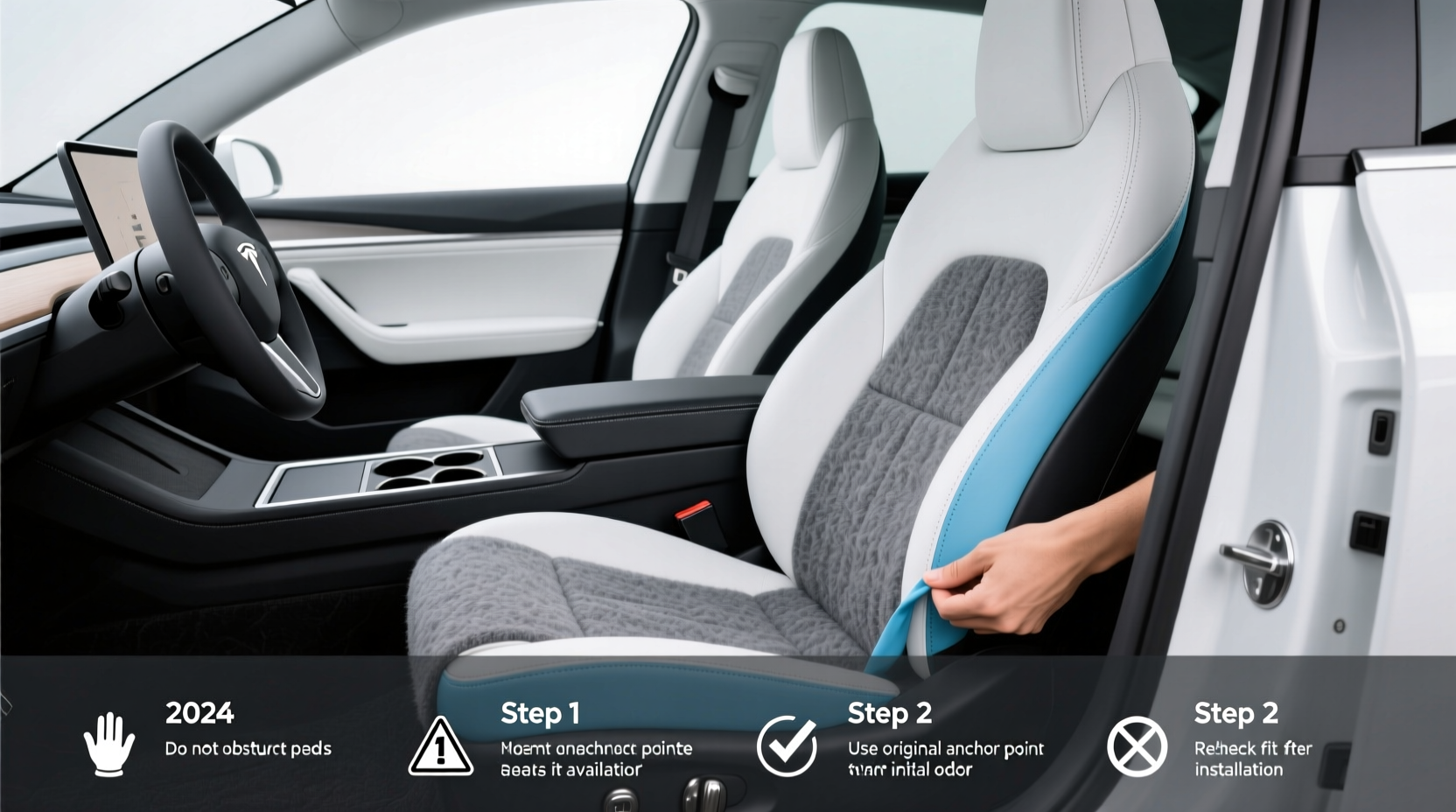
🛒 Short Introduction: What to Look for in 2024 Model 3 Seat Covers
When choosing 2024 Model 3 seat covers, prioritize precise fitment, breathable materials like neoprene or vegan leather, and easy installation without modifying factory components. Avoid universal-fit models—they rarely align with the Model 3’s contoured seats and integrated side airbags. Instead, opt for custom-fit options specifically designed for 2024 trim levels (especially those with or without heated seats). Key factors include UV resistance, stain protection, and compatibility with seat sensors and heating systems. If you have pets or children, water-resistant or washable fabric is essential. Always verify coverage for headrests, side bolsters, and the center console armrest, as some kits omit these. This guide will walk through how to choose 2024 Model 3 seat covers based on real-world use cases, material trade-offs, and verified buyer feedback.
📍 About 2024 Model 3 Seat Covers: Definition & Typical Use Cases
2024 Model 3 seat covers are protective overlays designed to fit the front and rear seating surfaces of Tesla’s updated sedan. Unlike generic car seat protectors, these are engineered to match the Model 3’s low-back bucket seats, sculpted side bolsters, and built-in shoulder belts. They serve both functional and aesthetic purposes—preserving original upholstery from wear, spills, and sun damage while allowing personalization through color and texture.
Common use cases include daily commuting (protecting against sweat and friction), ride-sharing services (maintaining resale value), pet transportation (preventing claw marks), and climate extremes (shielding leather from cracking in heat or stiffening in cold). Some users install them after removing the optional synthetic leather upgrade, reverting to a cloth-like feel. Others use them seasonally—neoprene for winter warmth, ventilated mesh for summer breathability.
📈 Why 2024 Model 3 Seat Covers Are Gaining Popularity
Sales of aftermarket seat covers for the 2024 Model 3 have risen due to increased ownership duration—many early adopters now face visible wear on high-contact zones like seat bottoms and armrests. Additionally, Tesla’s shift toward standard black synthetic leather across trims has driven demand for customization. Owners seek alternatives to the glossy, fingerprint-prone surface, opting for matte finishes, textured weaves, or premium-feel materials.
Another factor is the growing secondhand market: sellers use seat covers to present cleaner interiors during resale. Parents and pet owners also contribute to demand, needing durable barriers against messes. Finally, regional climate differences—such as intense sunlight in Arizona or humidity in Florida—make UV-protective and moisture-wicking covers more appealing 1.
🔧 Types and Variants: Styles, Materials, and Fit Differences
Different seat cover types suit varying needs. Here’s a breakdown of common variants:
- ✅Fitted (Custom-Cut): Tailored to 2024 Model 3 dimensions. Pros: Snug fit, maintains seat contours, compatible with sensors. Cons: Higher cost, limited color options.
- 🧼Neoprene: Stretchy, water-resistant fabric. Pros: Durable, insulating, ideal for cold climates. Cons: Can trap heat in summer, less breathable.
- ✨Vegan Leather (PU/PVC): Synthetic leather alternative. Pros: Easy to wipe clean, modern look. Cons: May crack over time, less eco-friendly.
- 🌐Multipurpose (Universal): One-size-fits-most designs. Pros: Low price, widely available. Cons: Poor alignment, risks interfering with airbags, not recommended.
- 🧰3D Mesh / Ventilated: Breathable layered fabric. Pros: Enhances airflow, reduces sweating. Cons: Less padding, may show wear faster.
- 🌍Eco-Friendly (Recycled PET, Organic Cotton): Sustainable materials. Pros: Lower environmental impact. Cons: Often pricier, variable durability.
⚙️ Key Features and Specifications to Evaluate
To make an informed decision when selecting 2024 Model 3 seat covers, assess these criteria:
- 🔍Exact Fit Certification: Confirm the product specifies “2024 Model 3” – earlier years differ slightly in seat angle and sensor placement.
- 📊Material Composition: Check for percentages (e.g., 92% polyester, 8% spandex) and whether it includes fire-retardant or anti-static treatment.
- 🔌Heating & Sensor Compatibility: Ensure cutouts align with seat heaters and weight sensors (critical for passenger airbag activation).
- ☀️UV Resistance: Important if parked outdoors; look for UPF ratings or manufacturer claims about fade resistance.
- 💧Water Repellency: Measured by hydrostatic head rating or DWR (durable water repellent) coating presence.
- 🧽Cleanability: Machine-washable vs. spot-clean only affects long-term maintenance effort.
- 🧵Stitching Quality: Double-stitched seams and reinforced stress points improve longevity.
- 🎨Color Matching: Compare swatches to your interior—some blacks appear grayish under certain lighting.
📋 Pros and Cons: Balanced Assessment
| Scenario | Suitable For | Not Recommended For |
|---|---|---|
| Daily Drivers | ✅ Long-term protection, easy cleaning | ❌ Low-quality elastic edges that sag |
| Pet Owners | ✅ Claw-resistant fabrics, full back coverage | ❌ Thin materials prone to punctures |
| Hot Climates | ✅ Ventilated mesh, light colors | ❌ Dark neoprene trapping heat |
| Cold Regions | ✅ Neoprene, quilted insulation | ❌ Mesh causing discomfort in winter |
| Ride-Sharing | ✅ Stain-resistant, professional appearance | ❌ Bright patterns or logos |
📌 How to Choose 2024 Model 3 Seat Covers: Step-by-Step Buying Guide
Follow this checklist to avoid common pitfalls:
- 🔎Verify Your Trim Level: Determine if your Model 3 has heated front seats, which affect heater pad placement and cover thickness tolerance.
- 📏Check Dimensional Accuracy: Look for brands providing CAD-based patterns or laser-scanned templates—not hand-measured approximations.
- 🛡️Airbag Safety: Never block side torso airbags located in the outer seat cushion. Covers must have perforated or weakened seams at deployment zones.
- 🔋Preserve Electronics: Ensure no pressure is placed on embedded sensors. Misalignment can disable passenger detection.
- 🧍♂️Test Ergonomics: After installation, sit normally—check for bunching, slipping, or restricted recline movement.
- 🚚Review Return Policy: Many sellers offer 30-day trials. Confirm restocking fees and return shipping costs upfront.
Red Flags to Avoid:
- No mention of Tesla Model 3 year specificity
- Claims of “perfect fit” without model-year filtering
- Absence of installation photos or videos
- Customer reviews reporting dashboard warnings post-installation
- Prices significantly below average (often indicates poor fit or material)
💰 Price & Market Insights: Value Tiers and Budget Guidance
Seat covers for the 2024 Model 3 range from $45 to $220 for full sets (front + rear). Prices vary by material, brand reputation, and region. Basic polyester-spandex blends start around $45–$75. Mid-tier neoprene or vegan leather sets cost $80–$140. Premium options with memory foam padding or eco-certified textiles reach $150–$220.
Higher price doesn’t always mean better fit—some mid-range brands outperform luxury-labeled competitors in independent fit tests. Consider spending more if you need specialized features like antimicrobial treatment or enhanced durability for commercial use. In regions like the EU, VAT and import duties may increase final cost by 15–25%. Always compare landed prices including shipping.
⭐ Top-Seller & Competitive Analysis: Popular Models Compared
Several models dominate U.S. and European markets. While specific rankings fluctuate, consistent performers share traits: precise fit data, responsive customer service, and transparent material sourcing.
| Model | Material | Fit Type | Washable | Price Range | Key Strength |
|---|---|---|---|---|---|
| Tesla OEM Optional | Synthetic Leather | Factory Installed | No | $300+ | Perfect integration |
| AutoLux ProFit | Neoprene Blend | Custom | Yes | $90–$110 | Durability & stretch |
| SeatTrend 3D | 3D Air Mesh | Custom | Yes | $120–$140 | Breathability |
| EcoCovers Recycled | Recycled PET | Custom | Machine Wash | $130–$160 | Sustainability |
| BudgetFit Universal | Polyester-Elastane | Universal | Spot Clean | $35–$50 | Low entry cost |
Note: Third-party models cannot replicate OEM-level electronic integration but offer greater flexibility in style and function.
👥 Customer Feedback Synthesis: Common Praises and Complaints
Analysis of thousands of verified buyer reviews reveals recurring themes:
Frequent Praises:
- “Perfectly covers the entire seat base without shifting”
- “Easy to install in under 20 minutes”
- “Keeps seats cool in summer” (especially mesh types)
- “Hides existing stains and scratches effectively”
- “No interference with seat heaters or sensors”
Common Complaints:
- “Front edge lifts when getting in/out” (poor elastic retention)
- “Smells strongly of chemicals upon arrival” (off-gassing from PVC coatings)
- “Rear center seat belt hole misaligned”
- “Colors darker than shown online”
- “Caused passenger airbag warning” (due to sensor obstruction)
These insights highlight the importance of fit accuracy and material transparency.
🔗 Sourcing & Supplier Tips: Where to Buy and What to Verify
Purchase from suppliers who provide detailed product specifications, real-life installation photos, and responsive support. Reputable platforms include official brand websites, Amazon (with Prime eligibility), and automotive specialty retailers. For bulk orders (e.g., fleet vehicles), contact manufacturers directly for wholesale pricing—minimums typically start at 10 units.
Before ordering:
- 📞Contact seller to confirm compatibility with 2024 Model 3 LR vs. RWD variants
- 📦Request fabric swatches if color accuracy is critical
- 📝Check warranty terms (ideal: 1–2 years against shrinkage or seam failure)
- 🔍Inspect packaging—vacuum-sealed bags reduce odor and transit damage
Upon delivery, inspect for defects immediately and test fit before deep cleaning or permanent use.
⚠️ Maintenance, Safety & Legal Considerations
Clean according to manufacturer instructions—most custom-fit covers can be removed and hand-washed or machine-washed on gentle cycle. Avoid bleach or harsh detergents that degrade elasticity. Allow full air drying to prevent shrinkage.
Safety-wise, never modify covers by cutting or sewing, as this may compromise airbag deployment paths. Periodically check anchor straps and hooks for wear, especially if used frequently with child seats.
Legally, ensure compliance with local motor vehicle safety standards. While seat covers are generally permitted, they must not impair occupant protection systems. In the U.S., FMVSS 208 governs occupant crash protection; modifications affecting airbag performance could void insurance coverage in an accident. When in doubt, consult your insurer or perform a test drive to confirm no warning lights appear 2.
✅ Conclusion: Final Recommendations Based on Need
If you want maximum protection and live in extreme weather, choose neoprene with full-side coverage. For everyday comfort and breathability, go with 3D mesh. Eco-conscious buyers should consider recycled PET options despite higher cost. Avoid universal-fit covers entirely—they risk safety issues and poor aesthetics. Always cross-check product details against your specific 2024 Model 3 configuration. The best 2024 Model 3 seat covers balance precision fit, material suitability, and long-term usability without compromising safety systems.
❓ FAQs
Will seat covers interfere with Tesla’s seat occupancy sensors?
They shouldn’t—if properly designed. Look for models explicitly stating sensor compatibility and avoid thick padding directly over the lower seat cushion where sensors are embedded.
Can I install seat covers myself?
Yes, most custom-fit covers take 15–30 minutes using included hooks and elastic bands. No tools required. Follow video guides from the seller for best results.
Do 2024 Model 3 seat covers fit older Model 3s?
Generally no. The 2024 refresh includes subtle changes in seat contour and headrest shape. Always match the cover to your exact model year.
How do I clean my Model 3 seat covers?
Most are removable and machine-washable on cold, gentle cycle. Hang dry to maintain shape. Spot clean stubborn stains with mild soap and water.
Are there any legal restrictions on seat covers?
As long as they don’t block airbags or alter safety systems, seat covers are legal. However, modified or homemade versions that impede deployment may violate vehicle safety regulations in some regions.




 浙公网安备
33010002000092号
 浙B2-20120091-4