
Short introduction
If you’re searching for a 2025 Corolla pickup truck price or wondering how to choose a compact hybrid pickup under $30,000, here’s the immediate answer: there is no official 2025 Toyota Corolla pickup. However, Toyota is developing a small truck expected around 2027, likely based on the Corolla Cross platform, targeting urban utility and fuel efficiency. If you’re a typical user, you don’t need to overthink this. What matters most is whether you need true towing capacity or daily-drive economy. For now, speculative pricing ranges from $25,000–$30,000 for base models—competitive with the Ford Maverick—but avoid websites claiming "official" 2025 releases or unrealistically low prices like $20,000. Always check Toyota’s official site for confirmed models.
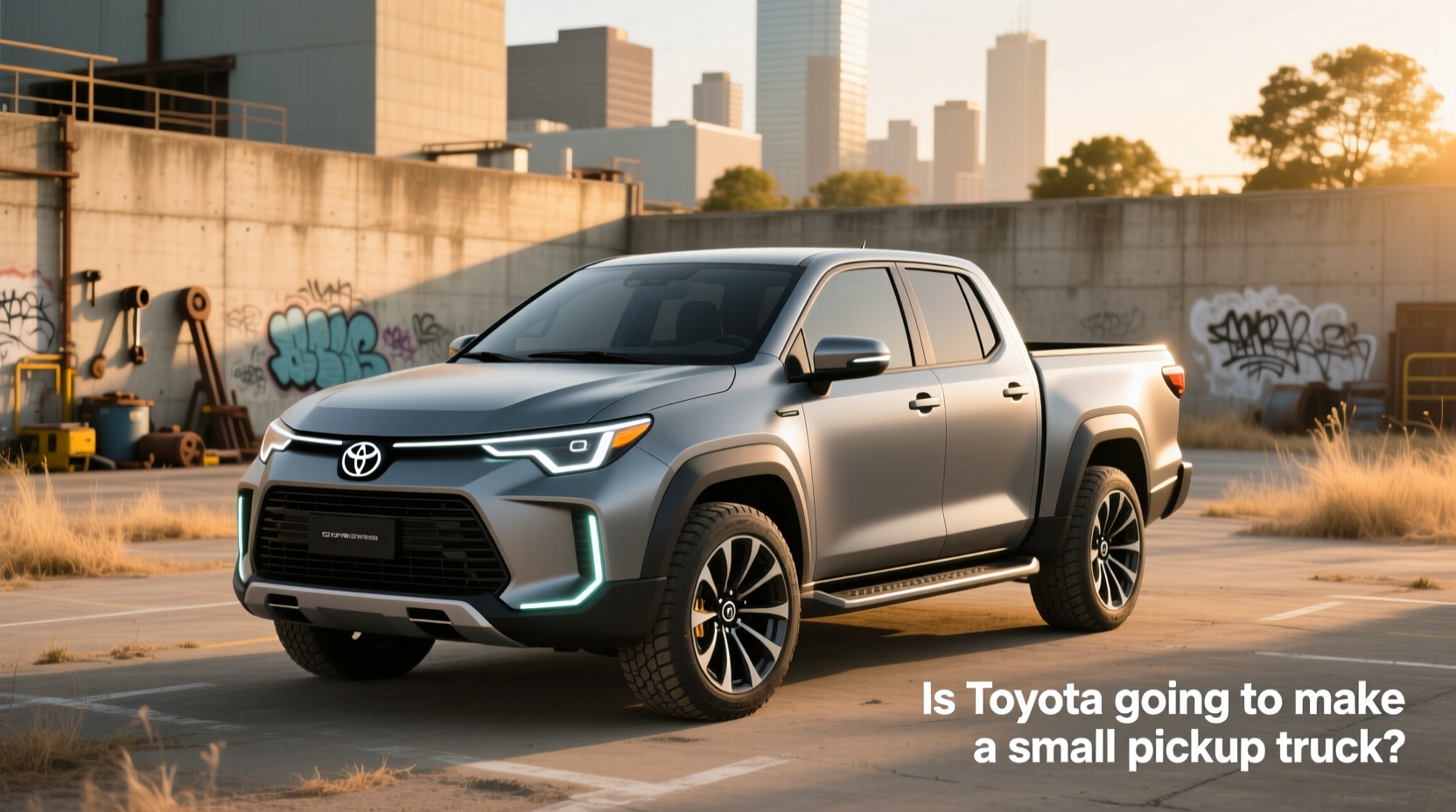
About the Toyota Compact Pickup
Lately, interest in smaller, more efficient trucks has surged. While Toyota hasn’t released a 2025 Corolla pickup, the automaker has officially confirmed development of a new compact truck slotting below the Tacoma. This isn’t a revival of an old idea—it’s a strategic response to shifting buyer priorities. The vehicle will likely share underpinnings with the Corolla Cross or potentially the C-HR, emphasizing car-like handling, hybrid powertrains, and urban practicality rather than off-road dominance.
The term “Corolla pickup” stems from speculation that Toyota might extend one of its most trusted nameplates into a new segment. But if you’re a typical user, you don’t need to overthink this. Branding doesn’t change capability. What matters is understanding what this vehicle is designed to do—and what it isn’t.
Why This Segment Is Gaining Popularity
Over the past year, demand for compact pickups has grown significantly. Rising fuel costs, tighter city parking, and a shift toward lifestyle vehicles have made large full-size trucks less appealing for everyday use. Models like the Ford Maverick and Hyundai Santa Cruz proved there’s strong demand for something lighter, more economical, yet still capable of light hauling.
This trend reflects a broader change: many buyers aren’t contractors needing 8-foot beds and V6 engines—they’re homeowners, hobbyists, and commuters who occasionally need to move furniture, bikes, or camping gear. These users prioritize fuel economy, maneuverability, and tech features over brute strength.
The emotional tension lies in perceived compromise. Can a small truck *really* replace a traditional workhorse? The answer depends entirely on your actual usage. If you regularly tow heavy trailers or carry construction materials, no—this isn’t for you. But if your biggest monthly load is mulch from the garden center, then yes, downsizing makes sense.
Types and Variants (Expected)
While final configurations aren’t public, industry analysis suggests two primary variants will define Toyota’s entry:
Gasoline-Fueled Base Model
- Pros: Lower upfront cost, simpler maintenance, adequate power for city driving
- Cons: Higher long-term fuel costs, lower MPG compared to hybrid, less appeal in emissions-conscious markets
- When it’s worth caring about: If you drive fewer than 10,000 miles per year and live in an area without charging infrastructure
- When you don’t need to overthink it: If fuel economy is a top priority, skip this version unless budget is tight
Hybrid Powertrain Option
- Pros: Projected 40+ MPG combined, smoother acceleration, reduced emissions, potential tax incentives
- Cons: Higher initial price, battery degradation concerns over time, limited towing gain over gas-only models
- When it’s worth caring about: For daily drivers in metro areas where fuel savings outweigh premium cost within 3–4 years
- When you don’t need to overthink it: If you rarely exceed highway speed limits and don’t care about eco-labels
Key Features and Specifications to Evaluate
When assessing any upcoming compact truck—including Toyota’s rumored model—focus on these core dimensions:
Cargo Bed Size and Usability
Expect a shorter bed (~5 feet) with integrated tie-downs and possibly fold-flat walls. Unlike full-size trucks, maximizing cubic space over length is key. Look for under-bed storage compartments and weather-resistant liners.
Fuel Economy (MPG)
Hybrids should hit 40–45 MPG combined. Gas-only versions may land around 28–32 MPG. If you’re a typical user, you don’t need to overthink this. A 5 MPG difference won’t matter much unless you drive over 15,000 miles annually.
Towing Capacity
Anticipate 2,000–3,500 lbs depending on configuration. That covers small trailers, jet skis, or lightweight campers—but not heavy equipment. Exceeding rated capacity risks engine strain and voids warranties.
Interior Tech and Safety
Expect standard Toyota Safety Sense suite (TSS 3.0), Apple CarPlay/Android Auto, and possibly a digital gauge cluster. Higher trims may include adaptive cruise and lane-centering assist.
Pros and Cons
Advantages:
- Lower purchase price than midsize trucks
- Better fuel economy, especially with hybrid option
- Easier parking and visibility in urban settings
- Toyota reliability reputation applies to core components
Drawbacks:
- Limited cargo and towing capacity
- No true off-road variant expected at launch
- Potential compromises in ride comfort due to short wheelbase
- Resale value uncertain until real-world data exists
How to Evaluate Your Needs (Buying Guide)
Don’t chase rumors. Instead, follow this checklist to determine if waiting for Toyota’s compact truck—or buying a current alternative—makes sense.
Step-by-Step Checklist
- Define your primary use: Commuting? Light hauling? Weekend adventures?
- Estimate annual mileage: High mileage favors hybrids despite higher sticker price
- Assess payload needs: Will you regularly carry over 1,000 lbs in the bed?
- Check garage fit: Measure clearance; compact trucks still require turning radius consideration
- Review local incentives: Some states offer rebates for fuel-efficient vehicles
Decision Flow
- If you need >3,500 lbs towing → consider Tacoma or larger
- If fuel economy >35 MPG is critical → wait for hybrid compact or buy Maverick now
- If brand trust is non-negotiable → Toyota’s upcoming model may be worth the wait
- If you must buy today → evaluate used Tacomas or current-year Maverick
Recommendations by Scenario
- Urban commuter who moves furniture twice a year: Prioritize hybrid efficiency and maneuverability
- DIY homeowner with trailer: Confirm exact towing specs; verify brake controller compatibility
- Fleet manager seeking low TCO: Run 5-year cost projections including fuel, depreciation, maintenance
Red Flags / What to Avoid
- Any listing advertising a "2025 Corolla Pickup" as available for sale—this model does not exist
- Websites using phrases like "you won’t believe the price" or "power beast"—these signal misinformation
- Dealers demanding deposits for unannounced models without manufacturer documentation
- Claims of 50+ MPG without EPA verification
Price & Market Insights
Current estimates suggest a starting price between $25,000 and $30,000 for the base trim, potentially dipping near $24,500 if Toyota aims to undercut the Ford Maverick’s entry point. Hybrid versions could start around $28,000–$31,000. These figures may vary by region/model/seller and do not include destination fees or taxes.
The timing—likely 2027—suggests Toyota is taking time to refine packaging and ensure competitive positioning. Unlike rushed entries, this delay indicates focus on durability and supply chain readiness. If you’re a typical user, you don’t need to overthink this. Early adopters often pay a premium; waiting six months after launch usually brings better deals and corrected initial flaws.
Top-Seller & Competitive Analysis
The main competitors are the Ford Maverick and Hyundai Santa Cruz. Here's how they compare to expectations for Toyota’s upcoming model:
| Model | Starting Price (est.) | Fuel Economy (MPG) | Towing (lbs) | Key Feature |
|---|---|---|---|---|
| Ford Maverick (hybrid) | $25,200 | 37 city / 38 hwy | 2,000 | Standard hybrid, flexible bed system |
| Hyundai Santa Cruz (FWD) | $29,100 | 21 city / 27 hwy | 3,500 | Midgate system extends cab into bed |
| Toyota Compact Pickup (expected) | $25,000–$28,000 | 40+ (hybrid est.) | 2,000–3,500 | Corolla-based reliability, hybrid focus |
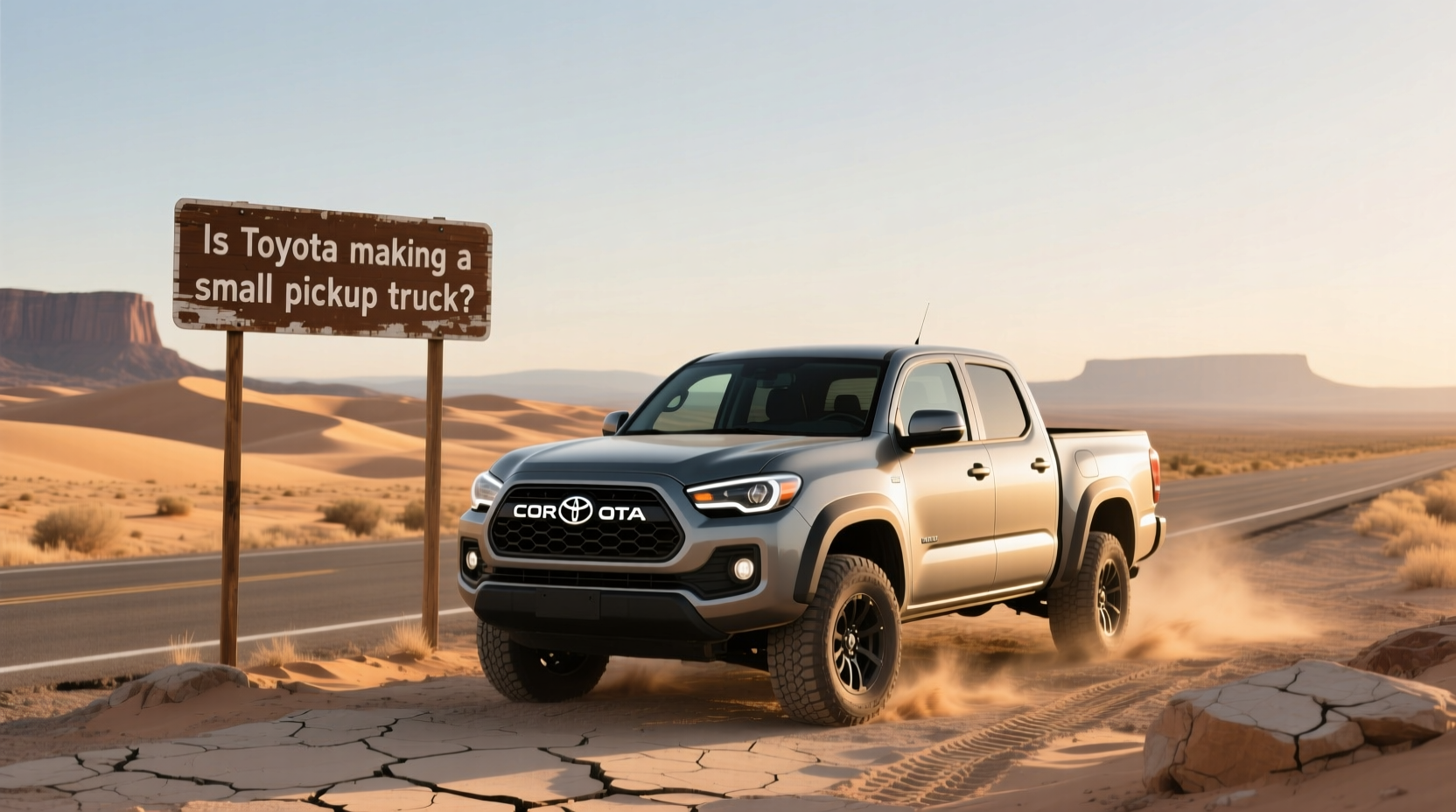
Note: All Toyota-specific data is speculative. Final pricing and specs will be announced closer to launch.
Customer Feedback Synthesis
Based on reviews of similar compact trucks, here’s what owners consistently praise and complain about:
Highly Rated Aspects:
- Fuel economy exceeding expectations (especially hybrid Maverick)
- Surprising amount of usable cargo space despite smaller footprint
- User-friendly infotainment systems and driver aids
- Confidence in brand reliability (Toyota, Ford)
Common Complaints:
- Ride quality can feel stiff when bed is empty
- Limited ground clearance affects unpaved access
- Aftermarket support lags behind full-size trucks
- Solar heat buildup in cabin during summer months
Sourcing & Supplier Tips
Until the Toyota compact truck launches, sourcing involves preparation—not purchase. Here’s how to position yourself:
- Monitor Toyota’s official press site and investor communications for production updates
- Contact local dealerships to express interest; some track pre-launch inquiries
- Avoid third-party importers claiming early access—these are scams
- Compare leasing terms once available; manufacturers often incentivize new models
- Verify return policy if ordering online through authorized channels
Maintenance, Safety & Legal Considerations
Maintenance for hybrid compact trucks follows patterns seen in other Toyota hybrids: longer intervals for engine oil changes, regenerative braking reducing pad wear, but higher-cost battery replacements after 150,000+ miles. Follow the factory service schedule strictly to maintain warranty coverage.
Safety-wise, expect top scores in IIHS and NHTSA tests given modern structural designs. However, smaller size inherently means less mass in collisions with full-size SUVs or trucks.
Legally, ensure compliance with local regulations regarding modifications, lighting, and towing requirements. Always confirm registration eligibility through your state DMV—some jurisdictions classify small trucks differently for fees and inspections.
Conclusion
If you need a fuel-efficient, easy-to-drive vehicle for light-duty tasks and city living, waiting for Toyota’s compact pickup could be worthwhile. If you require immediate capability or frequent heavy loads, consider existing models like the Tacoma or Maverick. If you’re a typical user, you don’t need to overthink this. Focus on your real-world usage, not marketing hype or speculative renders.
Everything You Need to Know
Is the 2025 Toyota Corolla pickup truck real?
No. There is no official 2025 Toyota Corolla pickup truck. Toyota has confirmed development of a compact truck expected around 2027, but it hasn't been named or priced yet. Rumors linking it to the Corolla name are speculative.
How much will the Toyota compact pickup cost?
Estimated starting prices range from $25,000 to $30,000 for the base model, with hybrid variants likely costing more. Final pricing will depend on trim, options, and regional factors. Always check official Toyota sources when available.
Will the Toyota small truck have a hybrid option?
Yes, multiple credible sources indicate a hybrid powertrain will be offered, aligning with Toyota’s electrification strategy and competing directly with the Ford Maverick hybrid.
What is the expected release date?
The vehicle is anticipated to arrive in dealerships around 2027. It will not be available as a 2025 or 2026 model year vehicle. Production timing may vary by market.
How does it compare to the Ford Maverick?
Expected similarities include sub-$30K pricing, hybrid availability, and urban-focused design. Differences may include slightly better fuel economy from Toyota and potentially stronger resale value, though real-world comparison requires official data.




 浙公网安备
33010002000092号
 浙B2-20120091-4