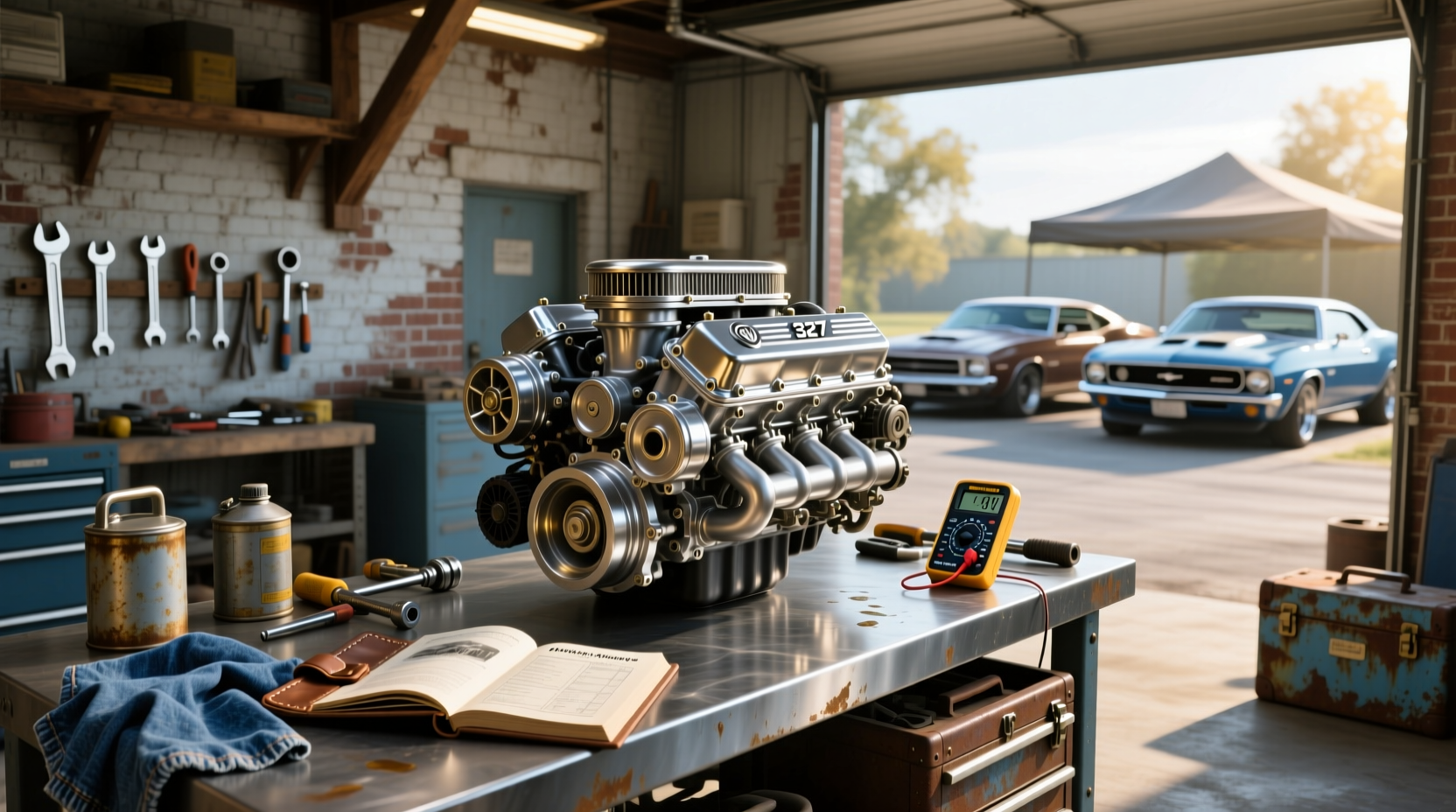
About the 327 Chevy Engine
The Chevrolet 327 cubic inch (5.4L) small block engine, first introduced in 1958, remains a cornerstone of classic American muscle and hot rod culture 1. Originally powering iconic vehicles like the Corvette and Impala, the 327 has evolved from a factory production engine into a sought-after component for restorations, custom builds, and performance upgrades. Today’s market offers both original rebuilt units and modern crate engines designed to deliver vintage aesthetics with contemporary reliability.
When people search for 'what is the insights world of 327 chevy engine for sale,' they are typically looking beyond just availability—they want to understand the ecosystem of options, specifications, and real-world considerations that influence a smart purchase. Whether restoring a classic car or building a retro-style hot rod, buyers must evaluate engine condition, configuration, warranty, and integration requirements.
Why the 327 Chevy Engine Is Gaining Popularity
The resurgence in interest around the 327 engine stems from several key trends in automotive culture. First, there's growing demand for authentic-looking powerplants that maintain the visual identity of classic Chevys while offering improved durability and drivability. Second, advancements in crate engine technology allow manufacturers to blend period-correct design with modern materials—such as hydraulic roller camshafts and one-piece rear main seals—that reduce maintenance and increase longevity 3.
Additionally, platforms like YouTube and social media have fueled DIY restoration projects, making crate engines more accessible to amateur builders. The 327 fits seamlessly into this trend due to its compact size, broad aftermarket support, and reputation for balanced performance. As emissions regulations and fuel efficiency concerns push newer engines toward complexity, many enthusiasts turn to the simplicity and serviceability of the small block Chevy platform.
Types and Variants
Buyers can generally choose between three categories of 327 engines: original rebuilt units, remanufactured long blocks, and complete modern crate engines. Each serves different needs and budgets.
🛒 Original Rebuilt Engines
These are restored versions of factory-produced 327s. Often sourced from salvage yards or private sellers, they may retain original casting numbers and date codes important for concours correctness.
- Pros: Authenticity, collector value, lower upfront cost
- Cons: Unknown wear history, potential need for additional parts, no comprehensive warranty
🔧 Remanufactured Long Blocks
A step up from basic rebuilds, these engines come fully assembled with updated internal components but without external accessories (like alternators or carburetors).
- Pros: More consistent quality than used engines, often include new bearings and seals
- Cons: May require sourcing and installing ancillary components separately
✨ Complete Crate Engines
Modern factory-built engines such as those offered by BluePrint Engines provide a turnkey solution. These are built to exacting standards using new or upgraded components.
- Pros: Full warranty, guaranteed horsepower (e.g., 350 HP), modern features like aluminum heads and hydraulic roller cams 1
- Cons: Higher price point, may not satisfy purists seeking originality
Key Features and Specifications to Evaluate
To make an informed choice when considering a 327 Chevy engine for sale, examine the following technical aspects:
- Displacement & Bore/Stroke: Confirm it’s a true 327 (5.0:1 bore-to-stroke ratio). Some stroker kits modify displacement, which affects balance and oiling.
- Block Material: New cast iron blocks offer strength and heat retention. Avoid cracked or core-shifted used blocks unless professionally inspected.
- Crankshaft & Rods: Forged internals (as found in BluePrint models) handle higher stress and last longer than cast equivalents 3.
- Cylinder Heads: Aluminum heads improve cooling and reduce weight. Look for proper port matching if pairing with aftermarket intakes.
- Fuel System: Decide between carbureted (simpler, traditional look) and fuel-injected (better fuel economy, smoother idle) setups.
- Camshaft Type: Hydraulic roller cams offer quiet operation and reduced maintenance compared to flat-tappet designs.
- Main Bearings: Four-bolt mains enhance block rigidity under high RPM or forced induction.
- Rear Main Seal: One-piece seals are easier to install and less prone to leaks than two-piece designs.
Pros and Cons
✅ Advantages
- Proven reliability and wide service knowledge base
- Versatile fitment across many classic GM vehicles
- Balanced power delivery ideal for street driving
- Extensive aftermarket support for tuning and repairs
- Modern crate versions offer warranties up to 30 months
❌ Limitations
- Premium pricing for complete, modern crate engines
- Fuel injection systems add complexity and cost
- Original engines may lack documentation or provenance
- Accessory drive compatibility varies by model
- Not ideal for extreme high-horsepower applications without major modifications
How to Choose a 327 Chevy Engine for Sale
Follow this step-by-step checklist to ensure you select the right 327 engine for your project:
- Define Your Use Case: Are you restoring a stock vehicle, building a cruiser, or creating a performance machine? Match engine specs to intended use.
- Verify Vehicle Compatibility: While the 327 was used in many Chevys from the late 1950s–1970s, confirm motor mounts, transmission bellhousing pattern, and clearance dimensions 2.
- Choose Fuel Delivery: Carbureted engines suit nostalgic builds; fuel-injected versions offer better drivability and emissions compliance.
- Select Accessory Configuration: Determine if you need a front accessory drive (serpentine or V-belt) included. Models without drives are cheaper but require separate purchases.
- Inspect Warranty Terms: Look for at least a 12-month warranty. BluePrint offers 30 months / 50,000 miles, which adds peace of mind 1.
- Check Included Components: Does the engine come with intake, distributor, water pump, etc.? Missing parts can significantly increase total cost.
- Consult a Professional: If unsure about fitment or electrical integration (especially with EFI), seek expert advice before purchasing.
🚩 Red Flags to Avoid
- No dyno test results or build documentation
- Vague descriptions like "runs good" without mechanical details
- Prices significantly below market average—may indicate hidden issues
- Lack of return policy or warranty from seller
- Inconsistent part numbers or mismatched components in used engines
Price & Market Insights
Pricing for a 327 Chevy engine varies widely depending on completeness, brand, and technology. Here's a general breakdown:
| Model | Fuel System | Front Drive | Price (USD) |
|---|---|---|---|
| BP327CTCV | Carbureted | No | $8,499 |
| BP327CTCKV | Carbureted | Yes | $10,599 |
| BP327CTFV | Fuel Injected | No | $9,599 |
| BP327CTFKV | Fuel Injected | Yes | $11,599 |
Data sourced from Jegs 3. Prices may vary by region and retailer. Expect to pay more for custom builds or engines with premium finishes. Used engines can range from $2,000–$5,000 but often require additional investment in rebuilding or accessories.
Top-Seller & Competitive Analysis
BluePrint Engines dominates the modern 327 crate engine market with standardized, well-documented builds. Their BP327 series emphasizes consistency, performance, and warranty coverage.
| Feature | BluePrint BP327 | Typical Rebuilt 327 | Aftermarket Stroker |
|---|---|---|---|
| Horsepower | 350 HP | Varies (250–300) | 400+ HP |
| Warranty | 30 mo / 50k mi | Limited or none | 12–24 mo |
| Fuel System | Carb or EFI | Usually carb | EFI preferred |
| Internal Build | Forged crank & rods | Cast or unknown | Forged throughout |
| Price Range | $8,500–$11,600 | $2,000–$5,000 | $10,000+ |
This comparison shows that BluePrint engines offer predictable performance and strong value for non-extreme builds. However, budget-conscious restorers may prefer sourcing and rebuilding original engines.
Customer Feedback Synthesis
Based on aggregated buyer reviews and forum discussions:
- Common Praise: Reliability of BluePrint engines, ease of installation, consistent power output, and responsive customer service.
- Frequent Complaints: High shipping costs, delays during peak seasons, confusion over accessory inclusion, and challenges integrating EFI systems without standalone harnesses.
- Recurring Suggestions: Buyers recommend purchasing a complete kit (engine + wiring + accessories) or consulting a mechanic early in the process.
Sourcing & Supplier Tips
Popular sources include online retailers (JEGS, Summit Racing), specialty engine builders (BluePrint, ATK), and local rebuild shops. When sourcing:
- Compare total delivered cost, including shipping and handling.
- Verify return policies and inspection windows.
- Ask for build sheets, torque specs, and break-in procedures.
- For international buyers, check import regulations and duties.
- If buying in bulk (e.g., for a shop), inquire about dealer pricing or drop-shipping options.
Maintenance, Safety & Legal Considerations
All engines require proper break-in procedures—follow manufacturer guidelines for oil type, warm-up cycles, and initial driving patterns. Use high-zinc oil if running flat-tappet camshafts (less common in modern crates).
Safety note: Ensure engine grounding, secure mounting, and correct exhaust routing to prevent fire or CO exposure.
Legally, verify that engine swaps comply with local emissions regulations, especially in states like California. Some crate engines are CARB-exempt; others are labeled “race use only.” Always confirm compliance before registration.
Conclusion
If you're planning a classic restoration or custom build, a modern 327 Chevy crate engine offers a compelling mix of nostalgia and reliability. For most users seeking a hassle-free upgrade, a complete crate engine with a warranty and verified output—such as the BluePrint BP327 series—is the safest choice. Budget-focused builders might opt for a rebuilt original, but should account for potential hidden costs. Ultimately, success comes from aligning engine specs with your vehicle, goals, and technical comfort level.
Frequently Asked Questions
What does '327' refer to in the Chevy engine?
The '327' refers to the engine’s displacement in cubic inches (approximately 5.4 liters), determined by its bore and stroke dimensions.
Can a 327 engine be installed in non-Chevrolet vehicles?
Yes, with appropriate adapters and fabrication, the 327 can fit in many GM and even non-GM chassis due to its compact size and widespread aftermarket support.
Do modern 327 crate engines require special fuel?
No, most are designed to run on regular unleaded gasoline, though premium fuel may be recommended for high-compression variants.
How long do crate engines typically last?
With proper maintenance and break-in, modern crate engines can last 100,000 miles or more. Warranty periods typically range from 12 to 30 months.
Is professional installation necessary?
While experienced DIYers can install these engines, professional help is advised for complex tasks like EFI tuning, transmission mating, or custom fabrication.




 浙公网安备
33010002000092号
 浙B2-20120091-4