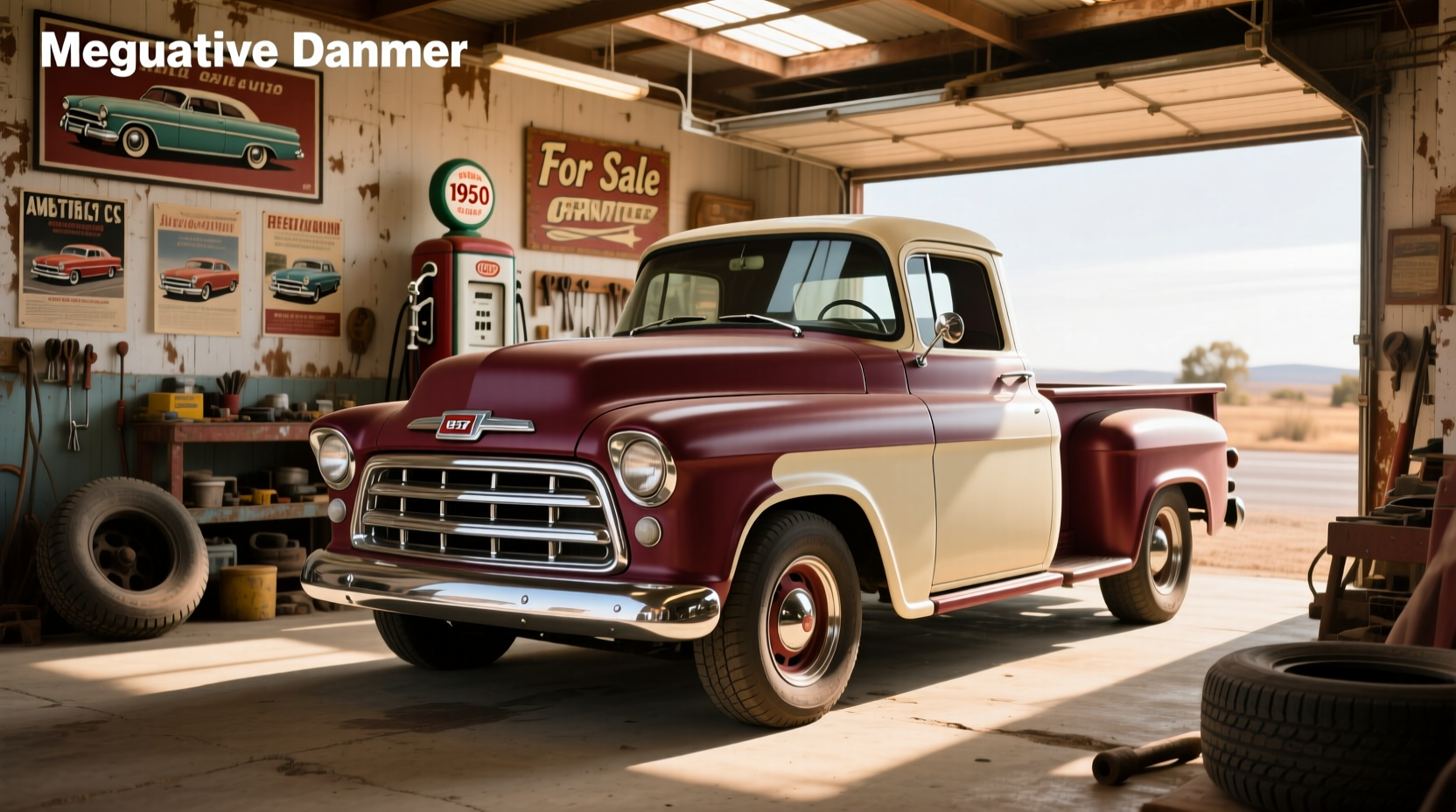
Lately, more collectors and restorers are asking: how much is a 55 Chevy truck worth? The answer isn’t simple—it depends on condition, engine type, bed style, and whether it has the rare big back window. If you’re a typical user, you don’t need to overthink this. For most buyers, a driver-quality 1955 Chevrolet 3100 with original or tastefully upgraded components in the $30,000–$60,000 range offers the best balance of usability and long-term stability. Avoid trucks with hidden rust or poorly executed V8 swaps unless you have a restoration budget. What to look for in a 55 Chevy pickup? Focus first on frame integrity and drivetrain reliability—not chrome trim or paint color.
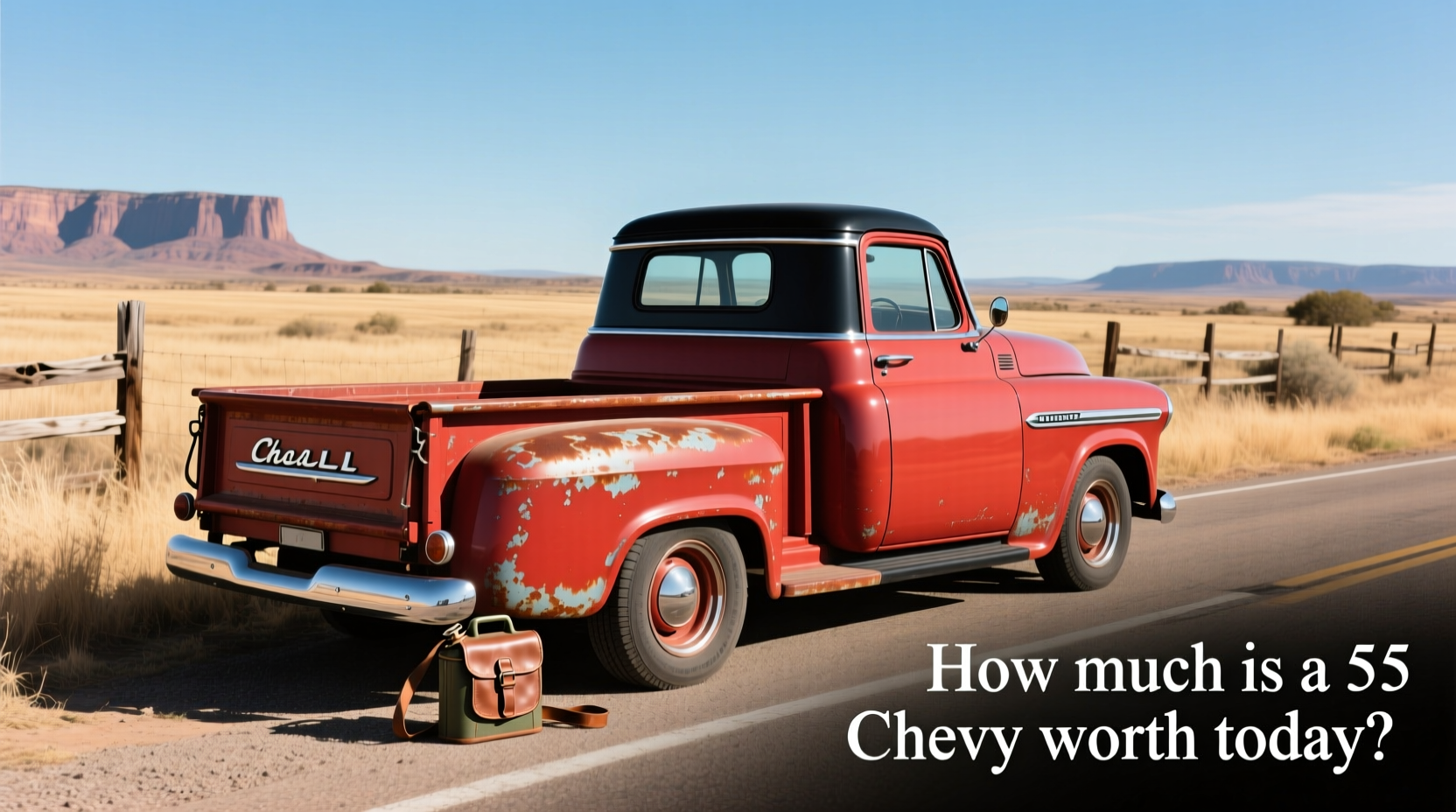
About the 1955 Chevy Pickup Truck
The 1955 Chevrolet 3100 series was part of GM’s Task Force truck line, marking a major design shift from earlier models. It featured a more car-like grille, improved suspension, and updated interiors. Available as a ½-ton (3100), ¾-ton (3600), or 1-ton (3800) model, the 3100 remains the most popular due to its proportions and aftermarket support. These trucks came with either an inline-six engine or the optional 265 cubic inch V8—the latter now highly desirable.
Two bed lengths were offered: short bed (6.5 feet) and long bed (8 feet). Short beds are generally more valuable today because they’re rarer and preferred for street rod builds. A key visual identifier is the presence of the “Big Back Window” (BBW), introduced mid-year. Trucks with BBW are worth significantly more than standard-window models due to scarcity and collector demand.
Why the 1955 Chevy Truck Is Gaining Popularity
Over the past year, interest in 1955 Chevy trucks has grown steadily among both vintage truck enthusiasts and custom builders. Their clean lines, mechanical simplicity, and strong aftermarket ecosystem make them ideal candidates for restomods—restored trucks with modern suspensions, brakes, and fuel-injected engines. Unlike earlier flat-fender designs, the ‘55 has a smoother profile that appeals to newer collectors.
This resurgence isn’t just nostalgia. Many buyers see these trucks as tangible assets. While not all appreciate like muscle cars, high-condition examples have held or increased value over time, especially those verified through platforms like Hagerty 1. The DIY culture around rebuilding these trucks also fuels online communities and YouTube tutorials, lowering the entry barrier for first-time owners.
Types and Variants
Understanding the differences between available configurations helps narrow your search and avoid paying for features you won’t use.
Short Bed vs. Long Bed
- Short Bed (6.5 ft): More common in restored and customized builds. Easier to store and maneuver. Higher demand = higher prices.
- Long Bed (8 ft): Better for hauling but less sought after by collectors. Often found at lower price points, even in good condition.
When it’s worth caring about: If you plan to drive regularly or display at shows, go short bed. For utility or project builds, long bed can offer better value.
When you don’t need to overthink it: If you're restoring anyway, either can work—focus on structural condition first.
Big Back Window (BBW) vs. Standard Window
- Big Back Window: Introduced in late 1955 production. Offers improved rear visibility and distinctive styling. Commands a $10,000+ premium in comparable condition.
- Standard Window: Smaller rear glass, more common. Still attractive but less collectible.
When it’s worth caring about: If resale or show eligibility matters, BBW is a clear upgrade.
When you don’t need to overthink it: For a daily driver or garage-built restomod, window size won’t affect performance.
Engine Options: Inline-Six vs. V8
- Inline-Six (235 cu in): Original equipment. Reliable, easy to maintain, but underpowered by modern standards.
- V8 (265 cu in): Optional at the time, now prized. Provides better acceleration and towing. Many trucks today have aftermarket V8 swaps.
When it’s worth caring about: If you want authenticity or plan to enter judged events, original V8 matters.
When you don’t need to overthink it: For a functional restomod, any reliable V8 swap (even modern LS) works fine—originality becomes secondary.
Key Features and Specifications to Evaluate
Don’t get distracted by shiny bumpers. Focus on these five core areas:
Frame and Rust Condition
The chassis is non-negotiable. Check for rot along the rails, behind wheel wells, and under cab mounts. Surface rust can be treated; structural compromise cannot. If you’re a typical user, you don’t need to overthink this—walk away from any truck needing frame replacement.
Originality vs. Modifications
Purists value factory-correct builds. But many buyers prefer modern upgrades: independent front suspension, disc brakes, AC, power steering. Tasteful modifications increase usability without killing value—if done well.
Interior and Gauges
Original dashboards with working gauges add value. Reproduction parts are widely available, so missing pieces aren’t fatal. Look for cracked vinyl or warped wood trim as signs of neglect.
Tires and Brakes
Old tires are unsafe regardless of tread. Drum brakes are outdated. Upgraded wheels and modern brake systems are practical investments. If you’re a typical user, you don’t need to overthink this—budget for safety updates early.
Provenance and Documentation
Matching numbers, build sheets, or service records boost confidence. But their absence doesn’t mean fraud—many old trucks lack paperwork. Use them as supporting evidence, not deal-breakers.
Pros and Cons
| Aspect | Pros | Cons |
|---|---|---|
| Availability | Common platform with wide parts support | High demand drives up prices for clean examples |
| Restoration Potential | Extensive aftermarket kits and community knowledge | Labor costs can exceed vehicle value if outsourced |
| Driving Experience | Satisfying analog feel; manageable size | No modern safety features; stiff ride |
| Resale Value | Stable for top-tier examples | Project trucks may not recoup full investment |
How to Buy a 1955 Chevy Truck
Finding the right truck requires discipline. Follow this checklist to avoid costly mistakes.
Step-by-Step Checklist
- Define your goal: daily driver, show truck, or investment?
- Set a realistic budget including $5,000–$15,000 for immediate repairs or upgrades.
- Search listings on Hemmings 2, Classic.com 3, and RK Motors.
- Verify VIN and title status—no salvage titles unless explicitly budgeted.
- Inspect in person or hire a pre-purchase inspector.
- Negotiate based on documented flaws, not emotion.
- Complete transfer and secure storage/insurance.
Decision Flow
- If you want a turn-key driver → look for restored 3100 short bed with BBW and V8.
- If you enjoy building → consider a solid-frame project priced below $20,000.
- If budget is tight → long bed or standard window models offer savings.
Recommendations by Scenario
- First-Time Buyer: Aim for a mechanically sound truck with recent brakes and tires. Prioritize function over finish.
- Experienced Restorer: Target incomplete projects with good bones. You’ll save money and customize to taste.
- Investor/Collector: Focus on low-mileage, matching-numbers examples with BBW. Document everything.
Red Flags / What to Avoid
- Unexplained gaps in ownership history
- Repainted frames (often hides rust repair)
- “Runs great!” claims without test drive
- Missing floor pans or cab corners
- Aftermarket airbags obscuring frame inspection
Price & Market Insights
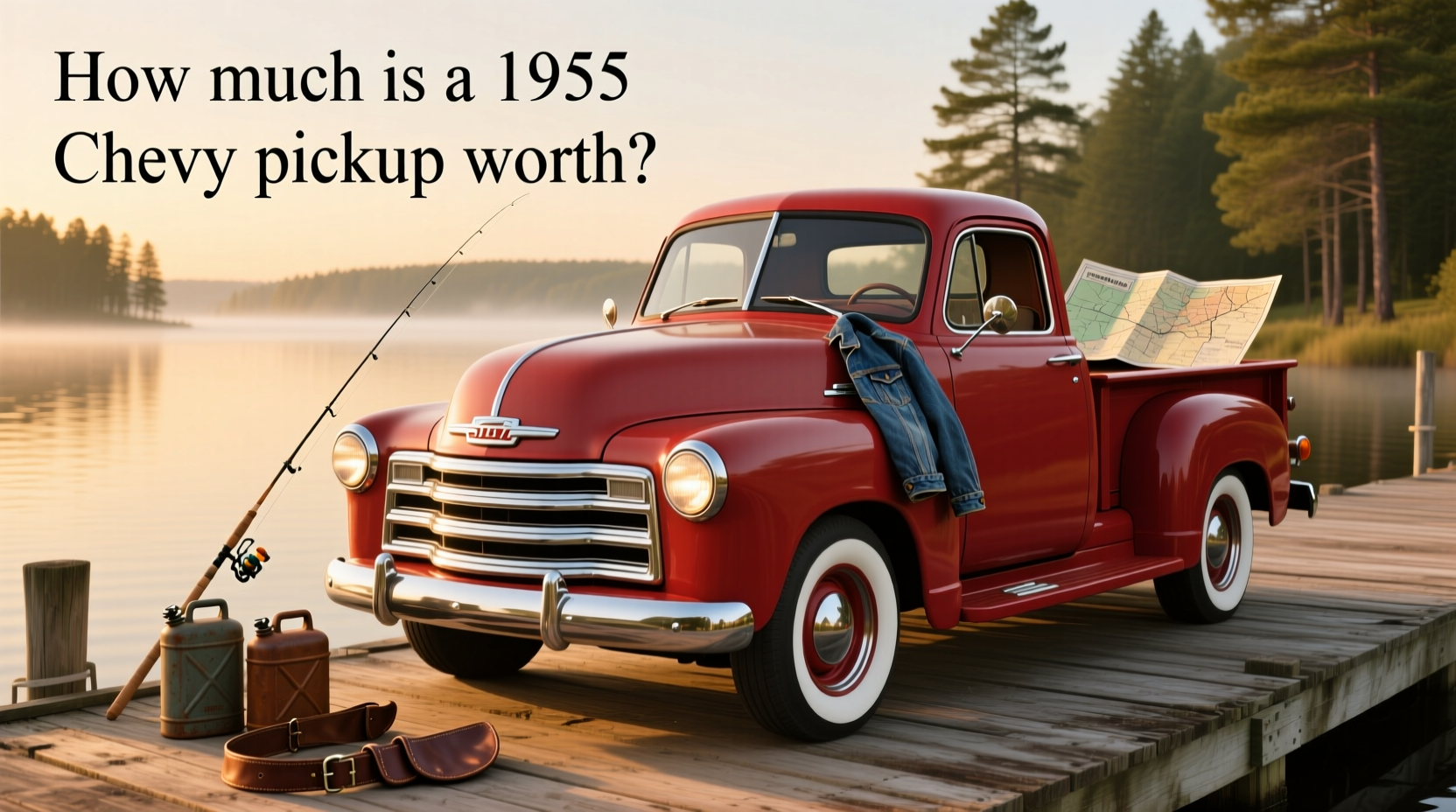
Prices vary significantly based on condition, location, and seller type. As of recently, average ranges include:
- Low End ($8,000–$20,000): Needs major restoration. May run but has structural issues.
- Average/Good ($30,000–$60,000): Driver quality, solid frame, functional mechanics. Most common sale tier.
- High End ($90,000–$198,000+): Show-winning restorations, rare options, celebrity provenance, or elite customs.
Note: Values may vary by region/model/seller. Always check current comparables on Hagerty or Classic.com before offering. If you’re a typical user, you don’t need to overthink this—most people should aim for the middle tier where usability meets reasonable cost.
Top-Seller & Competitive Analysis
The 1955 3100 dominates the market, but competitors exist:
| Model | Avg. Price Range | Key Advantages | Drawbacks |
|---|---|---|---|
| 1955 Chevrolet 3100 | $30K–$60K | Highest parts availability, strong resale | Premium pricing for BBW/V8 combos |
| 1955 GMC 100 | $25K–$50K | Rarer, distinct styling | Fewer reproduction parts |
| 1956 Ford F-100 | $25K–$55K | Smoother interior, wider cabin | Higher maintenance complexity |
This piece isn’t for keyword collectors. It’s for people who will actually use the product.
Customer Feedback Synthesis
Based on reviews from forums, auction sites, and owner groups:
- Most Praised: Ease of wrenching, timeless design, supportive community.
- Most Complained About: Hidden rust, poor braking, lack of climate control, difficulty finding skilled labor.
- Surprising Insight: Owners who bought “cheap fixes” spent 2–3x more than expected. Those who paid more upfront reported higher satisfaction.
Sourcing & Supplier Tips
Buy from private sellers for better deals, but dealers offer warranties and vetting. Reputable suppliers for parts include:
- Chevs of the 40s (interiors, trim)
- Lokar (cables, shifters)
- Classic Performance Products (suspension, brakes)
Verify return policies and compatibility before ordering. If you’re a typical user, you don’t need to overthink this—stick with known brands and read installation forums first.
Maintenance, Safety & Legal Considerations
These trucks lack seat belts, airbags, ABS, and crumple zones. Drive defensively. Perform annual inspections of steering, suspension, and braking systems. Storage in dry conditions prevents rapid deterioration.
Legality varies by jurisdiction. Some states require emissions compliance or safety inspections. Confirm local regulations before registration. This applies especially to modified builds. When in doubt, contact your DMV or a specialty registration service.
Conclusion
If you need a usable classic truck for weekend drives and local shows, choose a well-documented 1955 3100 short bed in driver condition with a reliable engine. If you’re building from scratch, prioritize frame integrity over cosmetics. And if you’re investing purely for appreciation, focus only on verified, high-point examples. Otherwise, stick to the middle ground—where passion meets practicality.




 浙公网安备
33010002000092号
 浙B2-20120091-4