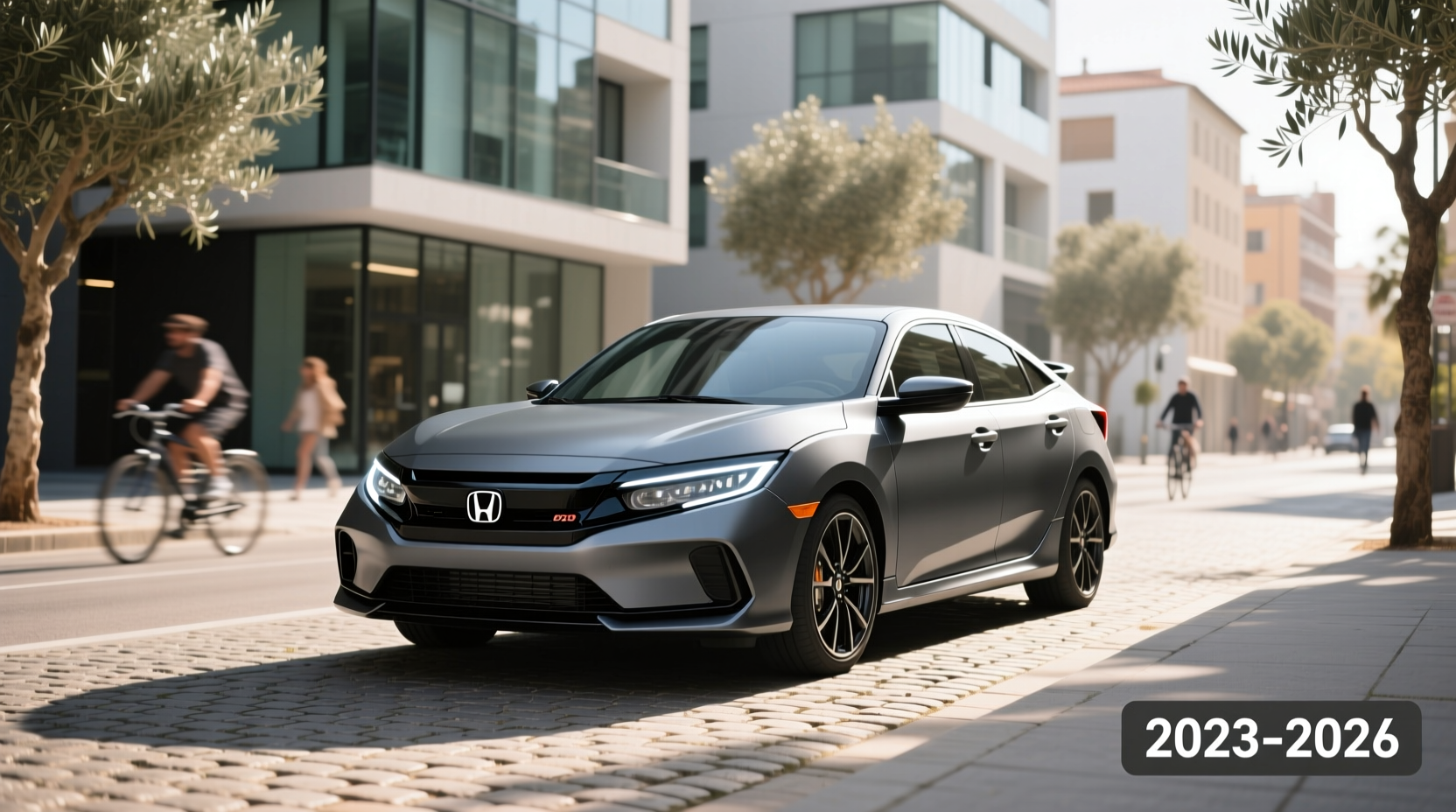

About the 5th Gen Honda Civic
The fifth-generation Honda Civic was produced from 1991 to 1995, marking a shift toward sleeker styling and improved interior space. It replaced the boxier fourth generation and introduced a more aerodynamic profile, longer wheelbase, and refined suspension setup. Available as a three-door hatchback, two-door coupe (from 1993), and four-door sedan, the hatchback remained the enthusiast favorite due to its balance of practicality and agility.
This generation coincided with Honda's growing reputation for reliability and efficient engineering. It featured updated D-series inline-four engines, including the lean-burn D15B6 in the VX trim, capable of over 50 mpg highway. Higher trims like the Si model used the 1.6L DOHC VTEC engine (D16Z6), delivering responsive performance that still appeals to drivers today1.
Why the 5th Gen Civic Is Gaining Popularity
Lately, there’s been renewed attention on lightweight front-wheel-drive cars that offer engaging driving dynamics without complexity. The 5th gen Civic fits perfectly into this niche. Unlike heavier modern compacts, it weighs under 2,300 lbs, making it nimble and easy to modify. Its mechanical simplicity also means lower repair costs and easier DIY maintenance.
If you’re a typical user, you don’t need to overthink this. Enthusiasts aren’t chasing nostalgia alone—they’re responding to real usability. These cars start reliably, consume little fuel, and parts remain widely available. In urban environments or regions with tight roads, their size is an asset, not a compromise. This piece isn’t for keyword collectors. It’s for people who will actually use the product.
Types and Variants
The 5th gen Civic came in several body styles and trims, each serving different priorities:
DX / LX (Base Models)
- Pros: Simple, reliable, low purchase cost, easy to maintain.
- Cons: SOHC 12-valve engine lacks punch; basic interior features.
- When it’s worth caring about: Daily commuting or budget-first buyers.
- When you don’t need to overthink it: You just want dependable transportation with minimal fuss.
VX (Fuel-Efficient Trim)
- Pros: Legendary fuel economy (~50 mpg highway); GEAR selector indicates optimal shift points.
- Cons: Very light throttle response; harder to find today due to attrition.
- When it’s worth caring about: Long-distance driving or eco-conscious ownership.
- When you don’t need to overthink it: You value efficiency but can accept slower acceleration.
Si (Sport Model)
- Pros: 125 hp i-VTEC engine; sport-tuned suspension; iconic red valve cover.
- Cons: More expensive to buy; higher wear on clutch and drivetrain.
- When it’s worth caring about: Driving engagement and mod potential.
- When you don’t need to overthink it: You plan to keep it stock and drive gently.
Key Features and Specifications to Evaluate
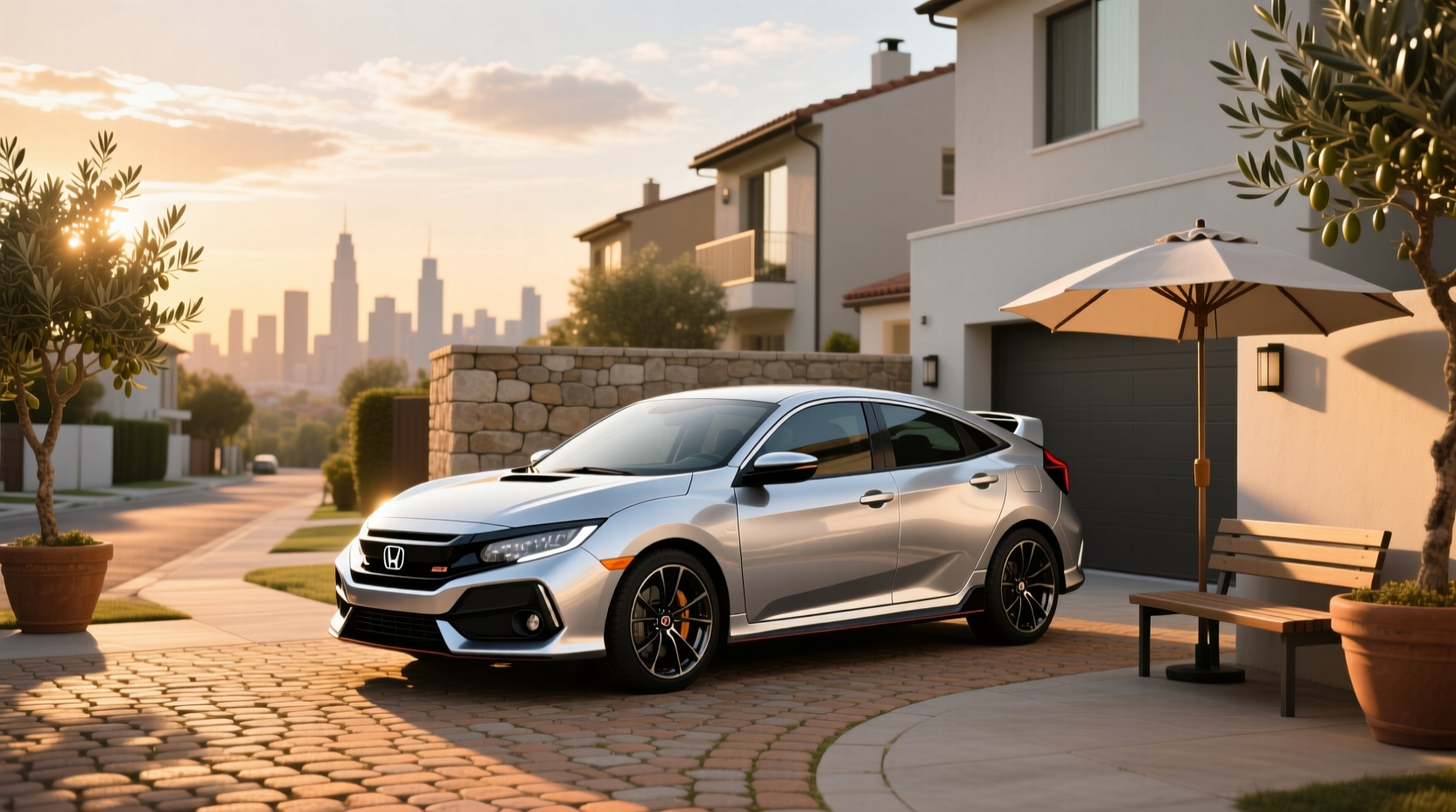
When assessing a 5th gen Civic hatchback, these specs determine real-world usability:
- Engine Type: D15B (SOHC) vs D16Z6 (DOHC VTEC). Check for oil leaks and compression test results.
- Transmission: 5-speed manual (preferred) or 4-speed automatic. Manual units last longer if properly shifted.
- Fuel Economy: VX models achieve best-in-class efficiency; others average 35–40 mpg.
- Interior Condition: Seats often sag; look for cracks in dash and working HVAC.
- Rust Level: Common on rear quarter panels and subframe—inspect thoroughly.
If you’re a typical user, you don’t need to overthink this. Focus on documented maintenance, absence of major rust, and original drivetrain. Everything else can be repaired or upgraded later.
Pros and Cons
How to Choose a 5th Gen Civic Hatchback
Follow this step-by-step process to avoid costly mistakes:
Step-by-Step Checklist
- Verify model year matches 1992–1995 production range.
- Inspect for structural rust—especially behind wheel wells and under carpet.
- Confirm engine is original and runs smoothly at idle and under load.
- Test all electrical systems: lights, gauges, A/C, power windows.
- Review service records—look for timing belt changes and transmission fluid flushes.
- Take a test drive focusing on transmission smoothness and suspension noise.
- Run a VIN check for accident history and title status.
Decision Flow
- Need fuel efficiency? → Prioritize VX trim with documented highway mileage.
- Want fun driving experience? → Seek well-maintained Si with manual transmission.
- On a tight budget? → Consider base DX hatchback with recent mechanical work.
Recommendations by Scenario
- First-time buyer: Choose a clean DX or CX hatchback under $3,000.
- Weekend driver: Invest in a restored Si model ($5,000–$8,000).
- DIY learner: Any mechanically sound example works—avoid flood-damaged cars.
Red Flags / What to Avoid
- Non-running vehicles unless you have workshop access.
- Cars with mismatched VINs or rebuilt titles without documentation.
- Interiors with mold, broken seat frames, or non-functional instruments.
- Aftermarket engine swaps unless you specifically want customization.
- Any sign of frame damage or welding repairs on suspension points.
Price & Market Insights
Pricing varies significantly by region, condition, and trim level. As of now:
- Project-grade hatchbacks: $1,500–$2,500
- Running/drivable models: $2,500–$4,500
- Well-maintained Si or VX: $5,000–$8,000
- Show-quality restorations: $9,000+
Prices may vary by region/model/seller. Values have risen slowly over the past five years due to increasing collector interest, but remain reasonable compared to other JDM classics. Always verify local listings and compare across platforms before offering.
Top-Seller & Competitive Analysis
The 5th gen Civic faces informal competition from contemporaries like the Toyota Corolla (AE92), Nissan Sentra (B13), and Mazda Protegé (BA). Below is a comparison:
| Model | Fuel Economy | Driving Engagement | Parts Availability | Resale Trend |
|---|---|---|---|---|
| Honda Civic Hatchback (5th gen) | ⭐⭐⭐⭐☆ | ⭐⭐⭐⭐★ | ⭐⭐⭐⭐☆ | Steady increase |
| Toyota Corolla AE92 | ⭐⭐⭐☆☆ | ⭐⭐☆☆☆ | ⭐⭐⭐☆☆ | Slow growth |
| Nissan Sentra B13 | ⭐⭐☆☆☆ | ⭐⭐☆☆☆ | ⭐⭐☆☆☆ | Flat |
| Mazda Protegé BA | ⭐⭐⭐☆☆ | ⭐⭐⭐☆☆ | ⭐⭐☆☆☆ | Moderate rise |
If you’re a typical user, you don’t need to overthink this. Among peers, the Civic offers the strongest blend of efficiency, reliability, and aftermarket support.
Customer Feedback Synthesis
Based on owner reports and community discussions:
- Highly Praised: Reliability when maintained, ease of DIY repairs, excellent fuel economy (especially VX), engaging steering feel.
- Common Complaints: Interior plastic degradation, limited cargo space, lack of modern safety features, susceptibility to rust in snowy climates.
Owners consistently report satisfaction after addressing initial maintenance needs. Long-term owners emphasize consistency over time rather than peak performance.
Sourcing & Supplier Tips
When sourcing parts:
- Use OEM catalogs or reputable aftermarket brands (e.g., NTK for sensors, Denso for ignition).
- Check compatibility using VIN-specific lookup tools.
- For rare components (like VX gear indicator), explore online forums or salvage yards specializing in JDM vehicles.
- Verify return policies when ordering online—some sellers exclude electrical items.
If you’re a typical user, you don’t need to overthink this. Most mechanical parts remain in production or readily available used. Avoid obscure vendors without reviews.
Maintenance, Safety & Legal Considerations
Regular maintenance includes timing belt replacement every 90,000–105,000 miles, coolant flushes, and suspension bushing checks. Brakes and tires wear predictably but inspect rotors for warping.
Safety-wise, these cars lack airbags (except some late Si models) and ABS was optional. They perform poorly in modern crash tests. Do not rely on them as primary family transport.
Legally, ensure the vehicle meets your state or country’s emissions and inspection requirements. Classic car exemptions may apply depending on age. Confirm locally before registering.
Conclusion
If you need a simple, efficient city car with character, the 5th gen Civic hatchback from 1992–1995 is a strong candidate. If you prioritize driving fun and modularity, aim for a clean Si. For maximum economy, seek out a documented VX. If you’re a typical user, you don’t need to overthink this—choose based on condition, not rarity.
Everything You Need to Know
What years are the 5th generation Honda Civic?+
The fifth-generation Honda Civic was produced from 1992 to 1995, having debuted in Japan in September 1991. All hatchback models within this range are considered Gen 5.
Which 5th gen Civic trim is the most reliable?+
All trims share the same robust platform, but the DX and VX models tend to have fewer complications due to simpler engines and electronics. With regular maintenance, any variant can exceed 200,000 miles.
Is the 5th gen Civic Si rare today?+
While not extremely rare, well-preserved Si models are increasingly hard to find. Many were driven hard or modified. Look for one with service history and original components.
Can I daily drive a 5th gen Civic hatchback?+
Yes, provided it's in good mechanical condition. These cars are economical and durable, though less safe than modern vehicles. Be prepared for occasional repairs and seasonal rust checks.
Are parts still available for the 5th gen Civic?+
Most common mechanical and body parts are still accessible through OEM suppliers, aftermarket brands, and salvage networks. Some rare trim-specific items may require online searching or fabrication.




 浙公网安备
33010002000092号
 浙B2-20120091-4