
Short introduction
If you're hauling equipment, debris, or machinery regularly, a 7x14 utility trailer offers a balanced mix of size and maneuverability. Over the past year, demand for mid-sized trailers has risen as more homeowners and small contractors seek versatile transport solutions without overextending their truck’s towing limits. How to choose a flatbed trailer for pickup truck use comes down to three things: your payload needs, your vehicle’s towing capacity, and whether you need sides or ramps.
A typical 7x14 utility trailer weighs between 1,100 and 2,000 lbs empty, depending on axle count and construction. Single-axle models are lighter (~1,100–1,400 lbs), while dual-axle versions with steel sides can exceed 1,800 lbs. If you’re a typical user, you don’t need to overthink this. Focus instead on payload capacity (GVWR minus curb weight) and ensure your pickup can handle the combined load. Avoid underestimating tongue weight—trailer sway often starts there.

About 7x14 Utility Trailers
A 7x14 utility trailer measures 7 feet wide by 14 feet long, offering 98 square feet of cargo space—enough to carry full sheets of plywood, riding mowers, ATV sets, or multiple appliances. These trailers are commonly used with half-ton pickups like the Ford F-150, Ram 1500, or Chevrolet Silverado 1500, provided the truck has a proper hitch and wiring setup.
They come in several configurations: flatbed, enclosed, landscape (with removable sides), and dump models. The most common variant is the open utility trailer with either mesh or solid steel sides. Payload capacity typically ranges from 3,000 to 6,000 lbs, though high-end dual-axle models reach 7,000 lbs GVWR.
Weight varies significantly based on design choices. For example, a basic single-axle flatbed may weigh around 1,168 lbs empty 1, while a dual-axle model with 24-inch solid steel sides can tip the scales at nearly 2,000 lbs 2. Always verify manufacturer specs before purchase.
Why 7x14 Utility Trailers Are Gaining Popularity
Lately, more DIYers and small business operators have turned to 7x14 trailers as an affordable alternative to renting or upgrading vehicles. Their size fits well behind most full-size pickups without requiring special permits in most states, making them easier to store and tow than larger 16- or 20-foot units.
This piece isn’t for keyword collectors. It’s for people who will actually use the product.
Additionally, rising home renovation activity and landscaping services have increased demand for durable, easy-to-load platforms. Unlike smaller trailers, the 7x14 size allows full-sheet loading without cutting materials—a major efficiency gain. And unlike box trailers, they offer faster unloading and lower cost.
Types and Variants
Choosing the right type depends on what you’ll haul most often. Here's a breakdown:
1. Flatbed Trailers
- Pros: Lowest empty weight (~1,100–1,400 lbs), easiest access, lowest cost
- Cons: No protection from weather, less secure for loose items
- When it’s worth caring about: Hauling large, clean loads like lumber, furniture, or metal stock
- When you don’t need to overthink it: If all your loads are secured with straps and tarps
2. Landscape / High-Side Utility Trailers
- Pros: Retains mulch, soil, scrap; side gates allow dumping; better containment
- Cons: Heavier (adds 200–400 lbs), harder to load tall items
- When it’s worth caring about: Landscaping, demolition debris, bulk yard waste
- When you don’t need to overthink it: If you mostly move tools or equipment, not loose materials
3. Dump Trailers
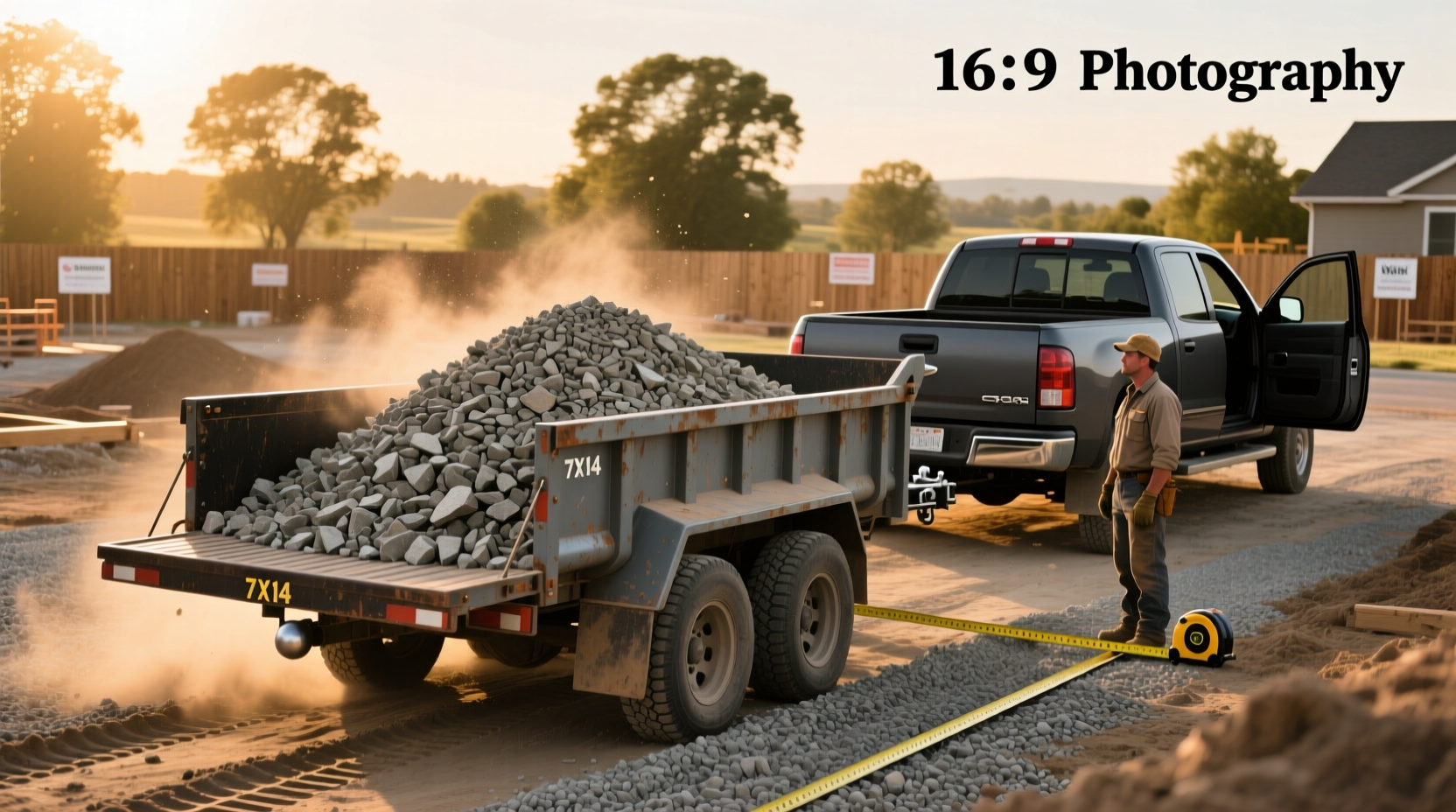
- Pros: Hydraulic or manual lift simplifies unloading dirt, gravel, or sand
- Cons: Much heavier (up to 300+ lbs more), higher price, maintenance on hydraulics
- When it’s worth caring about: Frequent delivery of aggregates or topsoil
- When you don’t need to overthink it: If you only do occasional cleanups
4. Enclosed Cargo Trailers
- Pros: Weatherproof, theft-resistant, good for storage
- Cons: Significantly heavier (often 2,500+ lbs), reduced visibility when towing
- When it’s worth caring about: Transporting valuable gear, motorcycles, or sensitive electronics
- When you don’t need to overthink it: For job-site tool transport where security isn’t critical
Key Features and Specifications to Evaluate
Don’t get lost in marketing terms. Stick to measurable specs that affect performance and safety.
Curb Weight vs. GVWR
Curb weight is the trailer’s actual weight when empty. GVWR (Gross Vehicle Weight Rating) is the maximum safe total weight—including cargo. Subtract curb weight from GVWR to get payload capacity.
Example: A trailer with 1,900 lb curb weight and 7,000 lb GVWR gives you 5,100 lbs of usable payload.
If you’re a typical user, you don’t need to overthink this. Just make sure your payload estimate doesn’t exceed that number—and leave margin for error.
Axle Configuration
- Single Axle: Lighter, cheaper, easier to maintain. Best for loads under 3,000 lbs.
- Dual Axle: Higher stability, greater payload, required for GVWRs above 6,000 lbs in many regions.
When it’s worth caring about: Towing on highways, uneven terrain, or near max capacity
When you don’t need to overthink it: Local hauling of light equipment
Frame and Deck Material
- Steel Frame: Standard, strong, affordable. May rust if not treated.
- Aluminum Deck: Corrosion-resistant, lighter (~200–300 lbs savings), pricier.
When it’s worth caring about: Coastal areas, frequent exposure to moisture
When you don’t need to overthink it: Dry climates or infrequent use
Tongue Design and Jack
Look for A-frame tongues with reinforced welds. A drop-leg jack (rather than scissor-style) improves ground clearance during hookup.
Brakes
Electric brakes are standard on trailers over 3,000 lbs GVWR in most U.S. states. Surge brakes work without a controller but are less precise. Always confirm local requirements.
Pros and Cons
Advantages
✅ Ample space for standard building materials
✅ Compatible with most half-ton pickups
✅ Lower cost than renting long-term
✅ Can be customized with toolboxes, lighting, fenders
Drawbacks
❗ Requires proper hitch (class III or IV)
❗ Needs brake controller if electric brakes installed
❗ Storage space required when not in use
❗ Registration and insurance may apply
How to Choose the Right 7x14 Utility Trailer
This section walks through a practical decision process—no fluff, just actionable steps.
Step-by-Step Checklist
- Assess your primary hauling needs: Tools? Debris? Equipment? Gravel?
- Calculate max expected payload: Weigh sample loads or estimate conservatively.
- Check your truck’s towing capacity: Consult owner’s manual or door jamb sticker.
- Determine required GVWR: Ensure payload + curb weight ≤ truck’s limit.
- Select configuration: Flatbed, high-side, or dump?
- Verify brake compatibility: Does your truck have a brake controller?
- Inspect frame and tire rating: Match to intended usage frequency and road conditions.
Decision Flow
- If hauling loose materials → consider high-side or dump trailer
- If prioritizing low weight → go for flatbed with aluminum deck
- If towing long distances → dual axle with electric brakes recommended
- If budget constrained → single axle steel flatbed is most economical
Recommendations by Scenario
- Landscapers: Dual-axle high-side with 24" solid steel sides and spring-assist ramp 3
- DIY Homeowners: Single-axle flatbed with spare tire mount
- Contractors: Dual-axle model with toolbox and LED lighting package
- Fleet Operators: Standardized dual-axle units for interchangeability
Red Flags / What to Avoid
If you’re a typical user, you don’t need to overthink this. But skipping inspection could cost you more later.
Price & Market Insights
Prices vary widely by region, brand, and features. As of now:
- Basic single-axle flatbed: $2,500–$4,000
- Dual-axle high-side utility: $4,500–$7,000
- Dump trailer: $7,000–$10,000+
Premium brands like Big Tex or Lamar tend to command higher prices but often include better warranties and corrosion protection. Alibaba listings may show lower prices (4), but factor in shipping, import fees, and lack of local service support.
May vary by region/model/seller. Always check manufacturer specs and compare fully equipped models.
Top-Seller & Competitive Analysis
Below is a comparison of popular 7x14 utility trailers currently available in the North American market.
| Model | GVWR | Curb Weight | Axles | Sides | Key Features | Approx. Price |
|---|---|---|---|---|---|---|
| Big Tex 7x14 Single Axle | 3,500 lbs | ~1,168 lbs | Single | Ramp Gate | Easy loading, low profile | $3,200 |
| Big Tex 7x14 Dual Axle | 7,000 lbs | ~1,856 lbs | Dual | 2' Solid Steel | Heavy-duty frame, spare tire carrier | $5,800 |
| Lamar 7x14 High-Side | 7,000 lbs | ~1,990 lbs | Dual | 24" Solid Metal | Spring assist, cold-weather harness | $6,400 |
| Bwise 7x14 Utility | 7,000 lbs | ~1,950 lbs | Dual | Standard Sides | Steel frame, angled tongue | $5,900 |
Data sourced from retailer sites including Trailersuperstore, Best Choice Trailers, and Brechbill Trailers. Prices may vary by dealer and location.
Customer Feedback Synthesis
After reviewing hundreds of owner comments across retail and forum platforms, common themes emerge:
Most Frequent Praise
- “Plenty of room for full plywood sheets”
- “Sturdy build—survived rough backroads for years”
- “Ramp gate makes loading lawnmowers effortless”
- “Worth every dollar compared to constant rentals”
Most Common Complaints
- “Tongue was bent during delivery—needed immediate repair”
- “No instructions for brake controller setup”
- “Tires wore out fast on gravel driveways”
- “Too heavy for my F-150 when fully loaded”
The last point underscores a recurring issue: buyers often overlook tongue weight distribution or fail to calculate total system load. If you’re a typical user, you don’t need to overthink this—but you do need to measure.
Sourcing & Supplier Tips
Where you buy matters as much as what you buy.
- Local Dealers: Offer setup help, warranty service, and test towing. Worth the slight premium.
- Online Retailers: Wider selection, competitive pricing. Confirm return policy and assembly requirements.
- Direct from Manufacturer: Possible for fleet orders; lead times may be longer.
- Marketplaces (e.g., Alibaba): Use only if importing through a logistics partner. Verify certifications and steel gauge.
Always ask for a full spec sheet and photos of the exact unit. For used trailers, get a pre-purchase inspection from a qualified mechanic.
Maintenance, Safety & Legal Considerations
Trailers aren’t “install and forget.” Regular upkeep ensures longevity and safety.
- Monthly: Check tire pressure, lug nuts, lights, and safety chains
- Seasonally: Lubricate wheel bearings, inspect brakes, clean frame of debris
- Annually: Re-pack bearings or replace seals
Safety note: Never exceed GVWR. Overloading causes tire failure, poor handling, and legal liability.
Legally, most states require registration, license plates, and working lights. Some mandate trailer brakes above certain weights. To verify: check your state DMV website or consult a local trailer dealer.
Conclusion
If you need a versatile, durable hauling solution that fits behind a standard pickup, a 7x14 utility trailer is a smart investment. If you’re moving mostly tools or equipment, go with a lighter flatbed. If you’re regularly transporting soil, brush, or demolition waste, invest in a high-side or dump model. Always match the trailer’s GVWR and weight to your truck’s towing capacity.
If you’re a typical user, you don’t need to overthink this. Pick a reputable brand, stick to your actual use case, and prioritize payload over bells and whistles.




 浙公网安备
33010002000092号
 浙B2-20120091-4