Short introduction
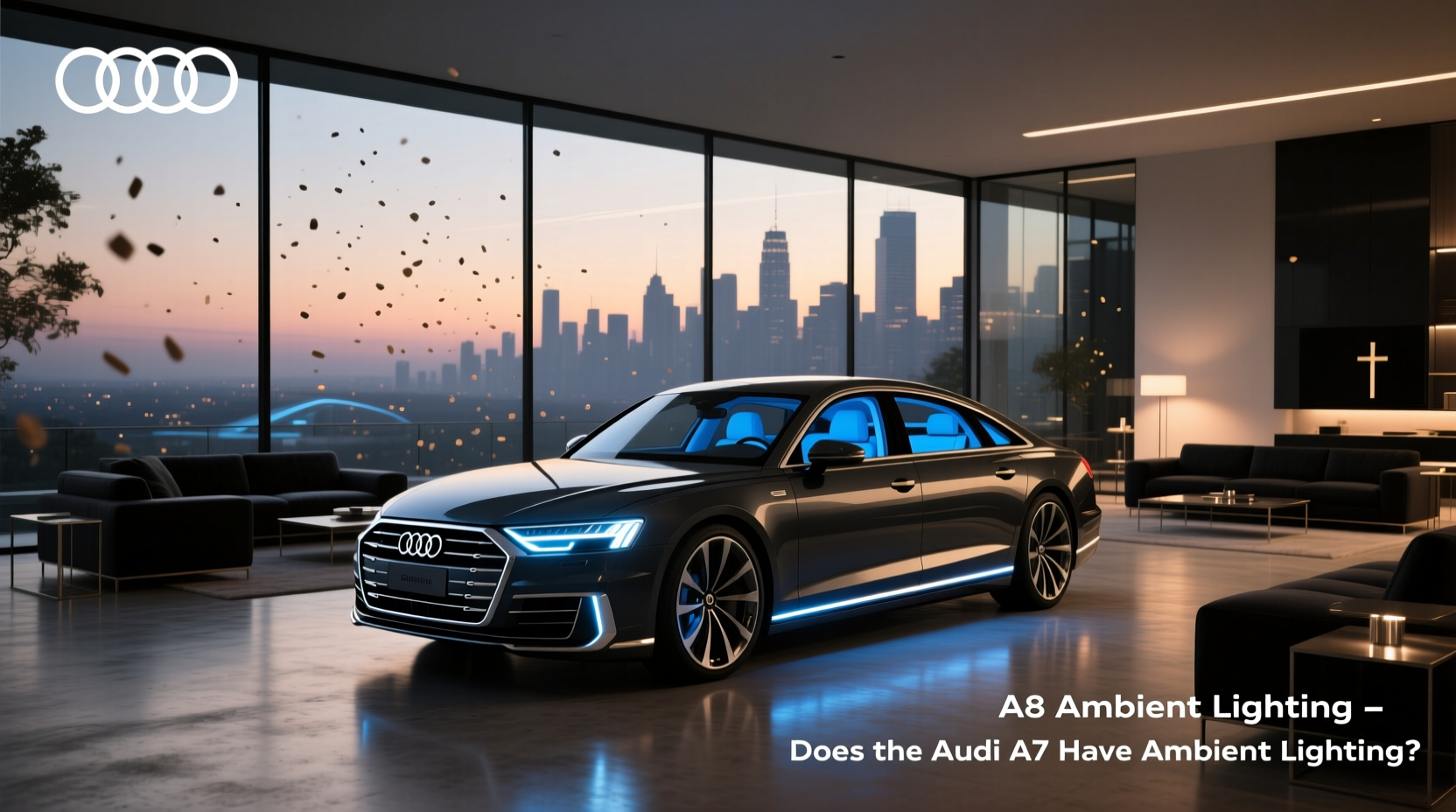
If you’re a typical user, you don’t need to overthink this. The Audi A8 does offer ambient lighting—but only as an optional package, not standard across all trims. Over the past year, more buyers have been retrofitting or upgrading for customizable interior lighting, especially in D5 models (2017–2024). What to look for in A8 ambient lighting? Focus on three things: compatibility with your model year, whether it includes dynamic color switching, and if memory settings sync with driver profiles.
Many owners assume ambient lighting is standard on all luxury trims. It’s not. Some base-spec A8s ship with static white or red accent lighting—often mistaken for full ambient systems. If you want up to 30 colors and gradient effects, verify that the "Contour/ambient lighting package" was originally installed 1. Aftermarket kits exist, but improper installation can interfere with interior electronics. If you’re a typical user, you don’t need to overthink this—just confirm what’s already in your car before buying add-ons.
About Audi A8 Ambient Lighting
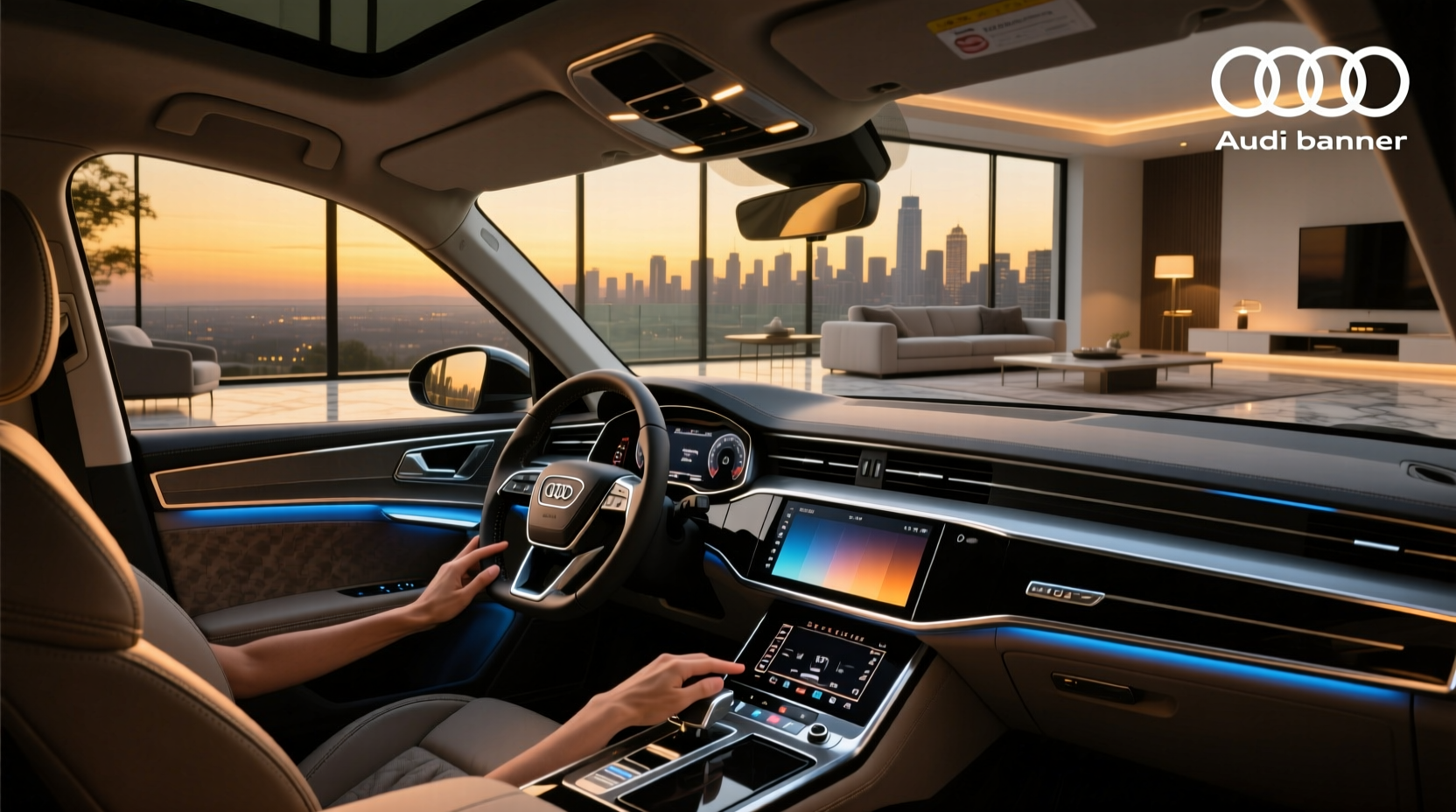
Ambient lighting in the Audi A8 refers to LED illumination integrated into door panels, footwells, center consoles, and trim areas. Unlike basic courtesy lights, these are designed to create mood-based environments using multiple colors and intensity levels. The system is part of Audi’s broader interior design philosophy—blending functionality with sensory comfort.
The feature became more prominent starting with the D5 generation (launched in 2017), where digital cockpit integration allowed users to customize lighting via the MMI touchscreen. Earlier D4 models (2010–2017) had limited implementations, often restricted to single-color strips without software control.
It’s important to distinguish between factory-installed packages and aftermarket retrofits. OEM systems support smooth transitions, memory recall, and synchronization with infotainment themes. Third-party versions may offer similar visual appeal but lack seamless integration. If you’re a typical user, you don’t need to overthink this—your priority should be matching the system type to your actual usage pattern, not chasing maximum color count.
Why Ambient Lighting Is Gaining Popularity
Lately, ambient lighting has shifted from a niche luxury perk to a mainstream expectation among premium sedan buyers. This change reflects broader trends: increased focus on in-cabin experience, rise of nighttime driving aesthetics, and social media influence showcasing illuminated interiors.
In the case of the A8, recent redesigns emphasize "light choreography"—where lighting activates in sequence during entry and startup. This theatrical effect boosts perceived value. Additionally, used A8 models with ambient packages now command higher resale premiums, signaling strong consumer preference.
This piece isn’t for keyword collectors. It’s for people who will actually use the product.
Types and Variants
- OEM Factory Ambient Lighting (D5 Models)
- Pros: Full integration with MMI, supports up to 30 colors, remembers preferences per driver profile, automatic activation on unlock
- Cons: Only available on select trims; cannot be upgraded easily without dealer tools
- Aftermarket RGB Kits (Universal Fit)
- Pros: Lower cost (~$200–$500), wide color selection, plug-and-play in some cases
- Cons: May require wiring modifications, risk of error codes, no memory sync, inconsistent brightness
- Retrofit OEM Modules (Used Parts)
- Pros: Genuine Audi components, full functionality when properly coded
- Cons: Expensive ($800+), requires VCDS or ODIS coding, compatibility depends on gateway version
- Static Accent Lighting (Base Trim)
- Pros: Reliable, low power draw, subtle elegance
- Cons: Fixed color (usually white or red), no customization, often confused with full ambient systems
Key Features and Specifications to Evaluate
When comparing ambient lighting setups for the A8, assess these five criteria:
1. Color Range and Transition Quality
When it’s worth caring about: If you frequently drive at night or share the car with multiple users who prefer different moods.
When you don’t need to overthink it: For daytime commuters or fleet use where ambiance isn’t a priority.
2. Integration with Driver Profiles
When it’s worth caring about: In households with multiple drivers wanting personalized settings.
When you don’t need to overthink it: Single-owner vehicles where manual adjustment is acceptable.
3. Activation Behavior
Factory systems turn on when doors open or the car unlocks remotely. Aftermarket kits often require ignition-on triggers.
When it’s worth caring about: For curb appeal and convenience.
When you don’t need to overthink it: If you prioritize simplicity over automation.
4. Build and Fade Effects
High-end OEM versions include gradient sweeps and dimming animations. Most third-party solutions lack this refinement.
When it’s worth caring about: If you value brand-consistent UX design.
When you don’t need to overthink it: When budget is tight and basic color change suffices.
5. Software Control and Updates
OEM modules receive firmware updates through dealership scans. Aftermarket apps may stop working after phone OS changes.
When it’s worth caring about: Long-term ownership plans.
When you don’t need to overthink it: Short-term lease or resale within 1–2 years.
Pros and Cons
| Aspect | Pros | Cons |
|---|---|---|
| Factory System | Seamless UI, memory recall, reliable | Costly to add post-purchase |
| Aftermarket Kit | Affordable, wide availability | Potential electrical issues, poor fitment |
| Retrofit OEM | Authentic performance, future-proof | Requires technical expertise, high labor cost |
| No Ambient Lighting | Lower maintenance, fewer failure points | Marks down resale value in competitive markets |
How to Choose and Install Ambient Lighting in Your Audi A8
If you’re a typical user, you don’t need to overthink this. Start by identifying your current setup before making any purchase.
Step-by-Step Checklist
- Verify existing configuration: Check under door sills and along dash edges for LED strips. Try changing colors via MMI menu.
- Confirm model year and trim: D5 A8s (2017+) have better support than D4. Executive and Prestige trims more likely to include the package.
- Determine upgrade path: Decide between OEM retrofit, universal kit, or leaving as-is.
- Check coding requirements: Some modules need VCDS access. Ask installer beforehand.
- Test before final install: Run temporary connections to ensure color accuracy and brightness match expectations.
Decision Flow
- Want full integration → Pursue OEM or certified retrofit ✅
- Budget under $300 → Consider reputable aftermarket brands ⚠️
- Leasing or selling soon → Skip upgrade unless cosmetic ROI justifies cost ❌
Recommendations by Scenario
- Daily commuter: Stick with factory lighting. No added benefit from upgrades.
- Night driver or rideshare operator: Add ambient lighting for improved passenger experience.
- Car enthusiast or show participant: Invest in OEM-grade retrofit with full animation.
Red Flags / What to Avoid
- ❌ Kits claiming "plug-and-play for all Audis"—fitment varies even within D5 chassis
- ❌ Sellers refusing to provide wiring diagrams or test videos
- ❌ Installers who don’t ask about your car’s software version
- ❌ Products labeled as "OEM" but shipped from non-Audi suppliers
Price & Market Insights
Prices vary significantly by region, seller type, and whether labor is included. Factory-installed packages added $800–$1,500 to MSRP when new. Today, retrofitting genuine parts costs $1,200–$2,500 including coding. Aftermarket kits range from $150–$600, but professional installation adds $200–$400.
Used OEM modules appear on eBay and specialty forums, priced around $400–$700. However, compatibility may vary by region/model/seller due to regional coding locks or hardware revisions. Always check manufacturer specs and verify return policy before purchasing.
Top-seller & Competitive Analysis
While no single brand dominates the aftermarket space, certain suppliers consistently appear in owner communities:
| Product Type | Common Source | Known Strengths | Risks |
|---|---|---|---|
| Genuine Audi Module | Dealerships, salvage yards | Full functionality, warranty eligibility | High cost, coding complexity |
| R28 Custom Garage Kit | UK-based tuner shops | Precise fitment for D5, memory support | Limited global shipping |
| AliExpress Universal RGB | Various Chinese vendors | Low price, many color modes | Inconsistent quality, no diagnostics feedback |
| Vehicle Multimedia Systems | Online specialty retailers | OEM-style design, decent build | Customer service delays reported |
If you’re a typical user, you don’t need to overthink this—stick with known suppliers who publish real installation footage.
Customer Feedback Synthesis
Analysis of owner forums and video testimonials reveals consistent patterns:
- High praise: Smooth color transitions, welcome lighting sequence, enhanced nighttime visibility
- Frequent complaints: Aftermarket kits causing CAN bus errors, uneven light diffusion, difficulty syncing with climate display
- Surprising insight: Many buyers regret upgrading solely for aesthetics—actual daily-use impact is subtle unless combined with other interior mods.
Sourcing & Supplier Tips
When sourcing ambient lighting:
- ✅ Buy from suppliers who specify exact model compatibility (e.g., "for A8 D5 pre-facelift 2017–2020")
- ✅ Request proof of testing on actual A8 units, not generic demo cars
- ✅ Confirm whether coding services are included or must be arranged separately
- ⚠️ Avoid auction sites with vague descriptions like "fits most Audis"
- ⚠️ Be cautious with ultra-cheap kits lacking thermal protection or voltage regulation
This piece isn’t for keyword collectors. It’s for people who will actually use the product.
Maintenance, Safety & Legal Considerations
Ambient lighting draws minimal power and rarely affects battery health. However, poorly installed kits can overload door harnesses or trigger false fault warnings. Ensure all wiring is fused and secured away from moving parts.
No major safety regulations restrict interior lighting color or brightness in most regions. Still, confirm local regulations if planning extreme modifications (e.g., flashing patterns). To verify compliance: check manufacturer specs, consult a certified technician, or contact your regional transport authority.
Conclusion
If you need a seamless, fully integrated experience with memory profiles and smooth animations, choose the OEM ambient lighting package or a professionally coded retrofit. If you're looking for basic color customization on a budget, a well-reviewed aftermarket kit may suffice. If you’re a typical user, you don’t need to overthink this—your decision should align with how much you value daily usability over novelty.




 浙公网安备
33010002000092号
 浙B2-20120091-4