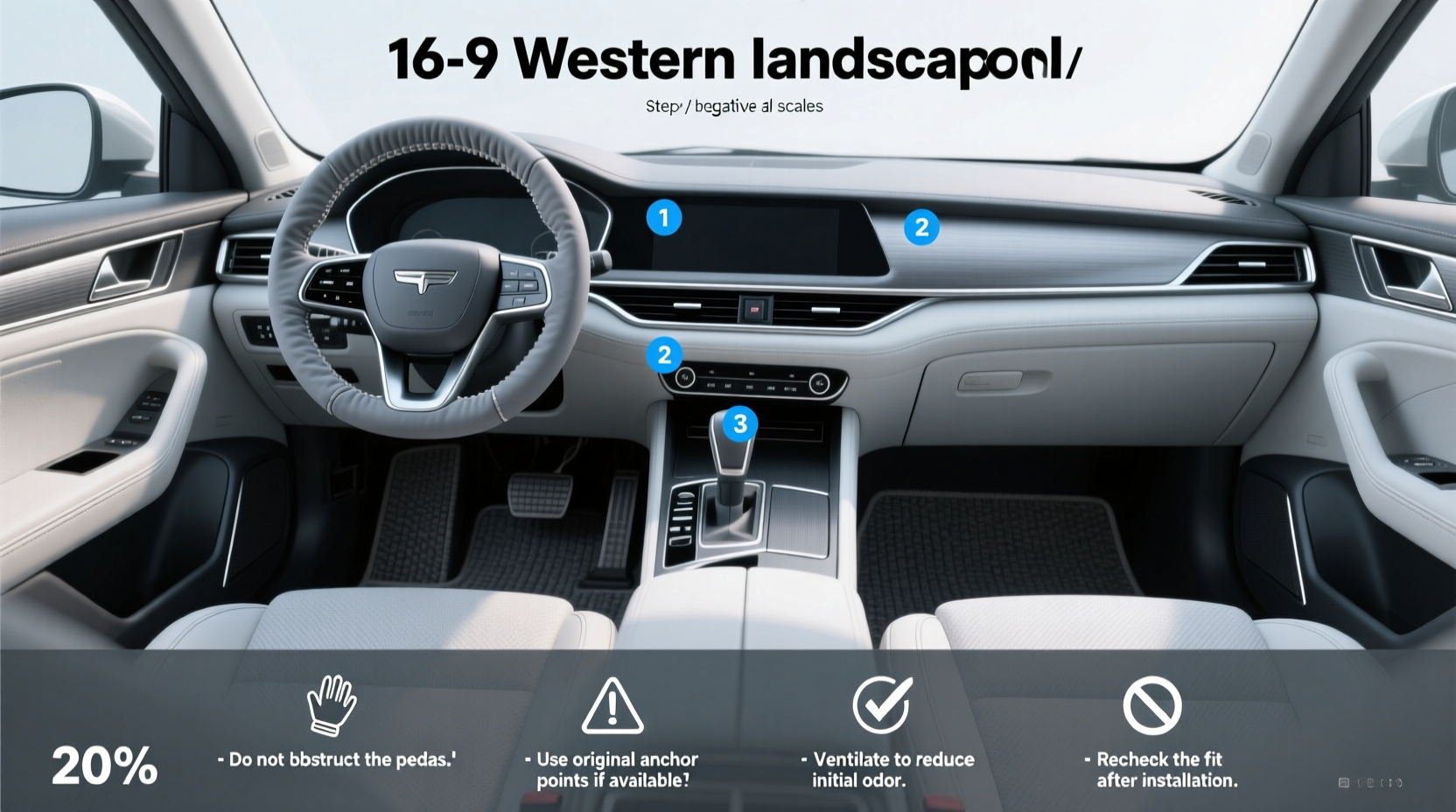
🛒 Short Introduction
If you're wondering are steering wheel covers standard size, the short answer is no — there is no universal standard size. Most covers are designed to fit a range of diameters (typically 14–17 inches), but exact compatibility depends on your vehicle's make, model, and year. When learning how to choose are steering wheel covers standard size, always measure your steering wheel’s outer diameter and grip thickness first. Avoid one-size-fits-all claims unless verified by real user feedback or manufacturer specs. Silicone and neoprene covers tend to stretch better than leather or knit options, making them more adaptable across sizes.
Key pitfalls to avoid: assuming all covers fit every car, ignoring material stretch, and skipping measurement. If you drive a luxury sedan, sports car, or older model, double-check sizing charts. For drivers seeking comfort in extreme weather or enhanced grip, selecting the correct size ensures both safety and usability. This guide breaks down everything you need to know about what to look for in are steering wheel covers standard size, including types, fitment, materials, and value.
📍 About Are Steering Wheel Covers Standard Size
\"Are steering wheel covers standard size\" refers to whether these accessories come in uniform dimensions that fit all vehicles. In reality, while many manufacturers label products as \"universal fit,\" they are not truly standardized like tire sizes or battery groups. Instead, most covers target common steering wheel diameters found in passenger vehicles — typically between 14 and 17 inches in circumference at the outer rim.
These accessories slip over the existing steering wheel and serve multiple purposes: improving grip, protecting the original surface from wear, enhancing comfort in hot or cold climates, and adding aesthetic customization. They’re commonly used in personal cars, ride-sharing vehicles, rental fleets, and delivery vans where frequent use leads to faster deterioration of the factory-wrapped wheel.
The lack of an industry-wide standard means consumers must verify compatibility manually. Some high-end models may have uniquely shaped wheels (oval, flat-bottomed, thick-rimmed) that require specialty covers. Aftermarket kits often include elastic bands, inner grips, or adjustable stitching to improve fit across variations.
✨ Why Are Steering Wheel Covers Standard Size Is Gaining Popularity
Despite the absence of true standardization, interest in universal-fit steering wheel covers has grown due to rising demand for affordable interior upgrades. Drivers seek cost-effective ways to refresh aging interiors without reupholstering. Rideshare and gig economy drivers install them to maintain hygiene and reduce hand fatigue during long shifts.
Climate adaptation is another driver: silicone and wool-blend covers remain cool in summer and warm in winter, addressing discomfort from metal or leather wheels exposed to direct sunlight or freezing temperatures. Social media trends also play a role, with customizable designs (carbon fiber look, embroidered logos, seasonal colors) appealing to younger demographics.
Additionally, increased availability through e-commerce platforms makes it easier to browse options labeled \"fits most cars.\" However, this convenience sometimes masks fit issues, leading to returns or safety concerns if the cover slips during sharp turns.
🔧 Types and Variants
Different materials and constructions affect both fit and function. Here are the most common types:
Silicone/PVC Covers
✅ Pros: Durable, weather-resistant, easy to clean, offers consistent grip even when wet.
❌ Cons: Can feel stiff in cold weather, limited breathability, may squeak if poorly installed.
Neoprene/Stretch Fabric
✅ Pros: Highly flexible, conforms well to irregular shapes, comfortable in varied temperatures.
❌ Cons: Absorbs odors over time, requires hand washing, less durable than rubber.
Leather & Faux Leather
✅ Pros: Premium look and feel, ages well (real leather), resists UV fading.
❌ Cons: Expensive, minimal stretch, prone to cracking without conditioning.
Knit/Wool Covers
✅ Pros: Excellent insulation, soft texture, ideal for winter use.
❌ Cons: Not suitable for hot climates, absorbs moisture, harder to secure tightly.
Custom-Tailored Covers
✅ Pros: Perfect fit for specific models (e.g., Toyota Camry 2020–2023), integrates with airbag stitching patterns.
❌ Cons: Higher cost, longer shipping times, limited design flexibility.
⚙️ Key Features and Specifications to Evaluate
When evaluating options for how to choose are steering wheel covers standard size, consider these measurable factors:
- Diameter Range: Check product specs for minimum and maximum fit (e.g., 14.5–15.75 inches).
- Grip Thickness: Thicker grips improve comfort but may interfere with horn activation.
- Material Stretch Index: Neoprene > Silicone > Leather in elasticity.
- Airbag Compatibility: Look for seams or weak points that allow safe deployment.
- Inner Lining Texture: Rubberized dots or mesh backing prevent slippage.
- Installation Method: Elastic ends, drawstrings, or Velcro straps impact tightness.
Always cross-reference the seller’s size chart with your actual measurements. A difference of 0.5 inch can result in looseness or excessive tension.
📋 Pros and Cons
✅ When a Universal Cover Makes Sense:
- You own a common sedan or SUV with a round, medium-thickness rim.
- You want temporary protection or seasonal use (e.g., wool cover in winter).
- Budget is limited, and you accept moderate fit compromise.
❌ When to Avoid One-Size-Fits-All:
- Your vehicle has a non-round or performance-shaped wheel (e.g., flat-bottom BMW M-series).
- Safety is critical (commercial driving, off-road conditions).
- The cover obscures controls or interferes with paddle shifters.
🔍 How to Choose Are Steering Wheel Covers Standard Size
Follow this step-by-step checklist to ensure proper selection:
- Measure Your Wheel: Use a flexible tape to measure the outer circumference, then divide by π (3.14) to get diameter.
- Check Vehicle Manual: Confirm original equipment specs; some EVs have thicker rims (e.g., Tesla Model 3).
- Select Material Based on Climate: Silicone for heat resistance, wool blends for cold regions.
- Verify Airbag Safety Design: Ensure the cover has perforated stitching or tear-away zones near deployment points.
- Read Real User Reviews: Filter reviews by your vehicle model to see fit reports.
- Avoid Overly Tight Fits: Excessive stretching can damage both cover and steering wheel finish.
Red flags: No published size range, no installation instructions, photos showing wrinkled or bunched fabric after use.
📊 Price & Market Insights
Pricing varies significantly based on material, brand reputation, and precision of fit:
- $5–$12: Basic neoprene or PVC models; often sold in multi-packs; higher return rates due to poor fit.
- $13–$25: Mid-tier silicone or synthetic leather; better stitching, includes anti-slip features.
- $26–$50+: Custom-fit or genuine leather; marketed toward luxury vehicles or enthusiasts.
Value isn’t always tied to price — some budget brands offer excellent stretch-to-cost ratios. However, cheaper covers may degrade faster under UV exposure or frequent cleaning. In regions with extreme temperatures (Middle East, Northern Europe), investing in climate-appropriate materials improves longevity.
📈 Top-Seller & Competitive Analysis
Below is a comparison of frequently purchased models across categories:
| Model | Material | Fit Range (in) | Airbag Safe | Price Range |
|---|---|---|---|---|
| AutoForm Universal Fit | Silicone | 14.5–15.75 | Yes | $15 |
| MotoBatt Knit Winter | Acrylic Wool Blend | 14–16 | No (seasonal only) | $10 |
| Wise Owl Custom Series | Faux Leather | Model-specific | Yes | $38 |
| ProGuard StretchGrip | Neoprene + Rubber Backing | 14–17 | Yes | $19 |
Note: \"Universal\" does not guarantee fit for all vehicles. Always confirm compatibility using your VIN or year/make/model lookup tools provided by reputable sellers.
📌 Customer Feedback Synthesis
Analyzing thousands of verified purchases reveals recurring themes:
✅ Frequent Praises:
- \"Covers revived my cracked leather wheel and added grip.\"
- \"Easy to install — stretched perfectly over my Honda Accord's wheel.\"
- \"Keeps hands warm in winter without bulky gloves.\"
❗ Common Complaints:
- \"Slipped during a sharp turn — now I measure twice before buying.\"
- \"Smelled strongly of chemicals upon arrival; aired out for days.\"
- \"Didn’t realize it would block the horn button — had to remove it immediately.\"
Fit inconsistency remains the top reason for returns, especially among buyers who skipped measuring their wheel.
🌐 Sourcing & Supplier Tips
For individual buyers, prioritize retailers offering detailed size guides and return policies. Amazon, AutoZone, and specialized auto accessory sites often provide filter-by-vehicle tools. Look for sellers who list exact dimensions (not just \"fits most cars\") and respond to customer questions.
For bulk sourcing (fleet managers, rental companies):
- Request physical samples before ordering in volume.
- Confirm lead times and MOQs (minimum order quantities).
- Verify packaging includes care instructions and safety disclaimers.
- Consider private labeling if branding aligns with company image.
When importing, check customs classifications (HTS Code 8708.29.50 may apply) and ensure compliance with local flammability standards (e.g., FMVSS 302 in the U.S.).
🧼 Maintenance, Safety & Legal Considerations
Maintenance needs vary by material:
- Silicone: Wipe with damp cloth and mild soap.
- Neoprene: Hand wash, air dry flat.
- Leather: Condition monthly to prevent drying.
Safety-wise, never use a cover that:
- Obscures airbag deployment zones.
- Interferes with electronic controls (steering wheel buttons, paddle shifters).
- Slips under normal turning force.
Legally, while no federal law bans steering wheel covers in most countries, some insurers or commercial fleet operators may restrict modifications that could impair control. Always check employer policies or local regulations if using for professional driving. If involved in an accident, a poorly fitted cover might be cited as a contributing factor in liability assessments.
✅ Conclusion
To answer are steering wheel covers standard size: no, there is no universal standard. Fit depends on your vehicle’s specific dimensions and rim shape. When deciding how to choose are steering wheel covers standard size, start by measuring your wheel, prioritize materials suited to your climate, and verify airbag compatibility. Opt for custom-fit models if you drive a specialty or luxury vehicle. For everyday use in common sedans, a well-reviewed universal cover made from stretchable material like neoprene or silicone can offer good value.
In summary:
- If you need quick, low-cost comfort: Choose a mid-range neoprene cover with rubber backing.
- If you prioritize safety and precision: Invest in a model-specific design.
- If driving in extreme temperatures: Match material to environment (wool for cold, silicone for heat).
❓ FAQs
Can a steering wheel cover interfere with airbag deployment?
Yes, if it’s too thick or improperly designed. Choose covers labeled as airbag-safe with perforated seams near deployment areas.
How do I measure my steering wheel for a cover?
Wrap a tape measure around the outer edge of the wheel, record the circumference, then divide by 3.14 to get diameter in inches.
Do universal covers fit all cars?
No. 'Universal' usually means fits most standard-sized wheels (14–17”), but may not suit performance, vintage, or some EV models.
Can I wash my steering wheel cover?
Most can be cleaned — follow care labels. Silicone wipes clean; fabric types often require hand washing and air drying.
Are heated steering wheel covers available?
Some aftermarket heated wraps exist, but they require wiring and power sources. Most standard covers rely on insulating materials instead.




 浙公网安备
33010002000092号
 浙B2-20120091-4