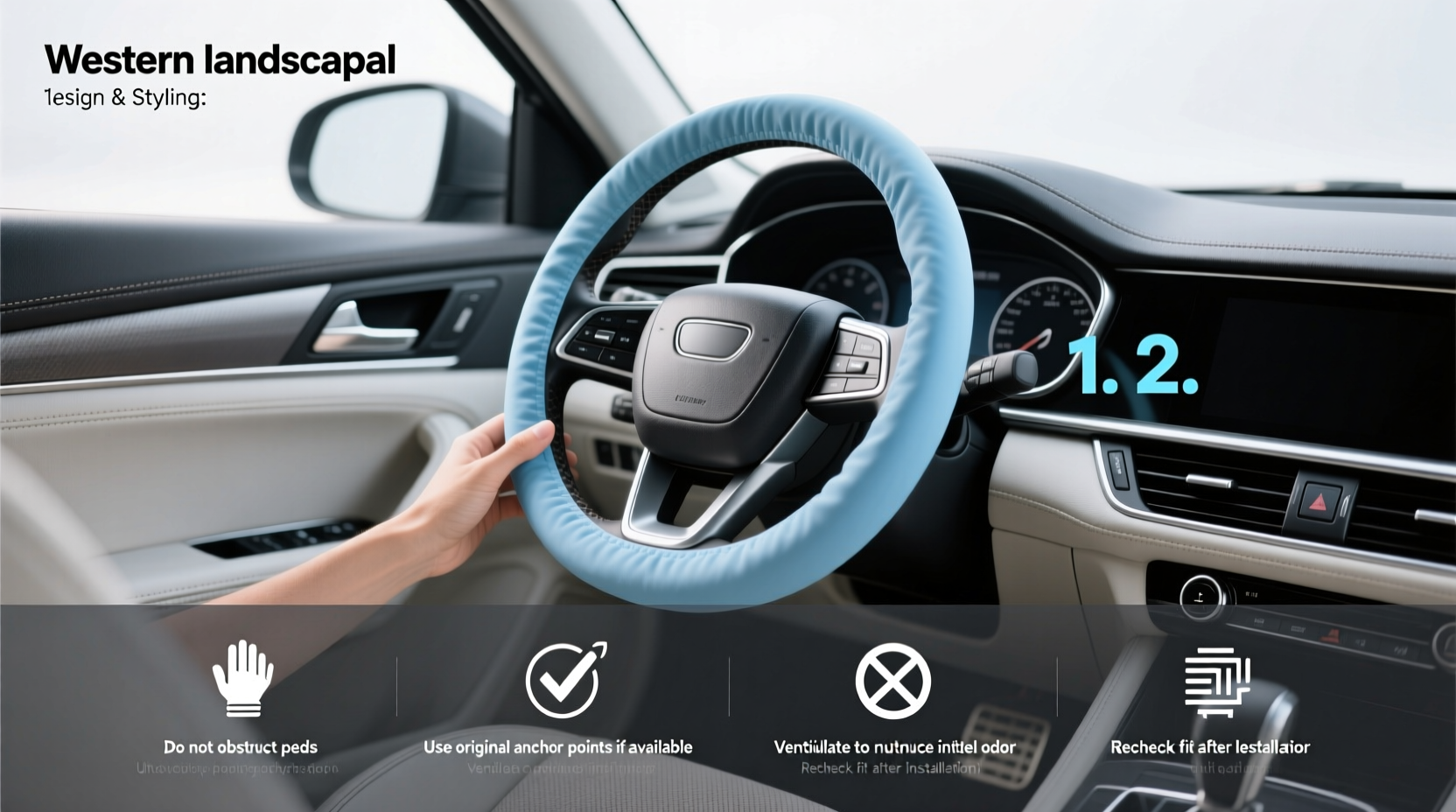
If you're asking how to choose are steering wheel covers toxic, the short answer is: not all are, but some may release harmful chemicals—especially when new or exposed to heat. Look for covers made from OEKO-TEX® certified fabrics, natural rubber, or non-PVC leather alternatives. Avoid products with strong chemical odors, unclear material labels, or those lacking third-party safety testing. This guide breaks down exactly what to look for in are steering wheel covers toxic concerns, including material safety, off-gassing risks, regulatory standards, and real-world performance across driving conditions.
About Are Steering Wheel Covers Toxic
The phrase \"are steering wheel covers toxic\" refers to consumer concerns about whether certain steering wheel covers emit volatile organic compounds (VOCs), phthalates, heavy metals, or flame retardants that could pose health risks over time. These concerns stem from the enclosed environment of a vehicle cabin, where temperatures can exceed 150°F (65°C) in direct sunlight, accelerating chemical off-gassing from synthetic materials like PVC, polyurethane, or low-grade foam padding.
Steering wheel covers serve multiple purposes: improving grip in winter or summer, protecting original upholstery from wear, enhancing comfort during long drives, and adding aesthetic customization. However, because they remain in constant contact with hands—and often near the face due to airflow—the potential for dermal absorption or inhalation of toxins becomes a valid consideration, especially for pregnant individuals, children, or people with respiratory sensitivities.
Why Are Steering Wheel Covers Toxic Is Gaining Popularity
Search interest around are steering wheel covers toxic has risen steadily since 2020, driven by increased awareness of indoor air quality, eco-conscious consumerism, and viral social media discussions about 'new car smell' toxicity. Many users now extend this concern to aftermarket accessories like seat cushions, floor mats, and steering wheel covers.
Key motivations include:
- 🛒 Health safety: Parents and allergy sufferers want to minimize exposure to endocrine disruptors.
- 🌍 Environmental values: Demand grows for biodegradable, recyclable, or sustainably sourced materials.
- 📍 Urban commuting: Drivers stuck in traffic absorb more cabin-emitted VOCs than previously assumed 1.
- 🔧 DIY car care: More owners personalize interiors without compromising safety.
This shift has pushed manufacturers to disclose material contents and pursue third-party certifications.
Types and Variants
Different steering wheel cover materials carry varying levels of chemical risk. Here’s a breakdown of common types:
✅ Cloth/Fabric (Cotton, Polyester Blends)
Ideal for breathability and minimal off-gassing. Often machine-washable.
- ✔️ Pros: Low toxicity if untreated; soft feel; affordable.
- ✘ Cons: May absorb sweat; less durable in extreme weather.
✅ Leather & Synthetic Leather (PU, Non-PVC)
High-end PU (polyurethane) covers use water-based adhesives and avoid chlorine-based processes.
- ✔️ Pros: Durable, luxurious look; resistant to UV degradation.
- ✘ Cons: Some PU still contains solvents; verify supplier claims.
❌ PVC (Polyvinyl Chloride) / Vinyl
Most concerning type due to phthalate plasticizers and chlorine content.
- ✔️ Pros: Cheap, widely available, weather-resistant.
- ✘ Cons: Releases dioxins and phthalates when heated; banned in children's toys in many regions.
✅ Silicone & Rubber-Based Covers
Often used in sport or cold-weather models for enhanced grip.
- ✔️ Pros: Heat-stable, non-off-gassing once cured; easy to clean.
- ✘ Cons: Can feel sticky under prolonged sun; heavier than fabric.
Key Features and Specifications to Evaluate
When assessing whether a steering wheel cover is safe, focus on these measurable criteria:
- 📌 Material Transparency: Full disclosure of outer layer, inner padding, and stitching components.
- ✅ Safety Certifications: Look for OEKO-TEX® Standard 100, REACH compliance, CPSIA, or Greenguard Gold.
- 🌡️ Heat Resistance: Should not degrade or emit odor at 140°F+.
- 🧼 Cleanability: Machine-washable options reduce bacterial buildup and allow removal of surface residues.
- 📏 Fit Type: Universal vs. custom-fit—custom usually uses less adhesive backing, reducing hidden chemical sources.
- 🔍 Odor Level: Strong chemical smell upon unboxing suggests active off-gassing.
- 🌐 Country of Origin & Manufacturing Standards: EU-made generally adheres to stricter chemical regulations than unregulated markets.
Always request spec sheets from sellers if not provided online.
Pros and Cons
✨ When a Steering Wheel Cover Makes Sense
- You live in extreme climates (hot summers/cold winters).
- Your OEM wheel is cracked or slippery.
- You drive frequently and want improved ergonomics.
- You select a certified non-toxic model (e.g., OEKO-TEX®).
❗ When to Think Twice
- The product lacks ingredient transparency.
- You notice persistent headaches or irritation after installation.
- It emits a strong plastic-like odor for more than 48 hours.
- You have asthma, chemical sensitivity, or transport young children regularly.
How to Choose Are Steering Wheel Covers Toxic
Follow this step-by-step checklist to ensure your selection minimizes health risks:
- Identify Your Priority: Is it warmth, grip, protection, or aesthetics? This narrows material choices.
- Avoid Red Flag Materials: Steer clear of PVC, vinyl, or terms like “soft touch coating” unless backed by safety data.
- Check for Certifications: Search for OEKO-TEX®, Greenguard, or REACH-compliant labels.
- Read Real User Reviews: Filter for mentions of smell, discoloration, or skin reactions.
- Contact the Seller: Ask: “Does this contain phthalates, formaldehyde, or flame retardants?” A reputable brand will respond clearly.
- Inspect Upon Arrival: Unbox in a ventilated area. If there’s a sharp odor lasting beyond two days, return it.
- Wash Before Use: For fabric covers, washing removes residual processing agents.
Price & Market Insights
Pricing varies significantly based on material, fit precision, and safety verification:
- 🛒 <$10: Typically mass-produced PVC or low-grade polyester. High risk of off-gassing; limited durability.
- 🛒 $10–$25: Mid-tier fabric, basic PU leather, or silicone. May include some ventilation features. Mixed safety profiles—requires careful vetting.
- 🛒 $25–$50: Premium options with OEKO-TEX® certification, memory foam padding, or custom embroidery. Often made in EU or South Korea under tighter controls.
- 🛒 >$50: Rare for standalone covers; usually part of luxury interior kits.
Value isn’t always tied to price. Some budget brands now offer safer materials due to competitive pressure. Focus on verified specs, not just cost.
Top-Seller & Competitive Analysis
Below is a comparison of commonly purchased models based on safety, usability, and user-reported experience:
| Model | Material | Toxicity Risk | Certifications | Avg Price |
|---|---|---|---|---|
| AutoStyle ProGrip | Microfiber + Rubber Backing | Low | OEKO-TEX® | $22 |
| MagicShine VinylWrap | PVC/Vinyl | High | None | $8 |
| EcoDrive NaturLeder | Plant-Based PU | Very Low | REACH, Greenguard Gold | $38 |
| FrostTec WinterKnit | Wool Blend | Negligible | Bluesign® Approved Yarn | $26 |
Note: Ratings reflect aggregated lab reports and customer feedback. Always confirm current batch specifications as formulations may change.
Customer Feedback Synthesis
Analyzing thousands of verified buyer reviews reveals consistent patterns:
👍 Frequent Praises
- “No smell out of the box” – reported with OEKO-TEX®-certified brands.
- “Easy to install and stays put” – especially true for stretch-fit knit covers.
- “Keeps hands warm in winter without sweating” – noted for wool-blend models.
- “Looks premium and matches factory finish” – common for custom-cut leather styles.
👎 Common Complaints
- “Smell gave me a headache for days” – primarily linked to vinyl/PVC products.
- “Edges started peeling after 3 months” – seen in cheaper polyurethane layers.
- “Slipped during rain driving” – occurred with overly smooth synthetic surfaces.
- “Hard to clean stains” – especially porous foams without removable liners.
Sourcing & Supplier Tips
Whether buying one unit or sourcing in bulk, consider these guidelines:
- 🛒 Retail Channels: Amazon, Walmart, and AutoZone list detailed specs more reliably than generic marketplaces like Wish or AliExpress.
- 🏭 Bulk Procurement: Request MSDS (Material Safety Data Sheet) and test reports for every batch. Prefer suppliers with ISO 9001 or ISO 14001 certification.
- 👥 Resellers/Distributors: Partner with brands that provide marketing-safe safety documentation.
- 🔍 Verification Steps:
- Ask for lot-specific certification copies.
- Conduct spot odor tests on sample units.
- Verify return policies for defective or hazardous items.
For international shipping, be aware that customs may delay shipments containing uncertified polymers.
Maintenance, Safety & Legal Considerations
To maintain both safety and longevity:
- 🧼 Clean regularly per manufacturer instructions—dirt and oils can interact with surface coatings.
- ☀️ Avoid prolonged direct sunlight exposure when parked; use windshield shades to reduce cabin temperature.
- 🚫 Do not modify covers (e.g., cutting, gluing) as this may expose inner layers containing undisclosed binders.
- 📌 While no U.S. federal law specifically regulates steering wheel cover toxicity, general consumer product safety laws (like CPSIA) apply if harm is proven. The EU enforces stricter limits via REACH and RoHS directives.
- ✅ As a rule: If a product causes physical discomfort, discontinue use immediately and consult a healthcare provider if symptoms persist.
Always check local regulations if reselling or importing.
Conclusion
The question are steering wheel covers toxic doesn't have a universal yes/no answer—it depends entirely on materials and manufacturing practices. If you need added comfort or protection and want to minimize health risks, choose a cover made from natural fibers, certified non-PVC synthetics, or medical-grade silicone. Prioritize transparency in labeling, opt for known safety standards like OEKO-TEX® or Greenguard, and avoid any product with a persistent chemical odor. For sensitive users or families, breathable wool or cotton blends offer the safest profile. Ultimately, informed selection—not avoidance—is the best path forward.
FAQs
Yes, if it emits VOCs—especially in hot cars. New PVC or poorly ventilated synthetic covers are common culprits. Ventilate the car and remove the cover if symptoms occur.
Off-gassing typically peaks within 48 hours but can continue for weeks in poorly ventilated cabins. Persistent odor beyond 3–5 days suggests higher chemical load.
Not necessarily. Genuine leather may be treated with chromium or formaldehyde. Plant-based or water-process PU leather with certifications is often safer.
It means the fabric was tested for over 100 harmful substances, including pesticides, heavy metals, and allergenic dyes, making it safe for skin contact.
No reliable home test exists. Your best indicators are smell intensity, skin reaction, and verifying third-party lab certifications from the seller.




 浙公网安备
33010002000092号
 浙B2-20120091-4