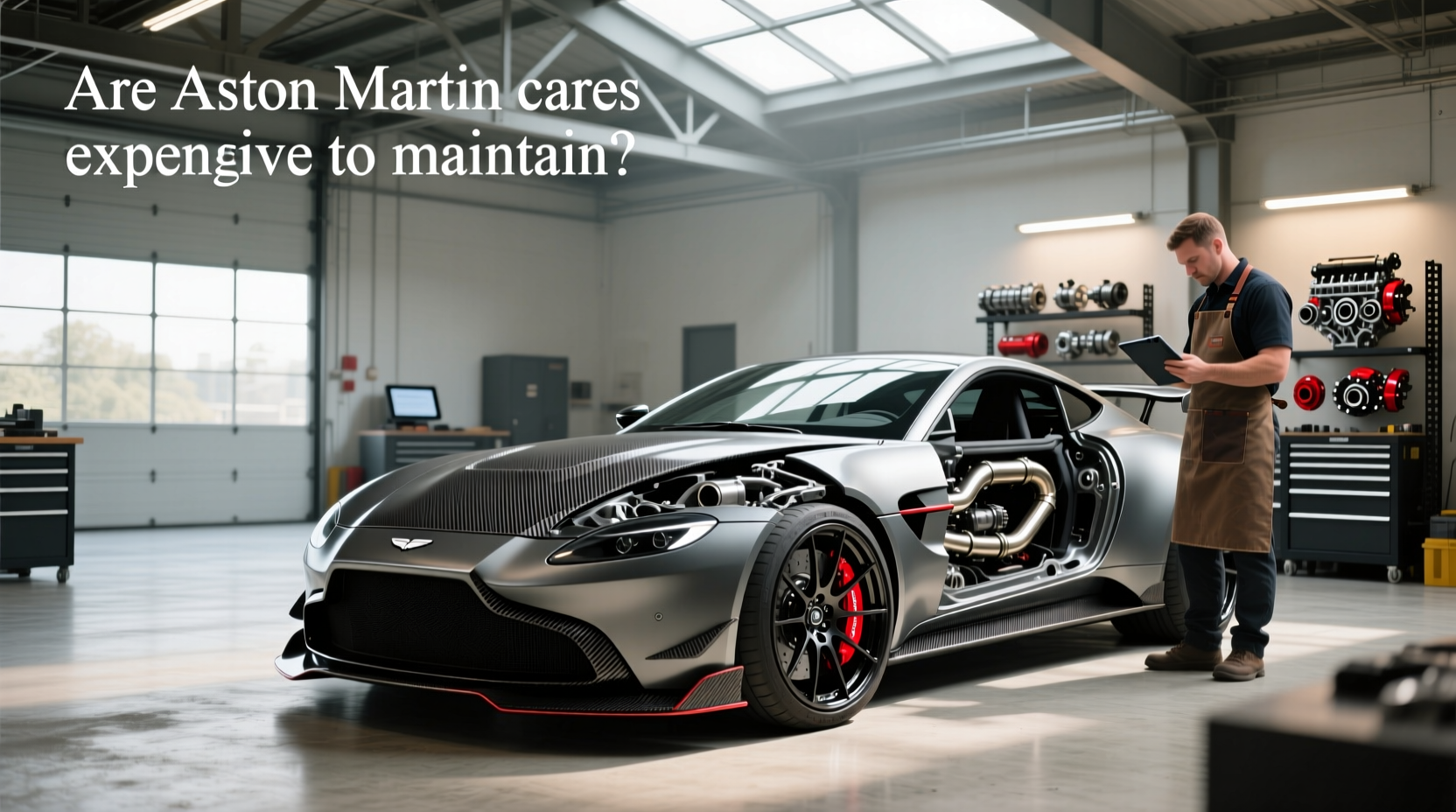
If you’re a typical user, you don’t need to overthink this: choosing between OEM and aftermarket parts for your Aston Martin comes down to budget, performance goals, and how much customization you want—routine maintenance is non-negotiable in cost, but smart sourcing helps. Over the past year, more owners have turned to independent specialists and verified aftermarket suppliers to manage escalating service bills, especially as factory labor rates climb. If you're asking how to choose Aston Martin aftermarket parts or what to look for in luxury sports car maintenance, focus on three things: compatibility with your model (V8 Vantage vs DB12 differ significantly), certification of replacement components, and whether the provider has documented fitment data. Avoid generic 'universal' parts—even small misalignments risk damaging carbon fiber panels or suspension geometry. This piece isn’t for keyword collectors. It’s for people who will actually use the product.
About Aston Martin Aftermarket Parts
Aston Martin vehicles sit at the intersection of grand touring elegance and high-performance engineering. While factory-original parts ensure precise tolerances and warranty compliance, they come at a steep premium. Aftermarket alternatives fill the gap for owners seeking cost-effective replacements or performance enhancements without sacrificing reliability. These include suspension kits, exhaust systems, brake assemblies, wheels, body styling elements, and interior trim upgrades specifically engineered for models like the DB11, Vantage, DBS Superleggera, and Valhalla.
The term “aftermarket” doesn’t imply inferior quality by default. Reputable manufacturers such as AMS Edition produce bolt-on components that meet or exceed OEM specifications through rigorous testing1. However, not all vendors are equal—some prioritize aesthetics over function, leading to fitment issues or premature wear. For Aston Martins, where panel gaps and aerodynamic balance are tightly calibrated, even minor deviations matter.

Why This Is Gaining Popularity
Lately, interest in Aston Martin aftermarket solutions has grown—not because owners distrust OEM quality, but because ownership economics have shifted. Factory service intervals remain aggressive, consumables are costly, and dealership labor rates often exceed $200/hour in major markets. Independent repair shops report increased demand for compatible third-party parts that offer comparable durability at lower price points.
Additionally, newer Aston Martin models now share platforms and components with Mercedes-AMG, including infotainment systems, ECUs, and certain engine variants2. This convergence opens doors for cross-compatible electronics and sensors, reducing dependency on proprietary channels. Enthusiasts also value personalization—aftermarket body kits, sport exhausts, and lightweight wheel options allow expression beyond factory offerings.
This piece isn’t for keyword collectors. It’s for people who will actually use the product.
Types and Variants
Performance-Oriented Aftermarket Parts
- Pros: Increased horsepower, improved throttle response, better cooling, track-ready braking
- Cons: May void warranty if not ECU-mapped correctly; requires professional installation
Examples: Cold air intakes, upgraded intercoolers, cat-back exhaust systems, coilover suspensions.
Aesthetic & Styling Upgrades
- Pros: Visual differentiation, enhanced curb appeal, resale value boost (if tastefully done)
- Cons: Risk of poor paint match, added weight, potential insurance implications
Examples: Front splitters, rear diffusers, carbon fiber hoods, custom badging.
OEM-Replacement Equivalent Parts
- Pros: Lower cost than dealer-sourced items, often faster shipping, same form/fit/function
- Cons: Quality varies; some lack corrosion protection or material grading documentation
Examples: Brake calipers, suspension arms, lighting units, HVAC modules.
Electronics & Infotainment Modules
- Pros: Modern features (Apple CarPlay retrofit), backup cameras, improved audio
- Cons: Integration complexity; CAN bus errors if improperly coded
Examples: Touchscreen head units, digital gauge clusters, wireless charging trays.

Key Features and Specifications to Evaluate
When assessing an aftermarket part, ask:
- Material Composition: Is it real carbon fiber or vinyl-wrapped fiberglass? Are suspension components forged aluminum or cast?
- Fitment Guarantee: Does the supplier list exact model years and VIN ranges?
- Certifications: Look for ISO 9001, TÜV, or SAE J2527 (for exterior parts).
- Warranty: Minimum one-year coverage indicates confidence in longevity.
- Installation Requirements: Will it need ECU tuning, welding, or structural modification?
When it’s worth caring about: Engine, drivetrain, braking, and steering components—failure risks safety or major damage.
When you don’t need to overthink it: Interior trim pieces, badges, non-load-bearing covers—if they fit and don’t rattle, function follows form.
If you’re a typical user, you don’t need to overthink this: cosmetic upgrades rarely affect long-term reliability unless poorly installed.
Pros and Cons
Advantages of Aftermarket Parts
- ✅ Cost savings up to 40% vs OEM (especially for wear items like brakes and tires)
- ✅ Greater variety in finishes, colors, and performance profiles
- ✅ Faster availability from global suppliers
- ✅ Potential performance gains (e.g., freer-flowing exhausts, stiffer bushings)
Drawbacks to Consider
- ❗ Inconsistent quality control across brands
- ❗ Warranty complications if used during factory-covered periods
- ❗ Fitment discrepancies requiring modifications
- ❗ Resale impact—purists may discount modified examples
How to Choose Aston Martin Aftermarket Parts
Selecting the right components involves more than price comparison. Follow this step-by-step approach:
Step-by-Step Checklist
- Determine your goal: cost reduction, performance gain, or aesthetic change
- Confirm compatibility with your specific model and production date
- Research manufacturer reputation (forums, owner groups, mechanic recommendations)
- Verify return policy and warranty terms
- Ensure installer has experience with Aston Martin systems
- Check emissions regulations if modifying intake/exhaust
Decision Flow
- Need replacement brake pads? → Prioritize certified OEM-equivalent over flashy branding
- Want louder exhaust note? → Research resonated vs non-resonated designs and local noise laws
- Upgrading wheels? → Match offset, center bore, and load rating exactly
- Installing electronics? → Use CAN-compliant modules with plug-and-play harnesses
Recommendations by Scenario
- Budget-Conscious Owner: Use reputable third-party suppliers for routine wear items (filters, wiper blades, bulbs)
- Track Enthusiast: Invest in performance brakes, cooling kits, and data loggers from known brands
- Daily Driver: Stick to OEM-spec replacements for reliability and comfort
- Show Car Builder: Select show-grade finishes with UV-resistant coatings
Red Flags / What to Avoid
- ❌ No contact information or physical address for seller
- ❌ Claims of “OEM quality” without test reports or certifications
- ❌ Universal fit claims for precision-engineered areas (e.g., suspension links)
- ❌ Prices significantly below market average—likely counterfeit or substandard materials
Price & Market Insights
Aston Martin maintenance costs may vary by region/model/seller but generally follow predictable patterns. Annual service packages range from $2,000 to $4,000+ depending on model and location3. Major repairs—such as transmission rebuilds or climate control module replacements—can exceed $10,000.
Aftermarket pricing reflects these pressures. A set of OEM-matched tires costs $1,800–$2,700; carbon-ceramic brake replacement runs $3,000–$4,500. Aftermarket alternatives may reduce these figures by 15–30%, though high-end performance parts sometimes cost more than stock due to superior materials.
If you’re a typical user, you don’t need to overthink this: routine upkeep is expensive regardless of part source, so focus spending where it matters—reliability-critical systems.
Top-Seller & Competitive Analysis
Several providers stand out in the Aston Martin aftermarket space:
| Brand | Specialty | Price Range | Availability | User Feedback |
|---|---|---|---|---|
| AMS Edition | Performance exhausts, body kits, suspension | $$$ | Global (direct online) | High marks for fitment accuracy and build quality |
| Brembo | Brake kits (OEM supplier and aftermarket) | $$–$$$ | Widely available | Trusted for stopping power and fade resistance |
| H&R Springs | Suspension lowering kits | $$ | Regional distributors | Reliable drop without harsh ride penalty |
| Unipart (Aston Martin Heritage) | OEM-replacement mechanical parts | $$–$$$ | Authorized channels | Factory-backed reliability, higher cost |
While AMS Edition leads in bespoke performance tuning, Brembo remains a top choice for safety-critical braking components. Unipart offers peace of mind for older models where original parts are discontinued.
Customer Feedback Synthesis
Analysis of owner forums, mechanic reviews, and service centers reveals consistent themes:
Common Praises
- Aftermarket exhausts deliver richer sound without check engine lights when properly designed
- Lightweight alloy wheels reduce unsprung mass, improving handling
- Independent shops using third-party sensors save hundreds on diagnostics
Frequent Complaints
- Poorly made body kits arrive with warped edges or incorrect mounting points
- Some electronic modules cause instrument cluster glitches post-installation
- Lack of technical support from overseas sellers delays resolution
Owners appreciate transparency in fitment guides and responsive customer service most.
Sourcing & Supplier Tips
To minimize risk when buying aftermarket parts:
- Source from companies with dedicated Aston Martin portfolios—not general European tuners
- Use platforms that provide real photos, CAD drawings, or installation videos
- Engage with owner communities (e.g., Aston Martin Club forums) for brand recommendations
- Verify return policies before purchase—especially for large or custom items
- Consider working with a specialist shop that stocks preferred brands
If you’re a typical user, you don’t need to overthink this: stick with vendors who publish detailed specs and have active support channels.
Maintenance, Safety & Legal Considerations
All modifications should maintain roadworthiness. Critical systems—brakes, steering, airbags—must retain full functionality. Aftermarket parts affecting emissions (intake, exhaust, ECU tuning) must comply with local regulations. In regions like California, CARB certification is required for legal operation.
To verify compliance:
- Check for EPA or CARB Executive Orders
- Confirm with installer prior to modification
- Retain documentation for inspection purposes
Safety recalls issued by Aston Martin apply regardless of aftermarket content. Always check official databases periodically, even if using third-party components elsewhere.
Conclusion
If you need reliable daily transportation with manageable running costs, consider whether an Aston Martin aligns with your priorities—maintenance will be expensive regardless of part choice. If you want personalized performance and accept higher upkeep, then carefully selected aftermarket parts from trusted developers like AMS Edition can enhance both driving experience and value retention. The decision isn’t about avoiding cost—it’s about directing it wisely.
Everything You Need to Know
Yes, Aston Martins typically require $2,000 to $4,000+ annually for routine servicing, with major repairs often exceeding $5,000. Costs stem from specialized labor, low-volume parts, and premium fluids. Using independent specialists and select aftermarket components can help manage expenses.
They can—if the part causes a failure covered under warranty. Modifications to engine, transmission, or electronics are most likely to trigger disputes. For out-of-warranty vehicles, this concern diminishes significantly. Always disclose modifications during service.
Reputable sources include AMS Edition for performance upgrades, Brembo for braking systems, and Unipart for OEM-equivalent mechanical components. Verify compatibility, read user feedback, and ensure return policies are clear before purchasing.
Simple items like cabin filters or floor mats are DIY-friendly. However, performance, electrical, or safety-related components should be installed by technicians experienced with Aston Martin systems to avoid damage or malfunction.
Yes—modifications affecting emissions or noise levels may violate local laws. In areas like California, CARB certification is mandatory for exhaust and intake changes. Always confirm regulatory compliance before installation.




 浙公网安备
33010002000092号
 浙B2-20120091-4