
Audi Prestige vs Premium Plus: What to Look for When Choosing
If you’re trying to decide between the Audi Premium Plus and Prestige trims, here’s the bottom line: Prestige offers more advanced technology, superior comfort features, and upgraded interior materials. If you want a head-up display, ventilated or massaging front seats, four-zone climate control, and enhanced driver assistance systems, Prestige is the way to go. Premium Plus delivers strong value with key upgrades like the Top-View camera, heated rear seats, and a premium audio system—ideal if you don’t need the top-tier extras. Over the past year, more buyers have been scrutinizing trim differences due to rising vehicle prices and longer ownership periods, making each feature choice more consequential. How to choose? Focus on which features you’ll actually use daily—not just list appeal.
If you’re a typical user, you don’t need to overthink this. Most drivers fall into one of two camps: those who appreciate subtle luxury and seamless tech integration, and those who prioritize function over refinement. This piece isn’t for keyword collectors. It’s for people who will actually use the product.
About Audi Trim Levels
Audi structures its models around tiered trim levels: Premium (base), Premium Plus, and Prestige (top). While exact names may vary slightly by model—such as S line or S Edition—the progression remains consistent. Each step up adds meaningful features in technology, comfort, safety, and materials. The jump from Premium to Premium Plus is often seen as the sweet spot for well-equipped daily drivers. The move from Premium Plus to Prestige targets users seeking a near-luxury experience with fewer compromises.
The distinction isn’t just about added gadgets. It reflects different philosophies: Premium Plus enhances usability; Prestige elevates perception. That said, not all upgrades translate to real-world impact. For example, a head-up display (HUD) might seem essential until you realize it only matters during long highway commutes. Similarly, massaging seats feel indulgent—but how often do they run?
Why the Prestige vs Premium Plus Decision Is Gaining Popularity
Lately, consumers are holding vehicles longer and financing higher MSRP tags, increasing scrutiny on trim selection. With average new car loans now stretching beyond 70 months, buyers want confidence that their upgrade choices justify the cost. This shift has made the difference between Premium Plus and Prestige more than a checklist exercise—it’s a lifestyle alignment decision.
Another factor: automakers are consolidating options packages. Where once you could mix and match standalone features, many now come bundled exclusively within higher trims. As a result, skipping Prestige means forfeiting entire categories of tech or comfort—even if you only wanted one item from the bundle. That forces trade-offs that weren’t as pronounced five years ago.
If you’re a typical user, you don’t need to overthink this. Ask whether you’d miss a feature enough to pay $2,500–$4,000 extra over the life of ownership. If not, stick with Premium Plus.

Types and Variants Across Models
The availability of Prestige and Premium Plus varies by model. In sedans like the A4 and A6, both trims are standard offerings. In SUVs like the Q5 and Q8, Prestige may be labeled as “Prestige Plus” or include performance-linked enhancements in SQ models.
Premium Plus (Mid-Tier)
- Pros: Balanced feature set, includes adaptive lighting, Top-View camera, blind-spot monitoring, heated front seats, and often a Bang & Olufsen audio upgrade.
- Cons: No head-up display, limited seat ventilation options, passenger memory settings usually absent, rear climate controls basic.
Prestige (Top-Tier)
- Pros: Adds head-up display, ventilated and often massaging front seats, four-zone automatic climate control, passenger seat memory, enhanced LED matrix headlights, and sometimes dual-pane acoustic glass.
- Cons: Significantly higher price, some features underutilized by average drivers, resale premium may not offset initial cost.
If you’re a typical user, you don’t need to overthink this. The real question isn’t what the trim includes—but how much of it aligns with your routine.
Key Features and Specifications to Evaluate
When comparing Prestige and Premium Plus, focus on these five areas—and know when each matters.
Technology: Head-Up Display vs Top-View Camera
When it’s worth caring about: If you spend hours on highways, the head-up display reduces eye movement and improves situational awareness. It projects speed, navigation, and cruise settings onto the windshield.
When you don’t need to overthink it: City drivers or those who glance at gauges naturally gain little benefit. The Top-View camera in Premium Plus is arguably more useful for parking and tight maneuvers.
Comfort & Interior: Ventilation, Massage, Memory Seats
When it’s worth caring about: Hot climates make ventilated seats valuable. Long-distance commuters benefit from massage functions. Families with shared driving appreciate passenger memory presets.
When you don’t need to overthink it: If you drive short distances or live in mild weather, these are luxuries, not necessities. Heated seats alone may suffice.
Materials & Design: Trim, Leather, Acoustic Glass
When it’s worth caring about: Gloss wood inlays, Nappa leather, and dual-pane glass noticeably improve cabin ambiance and noise isolation—important for audiophiles or frequent road-trippers.
When you don’t need to overthink it: For most urban commutes, standard leather and aluminum trim offer sufficient polish. Cabin quietness depends more on tire choice than window glass.
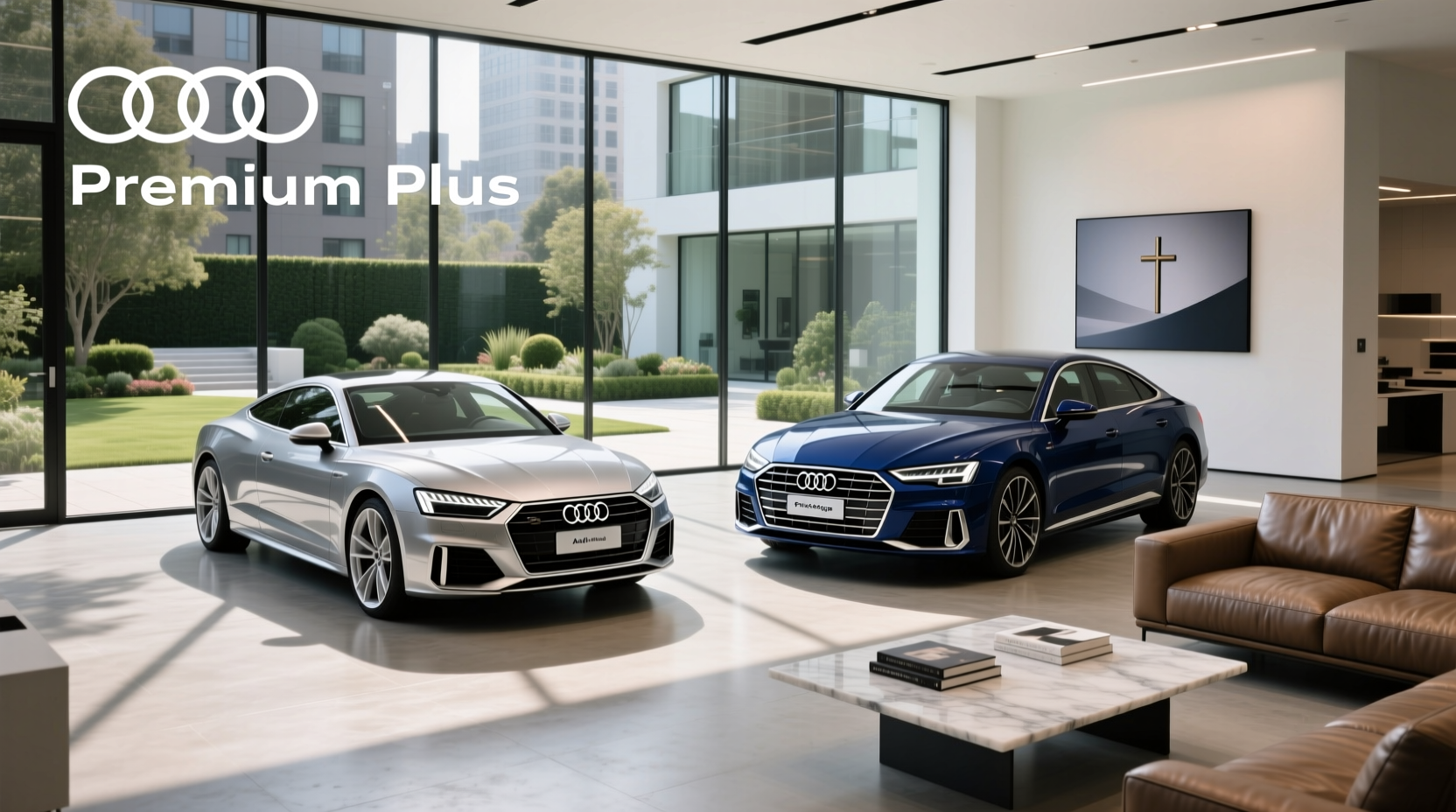
Audio & Sound: Bang & Olufsen Systems
When it’s worth caring about: Both trims often include premium audio, but Prestige may add more speakers or amplifier power. Critical listeners using lossless files will notice the difference.
When you don’t need to overthink it: Most people stream compressed audio (Spotify, Apple Music). In that case, even the base premium sound system performs well. Upgrade only if music is central to your drive experience.
Driver Assistance: Advanced Safety Bundles
When it’s worth caring about: Prestige typically includes full-speed adaptive cruise, lane-centering assist, and exit warning systems. These help reduce fatigue on long trips.
When you don’t need to overthink it: Premium Plus already includes core safety tech like forward collision warning and blind-spot monitoring—adequate for daily driving. True hands-free capability isn’t offered regardless of trim.
Pros and Cons Summary
| Aspect | Premium Plus | Prestige |
|---|---|---|
| Price Increase Over Base | Moderate (+$3K–$5K) | Significant (+$6K–$9K) |
| Core Tech Upgrades | Top-View camera, adaptive lights | HUД, advanced lighting, remote park assist |
| Seat Features | Heated front, optional rear heat | Ventilated/massaging front, memory passenger seat |
| Cabin Comfort | Three-zone climate, standard leather | Four-zone climate, upgraded materials, quieter ride |
| Audio System | Bang & Olufsen (15–17 speakers) | B&O (18+ speakers, subwoofer tuning) |
| Safety Suite | Blind-spot, lane-departure, traffic sign recognition | Adds exit warning, trailering assist, predictive efficiency |
| Best For | Value-focused drivers wanting key upgrades | Luxury seekers prioritizing refinement and convenience |
If you’re a typical user, you don’t need to overthink this. The added cost of Prestige should reflect actual usage, not aspirational appeal.
How to Choose Between Prestige and Premium Plus
Selecting the right trim comes down to matching features to lifestyle—not maximizing specs. Follow this step-by-step guide to avoid overspending on unused capabilities.
Step-by-Step Checklist
- Review your weekly driving pattern: mostly city, highway, or mixed?
- List the top three features you currently miss in your car.
- Identify any non-negotiable needs (e.g., rear seat heating for family use).
- Test-drive both trims back-to-back, focusing on HUD and seat functions.
- Calculate the total cost difference including taxes, registration, and insurance impact.
- Evaluate resale value projections—some trims depreciate faster.
- Confirm availability: certain colors or configurations may delay delivery.
Decision Flow
- You primarily drive in urban areas → Premium Plus likely sufficient.
- You take frequent long-distance trips → Prestige HUD and comfort features become more relevant.
- You share the car with multiple drivers → passenger memory in Prestige adds practical value.
- You care deeply about cabin silence and material quality → Prestige justifies the gap.
- You stream music casually → audio upgrade may not matter.
Recommendations by Scenario
- Urban commuter: Premium Plus. You won’t use HUD or massaging seats enough to justify cost.
- Road-trip enthusiast: Prestige. The combination of adaptive cruise, HUD, and seat comfort pays off over time.
- Fleet or business use: Premium Plus. Lower depreciation and adequate tech for professional image.
- Luxury-focused buyer: Prestige. The subtle upgrades in materials and ambient lighting support the brand experience.
Red Flags / What to Avoid
- Assuming Prestige is always worth the price. Data shows many owners disable massaging seats after first month.
- Overvaluing bundled features. You might pay for acoustic glass just to get four-zone climate.
- Ignoring insurance implications. Higher trim levels can increase premiums by 8–12%.
- Skipping test drives. HUD positioning varies by height; some find it distracting.
This piece isn’t for keyword collectors. It’s for people who will actually use the product.
Price & Market Insights
Pricing varies significantly by region, model year, and dealer incentives. As of late 2024, the jump from Premium Plus to Prestige averages $4,000–$7,000 depending on vehicle class. In high-demand markets like California or Colorado, Prestige inventories move quickly, sometimes commanding small markups. In contrast, colder regions see stronger demand for heated rear seats—available earlier in the trim stack, influencing local preference.
Incentives fluctuate monthly. Some dealers discount Prestige models to clear inventory, narrowing the gap with Premium Plus. Always check current lease programs: Prestige trims occasionally receive disproportionate lease support, improving monthly payments despite higher MSRP.
If you’re a typical user, you don’t need to overthink this. Wait for seasonal promotions (year-end, model refresh) to maximize value.
Top-Seller & Competitive Analysis
In recent surveys across Audi retailers, Premium Plus consistently ranks as the most popular trim for A4, Q5, and A6 models. It strikes a balance that appeals to informed buyers who want modern tech without luxury tax-level pricing. Prestige leads in niche segments: executive sedans (A8), performance SUVs (SQ5), and customers leasing through corporate programs.
| Model | Most Common Trim | Prestige Adoption Rate | Key Differentiator in Prestige |
|---|---|---|---|
| Audi A4 | Premium Plus | Low | HUД, ventilated seats |
| Audi Q5 | Premium Plus | Moderate | Four-zone climate, exit warning |
| Audi A6 | Premium Plus | Moderate | Matrix LED headlights |
| Audi Q8 | Prestige | High | Enhanced MMI interface, rear entertainment |
| SQ5 | Prestige | High | Performance steering, carbon trim |
Note: adoption rates may vary by region/model/seller. Always verify with local dealer data.
Customer Feedback Synthesis
Analysis of owner forums and review platforms reveals consistent patterns:
- High praise for: Top-View camera (Premium Plus), Bang & Olufsen audio clarity, build quality consistency across trims.
- Frequent complaints: Complexity of MMI interface, inconsistent HUD brightness at night, limited return policy on custom orders.
- Surprising insights: Many Prestige owners rarely enable massaging seats due to slow activation or discomfort during short drives. Ventilated seats receive stronger positive feedback in southern U.S. states.
- Common regret: Skipping Premium Plus and opting for base Premium, then wishing for adaptive cruise or better camera system.
If you’re a typical user, you don’t need to overthink this. The most satisfied buyers aligned features with actual usage—not brochure appeal.
Sourcing & Supplier Tips
Ordering directly from manufacturer portals allows full trim customization but may involve wait times of 8–12 weeks. Dealer lots often carry pre-configured Prestige models aimed at quick turnover. When sourcing:
- Check VIN-specific build sheets before purchase.
- Ask about destination charges—sometimes negotiable.
- Verify if demo models are available for test-driving specific trims.
- Compare online quotes from multiple authorized dealers to assess regional pricing differences.
Remember: features may vary by region/model/seller. Confirm specifications through official configurator tools before finalizing.
Maintenance, Safety & Legal Considerations
All Audi trims undergo identical safety testing and meet federal crash standards regardless of package level. Advanced driver assistance systems do not change legal responsibility: the driver remains in control at all times.
Maintenance costs are similar across trims, though Prestige models with massaging mechanisms may require occasional actuator servicing. Tire wear depends more on driving style than trim. Software updates are delivered uniformly via over-the-air or dealership visits.
To ensure compliance: check manufacturer specs for towing capacity if equipped, verify local laws regarding LED headlight brightness, and confirm warranty coverage for electronic components. These factors do not differ meaningfully between Premium Plus and Prestige.
Conclusion
If you need maximum daily utility with smart upgrades, choose Premium Plus. It delivers the majority of meaningful tech and comfort improvements without luxury markup. If you prioritize refined materials, advanced assistance systems, and long-haul comfort—and plan to keep the vehicle for years—the Prestige trim justifies its cost. Over the past year, the trend has shifted toward deliberate ownership, where every dollar spent must serve a purpose. Make yours count.
Everything You Need to Know
The head-up display projects key driving information onto the windshield, reducing eye movement. It’s most useful during highway driving or in low-light conditions. If you frequently navigate long distances, it adds convenience. For city driving, its benefits diminish. If you’re a typical user, you don’t need to overthink this—test it first to see if it feels natural.
Yes, heated rear seats are often included in the Premium Plus trim, especially on newer models like the Q5 and A6. However, availability may vary by model year and configuration. Always check the specific vehicle’s build sheet or consult the manufacturer’s online configurator to confirm.
Ventilated seats are typically standard on Prestige and optional on Premium Plus in select models. On certain trims, they may only be available as part of a summer package. Check regional availability and model-specific options, as this can vary by market and seller.
The Bang & Olufsen system is available in both trims, but Prestige often includes additional speakers, amplifiers, or sound-tuning features. While both deliver high-fidelity audio, Prestige provides a more immersive experience, particularly noticeable with high-resolution audio sources. For casual listening, the difference may not be significant.
Prestige trims start with higher depreciation due to larger initial cost. However, well-equipped vehicles in strong demand (e.g., Q8 Prestige) can retain value better in certain markets. Overall, trim level has less impact on resale than mileage, condition, and service history. Verify local trends through used vehicle listings before assuming a resale advantage.




 浙公网安备
33010002000092号
 浙B2-20120091-4