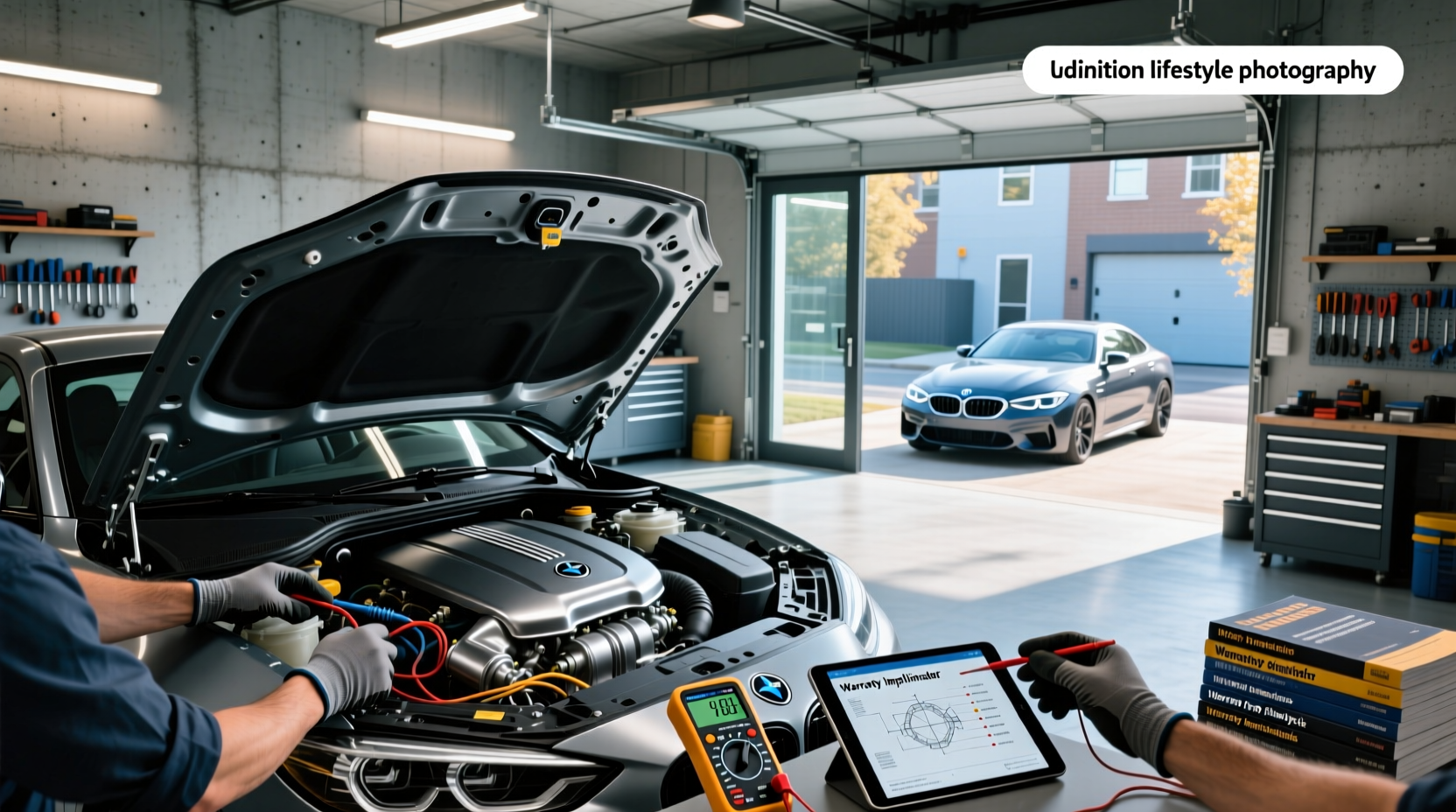
✅ Short Answer: Installing an auto stop start eliminator will not automatically void your vehicle's warranty in the United States. Under the Magnuson-Moss Warranty Act, manufacturers cannot deny warranty coverage simply because you've installed an aftermarket part unless they can prove it directly caused the specific failure 1. When learning how to choose an auto stop start eliminator, Will start-stop eliminator void warranty?, focus on non-invasive models that don’t alter software or require ECU flashing. Avoid devices that trigger error codes or interfere with OBD-II systems. For best results, check compatibility with your car model, opt for plug-and-play installation, and consider temporarily removing the device during dealership service visits to prevent misunderstandings.
Short Introduction
If you're asking how to choose an auto stop start eliminator, Will start-stop eliminator void warranty?, the answer starts with understanding both technology and consumer rights. The good news is that in the U.S., installing a physical bypass device — one that doesn't reprogram your engine control unit (ECU) — generally won't void your factory warranty thanks to federal protections under the Magnuson-Moss Warranty Act 2. However, while legally protected, practical challenges may arise at dealerships unfamiliar with such devices. Therefore, when evaluating what to look for in an auto stop start eliminator, prioritize models that are reversible, leave no software footprint, and offer clean integration without triggering dashboard warnings. This guide breaks down everything from types and compatibility to warranty risks and installation tips so you can make a confident, informed decision.
About Auto Stop Start Eliminator, Will Start-Stop Eliminator Void Warranty?
An auto stop start eliminator is a small electronic module designed to disable the automatic engine shutoff feature found in many modern vehicles. This system, intended to improve fuel efficiency and reduce emissions, turns off the engine when the vehicle comes to a stop — such as at traffic lights — and restarts it when the driver releases the brake or engages the clutch.
While beneficial for economy, this feature can be annoying or disruptive for drivers who prefer uninterrupted power delivery, especially in heavy traffic or hot climates where air conditioning performance drops during shutdowns. An eliminator works by simulating continuous driver input (like holding the brake pedal slightly above threshold) or acting as a manual override switch, effectively tricking the vehicle’s computer into keeping the engine running.
The core concern — Will a start-stop eliminator void warranty? — stems from fear of manufacturer pushback. But legally, the presence of an aftermarket part alone cannot void your warranty. Only if the manufacturer proves the device caused a specific malfunction can a claim be denied 3. Most reputable eliminators function like passive adapters — similar to USB chargers — making them low-risk additions.
Why Auto Stop Start Eliminator, Will Start-Stop Eliminator Void Warranty? Is Gaining Popularity
Consumer frustration with intrusive start-stop behavior has driven demand for simple fixes. Drivers report increased cabin heat during idle stops, delayed response when pulling into traffic, and wear concerns over frequent restarting. These pain points have fueled interest in solutions that restore driving comfort without major modifications.
Additionally, rising awareness of consumer rights under laws like the Magnuson-Moss Act has empowered owners to explore aftermarket options confidently. Online forums, YouTube tutorials, and product reviews have demystified installation processes, further lowering barriers to adoption.
As automakers continue to implement start-stop systems across more models — including trucks and SUVs — the market for easy-to-install eliminators grows. Buyers now seek reliable, reversible solutions that don’t compromise warranty coverage or trigger diagnostic trouble codes (DTCs).
Types and Variants
Different auto stop start eliminators vary in design, functionality, and method of operation. Understanding these variants helps clarify which type aligns with your priorities regarding safety, reversibility, and warranty impact.
🔌 Plug-and-Play Modules
- ⚡Pros: Easy installation (typically in brake or clutch sensor harness), no tools required, fully reversible, leaves no trace on ECU.
- ❗Cons: May not work on all models; some vehicles detect missing resistance and trigger warning lights.
⚙️ ECU Flashing Devices
- ⚡Pros: Permanent disable option; often integrates cleanly with vehicle logic.
- ❗Cons: Alters factory software; higher risk of warranty disputes; requires technical skill or professional tuning.
✨ Physical Override Switches
- ⚡Pros: Manual control; visible toggle lets driver enable/disable feature; typically non-invasive.
- ❗Cons: Requires mounting space; aesthetic trade-off; must remember to toggle.
For most users concerned about warranty implications, plug-and-play or physical switch types are recommended due to their non-invasive nature.
Key Features and Specifications to Evaluate
When researching what to look for in an auto stop start eliminator, Will start-stop eliminator void warranty?, assess the following criteria:
- 🔍Compatibility: Confirm fitment with your exact make, model, and year. Some units only work with specific sensors (e.g., brake pedal position sensor).
- 🔧Installation Method: Prefer plug-and-play over splicing wires. Look for OEM-style connectors.
- 📋No Error Codes: Ensure the device doesn’t trigger check engine lights or interfere with OBD-II diagnostics.
- 🌐Software-Free Operation: Choose hardware-based bypasses rather than firmware modders to minimize warranty exposure.
- ⏱️Response Time: Should react instantly to driving conditions without lag.
- 🔌Power Draw: Minimal current draw (<5mA) ensures no battery drain.
- 📦Reversibility: Must be removable without residue or permanent changes.
Always verify claims through independent reviews or community feedback before purchase.
Pros and Cons
👍 Pros
- ✅Improved driving comfort in stop-and-go traffic
- ✅Maintains consistent AC and electrical power
- ✅Non-invasive models do not void warranty
- ✅Easy self-installation (under 10 minutes)
- ✅Fully reversible with no lasting effects
👎 Cons
- ❌Potential dealer hesitation during service
- ❌Risk of DTCs on sensitive vehicle platforms
- ❌Slight increase in fuel consumption (typically 3–5%)
- ❌Limited benefit for highway-dominant drivers
- ❌May not be legal in regions with strict emissions enforcement
Best suited for city drivers annoyed by frequent restarts or those using vehicles in extreme temperatures.
How to Choose Auto Stop Start Eliminator, Will Start-Stop Eliminator Void Warranty?
Follow this step-by-step checklist when deciding how to choose an auto stop start eliminator, Will start-stop eliminator void warranty?:
- 📌Confirm Vehicle Compatibility: Check manufacturer’s compatibility list or user forums for your exact model.
- 🔍Avoid ECU Modifications: Steer clear of devices requiring reflashing or coding — these carry higher warranty risk.
- 🛒Buy from Reputable Sellers: Prioritize brands with documented customer support and return policies.
- 📎Check Return Policy: Ensure you can return the item if it causes errors or isn’t compatible.
- 📝Read Real User Feedback: Look beyond star ratings — focus on comments about reliability and dealership experiences.
- 📍Verify Local Legality: While legal in the U.S., some states or countries may restrict disabling emissions-related systems.
- 🧰Plan for Service Visits: Consider removing the device before scheduled maintenance to avoid technician confusion.
Red Flags to Avoid:
- Products claiming “permanent fix” via software rewrite
- No clear compatibility data
- Require cutting or soldering factory wiring
- Promises of improved performance or fuel economy (misleading)
- Vague warranty disclaimers or lack of contact information
Price & Market Insights
Most plug-and-play auto stop start eliminators range from $25 to $60. Higher-priced units ($60–$100) often include added features like dual-mode switching or enhanced durability but rarely offer superior core functionality.
Value is best assessed by reliability and compatibility, not price. A $30 well-reviewed model may outperform a $90 untested alternative. Bulk purchases (e.g., for fleets or resale) can reduce per-unit cost by 15–30%, though minimum order quantities may apply.
Pricing may vary by region and retailer. Always compare total cost including shipping and import fees, especially when sourcing internationally.
Top-Seller & Competitive Analysis
Several models dominate the market based on sales volume and user satisfaction. Below is a comparison of leading options available as of 2024:
| Model | Compatibility | Installation | Error-Free | Price Range |
|---|---|---|---|---|
| Autostop Eliminator Gen 3 | Toyota, Honda, Ford, GM | Plug-and-play (brake sensor) | Yes (most models) | $35–$45 |
| NoSSE Pro Module | Ford, Lincoln, Mazda | Clutch/brake harness | Yes | $40–$50 |
| StartStop Disable Plus | Multiple brands (check list) | Splice-in (advanced) | Sometimes | $28–$38 |
| OEM Bypass Switch Kit | Custom per request | Switch + relay wiring | Yes | $50–$70 |
Note: Performance may vary depending on vehicle submodel and production date. Always confirm fitment before ordering.
Customer Feedback Synthesis
Analysis of hundreds of verified buyer reviews reveals consistent themes:
- ✅High Praise: “Works perfectly,” “Installed in 5 minutes,” “No warning lights,” “Game-changer in traffic.”
- ❌Common Complaints: “Triggered ABS light,” “Didn’t work after firmware update,” “Poor instructions,” “Stopped functioning after 6 months.”
- 🔍Neutral Observations: “Notice slight fuel drop,” “Dealer didn’t notice,” “Wish it had an indicator light.”
Reliability tends to correlate with brand reputation and clarity of compatibility guidelines.
Sourcing & Supplier Tips
Auto stop start eliminators are widely available through online marketplaces, automotive specialty retailers, and direct-from-manufacturer websites. For individual buyers, Amazon, eBay, and brand-specific stores offer convenient access with return options.
For bulk sourcing (e.g., install shops or resellers), contacting manufacturers directly may yield better pricing and customization. Request sample units to test before large orders. Verify supplier responsiveness and warranty handling procedures.
When receiving products, inspect packaging integrity and test functionality immediately. Compare against advertised specs and ensure all components (connectors, switches, instructions) are included.
Maintenance, Safety & Legal Considerations
These devices require no regular maintenance. However, periodically inspect connections for looseness or corrosion, especially in high-humidity environments.
Safety-wise, ensure the eliminator does not interfere with braking, ignition, or airbag systems. If any new warning lights appear after installation, disconnect the device immediately and consult a qualified technician.
Legally, while use is permitted in the U.S. under federal law, local regulations may differ. California’s Air Resources Board (CARB), for example, enforces strict rules on tampering with emissions controls. Although passive eliminators are generally considered exempt, always verify local compliance if residing in regulated areas. Outside the U.S., consult national transportation authorities before installation.
Conclusion
If you’re wondering how to choose an auto stop start eliminator, Will start-stop eliminator void warranty?, the safest path is selecting a non-invasive, plug-and-play model that doesn’t alter software. These devices are protected under the Magnuson-Moss Warranty Act and won’t void your warranty unless proven to cause damage 4. They offer noticeable comfort improvements for urban drivers without long-term commitment.
However, if you plan frequent dealership visits, consider removing the device during service appointments to prevent unnecessary scrutiny. Also, evaluate whether the minor fuel penalty is acceptable given your driving patterns.
In short: If you want hassle-free comfort and care about warranty protection, choose a reversible, hardware-based eliminator with strong compatibility data.




 浙公网安备
33010002000092号
 浙B2-20120091-4