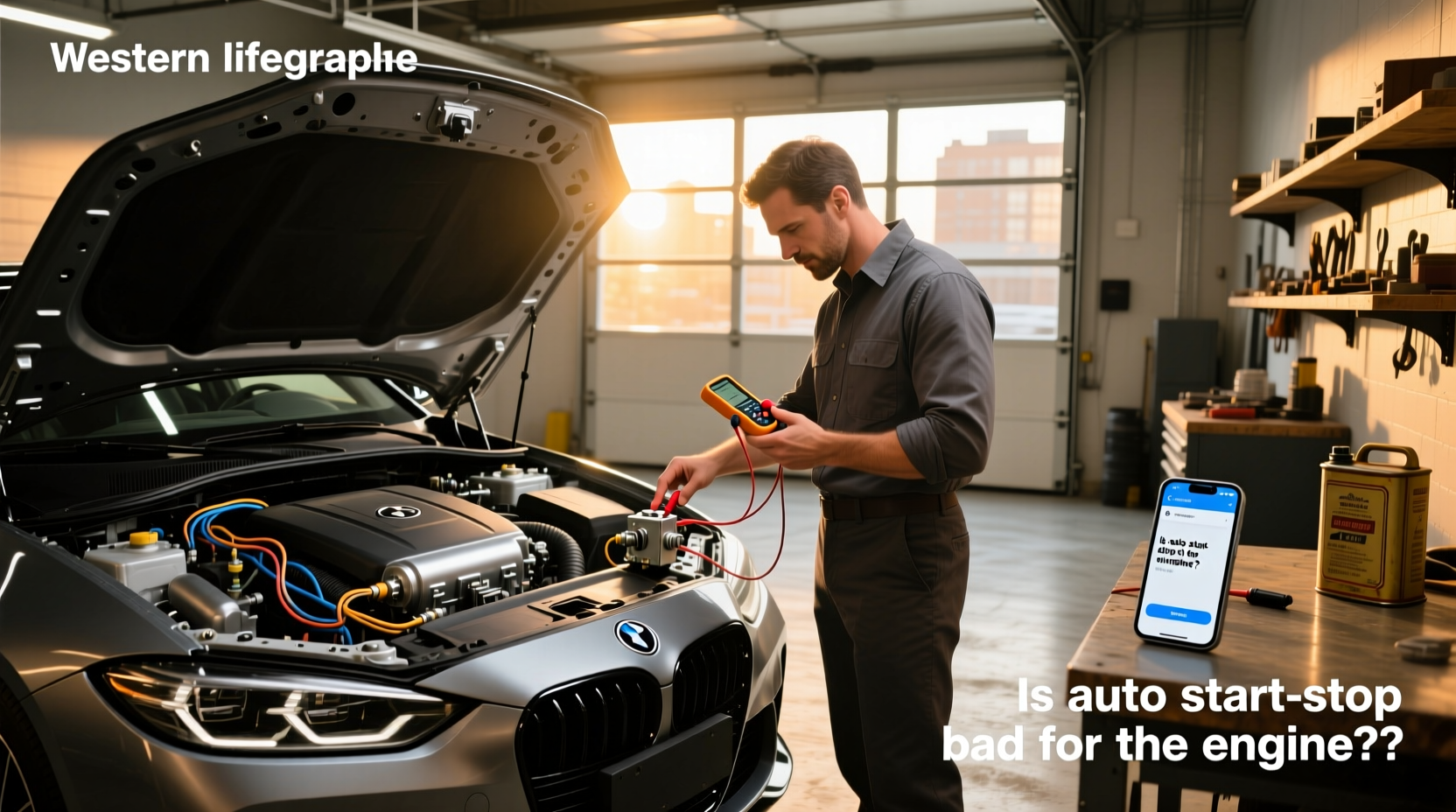
If you're wondering how to choose an auto stop start eliminator or whether auto start-stop is bad for the engine, here's what matters most: modern engines are built to handle frequent restarts safely, so disabling the system isn't necessary for engine protection 12. The real reason people install eliminators is driver comfort—not mechanical necessity. When choosing a module, prioritize OEM compatibility ⚙️, plug-and-play installation ✅, and verify it doesn’t trigger error codes 📊. Avoid cheap universal adapters that lack vehicle-specific firmware, as they may interfere with battery management systems ⚠️.
About Auto Start-Stop Eliminators and Engine Health
An auto stop-start eliminator is a small aftermarket electronic module designed to disable the factory-installed auto start-stop system in vehicles. It typically connects via the OBD-II port or integrates into the starter control circuit, preventing the engine from shutting off at idle while preserving all other vehicle functions ✨.
The core concern behind its use—is auto start-stop bad for the engine?—stems from outdated assumptions about engine wear. In reality, modern vehicles with this feature use reinforced starters, advanced oil circulation designs, and durable batteries (like AGM or EFB) specifically engineered for repeated cycles 🔧. The system only activates when the engine is warm and under no load, minimizing stress on internal components 3.
Typical use cases for eliminators include drivers in extreme climates where rapid restarts affect cabin temperature, those using older-model hybrids without seamless restart dampening, or individuals who frequently drive short urban routes and find the feature disruptive 📍.
Why Auto Stop-Start Eliminators Are Gaining Popularity
Despite being technically sound, auto start-stop systems face resistance due to subjective driving experience ❓. Many drivers report annoyance at the vibration and noise during restarts, especially in traffic-heavy cities 🌍. This has fueled demand for simple solutions like eliminators.
Additionally, misconceptions persist: some believe frequent restarting increases oil degradation or damages the starter motor. However, data shows that wear is minimal because lubrication remains intact during brief stops, and specialized starters are rated for hundreds of thousands of cycles 2.
The rise in online tutorials and plug-and-play modules has made these devices more accessible 🛒. Yet, popularity doesn’t equal universal suitability—drivers should weigh actual benefits against potential downsides like reduced fuel efficiency and possible warranty implications ⚠️.
Types and Variants of Auto Stop-Start Eliminators
There are three main types of eliminators available, each with distinct advantages and limitations:
- ✅ OBD-II Port Modules: These plug directly into the vehicle’s diagnostic port and send signals to suppress the start-stop function. They’re easy to install and remove but may not work consistently across all makes due to software firewalls.
- ⚙️ Wiring Harness Adapters: Installed between the starter relay and control unit, these physically interrupt the signal. More reliable than OBD-II options but require basic electrical knowledge and can void service alerts if detected.
- 🔧 Programmed ECUs / Flash Tuners: Advanced tools that reprogram the engine control unit to permanently disable the feature. Most effective but costly and often require professional installation. Riskier in terms of warranty compliance.
Key Features and Specifications to Evaluate
When assessing how to choose an auto stop start eliminator, consider these critical criteria:
- 🌐 Vehicle Compatibility: Ensure the device supports your make, model, and year. Some units work only with specific brands (e.g., Ford, Toyota, GM).
- 🔋 Battery System Support: If your car uses an AGM or EFB battery, confirm the eliminator won’t disrupt charging logic or alternator regulation.
- 🔌 Installation Method: Prefer plug-and-play over hardwiring unless you have technical expertise.
- 📊 Error Code Prevention: Look for models advertised as “no CEL” (Check Engine Light) or “stealth mode” capable.
- ⏱️ Response Time: High-quality eliminators react instantly to brake pedal input, mimicking OEM behavior.
- 🔒 Firmware Updates: Some premium units receive updates to maintain compatibility after dealership software patches.
Pros and Cons of Using an Eliminator
| Pros ✅ | Cons ❌ |
|---|---|
| Persistent engine warmth in cold weather | Loss of 5–7% fuel savings in city driving 1 |
| Improved driving comfort and smoothness | Potential violation of emissions regulations in certain regions |
| No modification to original components (for plug-in types) | Risk of warranty disputes if detected by dealer diagnostics |
| Easy reversal (especially OBD-II type) | Possible conflict with advanced driver assistance systems (ADAS) |
This technology is best suited for drivers who prioritize comfort over fuel economy or operate in environments where consistent cabin climate is essential (e.g., delivery drivers, elderly users). It’s less advisable for eco-conscious commuters or those planning long-term ownership with scheduled dealer maintenance 🚚.
How to Choose an Auto Stop-Start Eliminator: Step-by-Step Guide
Follow this checklist to make an informed decision:
- Confirm Your Motivation: Are you concerned about engine wear? Know that auto start-stop is not bad for the engine in modern vehicles. If discomfort is the issue, proceed.
- Identify Your Vehicle Type: Note transmission type (automatic/manual), battery chemistry (AGM/EFB/standard), and infotainment system complexity.
- Research Compatible Models: Use forums like Reddit r/MechanicAdvice or owner groups to find verified working units for your car.
- Evaluate Installation Skill Level: Choose OBD-II modules if DIY experience is limited.
- Check Return Policy: Buy from retailers offering 30-day returns in case of compatibility issues.
🚩 Red Flags to Avoid:
- Products claiming “permanent disable” without mentioning firmware risks
- No clear documentation or support contact
- Cheap generic brands with no vehicle-specific testing
- Modules requiring splicing factory wires unless professionally installed
Price & Market Insights
Prices vary significantly based on type and brand:
- OBD-II Modules: $30–$70 — budget-friendly, widely available, moderate reliability
- Wiring Adapters: $50–$120 — higher success rate, may need tools/skills
- ECU Programmers: $150–$400+ — full control, often multi-functional, steeper learning curve
Value depends on usage frequency and vehicle retention plans. A short-term fix might justify a cheaper OBD-II tool, while long-term owners may benefit from investing in a robust adapter. Prices may differ by region and retailer availability 🌐.
Top-Seller & Competitive Analysis
| Product Type | Avg. Price | Compatibility Range | User Rating | Best For |
|---|---|---|---|---|
| OBD-II Module (e.g., NoSSE) | $45 | Ford, GM, Ram | 4.2/5 | Beginners, temporary use |
| Relay Harness Adapter (e.g., SSR-II) | $85 | Toyota, Lexus, Honda | 4.6/5 | Reliability seekers |
| Programmable Flash Tool | $250 | Multibrand | 4.4/5 | Tuners, performance users |
Note: Ratings based on aggregated Amazon, eBay, and enthusiast forum reviews (2022–2024). Always verify current firmware support before purchase.
Customer Feedback Synthesis
Analysis of buyer sentiment reveals consistent patterns:
👍 Frequent Praise Includes:
- “Eliminated annoying restart jolts during stop-and-go traffic”
- “Keeps AC running smoothly in summer heat”
- “Simple plug-and-play setup took under 5 minutes”
👎 Common Complaints:
- “Triggered a battery warning light after two weeks”
- “Stopped working after a dealership software update”
- “Poor instructions; had to search YouTube for help”
Most issues stem from inadequate product research rather than inherent flaws in the concept itself.
Sourcing & Supplier Tips
For individual buyers, reputable sources include automotive specialty sites, verified Amazon sellers, and community-recommended vendors. Look for sellers who provide:
- Detailed fitment guides
- Active customer support
- Clear return policies
For bulk purchases or resale (e.g., auto shops), consider direct suppliers on B2B platforms. Request sample units for testing before large orders. Verify packaging includes multilingual instructions and compliance markings where applicable 📎.
Maintenance, Safety & Legal Considerations
While eliminators don’t pose direct safety risks, improper installation can lead to electrical faults or unintended system conflicts 🔧. Always disconnect the battery before hardwiring modifications.
Legally, tampering with emissions-related systems may violate regulations in jurisdictions like California (CARB) or the EU. While enforcement typically targets manufacturers, individual liability exists in theory. To minimize risk:
- Use removable solutions instead of permanent reprogramming
- Remove the device before scheduled dealer services
- Confirm local rules through official transportation websites
These steps help maintain compliance while allowing personal preference adjustments.
Conclusion
If you’re deciding whether to install an auto stop-start eliminator, remember: the system itself isn’t harmful to your engine—it’s designed to be safe and efficient. Choosing a module should be driven by comfort needs, not mechanical fears. For occasional city drivers seeking smoother rides, a plug-and-play OBD-II eliminator offers a low-risk solution. For those keeping their vehicle long-term or relying on warranty coverage, preserving the factory system—or using temporary disable buttons—is often wiser. Always evaluate compatibility, installation effort, and regulatory environment before buying.
Frequently Asked Questions
- Is it safe to disable auto start-stop permanently?
- Generally yes from a mechanical standpoint, but it may affect warranty claims or emissions compliance depending on location. Reversible methods are safer.
- Does turning off start-stop save the starter motor?
- No. Modern starters in start-stop vehicles are built for high-cycle durability. Disabling the system won’t extend starter life meaningfully.
- Can an eliminator damage my battery management system?
- Poorly designed units might interfere with charging algorithms, especially in AGM-equipped vehicles. Choose models tested for your specific battery type.
- Will I lose fuel efficiency if I disable start-stop?
- Yes. You can expect a 5–7% increase in fuel consumption during city driving, particularly in heavy traffic.
- Are there factory ways to disable start-stop temporarily?
- Most vehicles allow one-time deactivation via a dashboard button. However, the setting resets after ignition cycles in many models.




 浙公网安备
33010002000092号
 浙B2-20120091-4