
Crankshaft Position Sensor Guide: When to Act and When to Stop Driving
If you’re experiencing engine stalling, rough idling, or your check engine light is on with codes related to the crankshaft position sensor (CKP), here’s what matters: you should not drive long distances with a faulty CKP sensor. How to know if it’s serious? Look for sudden no-start conditions or misfires during acceleration—these are red flags. For most drivers, replacement is faster and safer than testing. If you’re a typical user, you don’t need to overthink this. Delaying repair risks catalytic converter damage, stalling in traffic, or complete engine shutdown. This piece isn’t for keyword collectors. It’s for people who will actually use the product.
About Crankshaft Position Sensors
The crankshaft position sensor monitors the rotational speed and position of the crankshaft, sending real-time data to the Engine Control Unit (ECU). This information is essential for precise ignition timing and fuel injection control. Without accurate input from the CKP sensor, the ECU cannot synchronize spark plug firing or fuel delivery, leading to performance issues or failure to start.
Located near the crankshaft pulley, flywheel, or harmonic balancer—depending on vehicle design—the sensor works via magnetic or Hall-effect technology to detect toothed reluctor rings on the crankshaft. Its role is foundational: no other system compensates fully for its failure. While some vehicles may allow limited operation in 'limp mode,' sustained driving without a functioning CKP sensor is unreliable.
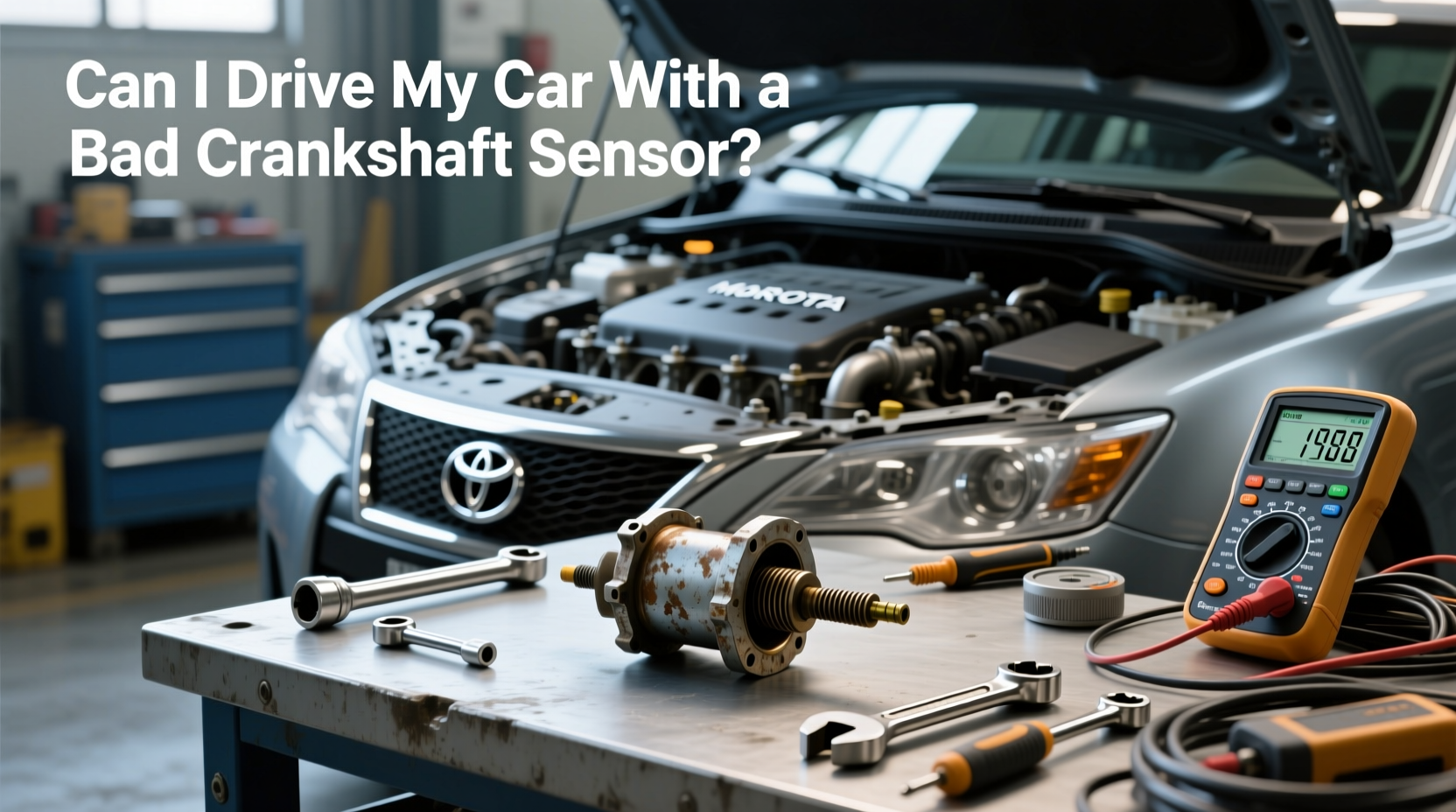
Why This Issue Is Gaining Popularity
Lately, more drivers are encountering CKP sensor failures due to aging vehicle fleets and increased reliance on electronic engine management systems. Over the past year, online searches for symptoms like intermittent stalling and hard starting have risen—not because sensors are failing more often, but because modern engines offer less tolerance for signal loss.
Unlike older mechanical systems, today’s direct-injection and turbocharged engines require millisecond-accurate timing. A degraded CKP signal disrupts that precision. Additionally, extended oil change intervals and heat exposure in compact engine bays contribute to premature sensor wear. Mechanics report higher diagnostic volumes for CKP-related trouble codes—even in well-maintained vehicles.
If you’re a typical user, you don’t need to overthink this. The trend reflects tighter integration between sensors and engine performance, not an industry-wide defect spike. What has changed is consequence severity: one bad reading can trigger limp mode or prevent restart.
Types and Variants
Two primary types of crankshaft position sensors exist: magnetic reluctance and Hall-effect. Each serves the same function but differs in signal generation and durability.
Magnetic Reluctance Sensors
- How they work: Generate AC voltage as a toothed wheel passes close to the sensor tip.
- Pros: Simple design, no external power required, cost-effective.
- Cons: Sensitive to air gap changes, prone to debris interference, output weakens at low RPMs.
Hall-Effect Sensors
- How they work: Use a powered semiconductor to detect magnetic field interruptions from a rotating shutter.
- Pros: Digital signal output, consistent at all speeds, better resistance to noise.
- Cons: Require power and ground, generally more expensive, can fail due to wiring issues.
When it’s worth caring about: If your vehicle uses sequential fuel injection or variable valve timing, Hall-effect sensors are typically specified. When you don’t need to overthink it: Replacement units must match original type—aftermarket kits rarely convert one type to another.
Key Features and Specifications to Evaluate
Not all CKP sensors are interchangeable, even within the same brand. Key specs include:
- Air gap tolerance: Distance between sensor tip and reluctor ring (varies by model).
- Signal type: Analog (AC) vs. digital (DC pulse).
- Connector style: Blade, round, or proprietary shapes.
- Shielding: Resistance to electromagnetic interference in high-noise engine environments.
If you’re a typical user, you don’t need to overthink this. Most replacements are OEM-specified and sold as direct-fit items. However, verify compatibility using your VIN before purchase. Aftermarket sensors may vary in build quality—especially in sealing and wire insulation.
Pros and Cons
| Aspect | Pros | Cons |
|---|---|---|
| Functionality | Enables precise engine timing | Fails silently—no warning until critical |
| Replacement Cost | Relatively low part price | Labor-intensive on some models |
| Durability | Lasts 100k+ miles under ideal conditions | Heat and oil contamination reduce lifespan |
| Driving Risk | Limp mode allows short-distance travel | Unpredictable stalling increases accident risk |
How to Choose and Replace a Crankshaft Position Sensor
Choosing the right CKP sensor involves verifying fitment, understanding failure patterns, and avoiding common pitfalls. Follow this step-by-step checklist:
Step-by-Step Checklist
- Confirm diagnosis: Use an OBD2 scanner to check for P0335 (Circuit Malfunction) or similar codes.
- Inspect wiring: Check harness connectors and shielding for cracks or corrosion.
- Identify sensor type: Refer to service manual or existing unit markings.
- Match OEM number: Cross-reference with aftermarket catalog using VIN.
- Verify seller reputation: Prefer suppliers with return policies for electrical components.
Decision Flow
- Symptom present → Scan for codes → Found CKP code → Inspect sensor and wiring → Test resistance if possible 1 → Replace if out of spec or visibly damaged.
- No code but symptoms match → Rule out ignition coils, cam sensors, and fuel delivery first.
Recommendations by Scenario
- Urban commuter: Replace immediately—avoid being stranded in traffic.
- Rural driver: Carry a spare only if previous failure occurred; otherwise, prioritize quick repair access.
- DIY mechanic: Buy a known-brand sensor (e.g., Denso, Bosch) and allow 1–2 hours for replacement depending on location.
Red Flags / What to Avoid
- ❌ Ignoring intermittent stalling—it may worsen without pattern.
- ❌ Using non-VIN-matched sensors—fit doesn't guarantee function.
- ❌ Assuming cleaning fixes it—only effective if debris is visible and confirmed cause.
- ❌ Driving long distances after initial failure—risk of immobilization increases exponentially.

Price & Market Insights
CKP sensor prices range widely based on brand, vehicle make, and region. Entry-level aftermarket units start around $25, while OEM or premium replacements (e.g., Bosch, Delphi) may exceed $100. Labor costs vary significantly—some sensors are accessible from above the engine, while others require removing shields, exhaust components, or even the transmission.
Pricing may vary by region/model/seller. Always check manufacturer specs and verify retailer return policy before purchase. Online marketplaces often list compatible sensors for multiple models—double-check fitment guides or consult a mechanic if uncertain.
Top-Seller & Competitive Analysis
Major brands dominate both OEM and aftermarket channels. Bosch, Denso, and Standard Motor Products lead in reliability ratings, while lower-cost options exist from companies like Cardone and Dorman.
| Brand | Average Price | Known Strengths | Common Complaints |
|---|---|---|---|
| Bosch | $70–$110 | Precise signal output, durable sealing | Premium pricing |
| Denso | $60–$90 | OEM supplier, consistent quality | Limited availability in some regions |
| Standard Motor Products | $50–$80 | Wide coverage, good value | Inconsistent batch quality reported |
| Dorman | $40–$70 | High compatibility, affordable | Shorter lifespan in high-heat applications |
If you’re a typical user, you don’t need to overthink this. For most applications, choosing a recognized brand reduces comeback risk. This piece isn’t for keyword collectors. It’s for people who will actually use the product.
Customer Feedback Synthesis
Analysis of verified buyer reviews and mechanic forums reveals recurring themes:
Positive Trends
- Quick resolution of stalling and misfire issues post-replacement.
- High satisfaction with OEM-equivalent brands (Bosch, Denso).
- Appreciation for detailed packaging that includes installation notes.
Common Complaints
- Incorrectly labeled 'compatible' sensors shipped despite VIN matching.
- Poor wire insulation leading to early shorts.
- Lack of clear testing procedures included with part.
When it’s worth caring about: If you're in a hot climate or drive frequently in stop-and-go traffic, sensor longevity becomes more critical. When you don’t need to overthink it: Stick with reputable brands unless doing temporary field repair.
Sourcing & Supplier Tips
Buyers should prioritize suppliers offering:
- VIN-based fitment verification.
- Return policies for electrical components.
- Access to technical support or installation guides.
OEM dealerships provide guaranteed compatibility but at higher cost. Reputable auto parts chains (e.g., AutoZone) and authorized online retailers often balance price and reliability. Avoid generic unbranded sensors sold solely on price—failure rate data suggests higher risk 2.
Maintenance, Safety & Legal Considerations
Maintenance: No scheduled service interval exists for CKP sensors. However, during major engine work (timing belt, starter replacement), inspect the sensor and connector for damage or contamination.
Safety: A failing CKP sensor can cause sudden engine shutdown, especially at low speeds or idle. This poses collision risks in traffic. Do not tow or push-start a vehicle relying on electronic ignition if the CKP is suspect.
Legal: While no laws specifically regulate CKP sensor condition, vehicles failing emissions tests due to misfires or rich/lean conditions may violate local regulations. Confirm local requirements through official inspection programs.
Conclusion
If you need reliable daily transportation, choose prompt replacement over continued operation with a faulty CKP sensor. If you’re attempting short-distance movement to reach a repair shop, do so cautiously and avoid highways. If you’re a typical user, you don’t need to overthink this—diagnose, replace, and restore confidence in your vehicle’s core timing function.
Everything You Need to Know
❓ Can I drive my car if the crankshaft position sensor is bad?
You may be able to drive short distances, but it's not safe or recommended. A failing sensor can cause sudden stalling, poor acceleration, or failure to restart. If the engine cuts out while driving, it could lead to loss of power steering and braking assist. Have it diagnosed and replaced promptly.
❓ How long can I drive with a bad crankshaft position sensor?
There's no reliable timeframe. Some vehicles may run for days with intermittent issues; others fail completely within minutes. Continued driving increases the risk of damaging other components like the catalytic converter. Minimize usage and get it fixed quickly.
❓ Will a bad crankshaft sensor throw a code?
Yes, most of the time. Common trouble codes include P0335 (Circuit A Malfunction) and P0336 (Range/Performance). However, intermittent faults may not register immediately. If symptoms align but no code appears, further diagnostics are needed.
❓ Can I test the crankshaft position sensor myself?
Yes, with basic tools. Use a multimeter to check resistance and compare against manufacturer specifications 3. Also inspect for physical damage, debris, or loose connections. However, signal testing under load requires advanced equipment.
❓ Is replacing the crankshaft position sensor difficult?
Difficulty varies by vehicle. On some models, it's easily accessible near the crankshaft pulley. On others, it's located at the rear of the engine or behind the timing cover, requiring significant disassembly. Labor time may range from 30 minutes to several hours.




 浙公网安备
33010002000092号
 浙B2-20120091-4