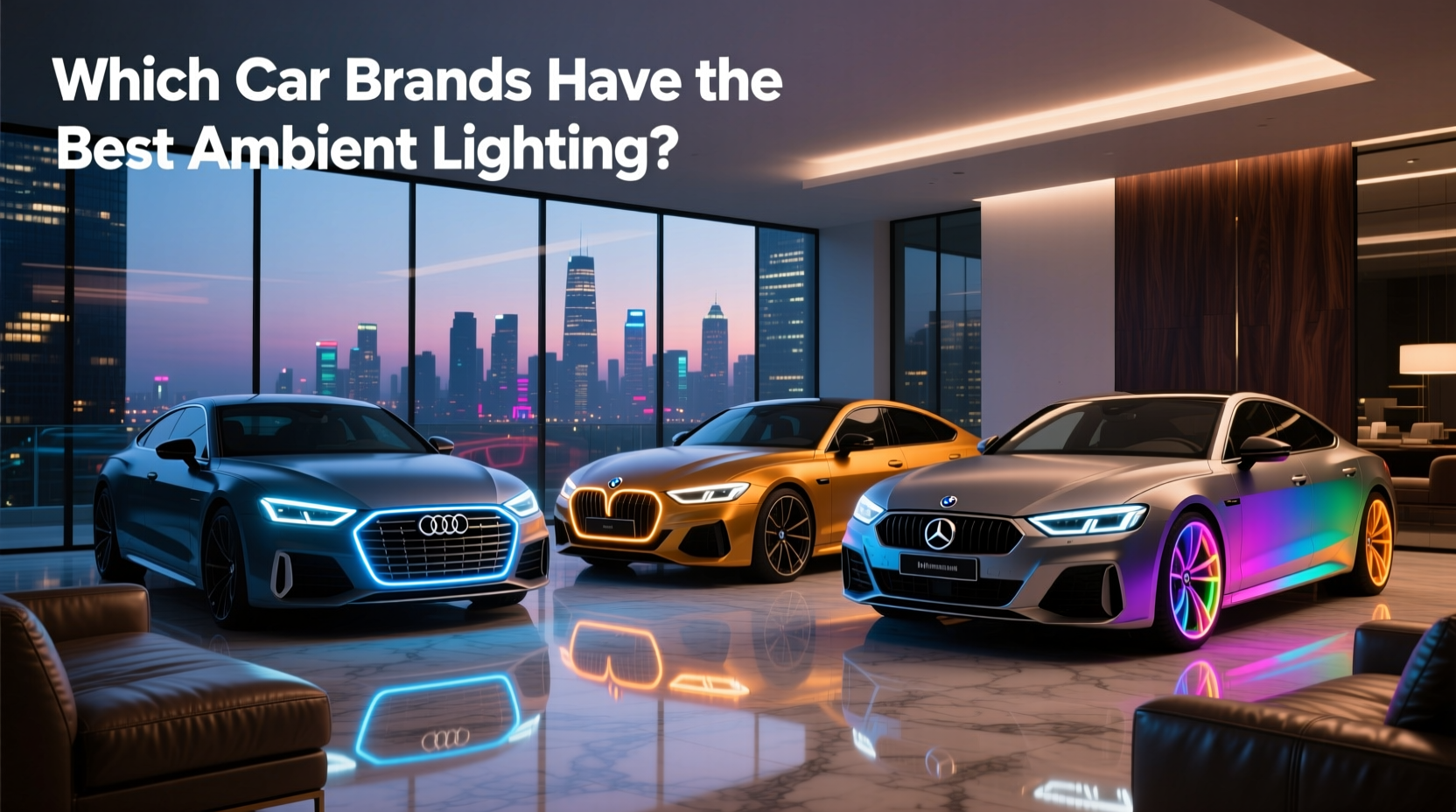
Lately, ambient lighting has shifted from luxury novelty to a meaningful comfort feature. If you’re choosing a new car or upgrading your interior, what to look for in ambient lighting comes down to three things: integration with cabin systems, customizable zones, and long-term usability. Mercedes-Benz, BMW, and Porsche lead with dynamic systems that respond to driving modes and voice commands 1. But mainstream models like the Hyundai Sonata and Toyota RAV4 now offer thoughtful implementations that elevate daily driving without complexity. If you’re a typical user, you don’t need to overthink this—most multi-zone RGB setups perform similarly under real-world conditions. Avoid gimmicky color sync unless you frequently change moods or drive at night. Over the past year, automakers have refined lighting not just for style, but as part of holistic cabin wellness.
About Ambient Lighting in Vehicles
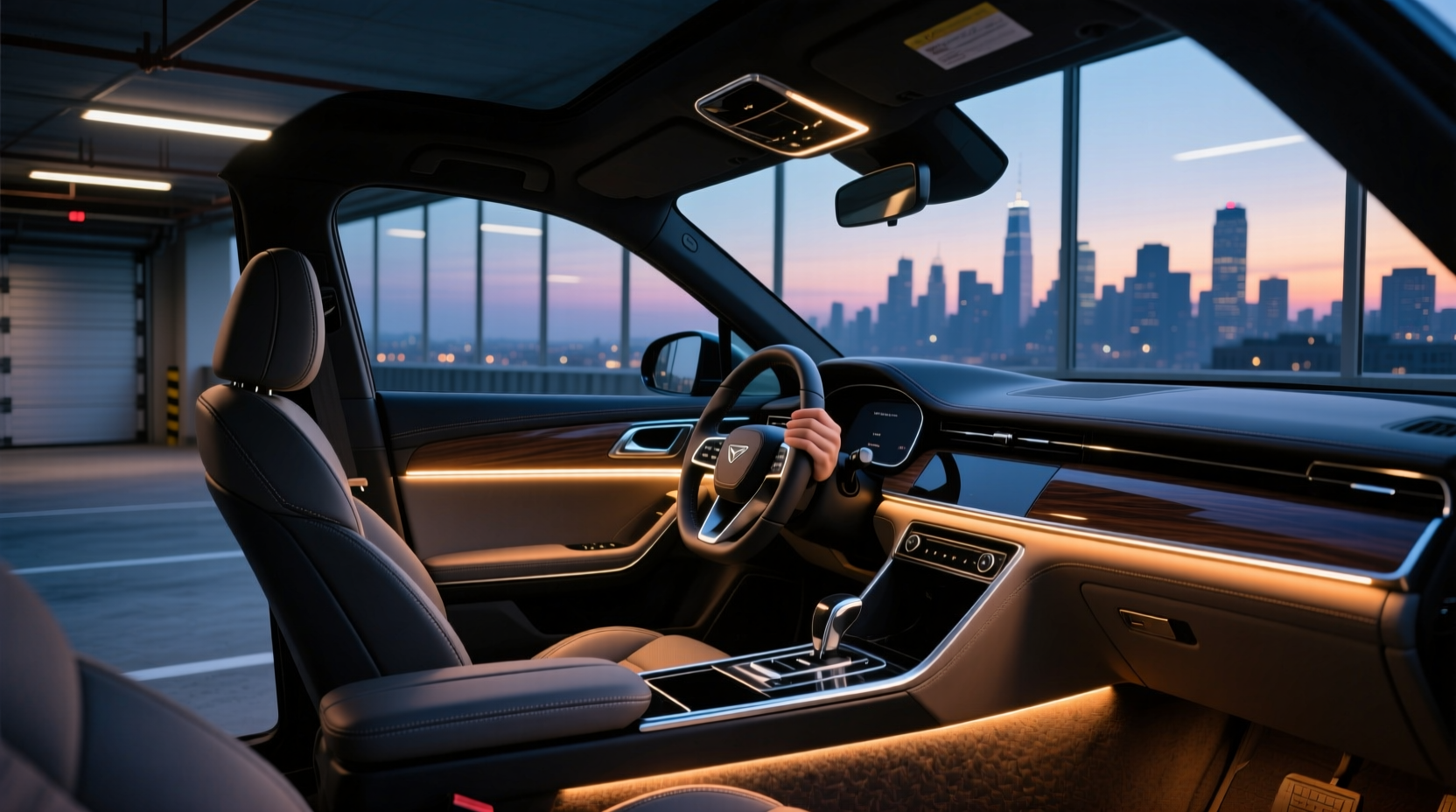
Ambient lighting refers to low-intensity illumination built into a vehicle’s interior—typically along door sills, dashboards, center consoles, and footwells. Unlike functional lights (like map or dome lamps), ambient lighting serves mood and perception. It enhances perceived material quality and spatial depth in modern cabins, where hard plastics are masked by soft glows. These systems use LED strips, often addressable or zone-controlled, allowing users to adjust hue, brightness, and sometimes animation patterns.
The technology isn't new, but recent advances in microcontroller integration allow lighting to react to events: incoming calls, navigation prompts, or even music beats. Some brands tie lighting behavior to driver assistance alerts or climate settings. This level of responsiveness separates premium implementations from basic fixed-color trims found in entry-level models.
Why Ambient Lighting Is Gaining Popularity
Over the past year, consumer focus on in-cabin experience has intensified—especially among EV buyers who expect tech-forward environments. Ambient lighting contributes to this by offering personalization in an otherwise standardized space. Automakers leverage it to differentiate trims and boost emotional appeal during test drives.
Additionally, nighttime visibility without glare is increasingly valued. Well-placed ambient lighting helps passengers locate controls without disrupting the driver’s night vision. That subtle utility, paired with aesthetic flexibility, makes it more than just decoration.
If you’re a typical user, you don’t need to overthink this: most drivers settle on one or two preferred colors and rarely explore advanced features. Yet having the option matters—it signals attention to detail.
This piece isn’t for keyword collectors. It’s for people who will actually use the product.
Types and Variants
Single-Color Fixed LEDs
- Pros: Reliable, energy-efficient, unobtrusive
- Cons: No customization; often blue or white only
Found in base trims of many mainstream vehicles. Offers minimal enhancement but improves nighttime usability.
Multi-Zone RGB Systems
- Pros: Customizable per zone (doors, dash, console); wide color range
- Cons: Can feel overwhelming; some apps lack intuitive control
Available in mid-to-high trims across brands like Hyundai, Toyota, and Ford. Provides noticeable upgrade in atmosphere.
Dynamic & Context-Aware Lighting
- Pros: Syncs with driving mode, audio, or voice assistant; enhances immersion
- Cons: Higher failure risk; software bugs reported
Seen in Mercedes-Benz “Active Ambient Lighting” and BMW’s latest iDrive-equipped models. When well-tuned, these create cohesive experiences.
Themed & Signature Lighting
- Pros: Unique brand identity (e.g., Polestar’s solar system theme); memorable
- Cons: Limited appeal; harder to modify later
Polestar 4 and Jeep Grand Wagoneer use themed lighting to reinforce brand character 2.
Key Features and Specifications to Evaluate
When comparing systems, assess these five dimensions:
- Number of adjustable zones: More zones mean finer control over light distribution.
- Color range: True RGB allows millions of hues; some systems limit selection to presets.
- Brightness control: Essential for night driving comfort.
- Integration capabilities: Does it sync with audio, driving modes, or alerts?
- User interface: Is adjustment easy via touchscreen, dial, or voice?
When it’s worth caring about: if you regularly drive at night or share the car with multiple users who prefer different settings. When you don’t need to overthink it: if you mostly drive during daylight or prioritize mechanical reliability over cabin ambiance.
Pros and Cons
- Enhances perceived interior quality
- Improves low-light usability without glare
- Allows personalization across drivers
- Can reduce eye strain when properly tuned
- Some implementations cause distraction
- May increase repair cost if integrated with trim pieces
- Software-dependent features can lag or fail
- Aftermarket upgrades may void warranty
How to Choose Ambient Lighting: A Practical Buying Guide
Use this step-by-step checklist when evaluating vehicles:
Step-by-Step Checklist
- Evaluate how many interior zones are lit (footwells, doors, dash, console).
- Test brightness adjustment range—can it go dim enough for night driving?
- Check whether colors can be set independently per zone.
- Determine if lighting changes with drive mode (e.g., Sport = red, Comfort = blue).
- Ask if voice control or app integration is supported.
- Sit in the car at night to assess visual balance—no single area should dominate.
Decision Flow
If you want simplicity → choose single-color or preset RGB.
If you want personalization → opt for multi-zone RGB with memory profiles.
If you value integration → prioritize brands like Mercedes or BMW with context-aware systems.
If budget is tight → accept basic lighting; consider aftermarket only if removable without damage.
Recommendations by Scenario
- Night commuters: Multi-zone RGB with low-brightness capability.
- Fleet managers: Stick to single-color or disable option to reduce complexity.
- Family vehicles: Brightness lockout to prevent kids from changing settings.
- Luxury seekers: Dynamic systems with theme support (e.g., EQS, 7 Series).
Red Flags / What to Avoid
- Gimmicky music sync that pulses aggressively—can distract while driving.
- Non-replaceable LEDs embedded in door panels—repair costs spike if failed.
- Systems requiring firmware updates to function correctly.
- Vague marketing terms like “mood-enhancing glow” without functional description.
If you’re a typical user, you don’t need to overthink this: once installed, most owners use fewer than five color combinations. Prioritize build quality over pixel count.
Price & Market Insights
Ambient lighting packages vary widely in cost. On new cars, they’re often bundled within higher trims or tech packages—adding $500–$2,000 depending on brand and region. In luxury segments, advanced systems may be standard on top models.
Aftermarket kits start around $80 and can exceed $400 for fully programmable, app-controlled setups. Installation complexity varies—some plug directly into USB or OBD-II, others require panel removal. Prices and availability may vary by region/model/seller. Always check manufacturer specs before assuming compatibility.
Top-Seller & Competitive Analysis
Leading brands differentiate through integration rather than raw specs. Here’s how key players compare:
| Brand | System Name | Zones | Colors | Smart Integration | Notable Model |
|---|---|---|---|---|---|
| Mercedes-Benz | Active Ambient Lighting | 10+ | 64 | Yes (drive mode, voice, alerts) | EQS |
| BMW | Ambient Light | 8 | Multiple | Yes (iDrive, driving modes) | 7 Series |
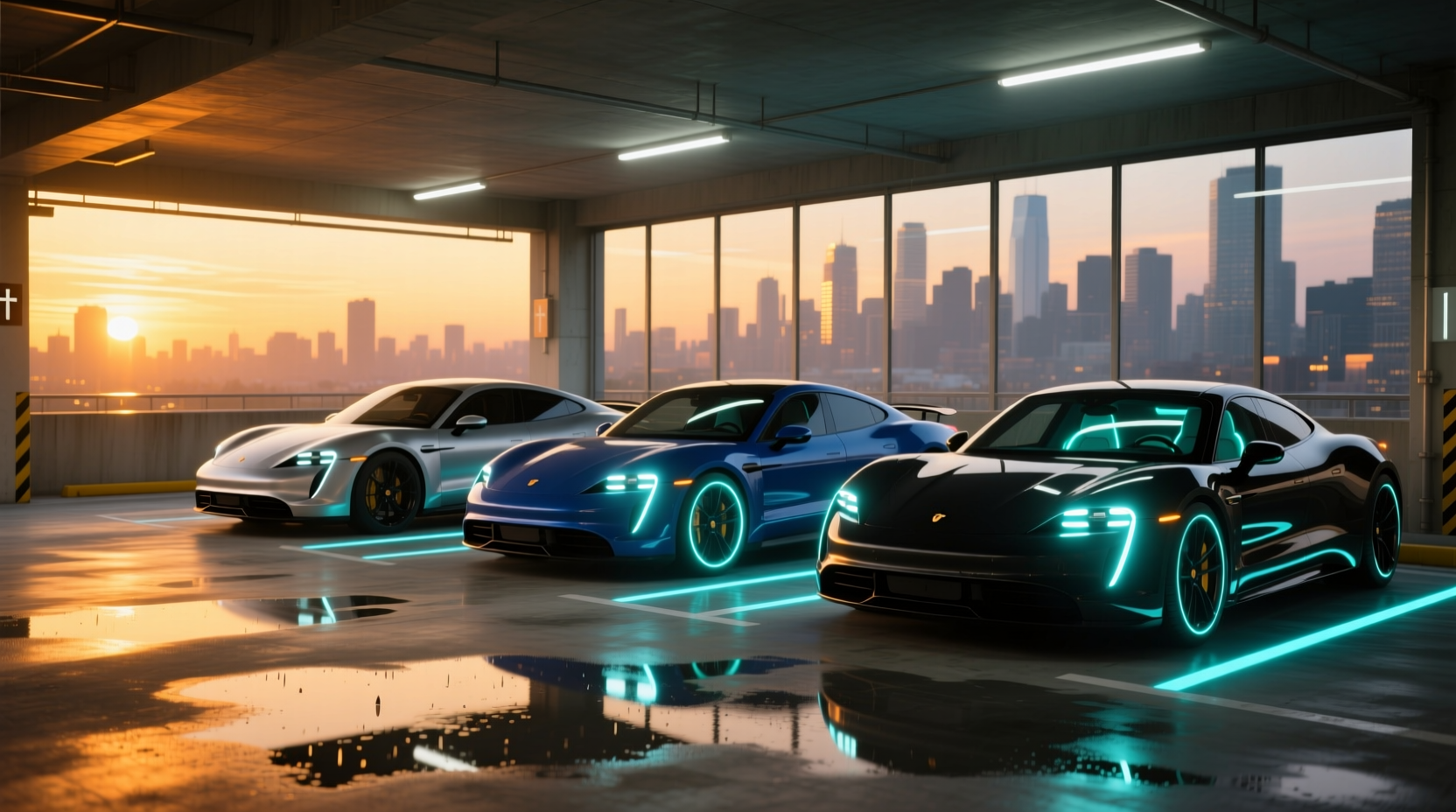
| Porsche | Interior Lighting Package | 6 | RGB | Limited | Taycan |
| Genesis | Lexicon Audio Ambient Light | 7 | Custom themes | Moderate | GV70 |
| BYD | DiLink Interior Lighting | 5 | 128 | Music sync, animated dash | Sealion 7 |
| Toyota | Standard Ambient Lights | 3–4 | Single/preset | No | Camry, RAV4 |
Data sourced from recent model reviews and manufacturer disclosures 3. Note: exact configurations may vary by market and trim level.
Customer Feedback Synthesis
Based on aggregated owner reports:
- Most praised: Seamless integration (Mercedes), ease of use (BMW), unique themes (Polestar, BYD).
- Most complained about: Overly bright default settings, non-replaceable LEDs, confusing menu navigation.
- Common surprise: Many expected music sync to enhance experience but found it distracting after short use.
If you’re a typical user, you don’t need to overthink this—initial excitement often fades within weeks. Long-term satisfaction correlates more with consistent performance than feature count.
Sourcing & Supplier Tips
For factory-installed systems, verify inclusion in trim specifications before purchase. Aftermarket options are available through retailers like Tint World, which offers custom interior ambient lighting installations with various color options 4.
Before buying third-party kits:
- Confirm fitment for your model year.
- Choose modular designs that allow partial replacement.
- Prefer suppliers with clear return policies.
- Verify if professional installation is recommended.
Always check manufacturer specs and consult your dealer about potential warranty implications.
Maintenance, Safety & Legal Considerations
LEDs typically last the life of the vehicle, but failures do occur—especially when integrated into moving parts like door panels. If a section dims or flickers, have it diagnosed early to prevent electrical load issues.
Safety-wise, avoid colors that impair night vision (e.g., bright white or blue). Warm tones (amber, soft red) are less disruptive. Never install flashing or strobing patterns while driving—these may violate local regulations regarding in-cabin lighting.
To stay compliant:
- Keep brightness moderate.
- Ensure no light shines directly onto windshield or mirrors.
- Verify local rules if modifying heavily.
When in doubt, confirm local regulations through official transport department resources.
Conclusion
If you need sophisticated cabin integration and enjoy personalizing your environment, choose Mercedes-Benz or BMW. If you want reliable, tasteful lighting without complexity, mainstream offerings from Toyota or Hyundai suffice. If you’re a typical user, you don’t need to overthink this—ambient lighting is a finishing touch, not a core functionality. Focus on overall fit and finish first, then let lighting serve as a secondary indicator of attention to detail.
Everything You Need to Know
What car brands have the best ambient lighting?
Mercedes-Benz, BMW, and Porsche are consistently recognized for high-quality, integrated ambient lighting systems. Genesis and Polestar also deliver strong implementations with distinctive themes. Recently, BYD has gained attention for creative features like song-syncing and animated dash lighting in the Sealion 7 2. However, real-world usability often evens out differences—many owners use only basic functions regardless of brand.
Is ambient lighting worth adding to my car?
It depends on your usage. If you frequently drive at night or value cabin atmosphere, yes. For day-only drivers or those focused purely on utility, it adds little benefit. Factory-installed systems generally integrate better than aftermarket ones. Verify cost versus payoff—sometimes the same money buys more impactful upgrades like better seats or tires.
Can I install ambient lighting myself?
Yes, for many models. Plug-and-play kits exist for common vehicles, especially those with removable trim. However, complex installations involving door disassembly or CAN bus integration should be left to professionals. Poor installation can damage panels or wiring. Always check compatibility and warranty terms before proceeding.
Does ambient lighting affect battery life?
Minimal impact. Modern LEDs consume very little power—even full-system operation draws less than 5 watts. In practice, leaving ambient lighting on overnight will not drain a healthy battery. However, malfunctioning controllers or short circuits could pose risks. If you notice unusual battery drain, have the system inspected.
Are there safety concerns with colored cabin lights?
Yes. Bright or cool-toned lights (blue, white) can disrupt night vision and increase eye fatigue. Warm colors (amber, soft red) are safer for nighttime driving. Avoid flashing or rapidly changing patterns while operating the vehicle. Ensure no light reflects into the driver’s field of view via mirrors or glass surfaces.




 浙公网安备
33010002000092号
 浙B2-20120091-4