Short Introduction
When choosing how to choose orange car leather seats, what is the best color leather for car interior?, prioritize contrast, maintenance, and personal use. For a sporty look, pair orange exteriors with black or deep brown leather—this combination enhances visual drama and hides wear 1. If you prefer elegance, cream or tan interiors soften the bold exterior and create a luxurious ambiance, though they require more upkeep 2. Climate matters: dark interiors absorb heat, making light colors better in warm regions 1. For long-term value, neutral tones like grey or black maintain broader resale appeal.
About Orange Car Leather Seats, What Is the Best Color Leather for Car Interior?
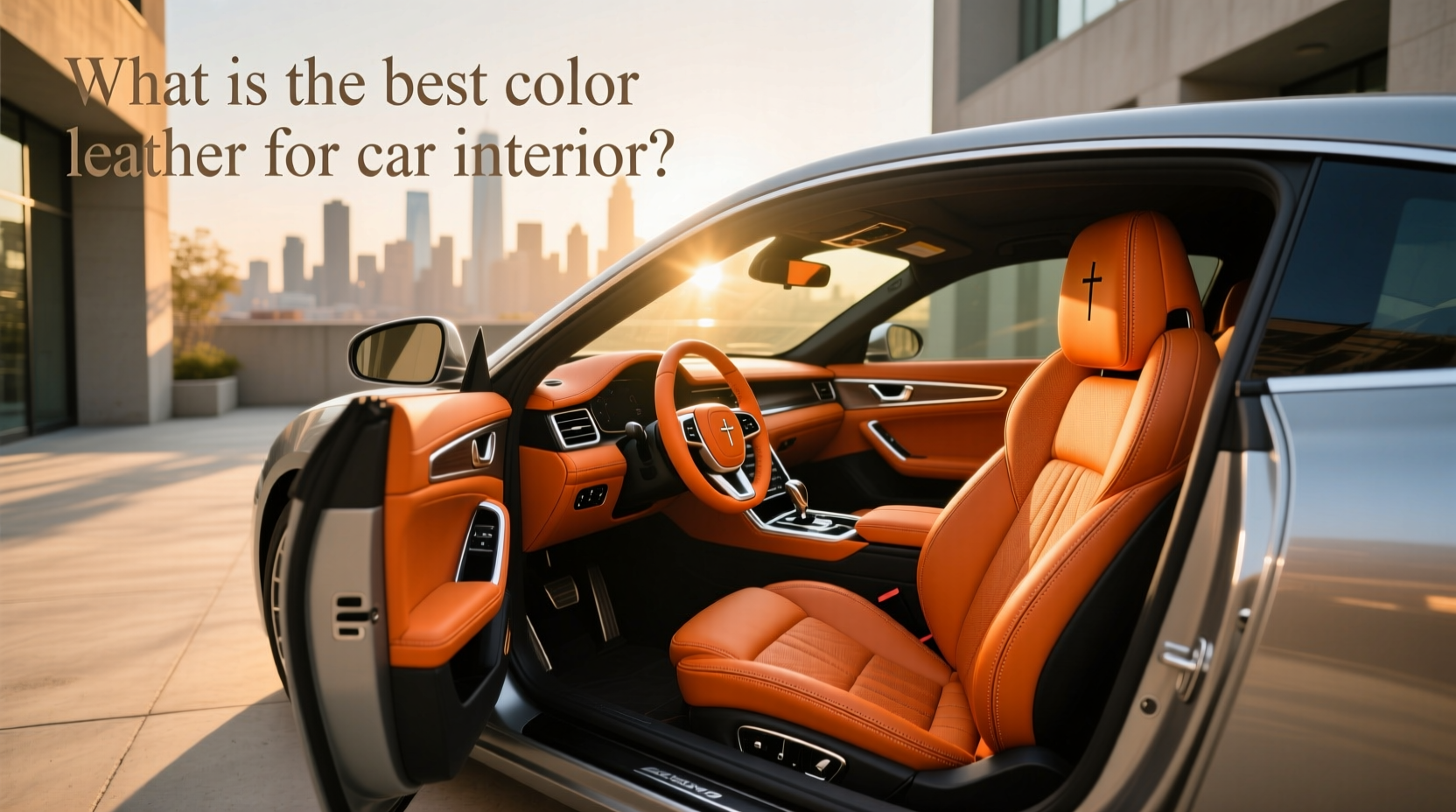
The decision of what to look for in orange car leather seats, what is the best color leather for car interior? involves balancing aesthetics, practicality, and lifestyle needs. Orange car exteriors are inherently bold and expressive, often chosen to stand out. The interior leather color plays a critical role in defining the vehicle’s overall character—whether it feels aggressive, refined, or adventurous. Leather seats offer durability, comfort, and a premium feel, but their color affects temperature retention, visibility of stains, and long-term aging.
This guide focuses on helping buyers evaluate options based on real-world usage, not just trends. Whether you drive daily, live in a hot climate, or plan to resell soon, understanding how leather color interacts with your orange car’s design is essential for a satisfying ownership experience.
Why Orange Car Leather Seats, What Is the Best Color Leather for Car Interior? Is Gaining Popularity
Bold exterior colors like orange reflect a growing trend toward personalization in automotive design. Consumers increasingly view cars as extensions of identity, leading to higher demand for unique combinations. According to industry observations, manufacturers are expanding interior color offerings beyond traditional black and beige to include blues, greens, and two-tone designs 2.
The rise of electric vehicles (EVs) has also influenced this shift, with brands using light, airy interiors like cream and sand gray to evoke sustainability and modernity. At the same time, performance models feature red or blue accents to emphasize sportiness. As customization becomes more accessible—even at factory level—the question of orange car leather seats, what is the best color leather for car interior? buying guide gains relevance for both new buyers and those considering aftermarket upgrades.
Types and Variants
Different leather colors serve distinct aesthetic and functional purposes. Below are common types used in orange car interiors:
- Black Leather: Offers high contrast against orange paint, creating a sleek, formal appearance. Resists fading and hides dirt well, making it ideal for frequent drivers. However, it absorbs heat in sunlight, which can be uncomfortable in summer 3.
- Grey Leather: Provides a modern, balanced look. Mid-tone greys reduce glare and heat absorption compared to black while still offering decent stain resistance. Light grey variants may show dust and spills more easily.
- Brown/Tan Leather: Adds warmth and sophistication. Caramel or cognac shades complement orange well, especially on SUVs or classic-style vehicles. These colors age gracefully, developing a patina over time 2.
- Cream/Beige/Ivory: Creates a clean, upscale feel. Often found in luxury EVs, these light tones enhance cabin brightness and perceived space. They require regular cleaning and conditioning to prevent yellowing or staining 4.
- Blue & Green Leather: Used for bold statements. Tiffany blue or olive green interiors turn the car into a standout piece. Typically seen in custom builds or limited editions, these colors appeal to younger or eco-conscious drivers 5.
- Red Leather: Emphasizes performance and energy. Usually applied as accent stitching or full upholstery in sports cars. Shows fading faster under UV exposure and may not suit conservative tastes.
Key Features and Specifications to Evaluate
To make an informed choice, assess the following criteria when evaluating best orange car leather seats, what is the best color leather for car interior? for [use case]:
- ⚡Heat Absorption: Darker leathers absorb more solar radiation. In hot climates, consider light grey or tan to reduce cabin temperature.
- 🧼Maintenance Level: Cream and ivory require frequent wiping and conditioning. Black and brown are more forgiving for families or daily commuters.
- 📈Resale Value Impact: Neutral colors have wider buyer appeal. Unique hues may limit resale options unless paired with rare models.
- ✨Aesthetic Harmony: Match the interior tone to the shade of orange—bright orange pairs well with dark neutrals; metallic or matte orange works with earth tones.
- 🔧Material Quality: Full-grain leather lasts longer than bonded or synthetic alternatives. Check manufacturer specs for durability ratings.
Pros and Cons
Suitable Scenarios: Choosing black or grey for daily driving in urban environments; selecting cream or beige for weekend use in mild climates; opting for blue or green in personalized or collector vehicles.
Not Recommended For: Light-colored leather in households with children or pets without commitment to upkeep; bold colors if planning to sell within 2–3 years.
How to Choose Orange Car Leather Seats, What Is the Best Color Leather for Car Interior?
Follow this step-by-step checklist to determine the optimal leather color:
- Assess Your Driving Habits: Frequent drivers should prioritize low-maintenance colors like black, charcoal, or tan.
- Evaluate Your Climate: Hot regions favor light interiors to minimize heat buildup 1. Use sunshades if dark leather is preferred.
- Consider Exterior Finish: Glossy orange looks bolder with black interiors; matte orange pairs elegantly with warm tans or creams.
- Think Long-Term: If keeping the car under three years, resale-friendly neutrals are safer. For long-term ownership, prioritize personal preference.
- Review Maintenance Commitment: Can you condition leather every 3–6 months? If not, avoid cream and opt for darker, more resilient options.
Red Flags to Avoid:
- Choosing very light colors without access to covered parking.
- Selecting bright red or blue unless the vehicle already has matching design cues.
- Ignoring UV protection needs—always use windshield covers or tinted windows to prevent leather cracking.
Price & Market Insights
Factory-installed leather interiors typically add $1,500–$4,000 to base vehicle cost, depending on trim level and brand. Aftermarket leather seat installations range from $800 to $3,000 per vehicle, varying by material grade and labor complexity. Premium full-grain leather commands higher prices but offers longer lifespan.
Neutral colors (black, grey, tan) are standard offerings and rarely incur extra fees. Special or custom colors may carry upcharges of 10–20%. Prices vary significantly by region and dealership policies. Always check manufacturer configuration tools or consult local dealers for accurate estimates.
Top-seller & Competitive Analysis
While specific models depend on vehicle make and region, popular configurations reflect general consumer preferences:
| Color Combination | Aesthetic Style | Best Use Case | Maintenance Need |
|---|---|---|---|
| Black Leather | Timeless, versatile | All-purpose, daily driving | Low |
| Tan/Caramel | Warm, retro-luxury | Classic SUVs, business use | Moderate |
| Cream + Grey | Luxurious, minimalist | Premium EVs, weekend drives | High |
| Tiffany Blue + Ivory | Youthful, trendy | Custom builds, younger buyers | Moderate |
| Olive Green + Matte Black | Adventure-inspired | Off-road, eco-focused | Low |
No single option dominates across all categories. Black remains the top seller due to its universality, but niche palettes are rising in popularity among specialty buyers.
Customer Feedback Synthesis
Analysis of owner reviews reveals consistent patterns:
- Positive Feedback: Owners love the striking contrast of black interiors with orange exteriors. Many praise tan leather for its warm, inviting feel and ability to hide minor scuffs.
- Common Complaints: Buyers who chose cream report frustration with visible spills and the need for constant cleaning. Some regret bold colors like red or blue when trying to trade in, citing limited buyer interest.
- Unexpected Insights: Several users noted that grey interiors appeared less appealing over time due to static-dust attraction, despite initial satisfaction.
Sourcing & Supplier Tips
For factory orders, configure your desired leather color through the automaker’s online tool. Confirm availability with your dealer, as some colors may be package-dependent. When sourcing aftermarket:
- Choose suppliers with warranties (minimum 2-year coverage).
- Verify material certification (e.g., genuine vs. synthetic leather).
- Request samples before full installation.
- Check return policies and labor guarantees.
For bulk purchases (e.g., fleet vehicles), negotiate directly with certified installers and request climate-appropriate material recommendations.
Maintenance, Safety & Legal Considerations
Regular care extends leather life. Clean spills immediately and condition every 3–6 months to prevent drying and cracking. Use pH-balanced cleaners designed for automotive leather.
Safety-wise, ensure any aftermarket modification doesn’t interfere with airbag deployment zones. Verify compliance with local vehicle modification regulations—some jurisdictions restrict interior changes affecting safety systems.
No universal legal standards govern interior color, but modifications must not impair driver visibility or control access. Always consult official transport authority guidelines if unsure.
Conclusion
The best leather color for your orange car depends on your priorities. If you need durability and wide resale appeal, choose black or grey. If you want a warm, classic look, go for tan or caramel. If you’re aiming for luxury and drive mostly in mild weather, cream or ivory can work with diligent care. For a unique, head-turning build, consider blue, green, or two-tone schemes—but only if you plan to keep the car long-term. Balance personal taste with practical factors like climate, usage, and maintenance willingness to make the most satisfying choice.
FAQs
- What leather color goes best with an orange car? Black creates a sporty contrast, while tan or cream offers a refined, luxurious look. Blue or green provides a modern, bold statement.
- Does leather color affect cabin temperature? Yes. Dark colors absorb more heat, making interiors hotter in sunlight. Lighter colors reflect heat and stay cooler, especially important in warm climates.
- Which leather color is easiest to maintain? Black and brown are most forgiving of stains and wear. Light colors like cream require frequent cleaning and conditioning to stay pristine.
- Do bold leather colors hurt resale value? Often yes. Unique colors like red, blue, or green appeal to fewer buyers, potentially limiting resale options and lowering market price.
- Can I change my car’s leather color after purchase? Yes, through reupholstery or dyeing services. However, professional results require skilled technicians and may be costly—typically $1,500+ for full seats.




 浙公网安备
33010002000092号
 浙B2-20120091-4