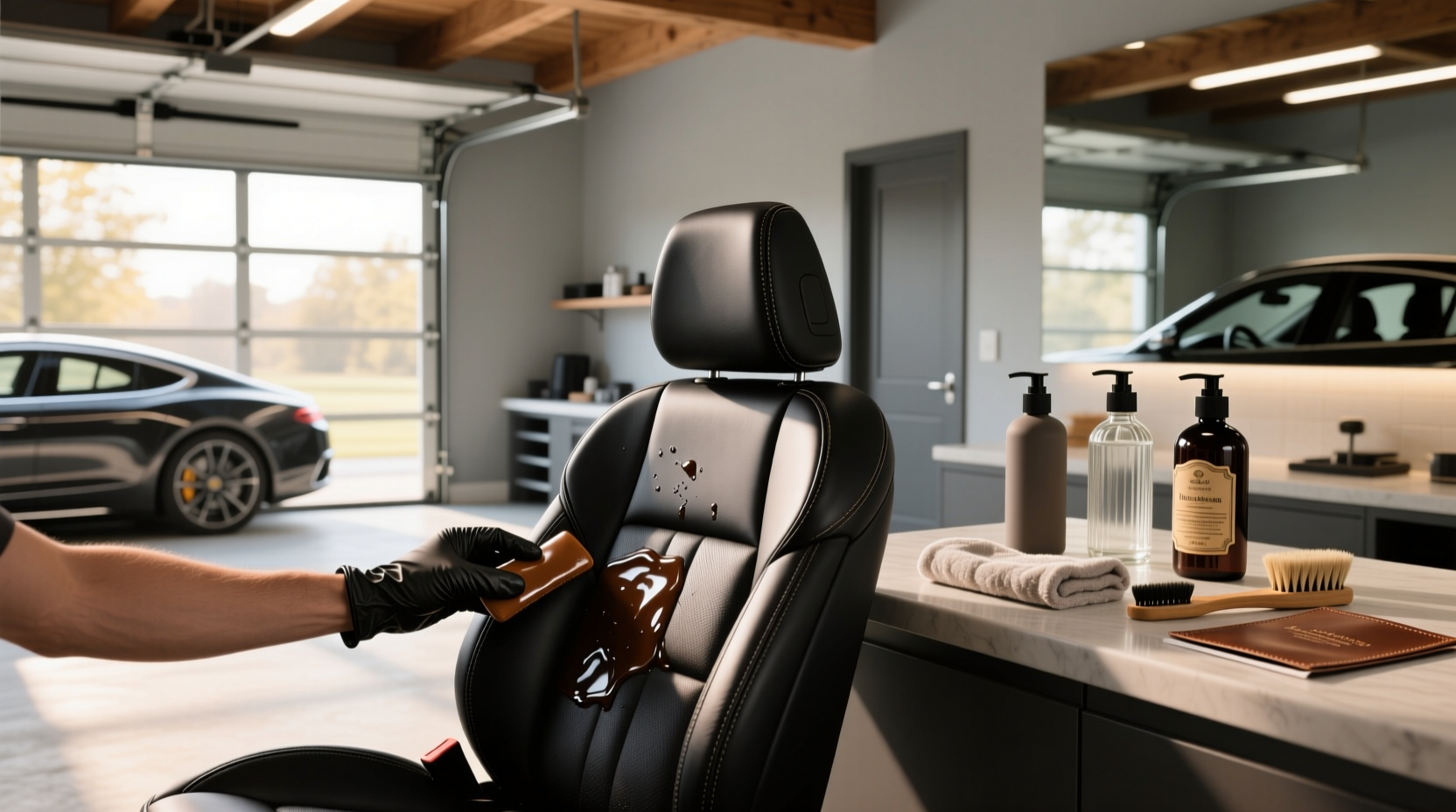
Lately, more drivers are noticing fine cracks or fading on their leather seats—especially after summer heat exposure. If you’re asking what to look for in a good leather conditioner for car seats, focus on three things: UV protection, compatibility with modern protected leather, and a non-greasy finish. Most factory-leather interiors today are not full-grain but top-coated, so they need conditioners that hydrate without degrading the surface layer. Skip heavy oils like mink oil—they can break down synthetic binders. Stick to pH-balanced, water-based formulas from brands like Colourlock or Chemical Guys. If you’re a typical user, you don’t need to overthink this. Clean first, condition every 3–6 months, and avoid silicone-heavy products that create false shine.
About Leather Conditioner for Car Seats
Leather conditioner is designed to replenish natural oils lost due to sunlight, temperature shifts, and friction. Modern car leather isn’t raw—it’s usually corrected grain with a protective polymer coating. This means it resists stains better than vintage leather but still dries out over time. Conditioning doesn’t mean soaking the material; it means restoring flexibility at the fiber level beneath the topcoat. The goal isn't aesthetic gloss but longevity: preventing micro-tears and delamination.
There’s ongoing debate about whether newer leather even needs conditioning. Some forums suggest factory coatings last years without intervention 1. But real-world feedback shows that regular use—especially in sunny climates—accelerates wear. If you’re a typical user, you don’t need to overthink this. Occasional conditioning won’t harm properly coated leather and may delay costly re-dyeing or replacement.
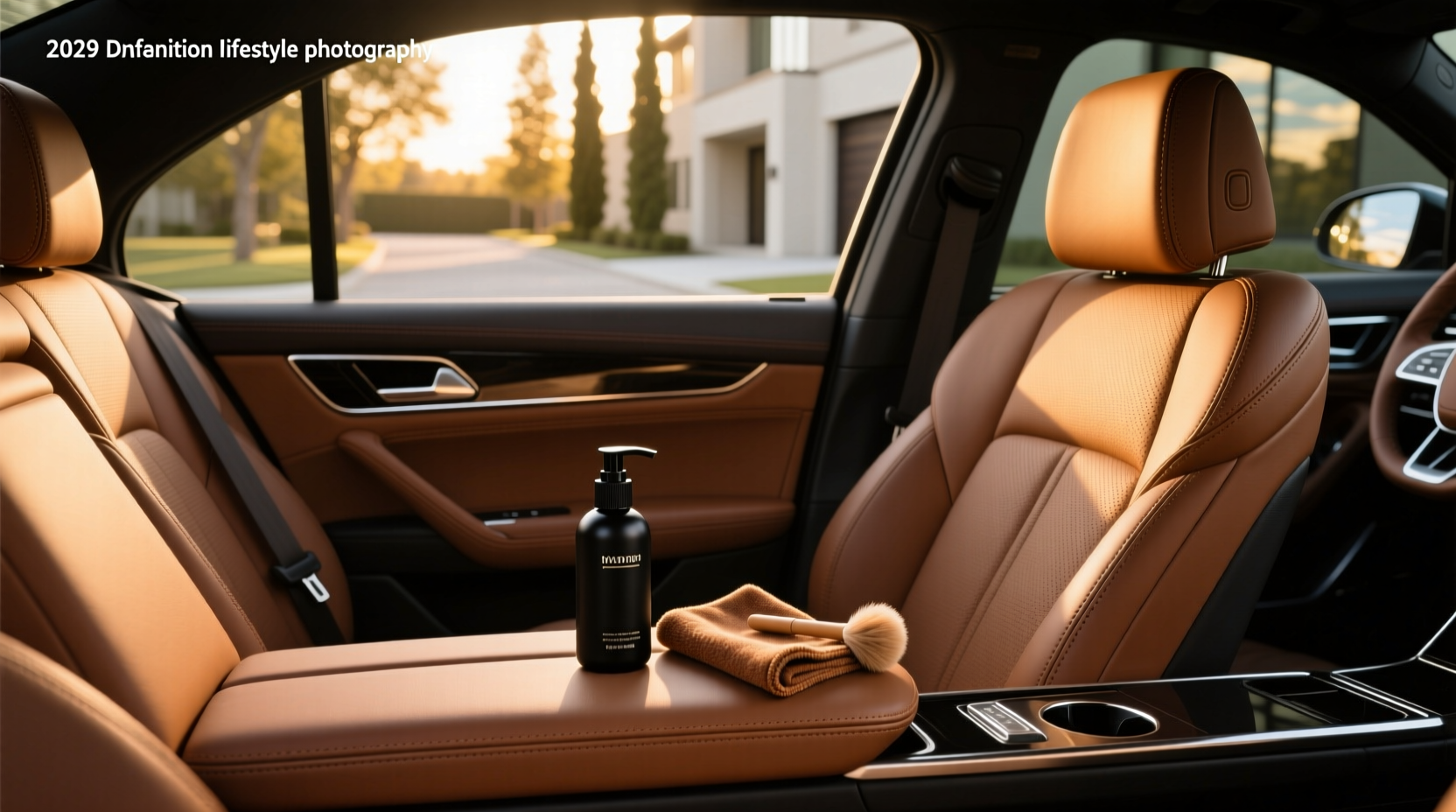
Why Leather Conditioning Is Gaining Popularity
Over the past year, resale value awareness has grown among everyday owners. Well-maintained interiors now influence trade-in offers more visibly. Dealerships inspect seat condition closely—not just for stains, but for suppleness and UV damage. That shift has made consumers proactive. It's no longer just enthusiasts who detail their cars; average drivers want to preserve comfort and appearance without professional costs.
The rise of electric vehicles also plays a role. EV cabins often feature larger leather surfaces and minimalist designs where flaws stand out. Owners report faster drying due to cabin heat management systems cycling less frequently than combustion engines. Combined with increased screen time (more touching surfaces), this creates higher wear visibility.
This piece isn’t for keyword collectors. It’s for people who will actually use the product.
Types and Variants
Not all conditioners work the same—even if labeled “for automotive use.” Here’s how types differ:
- Cream-based (e.g., Autoglym Leather Care Balm)
✅ Gentle, builds up protection gradually
❌ Requires frequent application; slower absorption
- Spray-on (e.g., Meguiar’s Hyper Polish)
✅ Fast application, good for large areas
❌ Risk of overspray on plastics; often lighter protection
- Ointment-style (e.g., Leather Honey)
✅ Deep penetration, long-lasting moisture
❌ Tacky feel until fully absorbed (can take hours)
❌ May darken light-colored leather temporarily
- Nano-protection (e.g., Gtechniq L1 Leather Guard)
✅ Forms invisible barrier against UV and moisture loss
✅ No residue, lasts 6+ months
❌ High cost; requires perfect surface prep
If you’re a typical user, you don’t need to overthink this. A cream or balanced liquid formula offers the best compromise between performance and ease.
Key Features and Specifications to Evaluate
When comparing options, assess these factors based on your actual usage:
UV Protection
When it’s worth caring about: You park outdoors regularly or live in high-sun regions (e.g., Southwest U.S., Mediterranean).
When you don’t need to overthink it: Your car stays garaged or under shade most days.
pH Balance
When it’s worth caring about: Your seats have manufacturer warnings against petroleum-based cleaners.
When you don’t need to overthink it: You're using a mainstream brand marketed specifically for auto interiors.
Residue Level
When it’s worth caring about: You dislike sticky or slippery seats post-application.
When you don’t need to overthink it: You’re willing to buff thoroughly after 10–15 minutes.
Application Frequency
When it’s worth caring about: You prefer low-maintenance routines.
When you don’t need to overthink it: You already clean your car monthly.
Pros and Cons
Pros:
- Extends usable life of leather surfaces
- Maintains seating comfort and appearance
- Helps retain resale value
- Prevents cracking that leads to costly repairs
Cons:
- Poor choices can leave greasy residue
- Overuse may soften adhesives in multi-layered trim
- Some formulas alter color or texture temporarily
- Requires cleaning step before application
How to Choose a Leather Conditioner (Buying Guide)
Follow this checklist to make a confident decision:
Step-by-Step Checklist
- Confirm your leather type: Protected (most common) vs. aniline/dyed (rare, luxury only).
- Check manufacturer recommendations—if any exist in owner’s manual.
- Select a cleaner-conditioner pair from the same line when possible.
- Avoid products listing mineral oil, lanolin, or animal fats as primary ingredients.
- Opt for those specifying “non-transfer” or “fast-absorbing” claims.
- Test on inconspicuous area (e.g., back of seat base) before full application.
Decision Flow
If your priority is…
- Speed: Choose spray-on with quick dry time ⚡
- Durability: Pick nano-coating or ointment ✨
- Safety on lights colors: Use pH-neutral, dye-free cream 🧼
- Budget-friendly: Mid-tier brand with UV filter (e.g., Weiman) 💰
Recommendations by Scenario
| Use Case | Recommended Type | Example Product |
|---|---|---|
| Daily driver, moderate sun | Cream-based | Chemical Guys Leather Conditioner |
| High-sun climate | Nano-protection | Gtechniq L1 Leather Guard |
| Frequent interior cleaning | Spray-on | Meguiar’s Gold Class Rich Leather Cleaner & Conditioner |
| Vintage-style restoration | Ointment | Leather Honey Leather Conditioner |
Red Flags / What to Avoid
- Products claiming “one-time permanent protection” ❗
- Conditioners requiring no cleaning beforehand 🔍
- Those sold alongside tire dressings with identical chemical bases 🚫
- Any item lacking ingredient transparency or safety data sheet access
If you’re a typical user, you don’t need to overthink this. Stick to known names focused on auto care, not general household brands repackaged for cars.
Price & Market Insights
Prices range from $8 for basic wipes to $60+ for nano-treatment kits. Creams typically cost $12–$20 per 8 oz. Spray formats may be slightly cheaper per unit but require more frequent use. Premium European brands (e.g., Colourlock) often retail higher due to import logistics and smaller batch production. However, effectiveness doesn't scale linearly with price—many mid-range options perform similarly under controlled conditions.
Note: Pricing may vary by region/model/seller. Always check manufacturer specs and verify retailer return policy before bulk purchases.
| Brand | Format | Avg Price (USD) | Key Feature | User Feedback Theme |
|---|---|---|---|---|
| Leather Honey | Ointment | $18 | Deep nourishment | “Works well but takes time to absorb” |
| Chemical Guys | Liquid/Cream | $15 | UV blocker included | “Easy to apply, no greasy feel” |
| Meguiar's | Spray/Cream | $13 | All-in-one cleaner + conditioner | “Good for quick maintenance” |
| Colourlock | System Kit | $45 | pH-safe, medical-grade ingredients | “Professional results, precise steps” |
| Gtechniq | Nano-liquid | $58 | Long-term molecular bond | “Worth it if prepped correctly” |
Customer Feedback Synthesis
Analysis of recent reviews reveals consistent patterns:
Most praised aspects:
- Products that don’t leave seats slippery
- Clear instructions with timing guidance
- No strong chemical odor during application
- Visible improvement in softness within one use
Most common complaints:
- Excess residue requiring multiple buffing rounds
- Darkening of浅色 leather after application
- Short shelf life once opened
- Inconsistent availability across retailers
One recurring insight: users who skipped the cleaning step reported poor absorption and patchiness. Pre-cleaning remains the strongest predictor of success.
Sourcing & Supplier Tips
Buy from suppliers specializing in automotive detailing, not general home goods stores. Look for distributors offering sample sizes or trial kits—this reduces risk when testing premium products. Independent shops like Apex Auto Pros or The Ultimate Finish often provide detailed usage videos and customer support beyond what mass-market vendors offer 2.
If buying online, confirm return policies and storage conditions. Heat-exposed shipments can degrade active ingredients. Store unopened bottles in cool, dark places. Once opened, use within 12 months unless specified otherwise.
Maintenance, Safety & Legal Considerations
No universal regulation governs consumer-grade leather conditioners. However, some countries restrict VOC content or require hazard labeling. To stay compliant:
- Review product SDS (Safety Data Sheet) before purchase
- Use gloves and ventilate cabin during application
- Keep away from children and pets until fully cured
- Dispose of used cloths properly—oily rags can self-ignite
Always follow vehicle manufacturer guidelines. While rare, improper products can void interior warranties. When in doubt, contact dealership service department with product name and formulation details.
Conclusion
If you need long-term seat preservation with minimal effort, choose a UV-protected, non-greasy cream conditioner applied every 3–6 months. If you prioritize deep restoration and own a classic or high-mileage vehicle, consider ointment-style or professional nano-treatments. For most daily drivers, mid-tier branded products deliver reliable results without complexity. If you’re a typical user, you don’t need to overthink this.
Everything You Need to Know
❓ Can I use household leather conditioner on my car seats?
No. Household products may contain ingredients unsafe for automotive binders or plastics. Always use conditioners labeled for vehicle interiors.
❓ How often should I condition leather car seats?
Every 3 to 6 months if exposed to direct sunlight; once per year for garage-stored vehicles. Clean first, then condition.
❓ Does leather conditioner protect against spills?
Not directly. While some add water resistance, no conditioner replaces proper stain guard. Use dedicated impregnation sprays for spill protection.
❓ Will leather conditioner darken my seats?
Sometimes temporarily. Ointments like Leather Honey may darken light leather initially. Test in hidden area first. Effect usually evens out after 24 hours.
❓ Is it safe to condition heated leather seats?
Yes, as long as the system is off and cooled down. Apply conditioner only to clean, dry surfaces. Avoid getting product into heating element seams.




 浙公网安备
33010002000092号
 浙B2-20120091-4