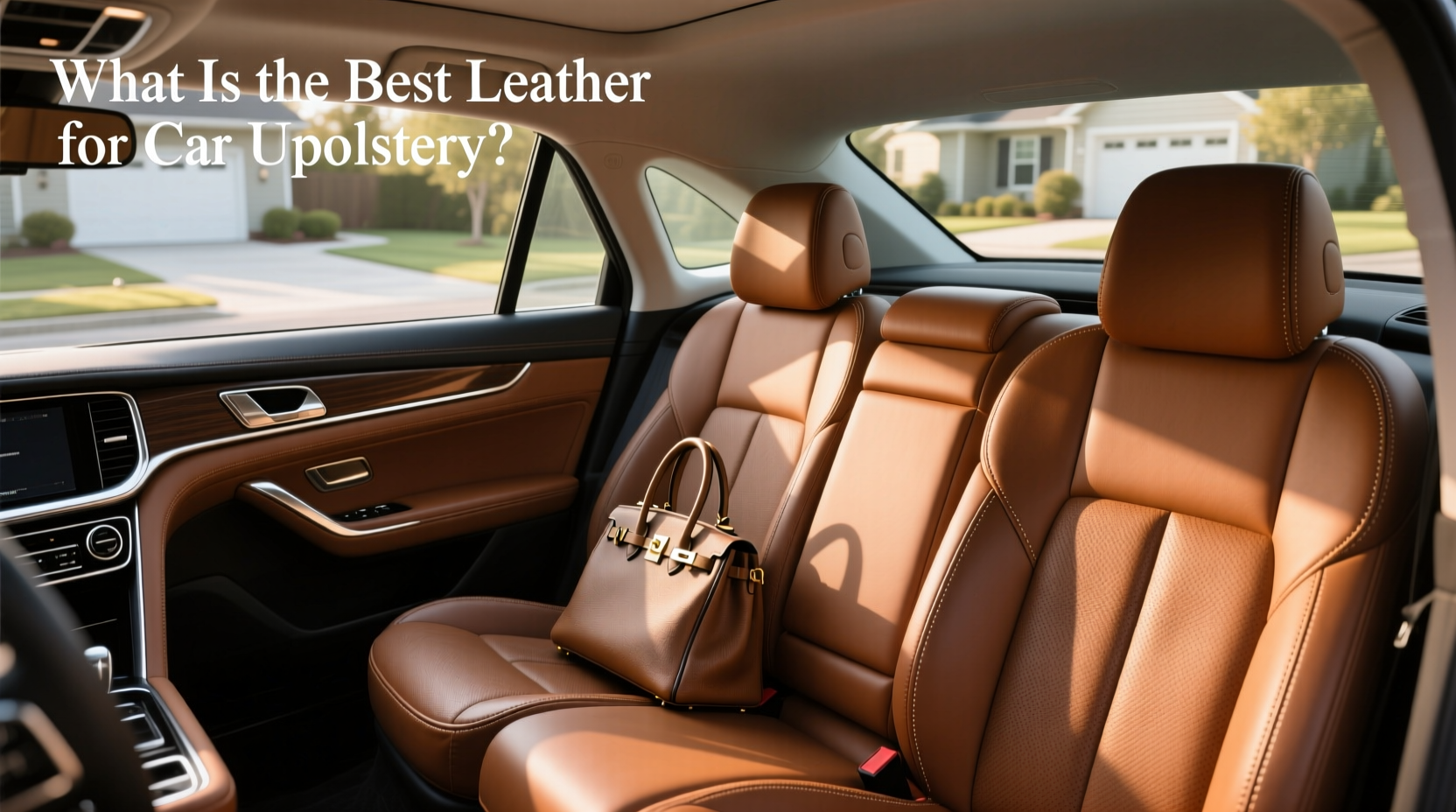
Short introduction
If you’re a typical user, you don’t need to overthink this. For most drivers, top-grain or corrected-grain leather offers the best balance of comfort, durability, and cost when upgrading or maintaining car interiors. Over the past year, more owners have shifted focus from pure luxury (like full-grain) to practical performance—especially in climates with high UV exposure or humidity. What to look for in automotive leather? Prioritize UV resistance, breathability, and ease of cleaning over prestige labels like 'Nappa' or 'Italian hide.' Avoid assuming 'genuine leather' means quality—it often doesn’t. Many modern vehicles use pigmented finishes that resist fading but reduce natural softness. If you drive daily, skip aniline-dyed leathers—they stain easily.
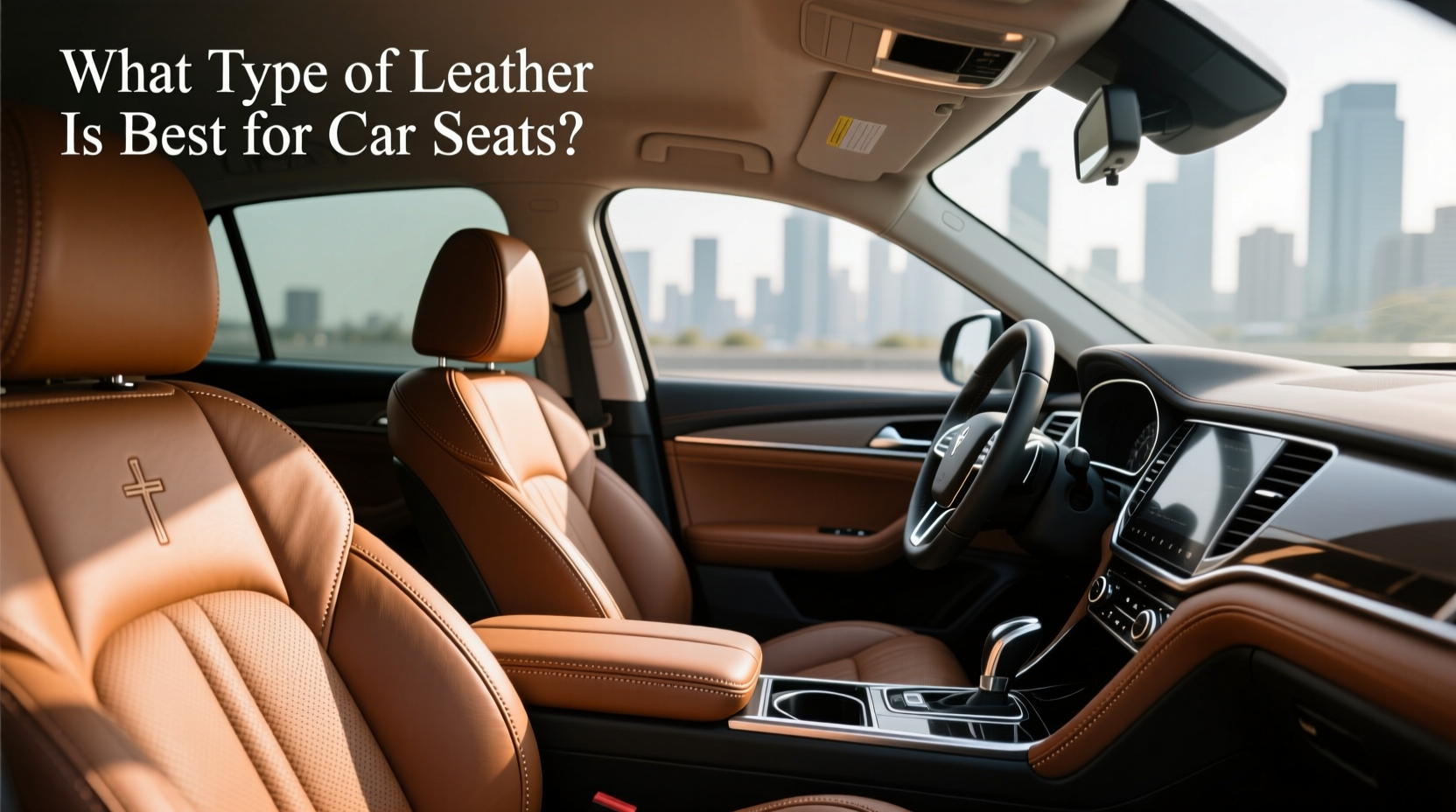
About Automotive Leather
Automotive leather isn't just regular leather adapted for cars—it's engineered for specific stressors: constant friction, temperature swings, UV radiation, and spills. Unlike furniture leather, it must pass abrasion tests, lightfastness ratings, and cold-crack thresholds before being approved for production. The base material starts as raw hide, usually from cattle, but what happens after tanning defines its final class. Most OEMs use split hides treated with polymer coatings to enhance wear resistance. This processing makes them more durable than untreated full-grain but less breathable. If you’re a typical user, you don’t need to overthink this—what matters is how the leather performs in your driving conditions, not its origin story.
Why Automotive Leather Is Gaining Popularity
Lately, there’s been renewed interest in interior materials due to longer vehicle ownership cycles. People keep cars longer, so seat longevity has become a priority. Also, resale value perception plays a role—leather interiors still signal premium status in used markets, even if fabric tech has improved. Another shift: awareness of maintenance. Newer protective treatments make leather easier to clean, reducing long-term anxiety about spills or pet damage. However, synthetic alternatives like polyurethane (PU) and thermoplastic olefin (TPO) are gaining ground because they mimic leather at lower cost and avoid animal products. Still, for tactile feel and aging behavior, real leather remains preferred by many enthusiasts. This piece isn’t for keyword collectors. It’s for people who will actually use the product.
Types and variants
Full-Grain Leather
Natural grain intact, minimal surface correction. Develops a patina over time.
- Pros: Most durable, ages beautifully, breathable
- Cons: Expensive, shows scratches initially, harder to clean uniformly
When it’s worth caring about: Show cars, low-mileage classics, personal restorations.
When you don’t need to overthink it: Daily drivers in dusty or humid regions where protection outweighs aesthetics.
Top-Grain Leather
Sanded and refinished to remove imperfections. Most common OEM choice.
- Pros: Uniform appearance, good durability, accepts dyes well
- Cons: Less breathable than full-grain, thinner layer
When it’s worth caring about: Balancing cost and comfort in family vehicles.
When you don’t need to overthink it: When comparing trims within the same model line—differences may be negligible.
Nappa Leather
Soft, aniline-touched finish, often from lambskin or calfskin. Marketed heavily in luxury brands.
- Pros: Extremely soft, luxurious hand-feel
- Cons: Prone to staining, requires frequent conditioning
When it’s worth caring about: Short-term ownership of high-end sedans.
When you don’t need to overthink it: In SUVs or trucks exposed to mud, kids, or pets.
Corrected-Grain / Pigmented Leather
Surface buffed and coated with pigment layer. Standard in most mass-market 'leather' interiors.
- Pros: Resists fading, easy to wipe clean, affordable
- Cons: Feels plasticky, can crack over time under heat
When it’s worth caring about: Hot climates with strong sun exposure.
When you don’t need to overthink it: When dealerships call it 'premium' without specifying treatment type.
Synthetic Leather (PU, TPO, Vegan)
Man-made materials designed to replicate leather look and feel.
- Pros: Lower cost, consistent color, cruelty-free, often more water-resistant
- Cons: Shorter lifespan, can peel, lacks natural breathability
When it’s worth caring about: Budget builds or eco-conscious buyers.
When you don’t need to overthink it: If marketing calls it 'eco-leather' without disclosing base resin type.
Key features and specifications to evaluate
- Thickness: Measured in mm; 1.0–1.4mm is standard. Thicker isn’t always better—flexibility matters too.
- Tensile strength: Resistance to stretching; higher is better for seat bolsters.
- Lightfastness rating: How well it resists fading under UV; look for ≥6 on Blue Wool Scale.
- Color fastness: Won’t bleed when wiped; critical for light-colored interiors.
- Breathability: Especially important in tropical zones; aniline-treated leathers score higher.
- Coating type: Water-based vs solvent-based; affects flexibility and environmental impact.
If you’re a typical user, you don’t need to overthink this. These specs are rarely disclosed upfront, so rely on touch, smell, and third-party reviews instead.
Pros and cons
| Material Type | Pros | Cons |
|---|---|---|
| Full-Grain | Longest lifespan, develops character, highly breathable | Pricier, shows early wear, needs care |
| Top-Grain | Balanced performance, widely available, moderate price | Less natural feel, coating may degrade |
| Nappa | Luxurious softness, premium branding | High maintenance, stains easily |
| Pigmented | UV-resistant, easy to clean, budget-friendly | Can feel artificial, prone to cracking |
| Synthetic | Eco option, uniform finish, vegan | Shorter life, peeling risk, poor heat tolerance |
How to choose the best leather for cars
Step-by-step checklist
- Determine usage: daily driver, weekend cruiser, show car?
- Assess climate: extreme heat, cold, or humidity?
- Test touch and smell: does it feel supple or plasticky?
- Ask about finish type: pigmented, semi-aniline, or full aniline?
- Check warranty terms: does it cover cracking or peeling?
- Verify cleaning method: manufacturer-recommended only?
- Review return policy: especially for aftermarket covers.
Decision flow
- If you live in a sunny region → prioritize UV-stable pigmented or top-grain.
- If you have kids or pets → avoid Nappa; go for coated or synthetic.
- If restoring a classic → full-grain adds authenticity.
- If on a tight budget → consider high-quality synthetic with breathable backing.
Recommendations by scenario
- Family SUV: Top-grain with protective coating
- Luxury sedan: Nappa if garaged; otherwise switch to pigmented
- Classic restoration: Full-grain with aniline dye
- Hot climate hatchback: Synthetic with matte finish
Red flags / what to avoid
- 'Genuine leather' without grade specification
- No information on finishing process
- Unrealistic claims like 'zero maintenance'
- Aftermarket sellers refusing samples
- Products priced far below market average
This piece isn’t for keyword collectors. It’s for people who will actually use the product.
Price & market insights
Prices vary significantly by region, brand, and whether the leather is factory-installed or aftermarket. Factory options typically add $1,500–$4,000 to MSRP. Aftermarket seat covers range from $200 (synthetic) to $1,200+ (full-grain custom fit). In India and Southeast Asia, imported Italian or German hides command premium pricing despite similar performance to local top-grain. Always confirm whether installation is included. Note: Some dealers advertise 'leather-trimmed' seats meaning only seating surfaces are leather—backs and sides may remain fabric or vinyl. If you’re a typical user, you don’t need to overthink this—focus on total installed cost, not just material price.
Top-seller & competitive analysis
While global sales data isn't public, forum discussions and supplier catalogs suggest dominant trends. Brands like Bridge of Weir (UK), Mastrotto (Italy), and Eagle Ottawa (US) supply major automakers. Their materials emphasize sustainability certifications and chrome-free tanning. In the aftermarket, Alibaba-based suppliers offer large-volume options for custom reupholstery. Below is a representative comparison of popular choices:
| Product/Brand | Type | Common Use Case | Known For |
|---|---|---|---|
| Bridge of Weir Eco Circular | Top-grain, chrome-free | OEM Luxury (Jaguar, Range Rover) | Sustainability, durability |
| Mastrotto Classico | Full-grain, semi-aniline | Performance Cars (Ferrari, Maserati) | Softness, aging quality |
| Eagle Ottawa StarChrome | Top-grain, pigmented | Mainstream Premium (Ford, GM) | UV resistance, consistency |
| Alibaba Supplier A (Generic Nappa) | Split-hide, coated | Aftermarket Replacements | Low cost, wide color range |
Customer feedback synthesis
Across forums and review platforms, two patterns emerge:
- Positive themes: Appreciation for softness (especially Nappa), ease of cleaning on pigmented finishes, pride in owning 'real leather.'
- Common complaints: Premature cracking in hot climates (often on older pigmented leathers), misleading labeling ('leather-appointed' meaning partial coverage), difficulty matching colors during repairs.
One recurring insight: Buyers who test materials in person report higher satisfaction than those relying solely on brochures or online descriptions. Climate-specific dissatisfaction peaks in Arizona, UAE, and Australia—regions with intense sunlight and heat. If you’re a typical user, you don’t need to overthink this—your local environment matters more than global reputation.
Sourcing & supplier tips
For replacements or upgrades, consider:
- Ordering OEM-spec leather directly from authorized distributors
- Using Alibaba suppliers for bulk projects—but request physical samples first
- Verifying batch numbers and country of origin
- Avoiding 'universal fit' claims; precise cutting templates matter
Always ask for test reports on lightfastness and tensile strength—even if not shared, legitimate suppliers will acknowledge the request. Beware of sellers using stock photos instead of actual product images. This piece isn’t for keyword collectors. It’s for people who will actually use the product.
Maintenance, safety & legal considerations
Maintenance directly affects longevity. Use pH-balanced cleaners; avoid silicone-heavy polishes that create slick surfaces. Condition every 6–12 months depending on climate. Never use household detergents—they strip natural oils. From a safety standpoint, degraded leather can tear during airbag deployment, though no widespread incidents are documented. Legally, labeling standards vary: EU requires disclosure of animal origin and treatment type; US FTC allows 'leather' for any animal hide regardless of processing. To verify claims, check manufacturer specs or request material data sheets. If you’re a typical user, you don’t need to overthink this—just follow the care guide that came with your vehicle.
Conclusion
If you need long-term durability in harsh conditions, choose pigmented or top-grain leather. If you want luxury feel for short ownership periods, Nappa works—but expect higher upkeep. For budget builds or ethical preferences, modern synthetics offer credible alternatives. Ultimately, the best leather matches your driving habits, environment, and willingness to maintain it. Don’t chase labels. Focus on performance.
Everything You Need to Know
❓ What does 'genuine leather' mean in cars?
'Genuine leather' only means it comes from animal hide—it doesn’t indicate quality. It can refer to low-grade corrected leather with heavy coatings. May vary by region/model/seller. Check manufacturer specs for exact type.
❓ Is Italian leather better than German for cars?
Not objectively. Italian leather is often softer and more characterful; German tends to be uniform and durable. Neither is superior across all uses. Preference depends on desired look and climate. Verify through sample testing.
❓ Do leather seats require more maintenance in summer?
Yes. Heat and UV accelerate drying and cracking. Park in shade, use windshields shades, and condition leather every 6 months in hot climates. If you’re a typical user, you don’t need to overthink this—routine wiping and annual conditioning suffice for most.
❓ Can I replace my fabric seats with leather myself?
Possible, but complex. Requires precise cutting, sewing skills, and foam shaping. Mistakes affect safety and comfort. Professional installation recommended. Confirm local regulations if modifying factory safety systems.
❓ Are vegan leather car seats durable?
Some are. High-end PU and TPO materials last 5–7 years under normal use. Cheaper versions may peel within 2–3 years. Performance varies by formulation. Check warranty and user reviews before buying.




 浙公网安备
33010002000092号
 浙B2-20120091-4