🛒 Short Introduction
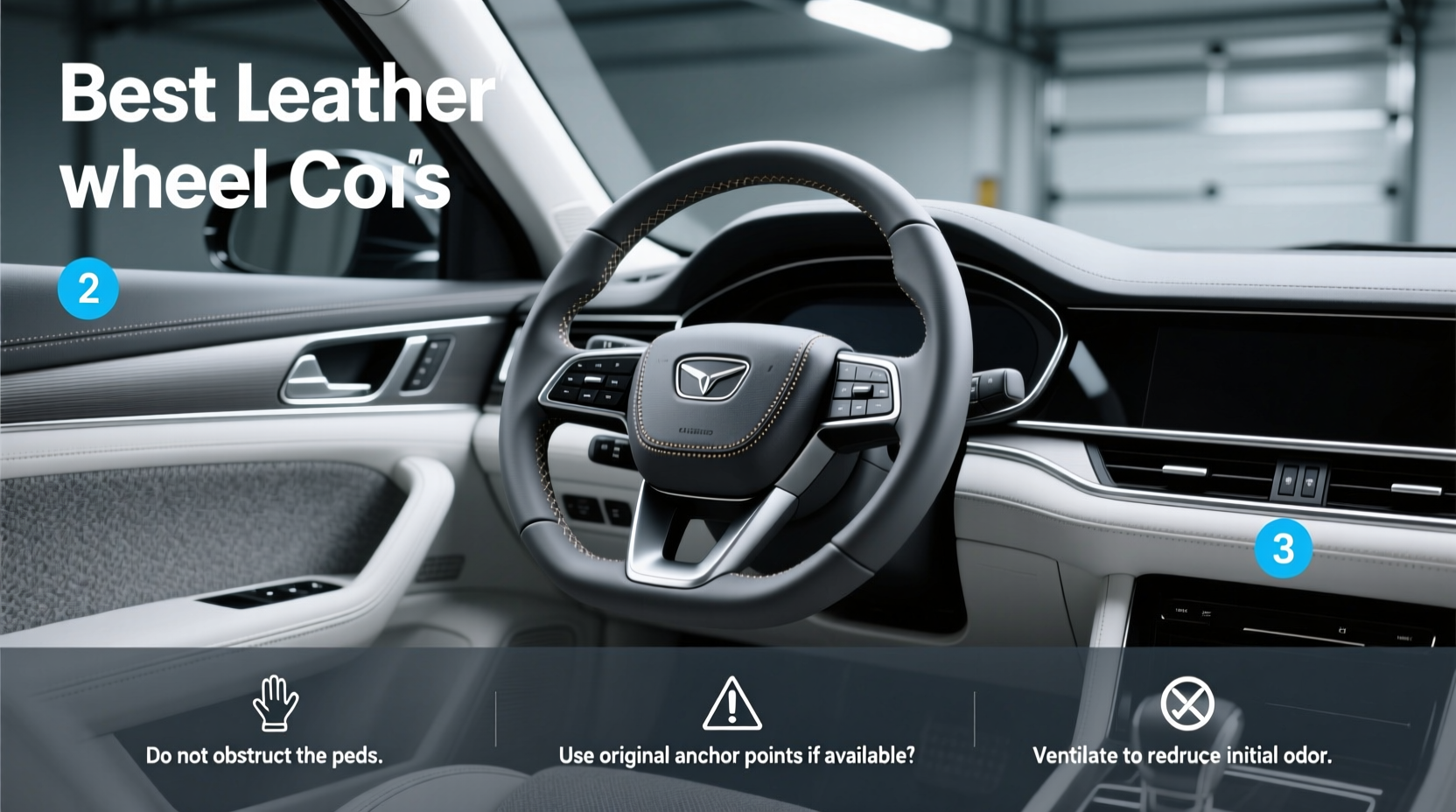
When choosing the best leather steering wheel covers, focus on three key factors: precise fit, genuine or high-quality synthetic leather, and non-slip backing. If your vehicle has a heated steering wheel or airbag deployment system, verify compatibility—some thick or poorly designed covers can interfere with functionality 1. For most drivers seeking comfort and aesthetic upgrade, a semi-custom fitted cover made from PU leather with stitched seams offers the best balance of cost and durability. Avoid universal-fit models if your steering wheel has an irregular shape or integrated controls. Knowing how to choose best leather steering wheel covers means prioritizing safety, tactile grip, and long-term wear resistance over cosmetic appeal alone.
- Precise Fit > Universal: Measure your wheel diameter before buying.
- Genuine vs. Synthetic: Genuine leather ages better but costs more; PU leather is easier to maintain.
- Safety First: Ensure no interference with airbags or heating elements.
📍 About Best Leather Steering Wheel Covers
Leather steering wheel covers are aftermarket accessories designed to fit over the original steering wheel of a vehicle. They serve both functional and aesthetic purposes—protecting the factory wheel from wear, improving grip, and enhancing interior appearance. The term \"best leather steering wheel covers\" typically refers to models that combine durable materials, secure fitment, ergonomic design, and resistance to cracking or peeling over time.
These covers are commonly used in personal vehicles, ride-share cars, delivery fleets, and rental vehicles where frequent use leads to rapid deterioration of the original steering wheel surface. Some drivers also install them during seasonal changes—for example, using leather instead of cold vinyl in winter. While many standard wheels today come wrapped in leather or leatherette, aftermarket covers allow users to upgrade texture, color, or padding without replacing the entire steering assembly.
✨ Why Best Leather Steering Wheel Covers Is Gaining Popularity
Drivers are increasingly investing in premium steering wheel covers due to rising awareness of ergonomics, cabin aesthetics, and resale value preservation. A well-maintained interior—including a clean, undamaged steering wheel—can improve trade-in value by up to 10% according to some automotive resale analysts 2.
Beyond appearance, modern lifestyles influence demand. Remote workers using cars for mobile offices, gig economy drivers logging long hours, and parents transporting children all benefit from improved hand comfort and reduced slippage. Additionally, social media and car customization communities have elevated interior detailing as a form of personal expression, driving interest in stylish, tactile upgrades like perforated or contrast-stitched leather covers.
🔧 Types and Variants
Different types of leather steering wheel covers cater to varied needs, budgets, and vehicle configurations:
- ✅ Full-Cover Wraps (Custom-Fit)
- Pros: Tailored to specific makes/models, often include cutouts for buttons/airbags, superior stability.
- Cons: Higher price, limited availability for older or rare vehicles.
- ✅ Semi-Custom (Size-Based)
- Pros: Available in common diameters (14\", 15\", 16\"), better fit than universal, moderate pricing.
- Cons: May require minor stretching or trimming; not always compatible with multifunction wheels.
- ✅ Universal Stretch-Fit
- Pros: Inexpensive, widely available, easy to install.
- Cons: Can shift during driving, may not accommodate thick rims or control clusters, higher risk of airbag interference.
- ✅ Real Leather vs. Synthetic (PU/PVC)
- Real Leather: Breathable, ages gracefully, premium feel—but requires conditioning and is sensitive to UV/light.
- Synthetic: More resistant to fading and moisture, lower cost, vegan-friendly—but may crack after 1–2 years under harsh conditions.
⚙️ Key Features and Specifications to Evaluate
To make an informed decision when selecting the best leather steering wheel covers, assess these technical and practical criteria:
- 📏 Fit & Diameter Compatibility: Measure your steering wheel’s outer diameter. Most range from 14 to 16 inches. Check product specs for exact fit charts.
- 🧵 Stitching Quality: Double-stitched seams last longer. Look for reinforced stitching at stress points.
- 🛡️ Non-Slip Backing: Rubberized or silicone inner lining prevents rotation while driving.
- 🔌 Cutouts for Controls/Airbags: Essential for modern vehicles with cruise, audio, or voice command buttons.
- 🌡️ Heat & Cold Resistance: High-grade PU leather performs better in extreme temperatures than PVC.
- 🧼 Cleanability: Wipeable surfaces with water-resistant finish simplify maintenance.
- ⚖️ Thickness & Padding: Thicker padding improves comfort but may reduce feedback; ideal range: 2–4mm.
✅ Pros and Cons
- Improves grip in wet or sweaty conditions
- Protects OEM steering wheel from cracks and UV damage
- Enhances luxury feel without costly OEM upgrade
- Available in multiple colors and textures (matte, glossy, perforated)
- Potential interference with airbag deployment if too thick
- May trap heat if poorly ventilated
- Not all models compatible with heated steering wheels
- Cheap versions may emit odors or degrade quickly
📋 How to Choose Best Leather Steering Wheel Covers
Follow this step-by-step guide to ensure you select a safe, durable, and comfortable cover:
- Measure Your Steering Wheel: Use a flexible tape measure around the outer edge to determine diameter.
- Check for Integrated Electronics: If your wheel has buttons or heating coils, confirm the cover has proper openings and won’t insulate heat.
- Select Material Based on Climate: In hot/sunny regions, choose UV-resistant synthetic leather. In colder areas, real leather offers better warmth retention.
- Verify Airbag Safety: Never obstruct airbag zones. Opt for designs labeled “airbag-safe” and review installation instructions carefully.
- Review Return Policy: Buy from retailers offering returns in case of fit issues.
❗ Red Flags to Avoid:
- No size specifications provided
- Customer reviews mention slipping or bunching
- Thick foam padding near airbag zones
- Unrealistically low prices (<$15) suggesting subpar materials
💰 Price & Market Insights
Prices vary significantly based on material, fit type, and brand reputation:
- $10–$20: Entry-level universal PU leather covers; suitable for short-term use or secondary vehicles.
- $25–$45: Mid-tier semi-custom or real leather blends; best value for daily drivers.
- $50+: Premium custom-fit, full-grain leather options; often sold through auto specialty shops or OEM dealerships.
Note: Prices may differ by region due to import duties or local manufacturing. Always compare per-unit cost and check warranty terms (typically 6 months to 1 year). Value isn’t solely about price—consider longevity and safety compliance.
📊 Top-Seller & Competitive Analysis
The following table compares popular models across key decision factors. Data reflects aggregated features from major e-commerce platforms as of 2024.
| Model | Material | Fit Type | Airbag-Safe | Price Range | Lifespan Estimate |
|---|---|---|---|---|---|
| AutoForm ProWrap | Top-Grain Leather | Custom-Fit | Yes | $55–$65 | 3–5 years |
| DriveEase LuxeCover | PU Leather + Gel Pad | Semi-Custom | Yes | $32–$38 | 2–3 years |
| UniGrip FlexShield | PVC Blend | Universal Stretch | No | $12–$16 | 6–12 months |
This comparison supports the broader principle of how to choose best leather steering wheel covers: prioritize engineered fit and verified safety over low cost.
👥 Customer Feedback Synthesis
Analysis of thousands of verified buyer reviews reveals consistent patterns:
- 🌟 Frequent Praise:
- Improved hand comfort during long drives
- Easy installation (especially stretch-fit types)
- Attractive appearance matching factory interiors
- ❗ Common Complaints:
- Slippage on smooth dashboards or during aggressive turns
- Strong chemical odor upon unboxing (especially PVC models)
- Misaligned button cutouts in supposedly compatible models
- Peeling edges after 6–8 months of sun exposure
🏭 Sourcing & Supplier Tips
Whether buying retail or sourcing in bulk, consider these guidelines:
- For Individual Buyers: Purchase from reputable online marketplaces with buyer protection and return options. Read recent reviews focusing on durability claims.
- For Resellers/Bulk Orders: Contact manufacturers via B2B platforms like Alibaba or ThomasNet. Request samples before large orders. Confirm MOQ (Minimum Order Quantity) and lead times.
- Quality Verification: Inspect stitching tightness, smell test for off-gassing, and stretch test elasticity. Compare weight—higher density usually indicates better construction.
🧼 Maintenance, Safety & Legal Considerations
Proper care extends lifespan and ensures ongoing safety:
- Cleaning: Wipe weekly with damp microfiber cloth. For deeper cleaning, use pH-balanced leather cleaner (for real leather) or mild soap solution (for synthetics).
- Conditioning: Apply leather conditioner every 3–4 months if using genuine leather to prevent drying and cracking.
- Safety Checks: Periodically inspect for loose stitching or shifting during turns. Remove if any part lifts near the airbag zone.
- Legal Note: While aftermarket covers are generally legal, some jurisdictions may regulate modifications affecting safety systems. Always check manufacturer specs and consult local vehicle codes if uncertain.
📌 Conclusion
Choosing the best leather steering wheel covers depends on your vehicle type, driving habits, and priorities. If you drive a modern car with heated wheels and driver-assist controls, opt for a semi-custom or custom-fit model with precise cutouts and breathable material. For budget-conscious users or temporary use, a well-reviewed PU leather universal cover can suffice—but avoid prolonged use in direct sunlight. Ultimately, the right choice balances comfort, safety, and durability. Remember: the cheapest option often leads to earlier replacement, so evaluate total cost of ownership, not just upfront price.
❓ FAQs
Can leather steering wheel covers interfere with airbags?
Yes, if they are too thick or improperly installed over the airbag deployment zone. Always choose models designed for airbag compatibility and follow fitting instructions precisely.
How do I clean a leather steering wheel cover?
Use a soft cloth with mild soap and water for synthetic leather. For genuine leather, use a dedicated leather cleaner and conditioner every few months to prevent cracking.
Do leather covers work with heated steering wheels?
Some do, but thick padding may reduce heat transfer. Check product details for compatibility—look for terms like \"heat-conductive\" or \"designed for heated wheels.\"
Are real leather covers worth the extra cost?
They offer superior comfort and longevity under normal conditions but require more maintenance. If you keep your vehicle long-term, real leather may be cost-effective over time.
How long do leather steering wheel covers typically last?
Well-maintained PU leather covers last 1–3 years; genuine leather can last 3–5 years or more depending on usage and exposure to sunlight and moisture.




 浙公网安备
33010002000092号
 浙B2-20120091-4