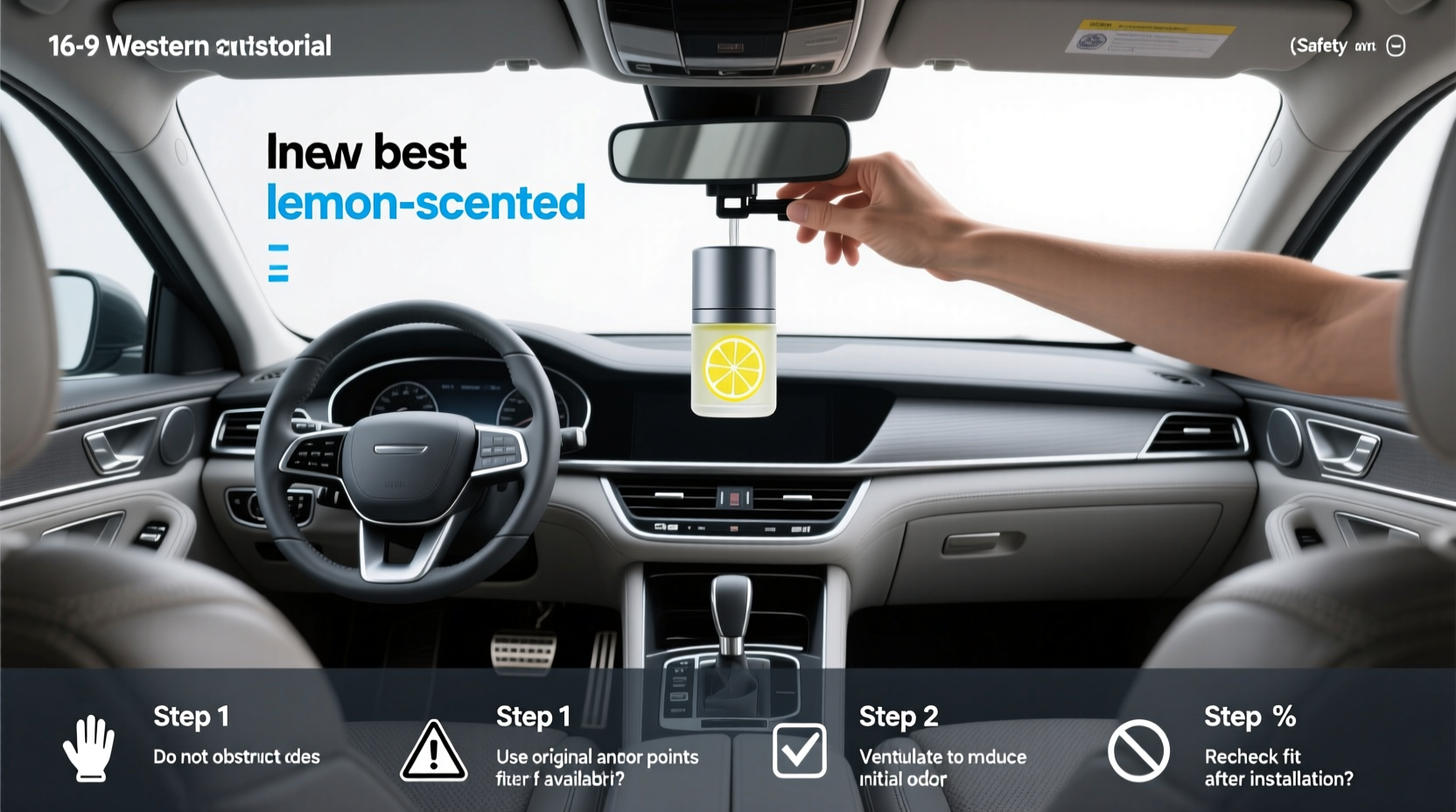
🛒 Short Introduction: What to Look for in the Best Lemon Car Air Freshener
When choosing the best lemon car air freshener, focus on scent longevity, material safety, ease of installation, and ventilation compatibility. For drivers seeking a clean, uplifting aroma without synthetic overwhelm, natural essential oil-based options with adjustable intensity are often ideal. If you're sensitive to strong fragrances or have children or pets, opt for non-toxic, phthalate-free formulas. Vent clip models offer consistent airflow activation but may fade faster than gel or vent-diffuser types. For long-term use, consider refillable systems to reduce waste and cost over time. Avoid products with artificial dyes or alcohol-based carriers if you’re concerned about dashboard residue or allergic reactions. This guide walks through how to choose best lemon car air freshener based on real-world performance, user feedback, and practical usage scenarios.
📍 About Best Lemon Car Air Freshener
A lemon car air freshener is a compact product designed to neutralize odors and emit a citrusy, fresh scent inside vehicle cabins. The \"best\" versions typically combine effective odor masking with long-lasting fragrance release and safe materials. These fresheners come in various forms—vent clips, hanging cards, gels, sprays, and electronic diffusers—and are used primarily to combat lingering smells from food, sweat, pets, or mildew.
Lemon-scented variants are especially popular due to their bright, clean aroma that mimics freshness and disinfection, even though they don’t actually sanitize surfaces. Common use cases include daily commuters wanting a refreshing drive, rideshare drivers maintaining cabin appeal, parents managing kid- or pet-related odors, and fleet operators ensuring consistent interior quality across vehicles.
✨ Why Best Lemon Car Air Freshener Is Gaining Popularity
The rise in demand for lemon-scented car fresheners reflects broader consumer trends toward natural, energizing fragrances. Unlike heavy musks or artificial florals, lemon offers a crisp, invigorating scent associated with cleanliness and alertness—ideal for driving environments. Studies suggest citrus aromas may improve mood and concentration1, making them appealing for long drives or stressful commutes.
Additionally, increased awareness of indoor air quality has pushed manufacturers to develop safer formulations. Many now advertise plant-based ingredients, recyclable packaging, and reduced volatile organic compounds (VOCs). As remote work blurs lines between personal and mobile spaces, users treat cars more like extensions of living areas—prompting greater attention to ambient scent.
🔧 Types and Variants
Different formats suit different lifestyles and vehicle setups. Here’s a breakdown of common types:
Vent Clips
- Pros: Direct airflow maximizes scent dispersion; easy to install/remove; widely compatible with most HVAC vents.
- Cons: May dry out faster; can obstruct airflow slightly; some designs break easily when adjusting vents.
Hanging Cards (Visor or Rearview)
- Pros: No contact with dashboard (reducing UV degradation); passive diffusion avoids overpowering scents; inexpensive.
- Cons: Slower release; limited coverage in larger vehicles; may swing and distract driver.
Gel-Based Fresheners
- Pros: Long-lasting (up to 4–6 weeks); steady emission; often spill-proof.
- Cons: Can leak if container cracks; may attract dust; not always refillable.
Sprays
- Pros: Immediate effect; good for quick refresh between longer-term solutions; portable.
- Cons: Short-lived (minutes to hours); repeated use increases exposure to propellants; risk of overspray on electronics.
Electronic Diffusers
- Pros: Adjustable intensity; consistent output; rechargeable models reduce waste.
- Cons: Higher upfront cost; requires power via USB or 12V port; potential noise from fans.
⚙️ Key Features and Specifications to Evaluate
To make an informed decision when selecting the best lemon car air freshener, assess these criteria:
- Fragrance Type: Natural essential oils vs. synthetic aroma compounds. Natural options tend to be less irritating but may vary in strength.
- Scent Longevity: Ranges from 1 week (sprays) to 2+ months (gels, refills). Check manufacturer estimates, but expect variation based on temperature and airflow.
- Material Safety: Look for labels indicating “phthalate-free,” “BPA-free,” and “non-toxic.” Avoid alcohol-heavy bases if prone to skin irritation or dashboard cracking.
- Installation Method: Ensure compatibility with your car’s vent design or available hanging points.
- Adjustability: Some models allow control over scent strength (e.g., sliding caps, fan speed settings).
- Eco-Friendliness: Refillable systems and biodegradable components reduce environmental impact.
- Packaging & Dosage: Multi-packs offer value; single-use pods simplify replacement.
✅ Pros and Cons
Advantages:
- Improves perceived cabin cleanliness
- Lemon scent promotes mental alertness during drives
- Inexpensive compared to professional detailing
- Wide availability across retailers
Disadvantages:
- Potential allergens in synthetic fragrances
- Some materials degrade plastic dashboards under heat
- Overpowering scents can cause headaches
- Limited effectiveness against deep-seated odors (e.g., mold, smoke)
Best suited for: Daily odor maintenance, short trips, shared vehicles.
Not recommended for: Replacing deep cleaning, eliminating tobacco or pet urine odors, allergy-prone individuals without patch testing.
📋 How to Choose Best Lemon Car Air Freshener
Follow this step-by-step checklist to select the right product:
- Identify Your Primary Need: Odor masking? Mood enhancement? Passenger impression?
- Assess Vehicle Compatibility: Do you have accessible vents? Enough space for a gel jar? Power ports for electronic units?
- Check Ingredient List: Prioritize transparent labeling. Avoid vague terms like “fragrance” without clarification.
- Consider Usage Duration: Frequent travelers may prefer long-lasting gels or refillables; occasional drivers might opt for disposable clips.
- Test Scent Strength Preference: Start with low-intensity options if unsure. You can always increase later.
- Evaluate Environmental Impact: Choose recyclable or reusable containers where possible.
- Budget Planning: Factor in replacement frequency. A $10 refillable system may save money over $3 single-use items replaced monthly.
❗ Red Flags to Avoid
- No listed ingredients or safety warnings
- Claims of “air purification” or “germ-killing” without third-party certification
- Excessively cheap multi-packs with unclear branding
- Products leaking reviews mentioning dashboard damage or strong chemical smell
- Non-removable adhesive residues
💰 Price & Market Insights
Pricing varies significantly by type and brand:
- $1–$3: Basic hanging cards or single vent clips (disposable)
- $4–$8: Premium vent clips, gel jars, or small spray bottles
- $9–$20: Electronic diffusers, multi-packs, or luxury natural oil blends
- $20+: Smart diffusers with app control or subscription refill services
Mid-range ($5–$10) products often balance performance and value. However, price doesn’t always correlate with safety or longevity. Always verify customer feedback before assuming premium = better. Prices may differ by region due to import taxes, distribution costs, or local regulations on aerosols.
📊 Top-Seller & Competitive Analysis
Below is a comparison of commonly purchased lemon-scented air fresheners based on market presence and user-reported satisfaction:
| Product Type | Avg. Longevity | Key Feature | Price Range | User Rating (Avg) |
|---|---|---|---|---|
| Vent Clip (Synthetic) | 2–4 weeks | Strong initial burst | $2–$5 | 3.8/5 |
| Vent Clip (Essential Oil) | 3–5 weeks | Natural ingredients | $5–$8 | 4.3/5 |
| Gel Jar | 4–6 weeks | Spill-resistant | $6–$9 | 4.1/5 |
| Electronic Diffuser | Refill: 4–8 weeks | Adjustable intensity | $15–$25 | 4.4/5 |
| Spray (Aerosol) | Hours–1 day | Instant refresh | $3–$7 | 3.6/5 |
Note: Ratings based on aggregated e-commerce platform data (Amazon, Walmart, Target) as of 2024. Actual performance may vary by climate and usage patterns.
👥 Customer Feedback Synthesis
Analysis of thousands of verified buyer reviews reveals consistent themes:
高频 Positive Points:
- “Fresh, clean scent reminds me of a new car”
- “Easy to install and doesn’t fall off”
- “Lasts longer than expected, especially in cooler weather”
- “Great for Lyft/Uber passengers who comment on the nice smell”
高频 Complaints:
- “Scent disappeared after one week despite label claiming six”
- “Left oily residue on my dashboard”
- “Too strong at first—gave me a headache”
- “Vent clip broke when I adjusted the airflow direction”
- “Packaging wasn’t recyclable”
🛒 Sourcing & Supplier Tips
When purchasing, consider these tips:
- Retail Channels: Amazon, AutoZone, Walmart, and specialty auto stores offer wide selections. Online platforms provide access to detailed reviews.
- Wholesale Options: Alibaba or bulk suppliers may offer lower per-unit costs for fleets or resale, but verify material quality and compliance beforehand.
- Private Label/Reseller Opportunities: Some brands allow white-label distribution. Confirm MOQs (minimum order quantities) and return policies.
- Inspection Checklist: Upon receipt, check for leaks, intact seals, clear labeling, and correct scent. Test in a small area first if concerned about material interactions.
🧼 Maintenance, Safety & Legal Considerations
Maintain effectiveness and safety by:
- Replacing fresheners as recommended to prevent bacterial growth in gel or liquid types.
- Storing unused units in cool, dry places away from direct sunlight.
- Cleaning mounting areas regularly to avoid sticky buildup.
- Avoiding placement near airbags or obstructing driver visibility.
Safety-wise, ensure products do not contain regulated substances such as benzene or formaldehyde. While no universal regulation governs car air fresheners in most countries, some regions restrict VOC emissions or require hazard labeling for flammable contents. To stay compliant:
- Check manufacturer specs for safety certifications (e.g., IFRA, EPA Safer Choice—if claimed).
- Verify local rules if importing or reselling.
- Contact suppliers directly for SDS (Safety Data Sheets) when needed.
📌 Conclusion
Choosing the best lemon car air freshener depends on your priorities: longevity, safety, convenience, or sustainability. If you want a hassle-free option with broad compatibility, a well-reviewed vent clip with natural oils is a solid starting point. For extended use and customization, invest in a refillable electronic diffuser. Families or allergy-sensitive users should prioritize non-toxic, phthalate-free formulas. Always cross-check advertised claims with real user experiences and test new products cautiously. By focusing on how to choose best lemon car air freshener using objective criteria—not just scent preference—you’ll achieve better long-term satisfaction and cabin comfort.
❓ FAQs
Can lemon car air fresheners damage my dashboard?
Some oil-based or alcohol-heavy formulas may contribute to plastic drying or cracking under prolonged heat exposure. To reduce risk, choose non-oily formats like vent clips with absorbent pads or place gel jars away from direct sun contact.
How long does a typical lemon car air freshener last?
Most last 2–6 weeks depending on type. Vent clips: 2–4 weeks; gels: 4–6 weeks; sprays: hours to days. Real-world duration varies with temperature, airflow, and storage conditions.
Are natural lemon-scented fresheners safer than synthetic ones?
Not necessarily. While essential oils are derived from plants, they can still trigger allergies. Synthetic fragrances are often more consistent and hypoallergenic. Review ingredient lists regardless of ‘natural’ claims.
Do lemon air fresheners actually clean the air?
No. They mask odors rather than remove pollutants or kill bacteria. For actual air purification, consider HEPA filters or activated carbon systems instead.
What’s the best way to dispose of used car air fresheners?
Follow local waste guidelines. Non-refillable units often go in general trash unless specified otherwise. Empty containers with residual liquids should be dried first. Recycle packaging if labeled accordingly.




 浙公网安备
33010002000092号
 浙B2-20120091-4