🛒 Short Introduction: What You Need to Know First
When you're trying to figure out how to choose blue car seats, start by matching the seat type to your vehicle model, passenger age, and intended use. Not all blue upholstery options are equal—some prioritize style over durability, while others integrate advanced safety features or cooling technology. Key factors include material type (fabric, leather, or synthetic), compatibility with your car’s LATCH system or seat belt configuration, and whether the color is factory-installed or aftermarket. Avoid cheaply dyed fabrics that fade in sunlight; instead, opt for UV-resistant or OEM-grade materials. If you’re considering a replacement or upgrade, verify dimensions and mounting points before purchase. This guide covers everything from performance metrics to long-term maintenance so you can make a confident decision.
📍 About Blue Car Seats
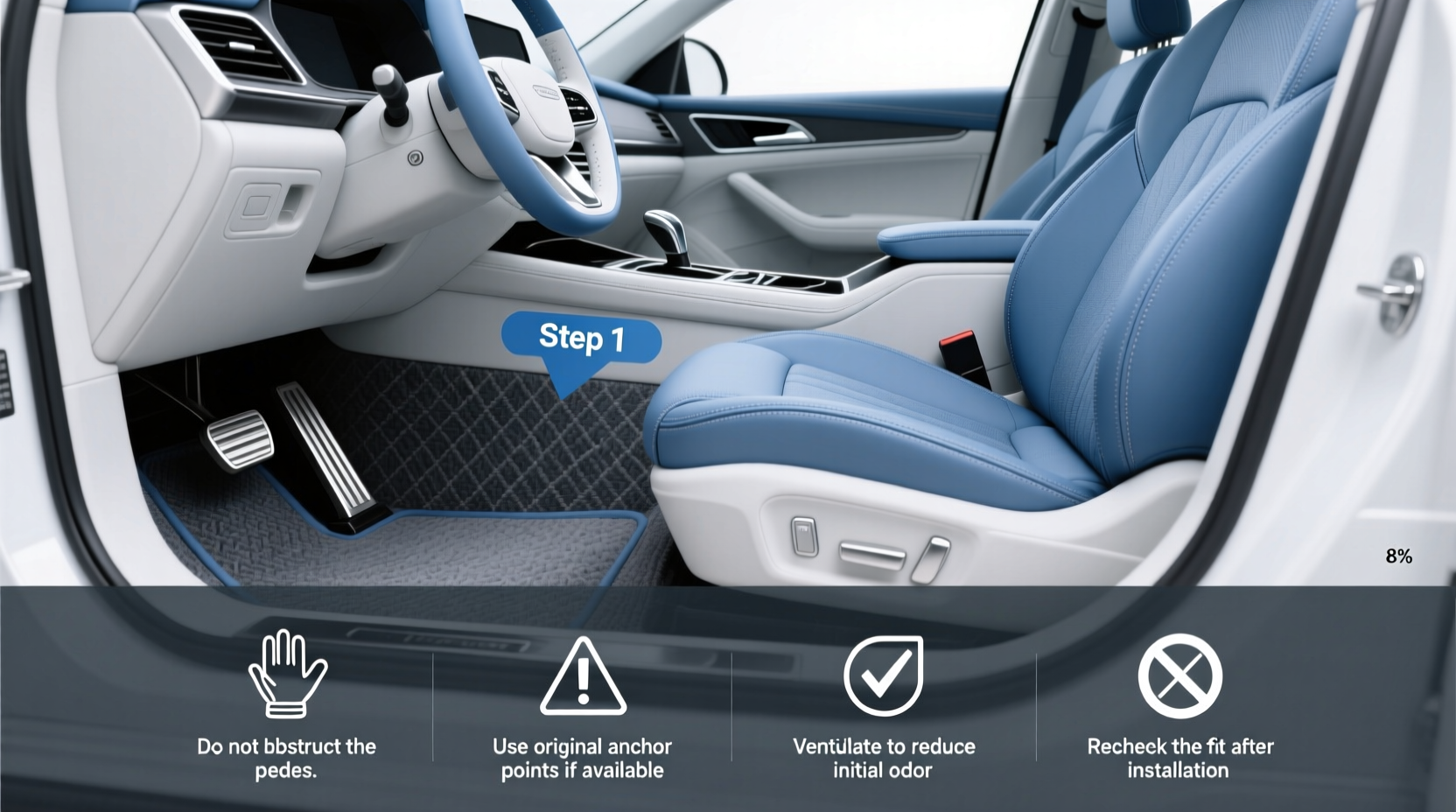
Blue car seats refer to automotive seating units—either factory-equipped or aftermarket replacements—that feature blue-colored upholstery. These range from full bucket seats in sedans and SUVs to specialized child safety seats and truck bench configurations. While traditionally black, gray, or beige dominated interiors, blue has emerged as a popular alternative due to its modern aesthetic and perceived cleanliness.
They are commonly found in three primary applications: original equipment manufacturer (OEM) interior trims, custom upholstery upgrades, and child restraint systems. In family vehicles, light-blue fabric may be used to distinguish junior seats, while performance models sometimes offer dark navy or electric-blue accent stitching for sporty appeal.
✨ Why Blue Car Seats Are Gaining Popularity
Consumers are increasingly choosing blue car seats not just for aesthetics but also for practical reasons. A recent trend analysis shows that blue interiors rank among the top five preferred colors for new vehicle buyers under 40 1. The color is associated with calmness, trust, and technological sophistication—qualities automakers leverage in marketing premium trims.
In addition, lighter shades of blue hide dust better than white or cream, while darker blues resist fading more effectively than reds or yellows under prolonged sun exposure. Parents often select blue-themed child seats because they’re easily distinguishable from adult seating and less likely to be gender-stereotyped than pink.
🔧 Types and Variants
Different types of blue car seats serve distinct functions. Understanding these helps narrow down choices based on need.
Fabric Upholstery Seats
- Pros: Breathable, affordable, good grip (reduces sliding)
- Cons: Stains easily, harder to clean, may fade over time
Leather & Synthetic Leather (e.g., Alcantara, Vegan Leather)
- Pros: Easy to wipe clean, durable, premium feel
- Cons: Can get hot in sunlight, higher cost, prone to cracking without conditioning
Child Safety Seats (Rear-Facing, Convertible, Booster)
- Pros: Often come in bright blue designs for visibility; some include side-impact protection
- Cons: Color may limit resale value; must meet strict regional safety regulations
Aftermarket Performance Seats
- Pros: Lightweight, bolstered support, customizable colors including vibrant blues
- Cons: May require professional installation; not always compatible with airbag systems
⚙️ Key Features and Specifications to Evaluate
To make an informed decision when shopping for blue car seats, evaluate the following criteria:
- 📏 Dimensions & Fit: Measure your current seat footprint and compare it to product specs. Aftermarket seats must align with existing bolt patterns.
- 🛡️ Safety Ratings: For child seats, ensure compliance with local safety standards (e.g., NHTSA approval in the U.S.). Adult seats should have crash-test validation if replacing OEM units.
- 🧵 Material Quality: Look for terms like 'UV-resistant,' 'anti-microbial,' or 'stain-treated.' Avoid generic descriptions like “durable fabric” without specifics.
- 🌡️ Ventilation & Climate Control: Some high-end blue seats include built-in cooling fans or heated cushions—ideal for extreme climates.
- 🔌 Integration with Vehicle Systems: Check compatibility with seat sensors, side-airbags, and electronic adjustments (if applicable).
- 🎨 Color Consistency: Request swatches or real photos. Monitor displays vary, and 'navy' online might appear teal in person.
✅ Pros and Cons
Where Blue Car Seats Shine
- Ideal for families wanting gender-neutral child seats
- Modern look enhances cabin ambiance
- Dark blue hides wear better than light colors
- Popular resale option for used cars with matching trim themes
Limits and Drawbacks
- Bright blue may clash with interior design in older models
- Non-OEM colors could affect insurance claims after accidents
- Specialty dyes may increase off-gassing (new-car smell)
- Limited availability in certain regions or vehicle classes
📋 How to Choose Blue Car Seats
Follow this step-by-step checklist to avoid common pitfalls when selecting what to look for in blue car seats:
- Identify Your Use Case: Is this for a child, daily driver comfort, or aesthetic upgrade?
- Check Compatibility: Confirm fit using your VIN or consult a fitment database (e.g., manufacturer website or retailer tool).
- Evaluate Safety Certifications: For infant/child seats, verify certification labels. For adult seats, ensure structural integrity testing documentation exists.
- Assess Material Longevity: Ask about warranty length and care requirements. Fabric seats under 12-month warranties may lack durability.
- Review Installation Requirements: Will you need tools or professional help? Integrated electronics require expert setup.
- Compare Return Policies: Many sellers don’t accept returns on installed car seats due to hygiene concerns.
❗ Red Flags to Avoid
- No clear manufacturer information or contact details
- Pictures showing inconsistent stitching or uneven dye coverage
- Claims of 'universal fit' without model-specific verification
- Absence of independent reviews or third-party testing data
- Prices significantly below market average (risk of counterfeit goods)
💰 Price & Market Insights
Pricing varies widely depending on type and quality. Below are typical ranges (USD):
- OEM Blue Seat Replacement: $200–$600 per seat
- Aftermarket Fabric Seats: $150–$400 per pair
- Performance Bucket Seats (blue accents): $400–$1,200 each
- Blue Child Safety Seats: $80–$300 (based on weight class and features)
Higher prices usually reflect better ergonomics, materials, and integration capabilities. However, mid-range options ($200–$400) often deliver the best value for most drivers. Be aware that prices may differ by region due to import duties or local demand. Always compare total cost—including shipping and installation—before deciding.
📊 Top-Seller & Competitive Analysis
The table below compares leading categories of blue car seats based on key attributes:
| Product Type | Avg. Price | Best For | Safety Rating | Installation Ease |
|---|---|---|---|---|
| Graco SlimFit ClickTight (Blue Sky) | $250 | Toddler to booster stage | Fully compliant with FMVSS 213 | Easy (ClickTight system) |
| OEM Toyota Corolla SE Cloth Seat | $480 (set) | Stock replacement, OEM match | Factory-certified | Moderate (requires removal tools) |
| Coleman Custom Marine-Grade Vinyl Seat Covers (Blue) | $190 | UV resistance, outdoor use | N/A (covers only) | Very easy (stretch-fit) |
| RECARO Pole Position NE (Blue Trim) | $1,100 | Racing enthusiasts | FIA-approved | Difficult (professional recommended) |
Note: Always verify current pricing and availability through authorized dealers. Specifications may change between model years.
📌 Customer Feedback Synthesis
Based on aggregated user reviews across major retail platforms, here are recurring themes:
👍 Frequent Praise
- 'Love the calming effect of the blue interior—it feels fresh.'
- 'Easy to install, especially models with labeled connectors.'
- 'The fabric resists pet hair better than our old black seats.'
- 'Child seat was comfortable during long trips and passed inspection.'
👎 Common Complaints
- 'Color looked different in daylight vs. showroom lighting.'
- 'After six months, seams started fraying near the base.'
- 'Too firm for elderly passengers despite positive online ratings.'
- 'Took three weeks to receive; seller didn’t update tracking.'
These insights suggest that while satisfaction is generally high, discrepancies in color accuracy and delayed shipping remain persistent issues.
🔗 Sourcing & Supplier Tips
Whether buying one seat or sourcing in bulk, consider these strategies:
- For Individuals: Buy from retailers offering free returns within 30 days. Authorized dealers provide better warranty support.
- For Resellers or Fleets: Contact manufacturers directly for volume discounts. Request sample units before placing large orders.
- Aftermarket Imports: Verify customs documentation and conformity marks (e.g., CE, DOT). Counterfeit seats lacking proper labeling pose safety risks.
- Inspection Checklist: Upon delivery, inspect for odor, stitching flaws, correct labeling, and included hardware. Test electrical connections before final installation.
🧼 Maintenance, Safety & Legal Considerations
Proper upkeep extends lifespan and ensures continued safety:
- Cleaning: Use pH-neutral cleaners for fabric; leather conditioners every 3–6 months. Avoid bleach-based products.
- Sun Exposure: Park in shade or use windshield shades to prevent fading, especially in southern U.S. or equatorial regions.
- Safety Checks: Periodically inspect anchor bolts, harness straps (for child seats), and foam integrity.
- Legal Compliance: Modifying factory-installed seats may void warranties or violate local motor vehicle codes. Before installing non-standard seats, check with your state DMV or transport authority to confirm legality.
If retrofitting a vehicle originally equipped with side-impact sensors, ensure replacement seats maintain sensor alignment—misalignment can disable airbags.
🎯 Conclusion: Matching Needs to Choices
Selecting the right blue car seats depends on balancing function, safety, and personal preference. If you need a reliable child seat, prioritize certified models with adjustable headrests and harness systems—even if they cost more. For aesthetic upgrades, OEM-matching fabric or vinyl covers offer lower risk and easier installation. Enthusiasts seeking performance gains should invest in FIA-approved bucket seats with proper mounting kits. Always validate compatibility, read verified buyer feedback, and double-check return policies. By focusing on measurable criteria rather than color alone, you’ll find a solution that lasts and performs safely.
❓ FAQs
Can I install blue car seats myself?
Yes, if you’re replacing seat covers or installing child seats with LATCH systems. Full seat replacements involving wiring or structural changes should be done by professionals.
Do blue car seats fade faster than other colors?
Not necessarily. Darker blues resist UV damage better than reds or oranges. Look for UV-protected materials to minimize fading.
Are there safety differences between colored and standard car seats?
No—color does not affect safety performance. However, the underlying construction, materials, and certifications do. Always verify these independently of appearance.
How do I clean blue fabric car seats without causing stains?
Blot spills immediately with a dry cloth, then use a mild upholstery cleaner tested on a hidden area first. Avoid saturating the fabric to prevent watermarks.




 浙公网安备
33010002000092号
 浙B2-20120091-4