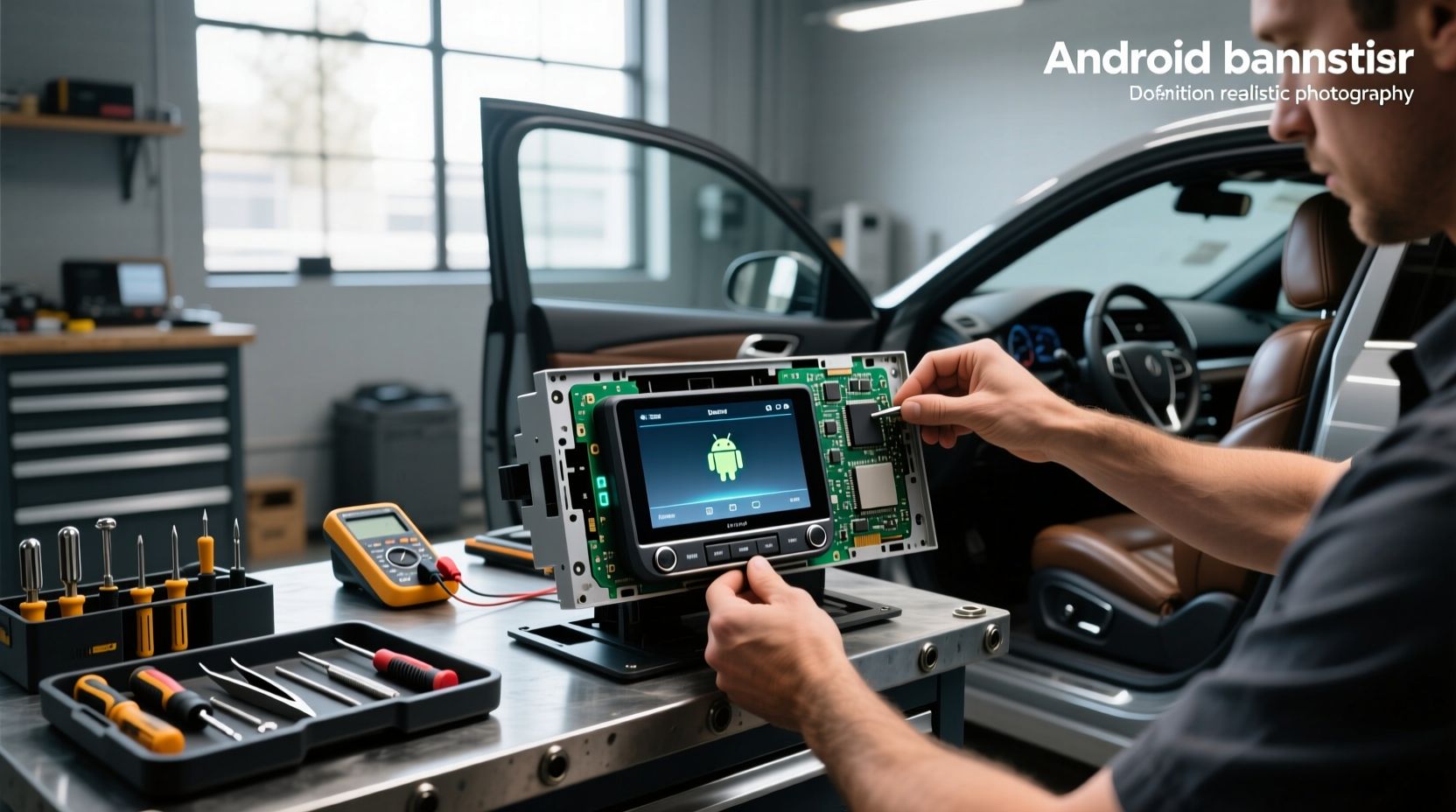
✅ Yes, you can replace just the screen on an Android head unit, but only if a compatible display module is available and matches the original interface (LVDS, MIPI, or HDMI). This guide walks you through how to choose android head unit screen replacement,Can you replace just the screen on a car radio?, covering critical aspects like compatibility, technical requirements, cost trade-offs, and common pitfalls. For budget units under $150, full replacement is often more practical than screen-only repair. High-end models may allow upgrades—but expect complex disassembly, potential driver issues, and voided warranties.
About android head unit screen replacement,Can you replace just the screen on a car radio?
An Android head unit screen replacement refers to swapping out the display panel of a car’s infotainment system without replacing the entire device. These units run Android OS, support apps like Google Maps and Spotify, and integrate with vehicle controls. When the touchscreen becomes cracked, unresponsive, or outdated, users often ask: Can you replace just the screen on a car radio? The short answer is yes—but only under specific conditions.
This type of repair or upgrade targets the LCD/LED display and digitizer assembly while retaining the internal motherboard, processor, and audio components. It's commonly pursued for two reasons: physical damage (e.g., cracks from impact) or desire for higher resolution, better brightness, or touch responsiveness. However, unlike smartphones, most automotive head units are not designed for modular repairs, making screen replacement a technically demanding task that requires precise part matching and careful handling.
Why android head unit screen replacement,Can you replace just the screen on a car radio? is gaining popularity
As consumers keep vehicles longer and demand modern tech in older models, upgrading infotainment systems has become more common. Many factory-installed radios lack Android Auto, Bluetooth streaming, or responsive touchscreens. Aftermarket Android head units fill this gap—but over time, their screens degrade or break. Rather than discarding a fully functional unit, owners explore whether they can replace just the screen on a car radio to extend its life.
Online communities such as XDA Developers 1 have fueled interest by sharing modding experiences, encouraging DIY repairs. Additionally, rising costs of new units and environmental concerns about e-waste drive users toward component-level fixes. While still niche, screen replacement appeals to tech-savvy individuals looking to customize or future-proof their setup without full hardware investment.
Types and variants
🔧 OEM-Style Replacement Screens
These are direct replacements for damaged factory-fitted or aftermarket displays. They match the original size, resolution, and connector type.
- Pros: Plug-and-play compatibility, minimal configuration needed
- Cons: Limited availability; often only sold by specialty suppliers
✨ Upgraded Resolution Panels (e.g., 1080p, IPS)
Higher-quality screens offering improved clarity, color accuracy, and viewing angles. Often used in DIY upgrades.
- Pros: Sharper image, better daylight visibility
- Cons: May require firmware/driver changes; risk of incompatibility
⚙️ Modular Interface Adapters (HDMI/LVDS/MIPI Converters)
Used when the new screen uses a different signal standard than the head unit outputs. These bridge the communication gap.
- Pros: Enables use of non-native screens
- Cons: Adds complexity, latency, and potential failure points
Key features and specifications to evaluate
When considering how to choose android head unit screen replacement,Can you replace just the screen on a car radio?, focus on these technical parameters:
📌 Screen Interface Type
The physical and electrical connection between the motherboard and display must match. Common types include:
- LVDS: Older analog standard, widely used in budget units
- MIPI DSI: Digital interface common in modern high-resolution panels
- HDMI: Rare for internal connections, but sometimes used via adapters
Mismatched interfaces will prevent the screen from working entirely.
📌 Resolution and Aspect Ratio
A higher resolution screen (e.g., 1280x720 vs. 800x480) may not function unless the head unit’s GPU and firmware support it. Even if detected, incorrect scaling can distort UI elements.
📌 Driver and Firmware Support
Some advanced screens need specific drivers loaded onto the Android system. This may involve rooting the device, flashing custom kernels, or modifying system files—a process beyond casual users.
📌 Physical Dimensions and Mounting
Ensure the new screen fits within the dashboard bezel and aligns with mounting brackets. Slight differences in thickness or screw placement can complicate installation.
📌 Touch Controller Compatibility
The digitizer (touch layer) must communicate correctly with the head unit. Incompatible controllers lead to erratic touches or complete failure.
Pros and cons
✅ Advantages
- Cost-effective alternative to full unit replacement (if parts are affordable)
- Extends lifespan of otherwise functional hardware
- Potential visual improvement with upgraded panels
- Reduces electronic waste
❗ Limitations
- High technical barrier: Requires disassembly, soldering, and diagnostics
- Risk of permanent damage during replacement
- Likely voids manufacturer warranty
- No improvement in audio quality or processing speed
- Limited part availability for many models
How to choose android head unit screen replacement,Can you replace just the screen on a car radio?
Follow this step-by-step checklist before proceeding:
- 🔍 Confirm the Issue: Test if the problem is truly the screen. If the unit powers on but shows no image, check backlight and video signals first.
- 📋 Identify Your Model: Note brand, model number, and firmware version. Search online forums for known modding success stories.
- 🔗 Match the Interface: Determine whether your unit uses LVDS, MIPI, or HDMI output. Consult service manuals or teardown videos.
- 🛒 Source Compatible Parts: Look for exact-match replacement screens or verified upgrade kits. Avoid generic listings without technical specs.
- 🛠️ Assess Technical Skill Level: Be honest about your ability to handle micro-soldering, ribbon cables, and software flashing. If unsure, consult a professional.
- 💰 Evaluate Cost vs. Full Replacement: Compare the total cost (screen + tools + time) against buying a new head unit with desired features.
- ⚠️ Watch for Red Flags:
- Sellers who don’t provide interface details
- Products labeled “universal” without model-specific confirmation
- Missing driver information for high-res panels
If any of these steps seem unfeasible, replacing the entire unit is likely the safer choice.
Price & market insights
Pricing varies significantly based on model rarity and upgrade level:
- Basic Replacement Screens: $40–$90 (for common models like Pioneer, Kenwood, or generic Chinese units)
- High-Resolution Upgrades (with adapter): $100–$200+
- Professional Installation: Adds $80–$150 labor cost
In contrast, entry-level Android head units start around $120, while premium models exceed $400. Therefore, spending $150+ on a screen upgrade for a $130 unit rarely makes financial sense. Always calculate total project cost—including shipping, tools, and potential return fees—before ordering parts.
Top-seller & competitive analysis
While dedicated screen replacements aren't typically top sellers, certain brands dominate the aftermarket head unit space, influencing part availability:
| Brand/Model | Screen Replaceability | Upgrade Potential | Community Support |
|---|---|---|---|
| Pioneer NEX Series | Low (proprietary design) | Limited | Moderate |
| Sony XAV Series | Very Low | Negligible | Low |
| Generic MTK-Based Units | Medium-High | High (with MIPI/LVDS mods) | High (XDA forums) |
| Alpine iLX Series | Low | Low | Moderate |
Units built on MediaTek (MTK) platforms tend to offer greater flexibility due to open development ecosystems. Conversely, branded units prioritize integration and aesthetics over serviceability.
Customer feedback synthesis
Based on user discussions and reviews across forums and retail sites:
👍 Frequent Praise
- “Saved my favorite head unit after a cracked screen.”
- “Upgraded to a brighter IPS panel—much easier to see in sunlight.”
- “Clear instructions made the swap manageable.”
👎 Common Complaints
- “Bought a ‘compatible’ screen that didn’t work—had wrong LVDS pins.”
- “No one provides driver files; had to reverse-engineer the display settings.”
- “Took apart my dash only to find the motherboard was also damaged.”
- “Cheaper to buy a new unit than spend hours troubleshooting.”
Many negative experiences stem from incomplete product descriptions or underestimated technical difficulty.
Sourcing & supplier tips
Where to buy:
- AliExpress / eBay: Largest selection, but verify seller ratings and request interface specs before purchase.
- Specialty Automotive Audio Stores: Few carry individual screens, but some offer repair services.
- XDA Forums or Reddit Communities: Members often resell tested parts or share trusted vendor lists.
Tips for safe sourcing:
- Demand detailed photos showing connectors and labels
- Ask for compatibility confirmation based on your serial/model number
- Prefer sellers offering returns for non-working items
- Double-check pinout diagrams if available
Maintenance, safety & legal considerations
After successful replacement:
- 🧼 Clean Connections: Use isopropyl alcohol to clean contacts before reassembly.
- 🔋 Power Safety: Disconnect the car battery before starting work to avoid short circuits.
- 🌡️ Heat Management: Ensure proper ventilation; overheating can damage new screens.
- 🌐 Legal Compliance: Verify that any modified system doesn’t violate local regulations regarding distracted driving or emissions (e.g., tampering with OBD-II linked functions). Regulations vary by region—check with local authorities if uncertain.
Conclusion
Choosing whether to pursue an android head unit screen replacement depends on your technical confidence, equipment value, and access to compatible parts. If you own a low-cost unit, replacing the entire system is usually more economical and reliable. However, if you have a high-end or customized setup and can source a matching screen with verified compatibility, replacement may be worthwhile. Always confirm interface type, resolution support, and driver needs beforehand. Remember: Can you replace just the screen on a car radio? —technically yes, but practically only under the right conditions. Weigh time, cost, and risk carefully before disassembling your dashboard.




 浙公网安备
33010002000092号
 浙B2-20120091-4